


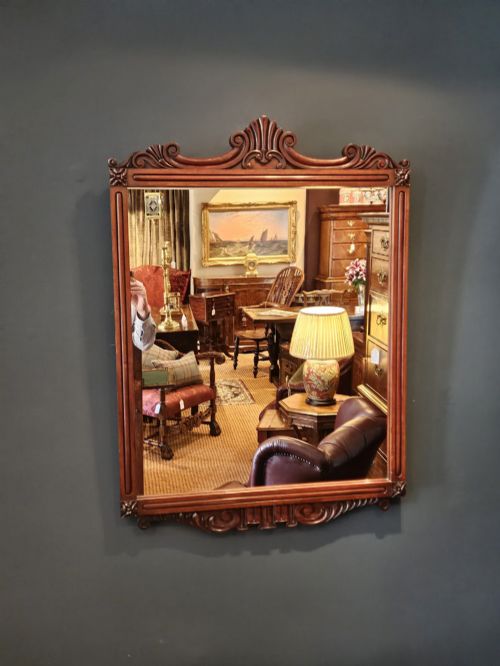

Chippendale Style Mahogany Mirror
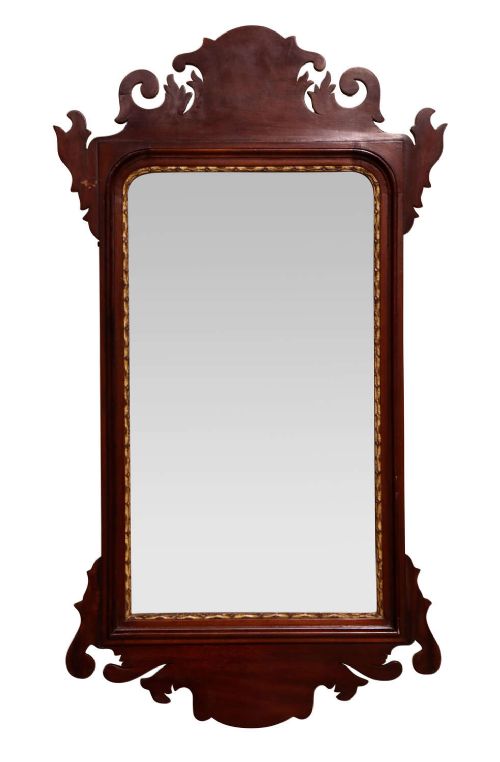
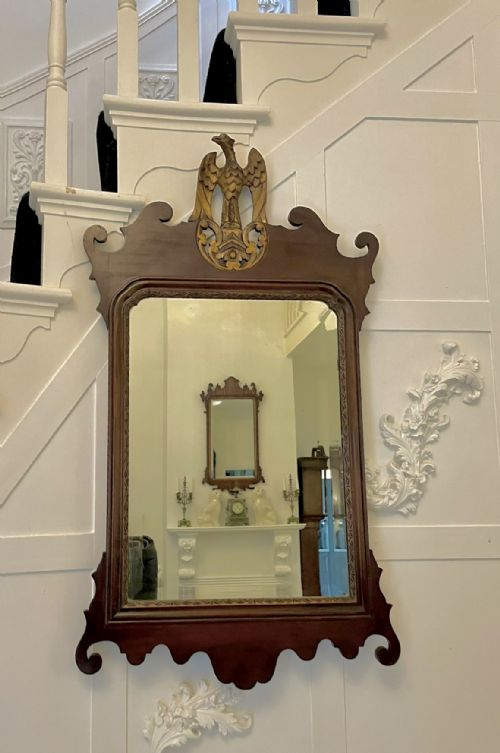
When you search for a chippendale style mahogany mirror, you are seeking the carved fretwork and gilded accents that define Georgian and revival rooms.
Chippendale Style Mahogany Mirror
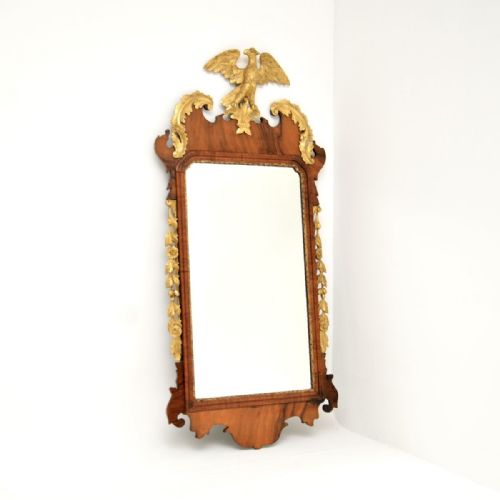
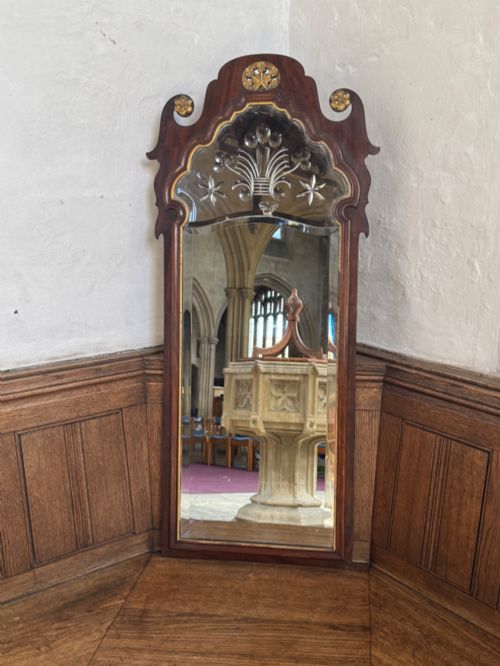
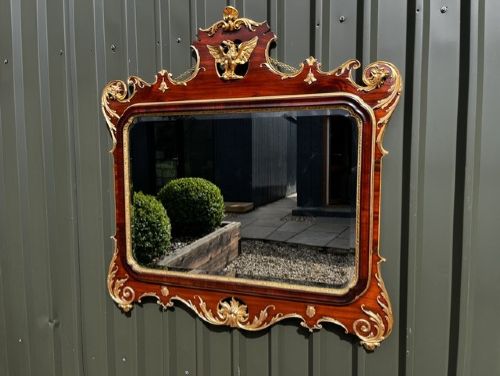
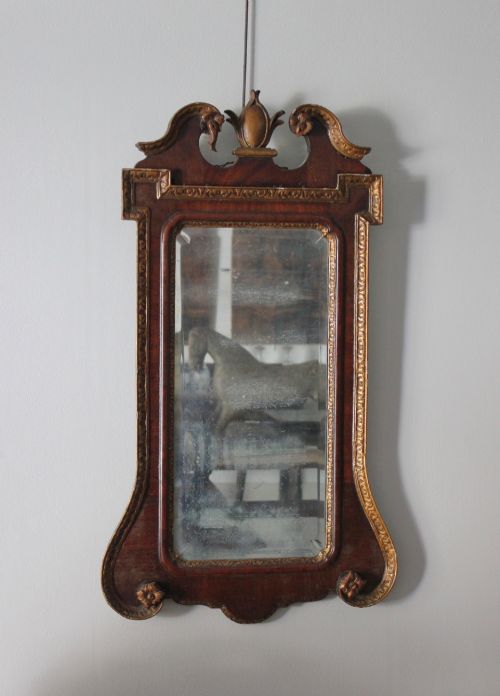
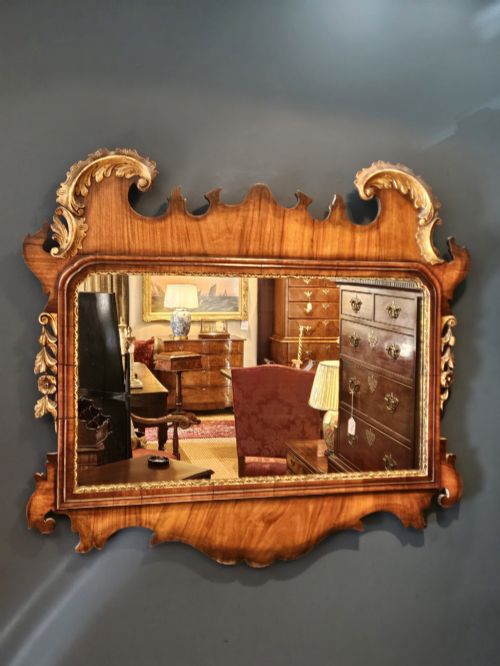
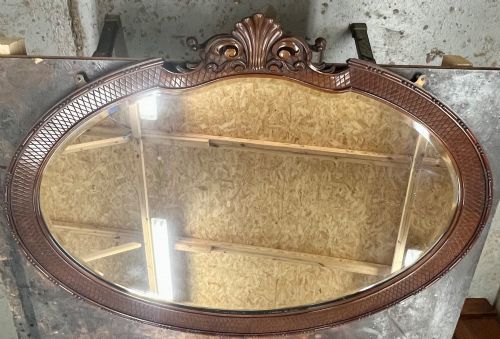
A chippendale style mahogany mirror brings together dense timber frames, intricate fret-cut scrollwork, and gilded details designed for formal interiors. Buyers encounter pieces ranging from authentic 18th-century examples to later Victorian and Edwardian revivals.
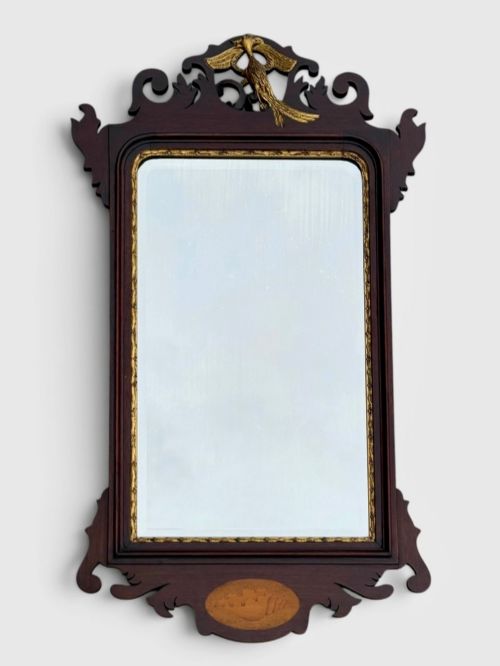
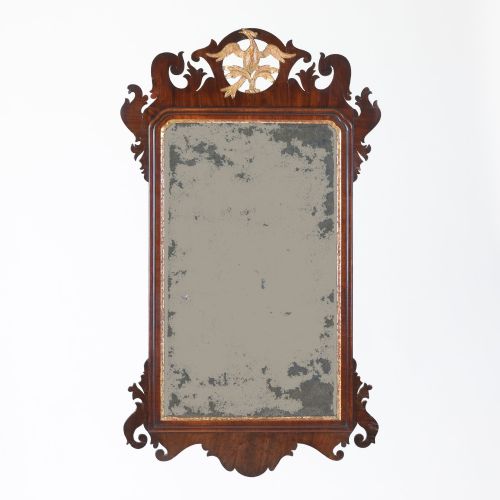
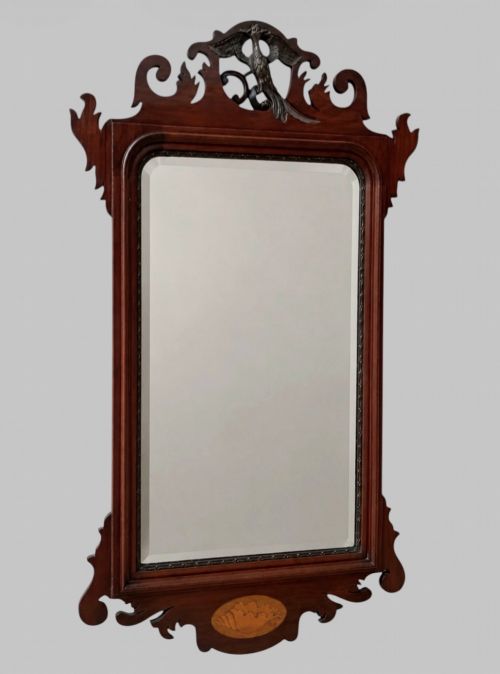
The forms span from small wall-hanging pier mirrors with iconic Ho-Ho birds to large overmantels, landscape formats, and occasional dressing chests. Most examples met on this page date from the Georgian period through to the early 20th century.
Makers and craftsmen utilised traditional proportions to create depth through layered mouldings and pierced outlines. These objects served both practical vanity uses and as decorative centerpieces in reception halls and morning rooms.
How they were made
Constructed primarily from solid mahogany timber, these frames often incorporate parcel-gilt highlights and gesso layers to catch the light. Skilled artisans cut intricate fretwork patterns by hand using fretsaws, achieving delicate silhouettes without sacrificing structural integrity.
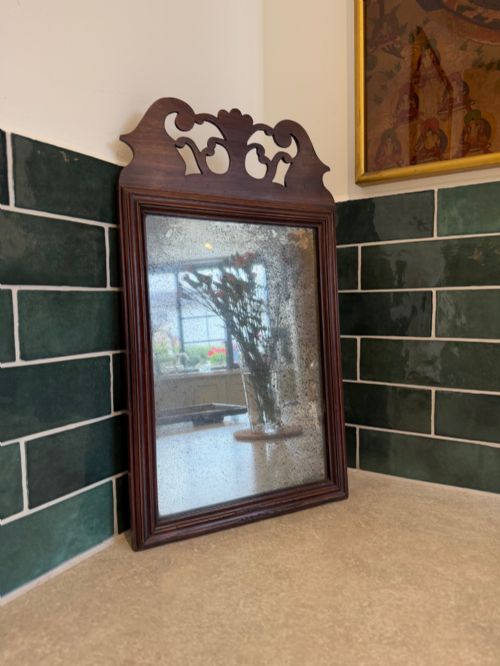
Glass plates were silvered and sometimes bevel-edged or reverse-cut, held securely within rebated frames at the rear. Brass fixing loops and pine secondary woods frequently support the primary mahogany structure.
Some frames still hide old collection labels tucked behind the pine backing boards.
What varies in quality
The depth and crispness of the hand-carved fretwork dictate the visual weight of the piece, separating finely detailed scrolls from simpler, flat-sawn outlines. Pierced crests, particularly those featuring carved birds or delicate urns, demand high skill to execute without splintering the timber.
The survival of original gilding and untouched mirror plates contributes substantially to the integrity of the object. Heavier proportions and richer grain figures in the mahogany timber denote superior construction across both period originals and later revivals.
The Chippendale Style Mahogany Mirror Glossary
- Parcel-gilt
- Partially gilded woodwork where gold leaf or paint highlights specific carved details against the dark mahogany background. This technique adds contrast to the frame.
- Fretwork
- Openwork ornamentation cut into flat timber using a saw, creating geometric or scroll patterns. It defines the edge of many wall mirrors.
- Ho-Ho bird
- A mythical Chinese phoenix motif frequently incorporated into the carved crests of mid-18th-century frames. It relates directly to the Chinese Chippendale taste.
- Pier glass
- A tall mirror designed specifically to hang on the wall space between windows. These pieces often feature candle sconces or matching console tables beneath.
- Overmantel
- A wide mirror designed to sit directly above a fireplace mantelpiece. They often adopt landscape orientations to span the width of the hearth.
Chippendale Style Mahogany Mirror: Frequently Asked Questions
How do I date a chippendale style mahogany mirror?
Examination of the secondary woods, fixings, and the composition of the glass plate helps determine the era of production. Older examples show hand-beveled edges and signs of age in the silvering, while revival pieces from the Victorian and Edwardian periods use machine-sawn timber.
Style markers also shift between periods, with 18th-century originals displaying sharper hand-carved fretwork compared to the heavier proportions of later reproductions.
Where should I hang an overmantel mirror?
These wide horizontal pieces suit placement directly above a fireplace in a principal reception room or dining space. Their scale reflects natural light across the room and balances the hearth below.
Secure wall fixings into masonry or structural studs are essential given the substantial weight of the timber and glass.
What is a Ho-Ho bird?
The Ho-Ho bird is a stylized Chinese phoenix used as a decorative crest motif on the top of carved wooden frames. It became popular during the height of the mid-18th-century neoclassical and Chinese taste revivals.
Carvers rendered these birds with layered plumage perched atop scrolled foliage.
Are Edwardian mirrors authentic antiques?
Edwardian and late Victorian pieces dating around 1900 are genuine antiques in their own right, representing a distinct period of revival craftsmanship. They replicate earlier Georgian aesthetics while utilising the tools and manufacturing methods of their own era.
Collectors value them for their decorative presence and quality of mahogany construction.