

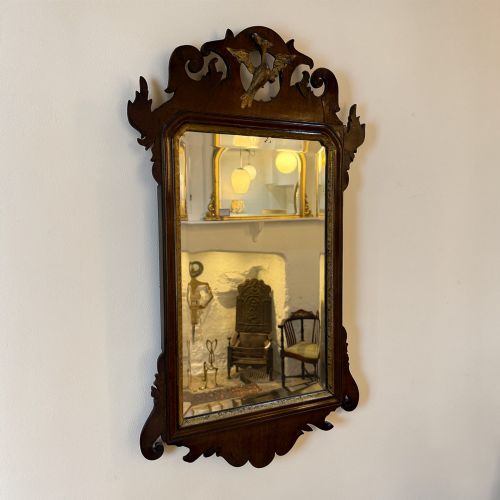
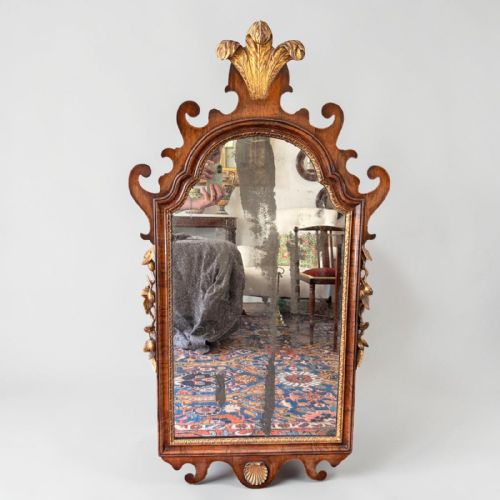
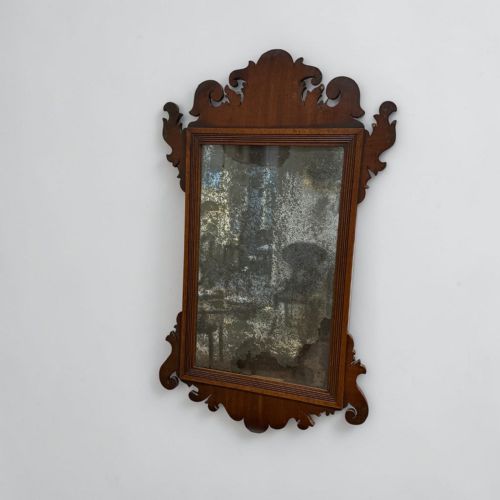
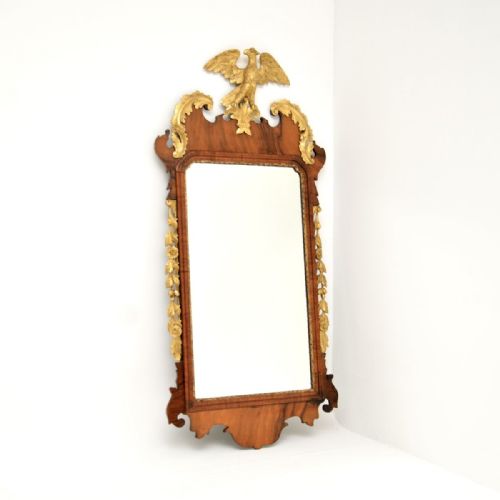
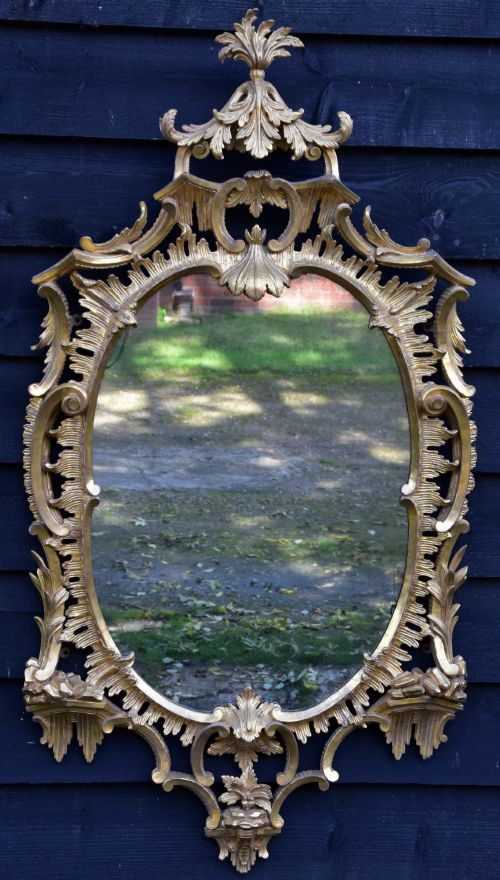
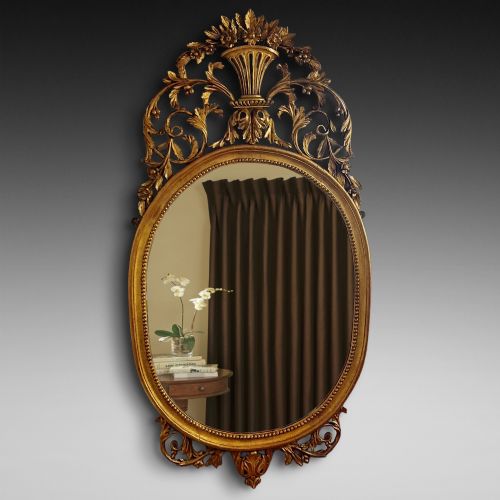
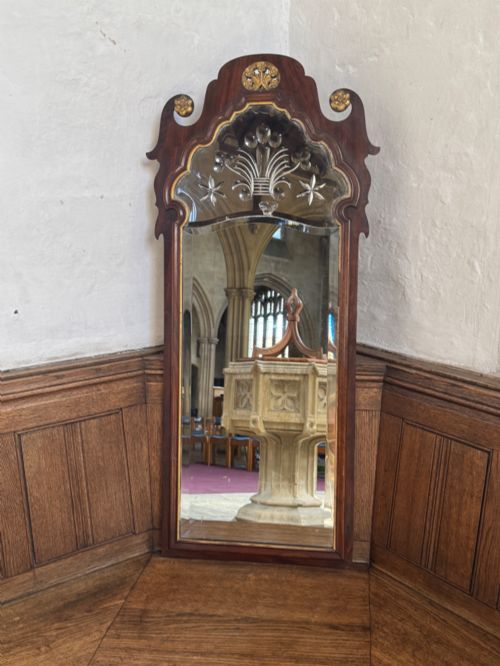


Chippendale Pier Glass
A chippendale pier glass brings undeniable carved depth and historic scale to a room, framing light with unmistakable eighteenth-century confidence.
Chippendale Pier Glass
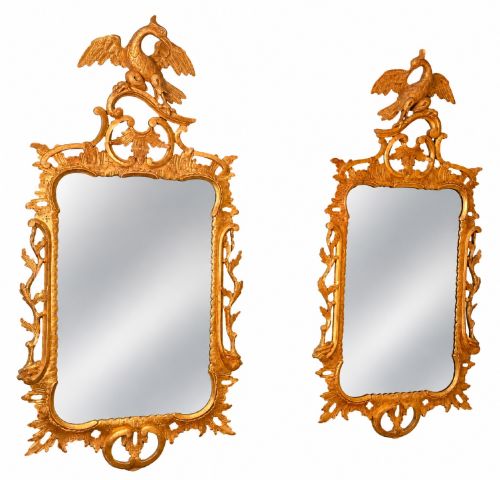
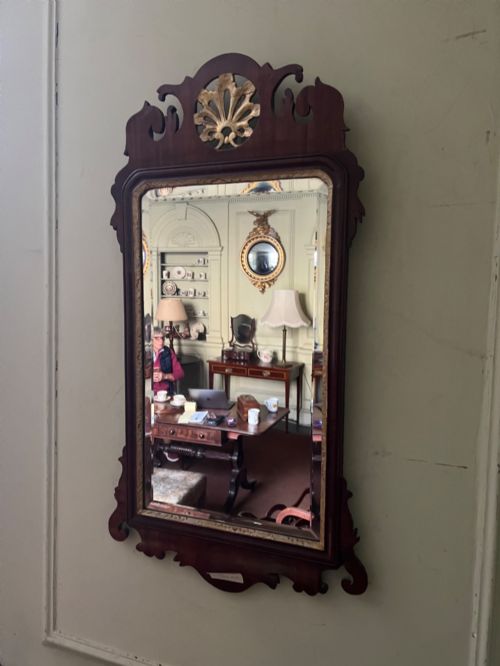
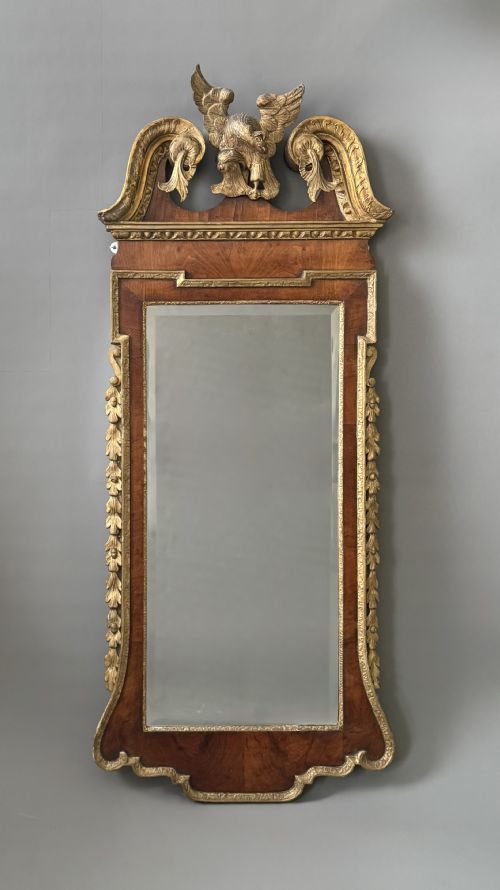
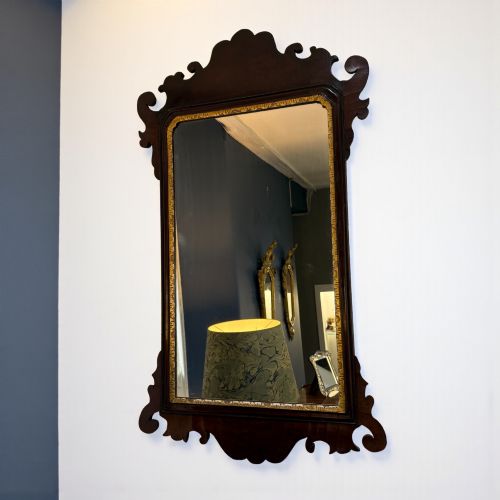
When you search for a chippendale pier glass, you encounter tall wall-hanging mirrors designed originally to hang between windows, often featuring intricate fretwork frames and parcel-gilt details. The examples you meet on this page span authentic eighteenth-century Georgian workmanship alongside later revival pieces from the Victorian and Edwardian periods.
The primary forms appearing here include mahogany and walnut fretwork wall mirrors, alongside heavily carved giltwood rococo examples and occasional Chinese Chippendale interpretations. These pieces function primarily as commanding architectural wall mirrors rather than simple looking glasses, reflecting light across formal reception rooms.
While eighteenth-century originals carry the authentic weight of the Georgian period, later nineteenth-century revivals offer similar decorative presence through skilled craftsmanship. Both early and revival versions utilise traditional timber framing and gilded ornamentation to achieve their distinct vertical proportion.
Assessing quality
The standard of a chippendale pier glass rests upon the crispness of the hand-carved fretwork and the depth of the relief work within the frame. Superior examples demonstrate confident tool control in every scroll and leaf, whereas lesser pieces exhibit softer, rounded edges and mechanical uniformity.
The integrity of the surface finish dictates the visual success of the piece, particularly where original gilding or untouched patinated walnut and mahogany remain intact. The harmonious proportion between the glass plate and the surrounding wooden frame separates standard workshop output from exceptional cabinet work.
Chippendale Pier Glass Retail Price Guide 2026
Typical asking prices for chippendale pier glass among the pieces listed under this phrase on Sellingantiques today, from the lower quarter to the upper quarter. They describe what is for sale here now, not the wider market.
Several mirrors include watchful Hoho birds perched atop the fretwork, glaring down at anyone checking their reflection.
Edwards and Roberts
The Chippendale Pier Glass Glossary
- Pier glass
- A tall mirror specifically proportioned to hang on the wall space between two windows. These large vertical looking glasses were designed to amplify natural light within Georgian rooms.
- Parcel-gilt
- Partially gilded woodwork where gold leaf highlights specific carved details against a contrasting dark timber base such as walnut or mahogany. This technique emphasises select architectural elements without covering the entire frame.
- Fretwork
- Openwork patterns cut from thin boards using a fine saw to create intricate geometric or organic designs. This technique defines the flat decorative borders characteristic of many eighteenth-century mirrors.
- Gesso
- A plaster-like mixture applied to wood frames to provide a smooth, absorbent base for subsequent gilding. Craftsmen carved directly into this dried compound to refine intricate ornamental details.
- Vauxhall plate
- An early form of mirror glass produced with a bevelled edge, historically associated with high-status English looking glasses. These plates often show subtle historical imperfections within the glass matrix.
Chippendale Pier Glass: Frequently Asked Questions
Where should I hang a pier glass?
These tall mirrors are traditionally positioned on the wall space between two windows to maximise the reflection of natural light into the centre of a room. They also function effectively above principal mantelpieces where their vertical proportions draw the eye upward.
Ensure the wall construction can support the substantial weight of a solid timber and gilded frame. Secure the mirror using heavy-duty fixings that distribute the load safely across the structure.
How do I date a Chippendale mirror?
Dating relies upon examining the timber species, the construction of the backing boards, and the hand-carving techniques evident in the fretwork. Eighteenth-century examples typically display aged patination on the wood and hand-cut joinery behind the frame.
Revival pieces from the Victorian or Edwardian eras often use standardised machine-cut elements or different secondary woods. Checking the glass plate for historical bevelling and silvering deterioration also helps establish the age of the piece.
Are these mirrors fragile?
The structural timbers are robust, but the projecting carved fretwork and applied gesso ornamentation require careful handling during placement or relocation. The thin outer scrolls are particularly susceptible to impact if bumped against walls.
Regular dusting with a soft, dry brush keeps the carved details clear without risking moisture damage to the antique gilding or aged wooden surfaces.
What is the difference between Georgian and revival pieces?
Georgian originals were produced during the eighteenth century as bespoke items for formal English interiors, reflecting the direct design influences of the period. They carry authentic period wear and construction methods specific to that era.
Revival mirrors were constructed during the nineteenth and early twentieth centuries, copying earlier eighteenth-century designs for Victorian and Edwardian homes. While they utilise similar materials, their internal fixings and overall wear reflect a later manufacturing date.