


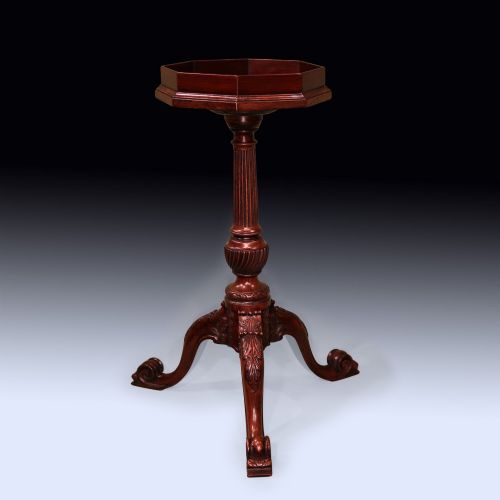

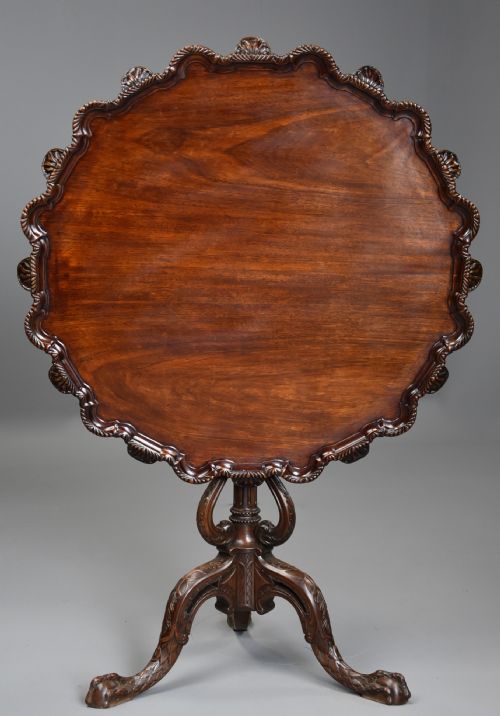


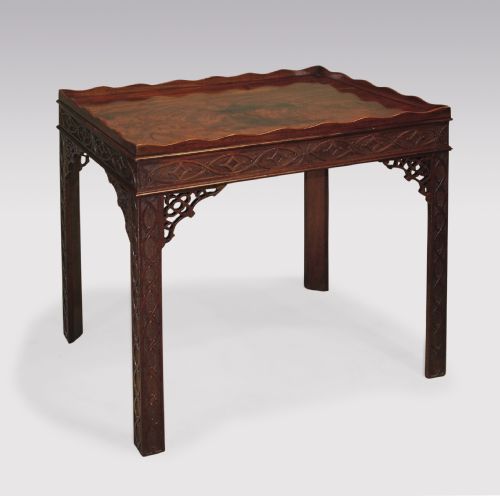

Chippendale Period Side Table
A chippendale period side table brings the rich grain of eighteenth-century mahogany and classic Georgian proportion directly into a room.
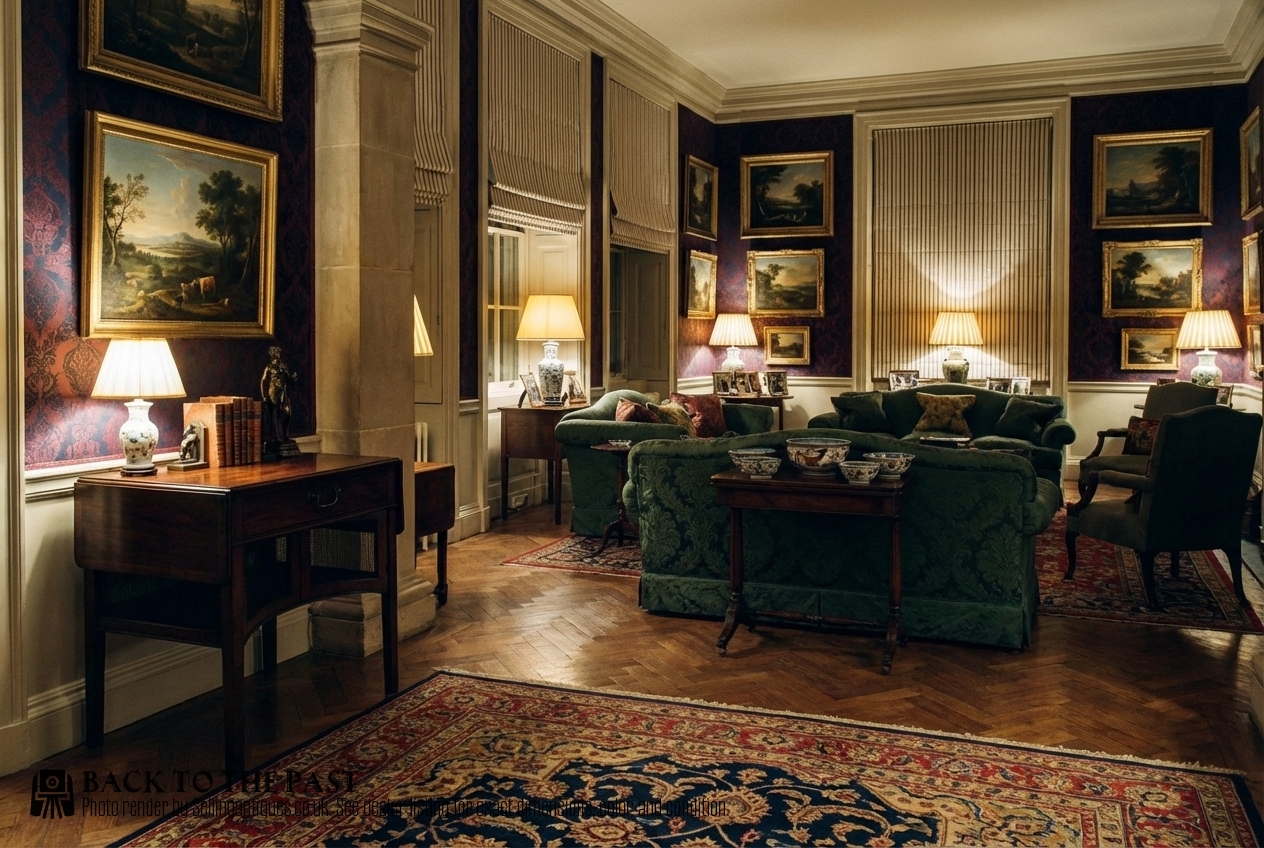
Chippendale Period Side Table
When you search for a chippendale period side table, you encounter a variety of eighteenth-century and Georgian forms alongside later revivals. The selection includes serving tables, lowboys, pier tables, and occasional tables shaped from dark timber.
The version you are most likely to meet on this page is the eighteenth-century mahogany side table, often fitted with drawers or detailed with fretwork. These pieces served practical domestic roles in Georgian rooms, acting as surfaces for silver, kettles, or writing materials.
Alongside genuine eighteenth-century examples, the listings span periods such as the nineteenth and early twentieth centuries under the Chippendale style banner. These later interpretations adopt the vocabulary of the Georgian period, including tripod bases, gallery tops, and tilt mechanisms.
Materials and construction
Mahogany forms the primary structural timber across the pieces, selected for its dense grain and capacity to hold crisp carved detail. Cabinet makers utilised solid boards and veneers to build durable frames for side tables, card tables, and desks.
Metal components such as brass handles, hinges, and wire mesh appear selectively on drawers and cabinet doors. Iron and glass also feature in specific forms like tripod and occasional tables from the Georgian and later eras.
Chippendale Period Side Table Retail Price Guide 2026
Typical asking prices for chippendale period side table among the pieces listed under this phrase on Sellingantiques today, from the lower quarter to the upper quarter. They describe what is for sale here now, not the wider market.
The listings span the eighteenth century up through nineteenth-century examples and early twentieth-century revivals.
Judging quality in tables
Quality rests upon the crispness of the carving and the selection of the timber grain. Finer examples display deeply defined mouldings and balanced proportions that reflect the aesthetic standards of the eighteenth century.
Construction methods determine durability, separating robustly joined frames from weaker builds. Original brass hardware, intact timber drawers, and minimal structural alteration distinguish the superior pieces in the range.
Hepplewhite
The Chippendale Period Side Table Glossary
- Chippendale
- A style originating in the eighteenth century, associated with the designs of Thomas Chippendale and characterised by carved mahogany, cabriole legs, and fretwork details.
- Lowboy
- A small kneehole dressing table or side table with one or more rows of drawers, common in the Georgian period.
- Tripod table
- A small occasional table supported by a pillar on three spreading feet, often featuring a tilt-top mechanism.
- Pie-crust edge
- A raised, decoratively carved tabletop rim shaped to resemble pastry crust, typically found on eighteenth-century tripod tables.
- Pembroke table
- A small rectangular table with hinged drop leaves on either side, often fitted with a single drawer.
- Pier table
- A decorative side table designed to stand against a wall, frequently placed between windows beneath a mirror.
Chippendale Period Side Table: Frequently Asked Questions
What is a chippendale period side table?
A chippendale period side table is a Georgian furnishing typically made from mahogany, featuring characteristic carved details and practical surface space. These pieces date primarily from the eighteenth century, alongside later revival interpretations.
They function as versatile tables for display or daily use, embodying the proportion and craftsmanship of the period.
How were side tables used originally?
In Georgian interiors, side tables served multiple domestic purposes including holding tea equipment, serving food, or acting as writing desks. Their surfaces accommodated heavy items like silver trays and kettles.
Smaller variants like bedside tables and lowboys provided concealed storage within bedrooms and living spaces.
How do I identify a Georgian piece?
Identification relies on timber characteristics, construction methods, and stylistic details such as fretwork, carved legs, and original brass hardware. Eighteenth-century examples show specific signs of age in the mahogany grain and joinery.
Later revival pieces from the twentieth century often replicate these forms but lack the specific patina of age.
How do I live with antique tables?
Living with these tables involves placing them away from direct heat sources to protect the mahogany timber and finish. Regular dusting and careful use help preserve the historical surfaces.
Their compact forms allow them to integrate easily into contemporary rooms as functional accent furniture.