

Chippendale Mahogany Wine Table
These chippendale mahogany wine table examples bring compact elegance and clever tilting mechanisms to your room, offering centuries of refined woodworking.
Chippendale Mahogany Wine Table
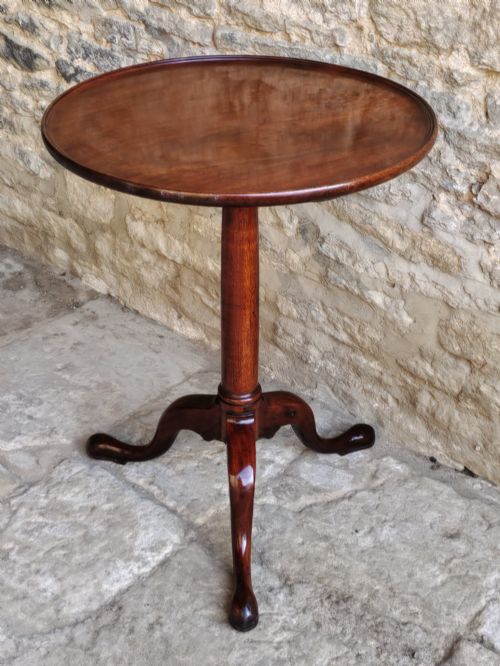
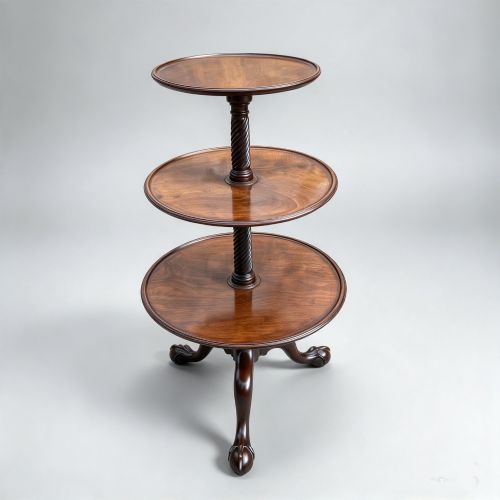
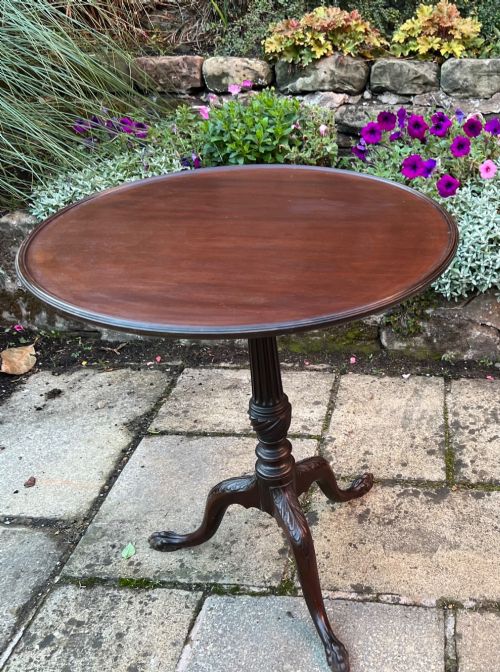
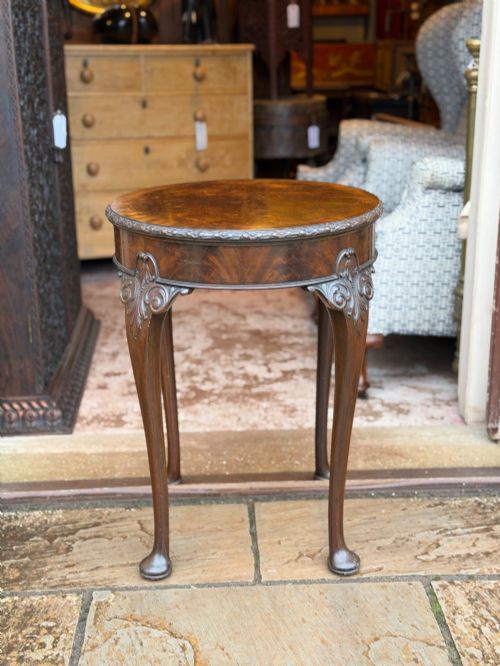
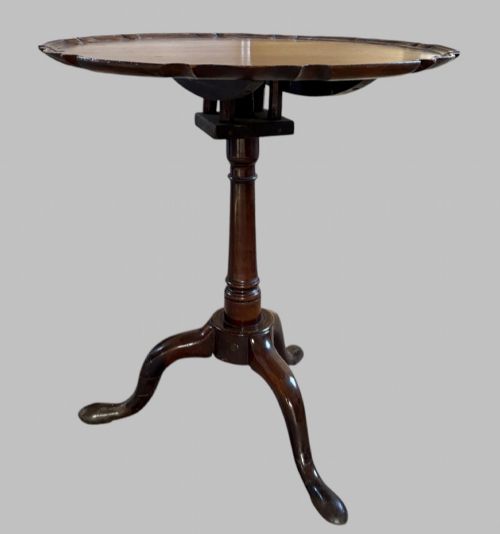
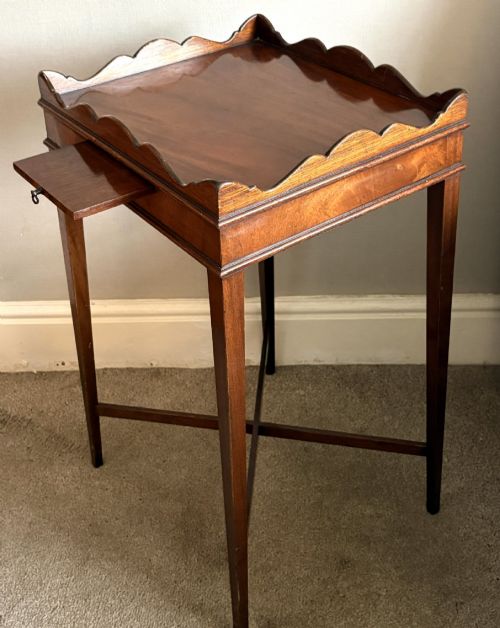
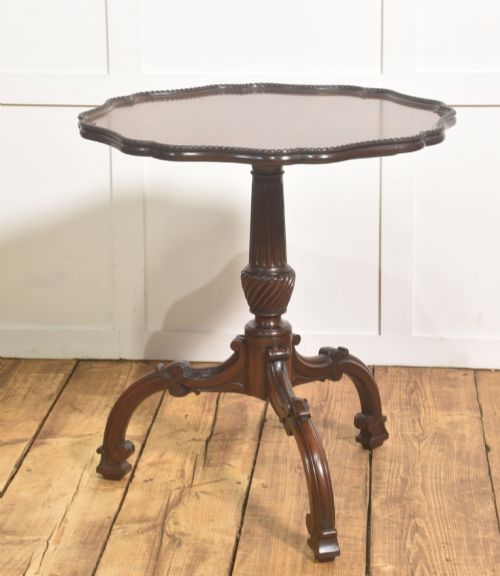
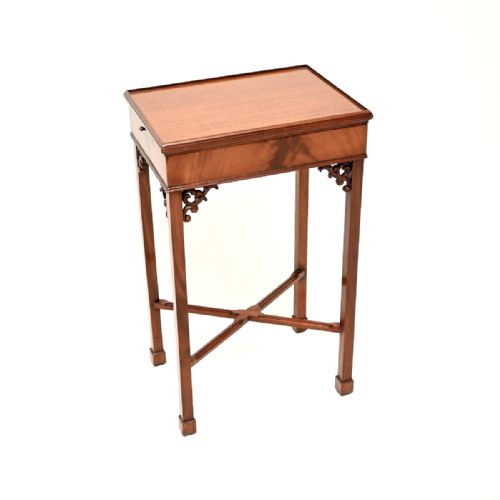
A chippendale mahogany wine table is a compact pedestal stand designed for portability and use beside seating, appearing most frequently in forms with a circular top supported by a central column and three legs. You will encounter these pieces spanning the eighteenth century alongside later revivals from the Victorian, Edwardian, and early twentieth century periods. The forms include standard wine tables, kettlestands, and occasional tables, often featuring tilting tops.
The eighteenth century examples originate from the Georgian and George III eras, constructed with solid timbers and traditional joinery. Revival pieces from the nineteenth and twentieth centuries adopt the same vocabulary of carved tripod legs and shaped edges. These tables function equally well today as lamp stands or small side surfaces.
Materials and Construction
The primary material is mahogany, supplemented by specific variations such as Cuban mahogany, flame mahogany veneer, and occasionally oak or walnut. Supporting elements and mechanisms utilise brass and iron, while occasional surfaces incorporate leather inserts. Cabinetmakers shaped the timber using hand tools to create slender columns and carved tripod bases.
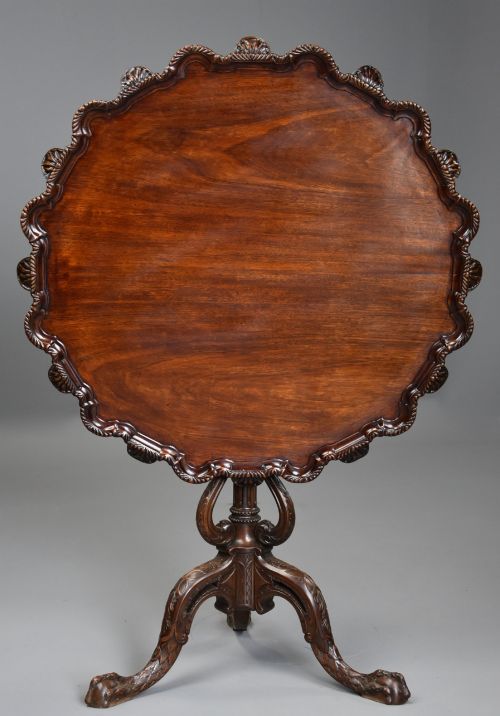
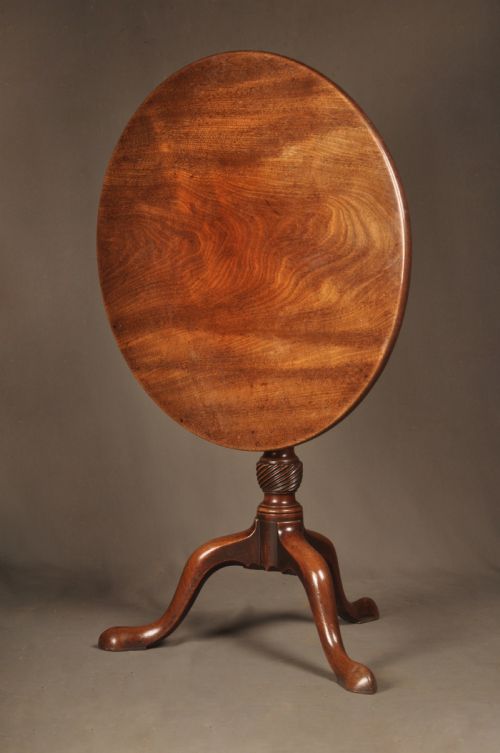
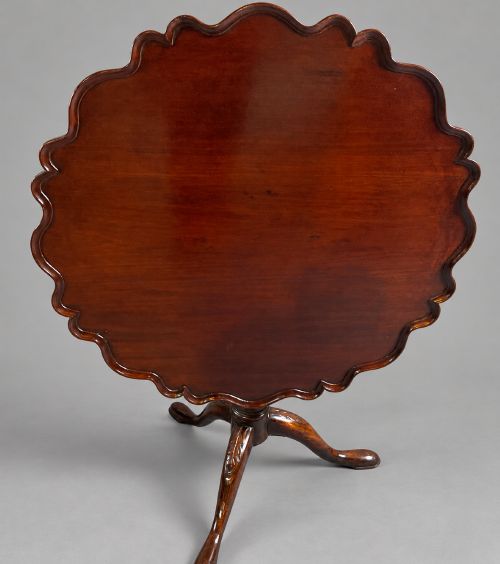
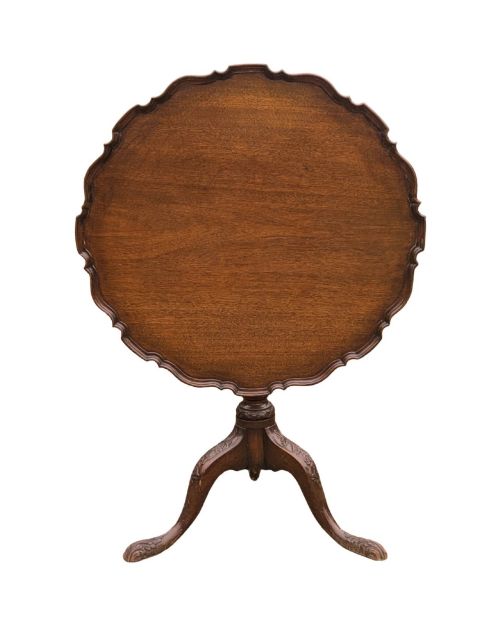
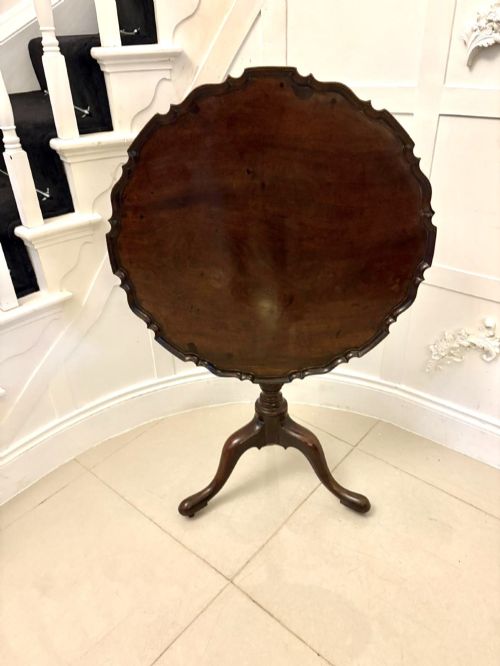
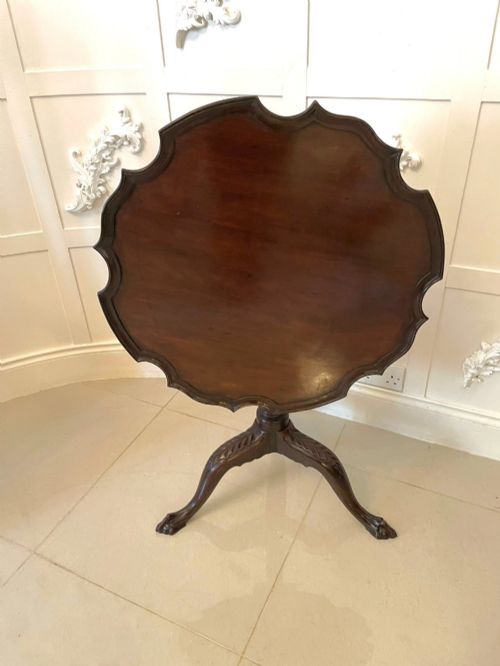
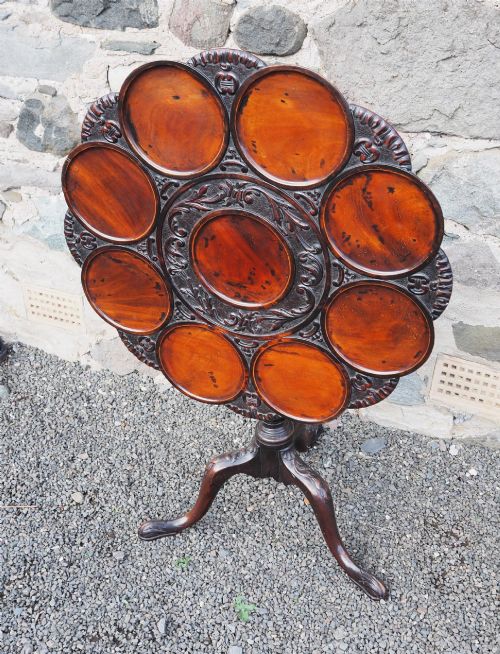
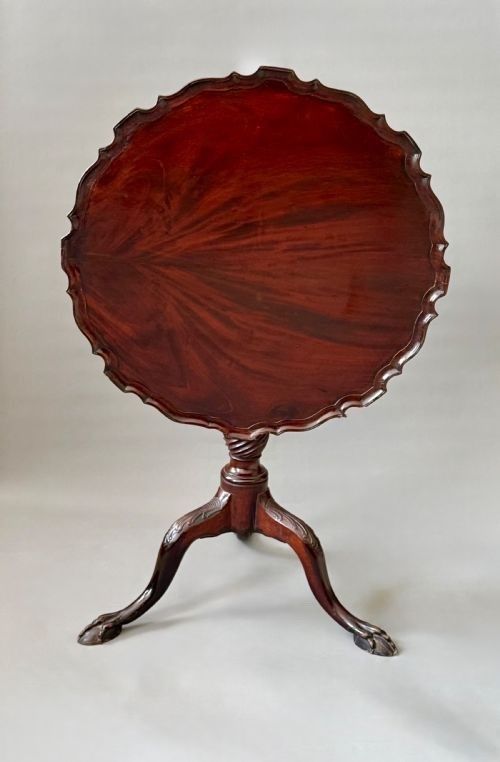
Many examples employ a tilt-top mechanism, sometimes featuring a birdcage block that allows the circular surface to rotate and fold flat when not in use. Edges are frequently carved with a shaped piecrust profile, requiring skilled hand carving along the perimeter of the tabletop.
Chippendale Mahogany Wine Table Retail Price Guide 2026
Typical asking prices for chippendale mahogany wine table among the pieces listed under this phrase on Sellingantiques today, from the lower quarter to the upper quarter. They describe what is for sale here now, not the wider market.
Some tabletops tilt so sharply they double as impromptu shields against overly enthusiastic parlour games.
Judging Quality and Execution
Quality rests in the crispness of the carving upon the tripod knees and the proportion between the top and the pedestal base. Eighteenth-century pieces demonstrate superior hand-cut joinery and aged patination on the timber surfaces compared to later revival versions. The integration of a functional birdcage mechanism reflects higher complexity in construction.
The weight and stability of the tripod legs determine the structural integrity of the table. Fine examples exhibit tight joints in the pillar attachment and careful matching of the mahogany grain across the circular top.
The Chippendale Mahogany Wine Table Glossary
- Piecrust edge
- A raised, decorative carved rim around the circumference of a tabletop, resembling pastry work. This feature requires precise hand shaping by the cabinetmaker.
- Tilt-top
- A tabletop construction that pivots on hinges to rest vertically against the central column. This mechanism allowed the table to be stored against a wall when not in use.
- Birdcage
- A wooden framework beneath the tabletop that permits the surface to both pivot and rotate. It is a sign of intricate joinery in tripod tables.
- Tripod base
- A support structure comprising three spreading legs attached to a central pillar. It provides stable footing on uneven floors.
- Kettlestand
- A small antique table designed specifically to hold a heavy kettle or urn. These pieces share the raised edges and compact proportions of wine tables.
Chippendale Mahogany Wine Table: Frequently Asked Questions
What is a birdcage mechanism?
The birdcage is a clever rotating and tilting wooden frame located directly beneath the tabletop. It allows the surface to spin horizontally and fold down vertically.
This construction was favoured in eighteenth-century workshops to save space when the tables were cleared away between gatherings.
How do I date these tables?
Dating relies on examining the construction marks, timber density, and carving style. Eighteenth-century pieces show hand-cut joins and rich patination developed over long periods.
Revival pieces from the Edwardian era or the nineteen-thirties often utilise machine assistance or standardised fixings while imitating earlier Georgian fashions.
Where should I place a wine table?
These compact pieces fit easily beside armchairs, sofas, or in tight corners as functional accent surfaces. Their small footprint makes them ideal for holding lamps or small decorative items.
Because many tops tilt, you can position them flat against a wall to display the carved grain when not in active use.
Why do some tops have raised edges?
The raised rim, known as a piecrust edge, prevents glasses, bottles, or teacups from sliding off the circular surface. Carving this continuous shaped border demanded high skill from the woodworker.
It distinguishes finer occasional and tea tables from plain flat-topped surfaces.