
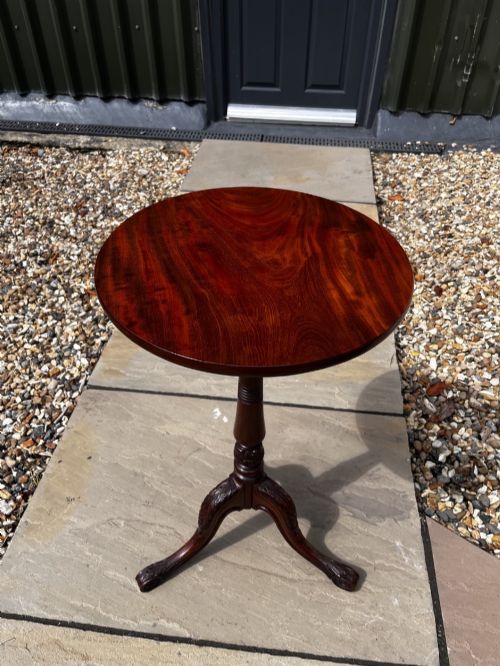
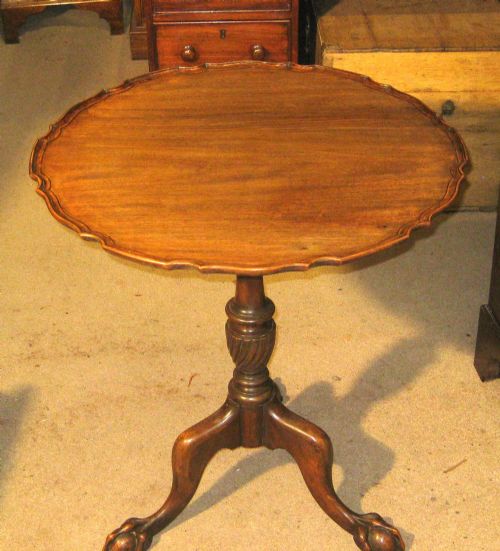


Chippendale Mahogany Tripod Table
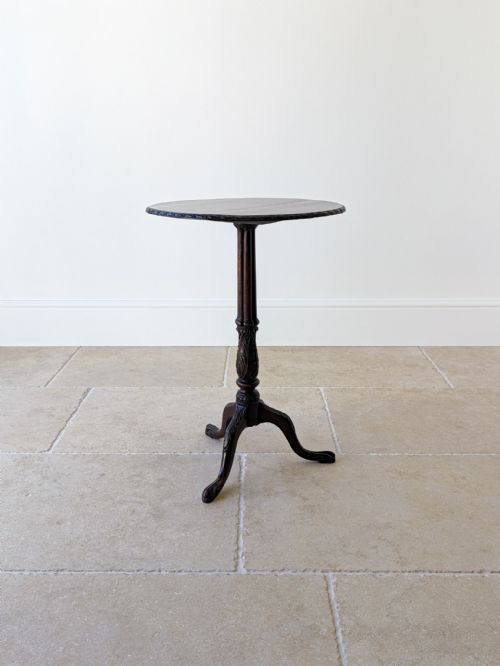
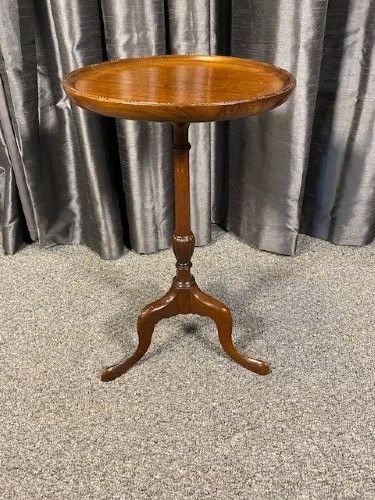
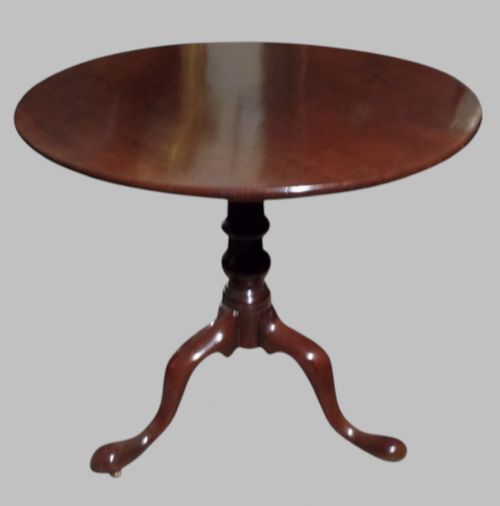
A chippendale mahogany tripod table combines a pivoting top, a slender pillar and three legs into a neat pedestal form designed for tea, wine or display.
Chippendale Mahogany Tripod Table
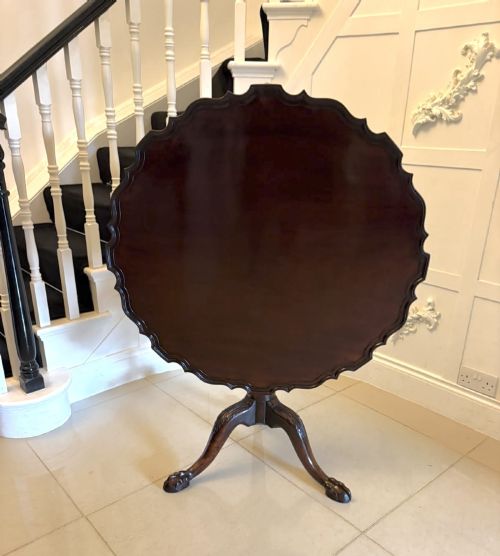
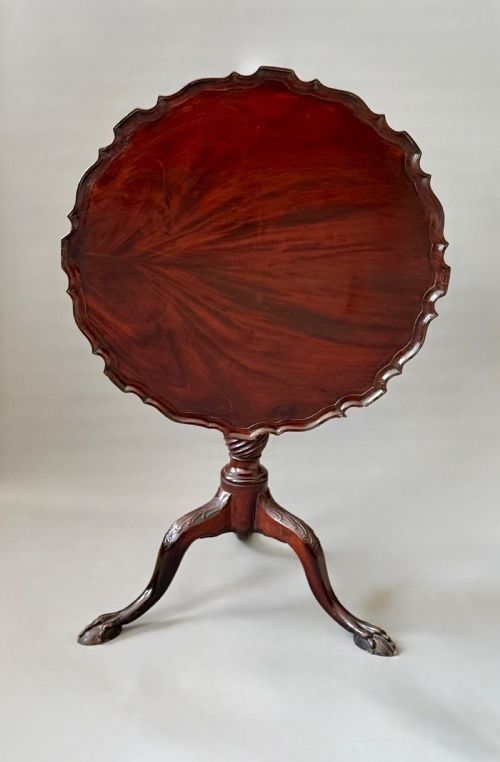
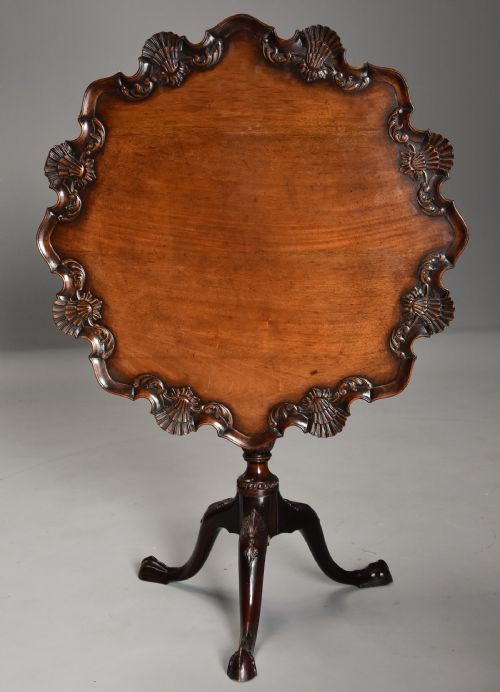
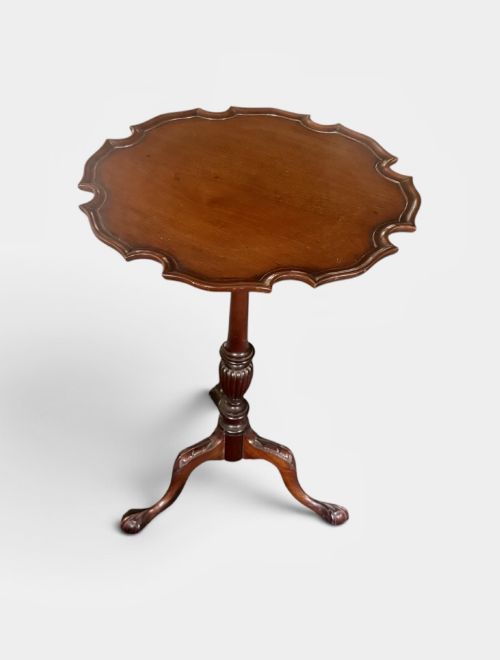
A chippendale mahogany tripod table is a compact pedestal piece featuring a circular, oval, octagonal or square top supported by a central column resting on three legs. The category spans genuine 18th-century Georgian originals from the Chippendale period alongside later revival iterations made in the 19th and early 20th centuries.
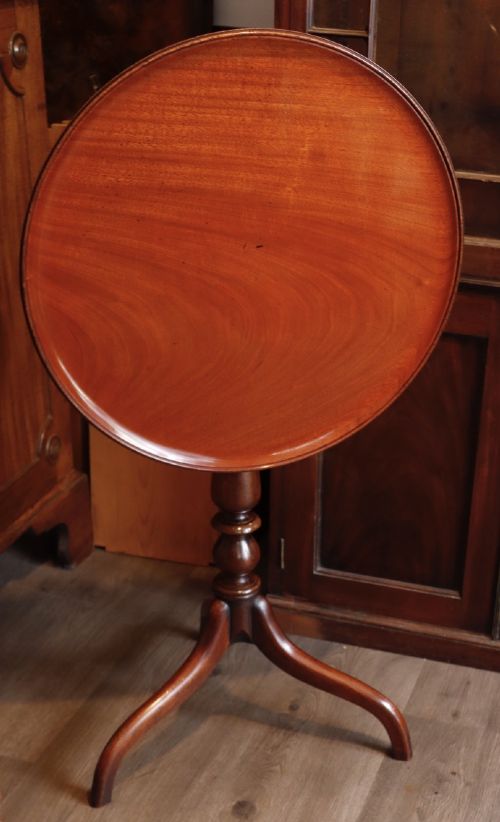
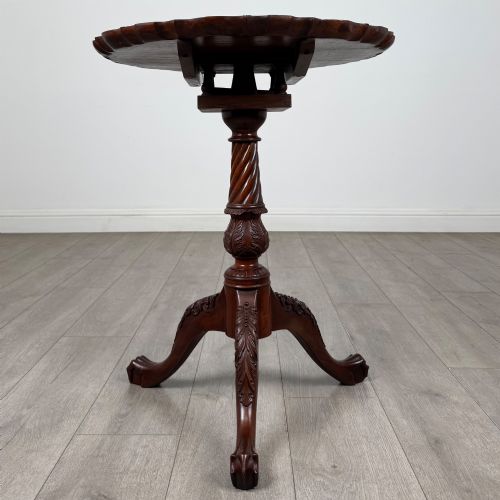
The form appears in various domestic guises across the listings, operating as an occasional table, wine table, tea table, kettlestand, or tilt-top dining centre table. Many examples include a clever birdcage mechanism beneath the surface, allowing the top to rotate and tip flat for storage when not in use.
How they were made
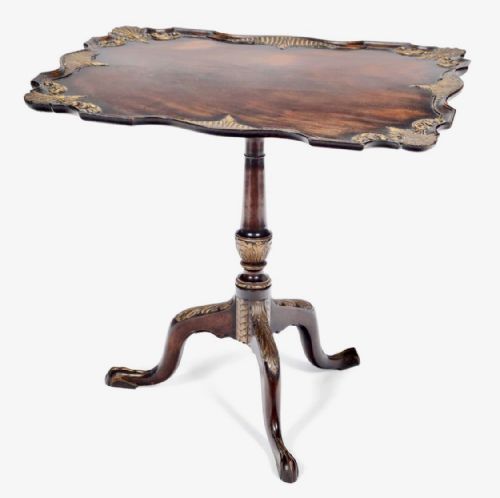
Cabinet makers constructed these tables primarily from solid mahogany or Cuban mahogany, sometimes employing flame mahogany veneer for decorative surface grain. Selected examples incorporate parcel gilt highlights, alongside structural elements in oak, iron or brass.
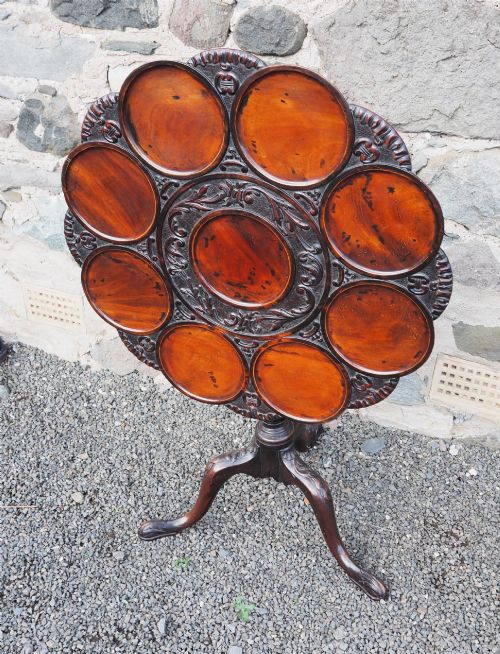
Carving defines the Chippendale aesthetic, with artisans embellishing the tripod legs, shoulders and shaped rims with restrained detail or elaborate motifs. The timber was worked to achieve a smooth finish, often revealing a rich natural patina through careful polishing.
Some tables feature a birdcage mechanism so eager to swivel that the top spins like a sleepy carousel at the lightest touch.
What varies in quality
Quality rests heavily on the crispness of the carving upon the knees and feet, the proportion of the pillar, and the selection of the mahogany timber. Superior examples exhibit tightly figured wood, balanced proportions, and well-executed joinery within the underlying birdcage mechanism.
Pieces originating from the 18th-century Georgian period command attention for their original patina and period construction methods, whereas revival pieces from the 19th and 20th centuries vary according to the fidelity and skill of the workshop that produced them.
The Chippendale Mahogany Tripod Table Glossary
- Tripod table
- A small freestanding table supported by a central pillar on three legs. This configuration prevents wobbling on uneven floors.
- Tilt-top table
- A table equipped with a hinged mechanism allowing the top to pivot upright. This design enabled servants to store the piece against a wall when the room was cleared.
- Birdcage mechanism
- A revolving wooden frame fitted beneath the table top. It permits both rotation and tipping actions.
- Piecrust edge
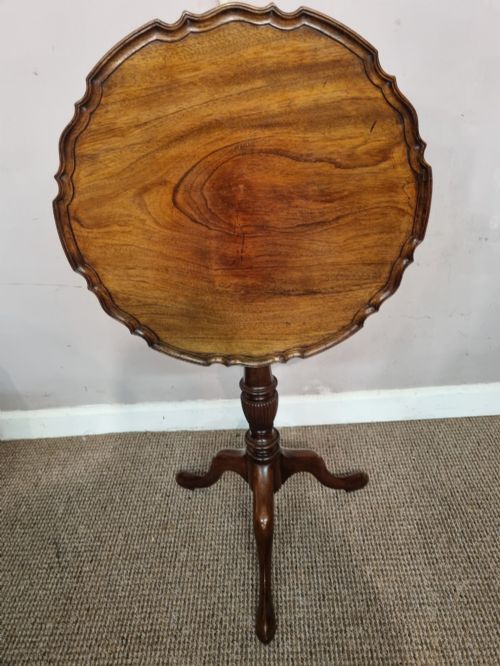
- A decorative raised rim carved into a serpentine outline resembling pastry edges. It kept cups and vessels from sliding off during use.
- Kettlestand
- A small, diminutive tripod table created specifically to hold a tea kettle. These stand noticeably lower than standard tea tables.
Chippendale Mahogany Tripod Table: Frequently Asked Questions
What was a tripod table used for?
These pieces served versatile roles in domestic interiors as mobile surfaces for tea, wine or reading materials. Their lightweight structure made them easy to move near a hearth or window as needed.
During the evening, the tilt-top function allowed the table to be moved out of the way against a wall. This utilitarian adaptability explains their enduring popularity in historic and modern homes alike.
How do I spot an 18th-century original?
Authentic 18th-century pieces display period construction methods, traditional joinery, and timber characteristics typical of Georgian workshops. The mahogany often exhibits a deep, rich patina developed over centuries of handling and polishing.
By contrast, revival pieces made in the Victorian, Edwardian or 19th-century periods utilise machine-sawn components or show different wear patterns underneath the top and around the birdcage pivot.
What is a birdcage mechanism?
The birdcage is an ingenious wooden assembly of small vertical spindles and a rotating collar positioned directly beneath the table top. It connects the surface to the central pillar.
This construction enables the top to spin horizontally 360 degrees and tip vertically downward. It represents a hallmark of finer Georgian cabinet making.
Where should I place one in my home?
A tripod table fits comfortably beside a sofa, armchair or in an empty corner where a full-sized table would prove too bulky. The small footprint makes them ideal for resting a lamp, glass or book.
When fitted with a tilt-top or birdcage mechanism, displaying the surface upright against a wall turns the folded table into a decorative panel when floor space is required.