


Chippendale Lamp Tables
Chippendale lamp tables bring enduring elegance to any room, offering both practical surface space and classic craftsmanship that collectors prize.
Chippendale Lamp Tables
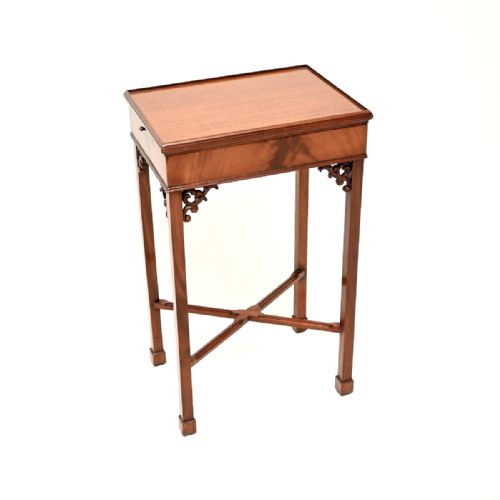
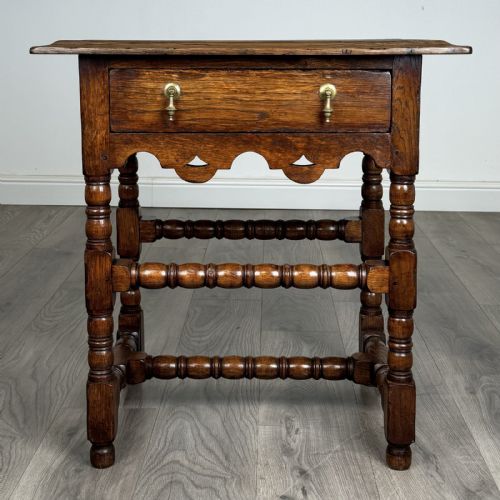
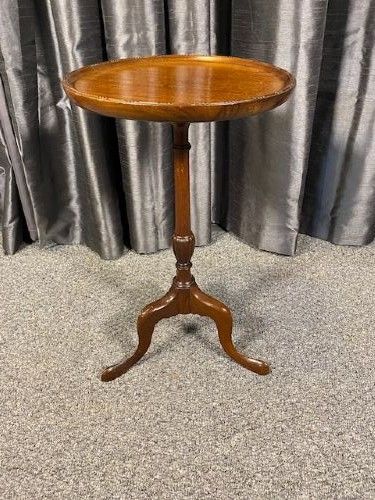
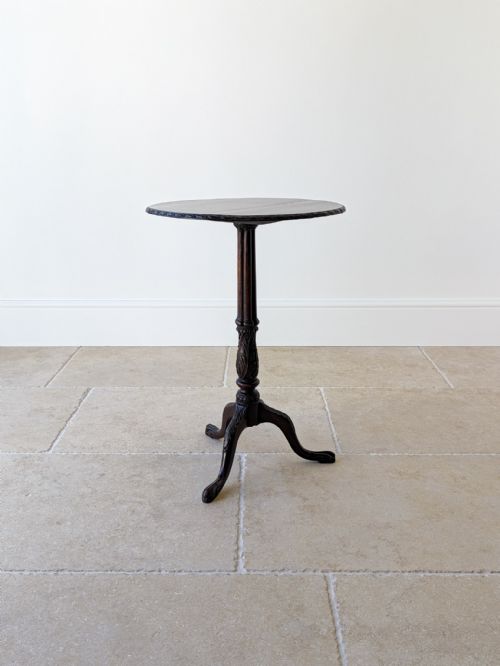
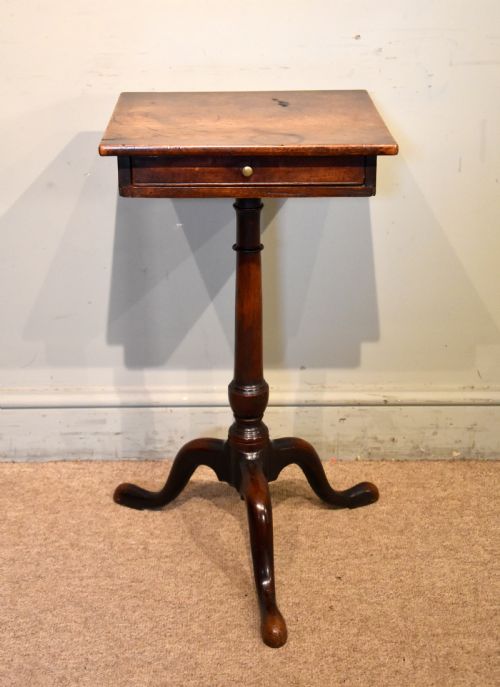
When you examine chippendale lamp tables on this page, you encounter pieces originating from the eighteenth century through to the Edwardian era and the early twentieth century. These small occasional forms serve practical roles beside seating or in corners, functioning variously as wine tables, tray-top cabinets, kettle stands, and side tables.
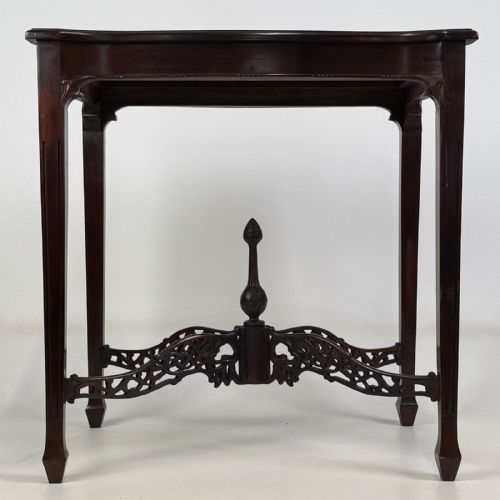
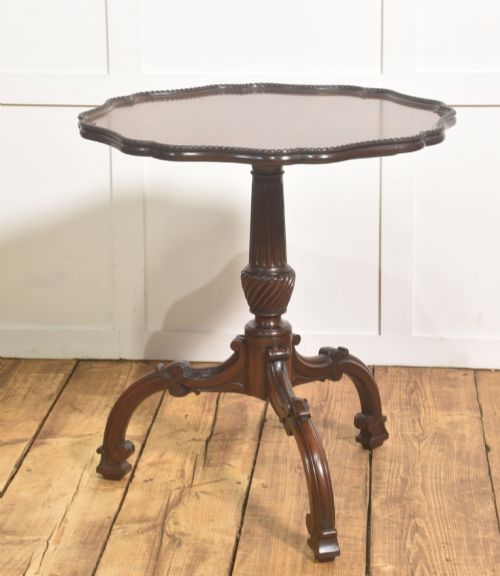
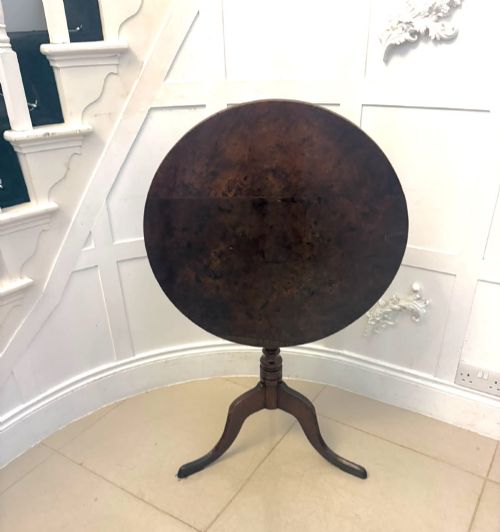
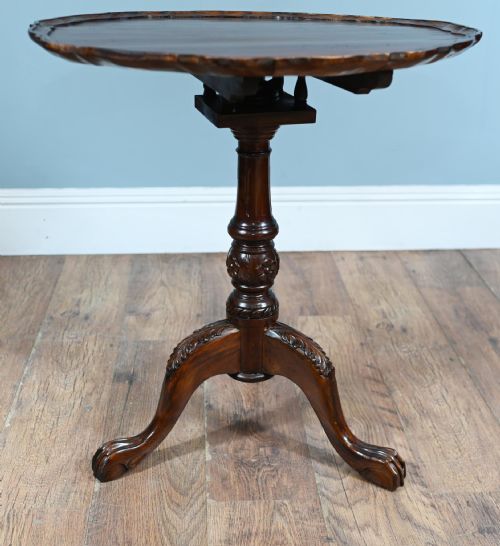
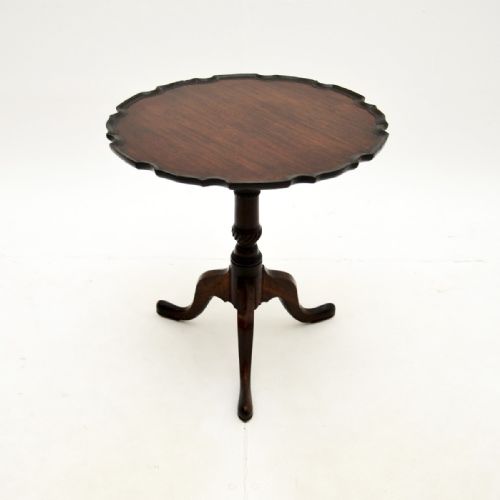
The selections you meet most frequently belong to the Chippendale revival and Georgian revival styles, alongside genuine eighteenth-century examples. Makers constructed these tables in diverse shapes including round, oval, heart-shaped, and serpentine formats, often incorporating tripod bases with tilt-top mechanisms or fixed stretcher supports.
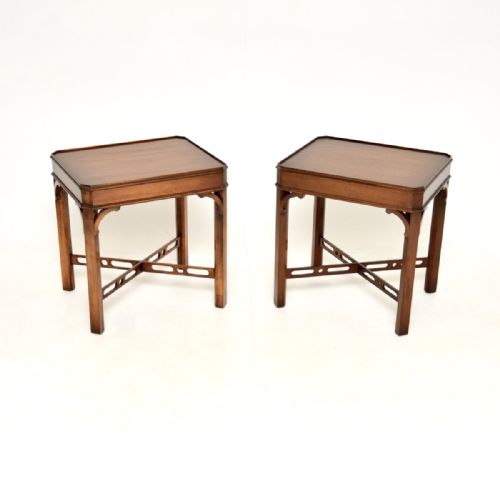
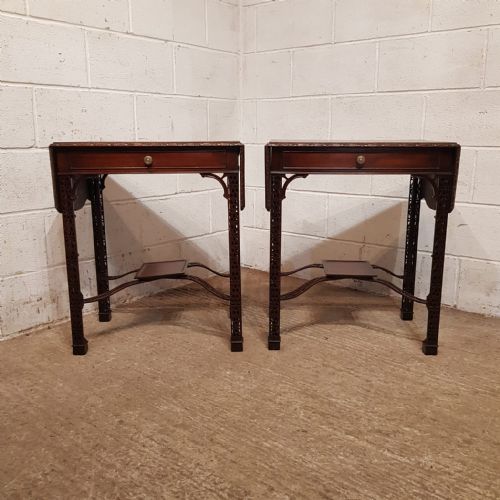
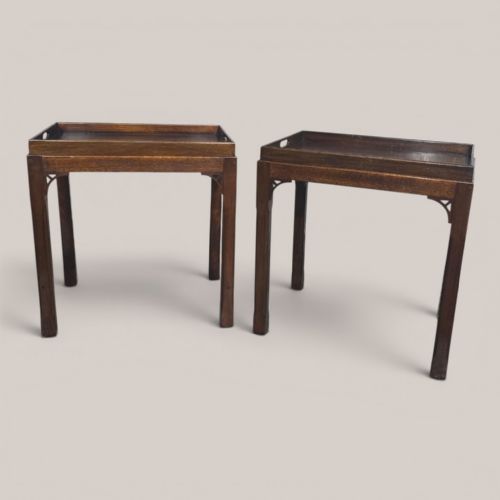
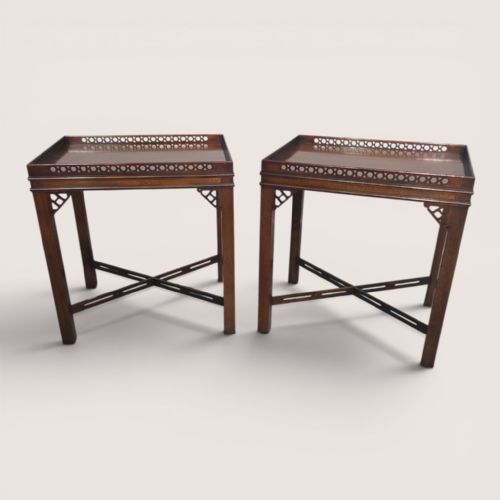
Origins span English workshops alongside Irish and Chinese Chippendale-style adaptations. You discover pieces rendered as singular items, matching pairs, and two-tier configurations designed to fit compact interior spaces.
Materials and Construction
Makers relied primarily on mahogany, oak, and burr oak, often selecting figured walnut for specific decorative surfaces. Carpenters shaped these timbers into solid tops or applied detailed veneers, pairing them with turned or carved structural elements.
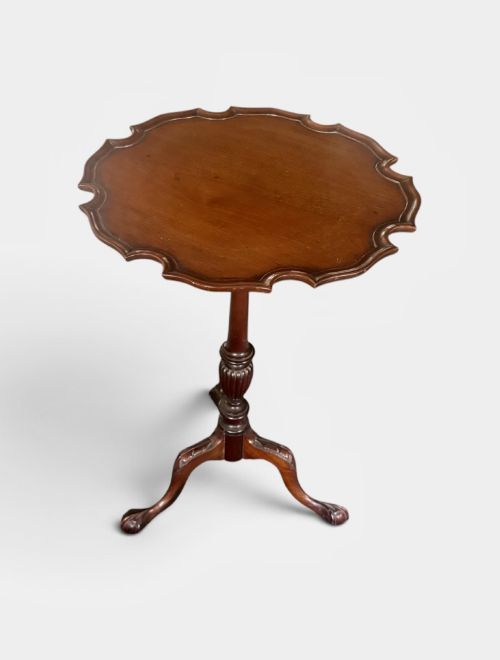
Construction techniques involve precision joinery, including bobbin-turned legs, carved stretchers, and tripod configurations with shaped pie crust rims. Workshops occasionally integrated supplementary media such as brass hardware, marble inserts, gold leaf, and onyx tops to elevate the visual impact of the furniture.
Chippendale Lamp Tables Retail Price Guide 2026
Typical asking prices for chippendale lamp tables among the pieces listed under this phrase on Sellingantiques today, from the lower quarter to the upper quarter. They describe what is for sale here now, not the wider market.
Materials recorded across current inventory include solid walnut, burr oak, brass, marble, gold leaf, and onyx.
Distinctions in Quality
The calibre of a piece depends heavily on the crispness of its wood carving and the selection of timber grain, such as figured walnut or burr oak. Superior examples display balanced proportions, fine joinery in the tripod or stretcher base, and harmonious integration of decorative details like shaped rims.
Authenticity of period materials and the retention of original surfaces separate exceptional items from later revival interpretations. The finesse executed in turning legs and securing detachable or tilt-top mechanisms distinguishes master workshops from standard production.
S & H Jewell London
The Chippendale Lamp Tables Glossary
- Chippendale revival
- A style popular in the nineteenth and early twentieth centuries that reinterprets eighteenth-century designs. Craftsmen emulated the distinctive carved motifs and proportions associated with Thomas Chippendale's pattern books.
- Tripod table
- A small occasional table supported by a pillar above three spreading legs. These pieces often feature tilt-top mechanisms for convenient storage.
- Pie crust rim
- A raised, scalloped edge carved along the perimeter of a table top. This decorative shaping resembles traditional pastry crusts.
- Tilt-top
- A hinged tabletop mechanism allowing the surface to fold vertically when not in use. This design saved space in historic interiors.
- Stretcher
- A horizontal support connecting the legs of a table to increase stability. Revival pieces frequently carved these members with decorative patterns.
Chippendale Lamp Tables: Frequently Asked Questions
How were these tables originally used?
Historically, households placed these compact stands beside seating areas to support candlesticks, lamps, wine decanters, or tea equipment. Their portable nature allowed servants to move them easily around rooms as needed.
Tilt-top variants permitted the surfaces to be folded flat against walls when space was required for other activities.
How do I identify an eighteenth-century piece?
Distinguishing eighteenth-century examples from later Edwardian revival items involves examining timber patina, tool marks, and construction wear. Early pieces display hand-cut joinery and natural ageing consistent with age.
Revival furniture often exhibits machine-cut precision and cleaner surfaces typical of late Victorian and twentieth-century manufacturing.
Where should I place a lamp table?
These versatile tables fit well beside armchairs, sofas, or in neglected corners that require a functional surface. Their compact dimensions make them suitable for smaller rooms or hallways.
Pairing matching tables on either side of a fireplace or sofa creates a balanced arrangement.