
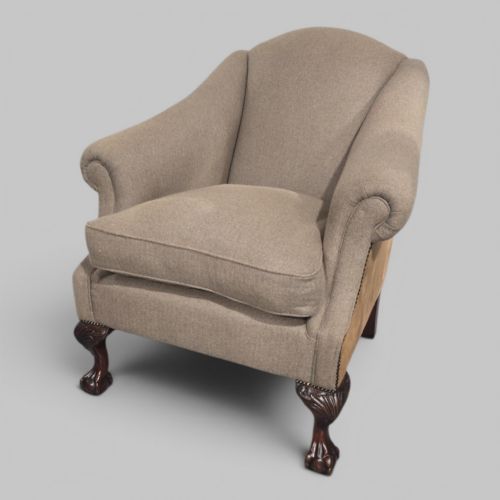

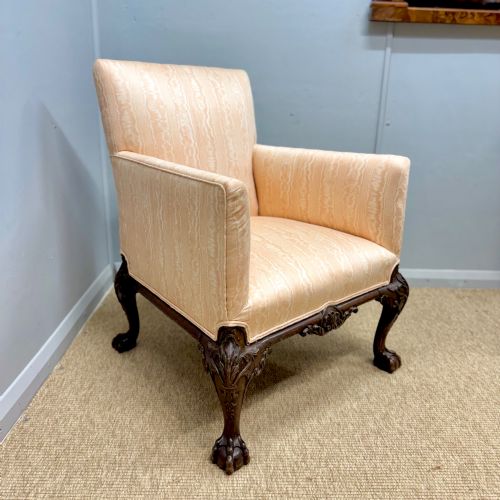


Chippendale Fireside Armchair
A chippendale fireside armchair offers deep-seated comfort rooted in centuries of mahogany framing and traditional upholstery.
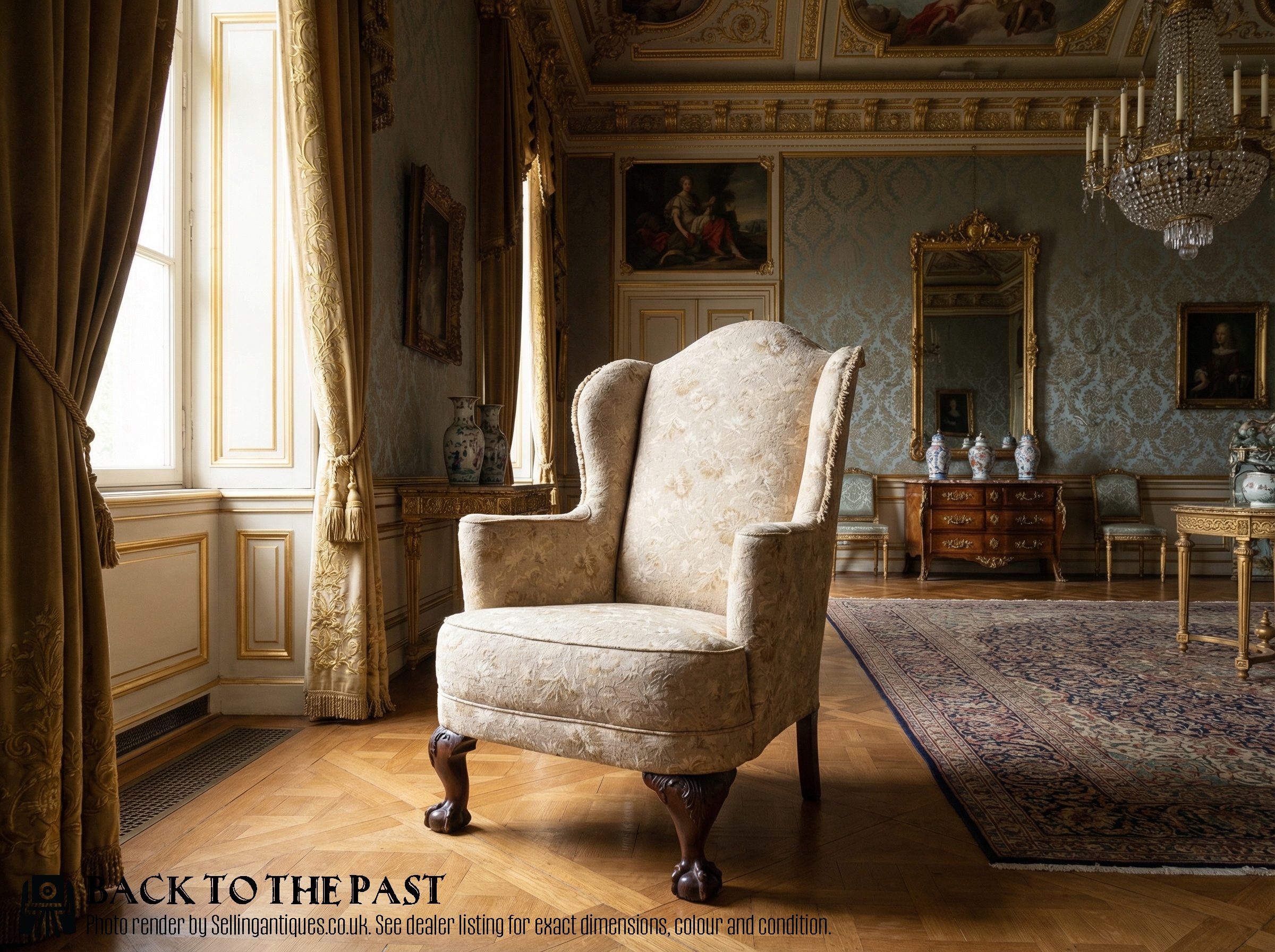
Chippendale Fireside Armchair
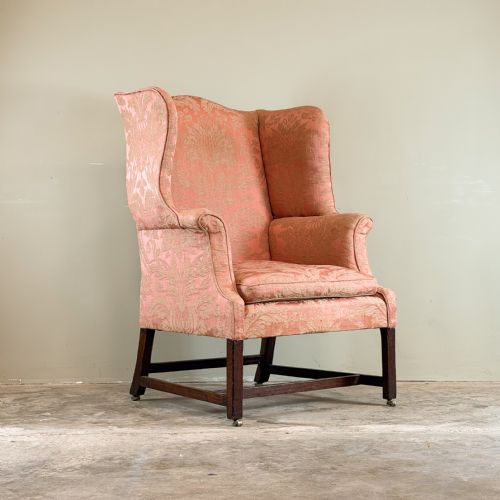
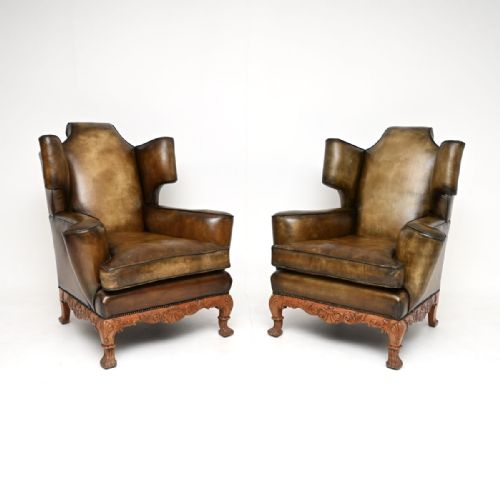
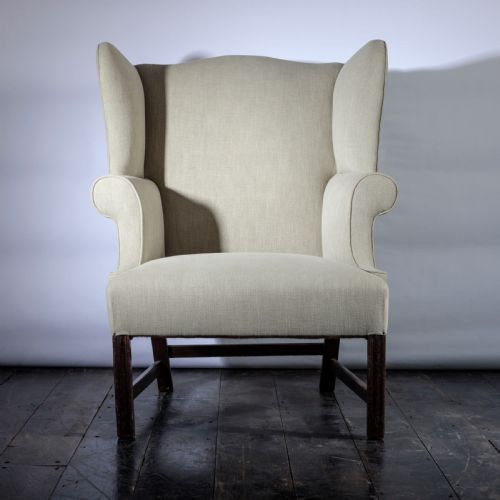
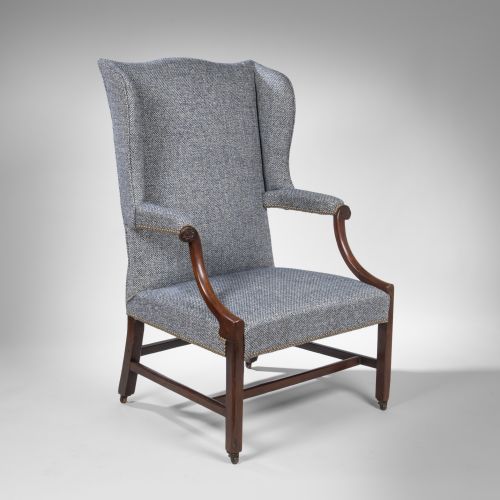
A chippendale fireside armchair is a substantial seating form designed to shield the sitter from draughts beside a hearth. The pieces on this page span the eighteenth century, the nineteenth century, and revival periods, showing both open armchair and wingback formats.
Most examples rely on mahogany frames, often paired with traditional coverings like leather, damask, velvet, or calico. Makers shaped these chairs with high backs and enveloping wings to hold warmth close to the body during colder months.
Georgian origins influence many of the designs seen here, alongside later nineteenth century revivals and twentieth century interpretations. The proportions remain generous, intended for parlour, library, and drawing room settings.
Materials and Construction
Makers built the structural framework using solid timber, predominantly mahogany, selected for its strength and ability to hold intricate hand-carved details. Cabriole legs, brass castors, and shaped arm supports were integrated directly into this timber skeleton.
Upholstery layers formed the bulk of the seating comfort, utilising heavy fabrics such as leather, velvet, and damask stretched over webbing and stuffing. Brass tacks frequently secured the outer edges of the textile covers to the wooden frame.
The selection includes both open armchairs and enclosed wingback formats dating from the eighteenth century to the twentieth century.
Judging Quality and Execution
The crispness of the hand-carving on the mahogany legs and frame dictates much of the visual distinction between examples. Finer pieces display deeply rendered motifs, balanced proportions, and careful joinery that remains rigid through centuries of use.
The selection of covering materials and the integrity of the internal stuffing influence the tactile weight of the chair. Original timber patination and untouched frame construction separate eighteenth-century originals from later revival interpretations.
The Chippendale Fireside Armchair Glossary
- Cabriole leg
- A furniture leg that curves outward at the knee and tapers inward toward the foot, frequently ending in a pad or claw shape. This form draws inspiration from animal limbs and appears widely on eighteenth-century seating.
- Wingback
- An upholstered chair featuring protective side panels attached to the arms and rising to frame the head. These extensions originally trapped heat from the fireplace and blocked chilly draughts.
- Calico stage
- An intermediary state of upholstery where a plain cotton fabric is applied over the webbing and stuffing before the final decorative textile is fitted. It allows the underlying shape of the chair to be assessed.
- Mahogany
- A durable tropical hardwood imported for high-end cabinet making during the Georgian era. Its rich reddish-brown tone and fine grain made it the preferred material for carved chair frames.
Chippendale Fireside Armchair: Frequently Asked Questions
How do I spot an eighteenth-century original?
Examine the timber construction beneath the upholstery and look for hand-cut joinery typical of the period. Eighteenth-century frames display distinct tool marks and dense mahogany patination absent in later revivals.
Compare the proportions and leg carving against documented examples from the same decade. Revival pieces from the nineteenth and twentieth centuries often feature heavier frames or machine-finished details.
Where should I place a wing armchair?
These chairs suit prominent positions beside a fireplace or in a spacious library where their high backs can anchor the room. Ensure there is enough surrounding floor space to appreciate the carved cabriole legs.
Keep them away from direct heat sources and strong sunlight to protect the timber frame and textile upholstery from drying out or fading over time.
How do I care for antique leather upholstery?
Clean the surface gently using a soft, dry cloth to remove dust from the crevices and button tufting. Avoid harsh chemical cleaners that can strip the natural oils from older hides.
Apply a suitable leather conditioner sparingly to maintain flexibility and prevent cracking. Keep the room humidity stable to preserve both the leather and the underlying timber frame.