



Chippendale Dresser
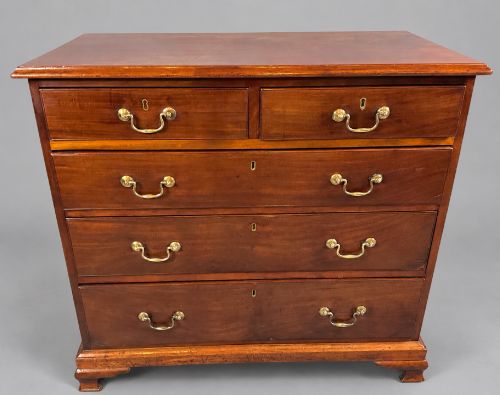
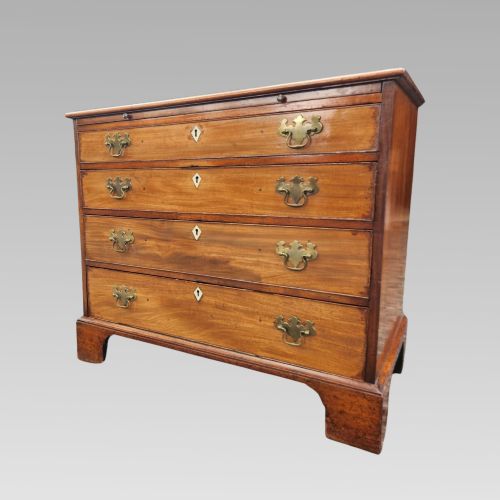
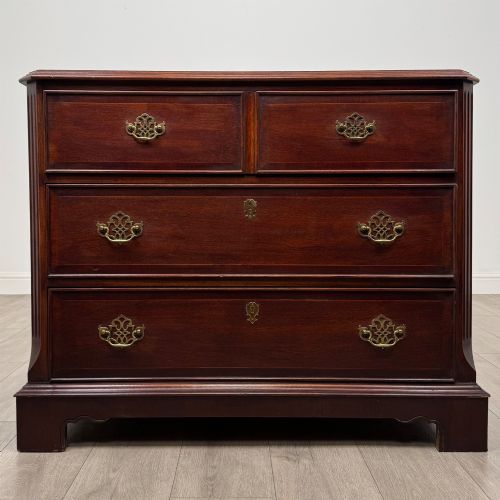
These mahogany pieces sold as a chippendale dresser are primarily 18th century and Georgian chests of drawers designed to anchor a room with serious timber.
Chippendale Dresser
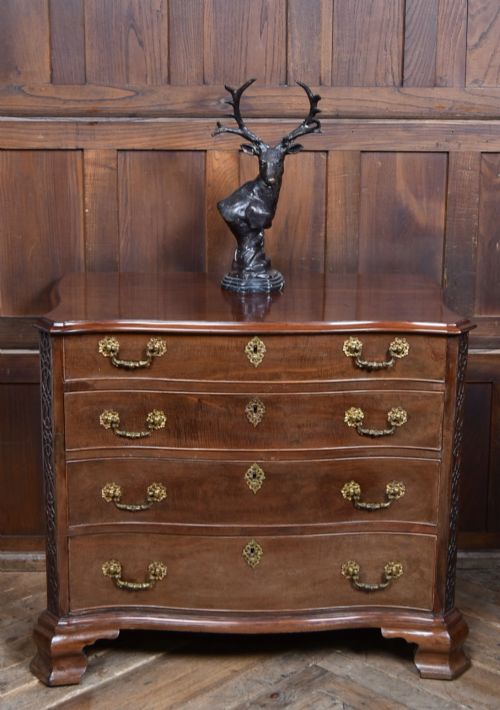
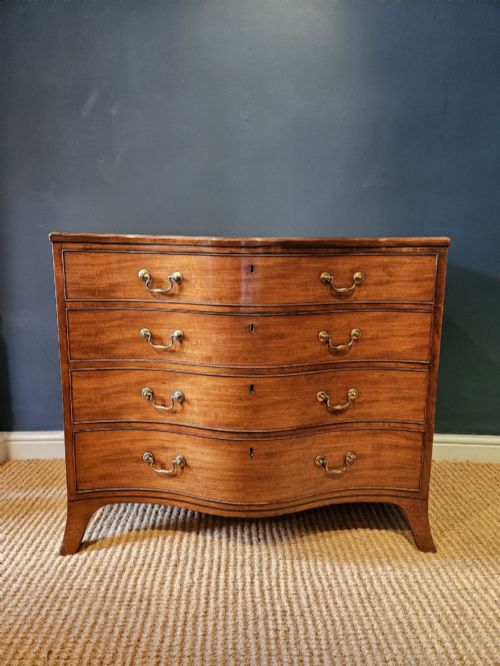
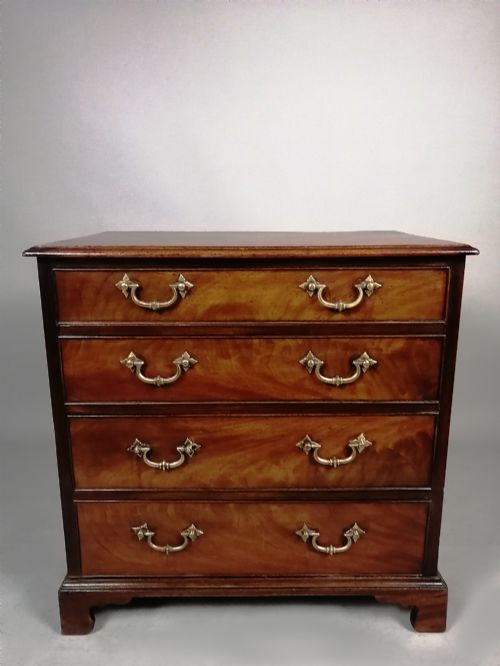
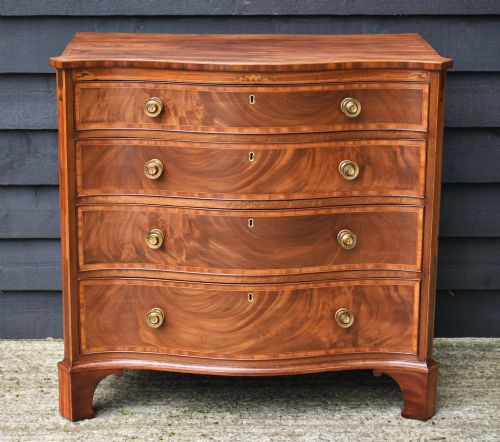
When buyers search for a chippendale dresser, they are looking at case furniture spanning the 18th century, Georgian period, and later revivals. The listings here consist primarily of chests of drawers, chest on chest forms, and dresser bases rather than plate racks.
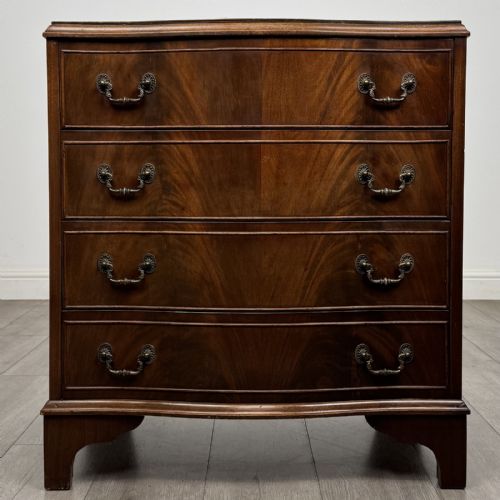
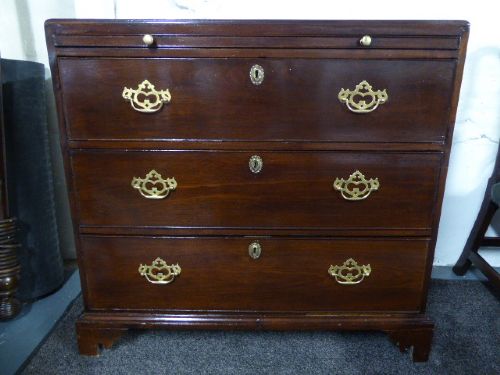
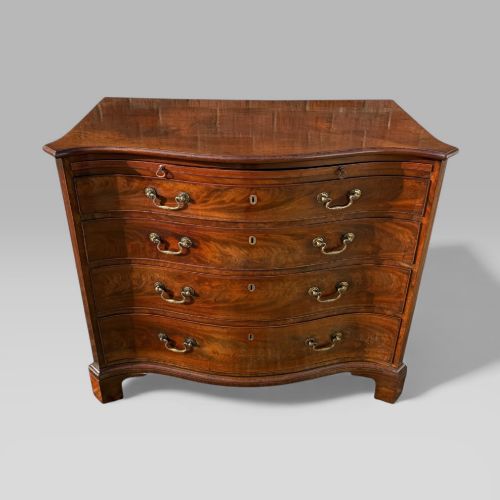
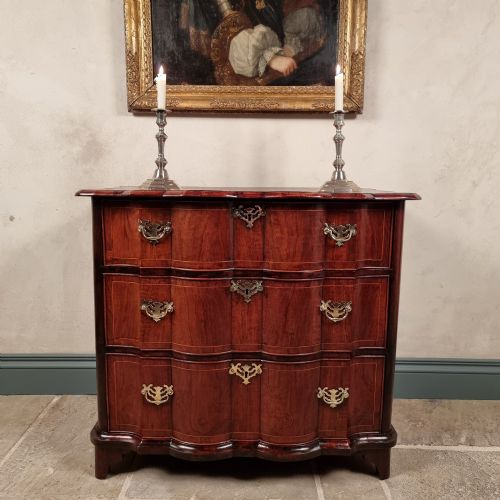
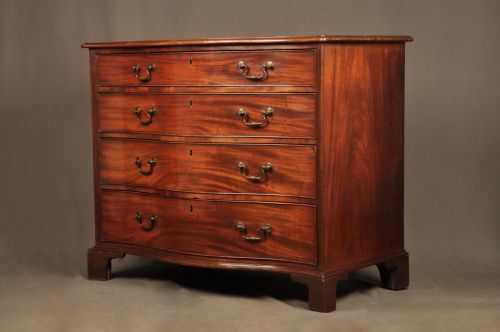
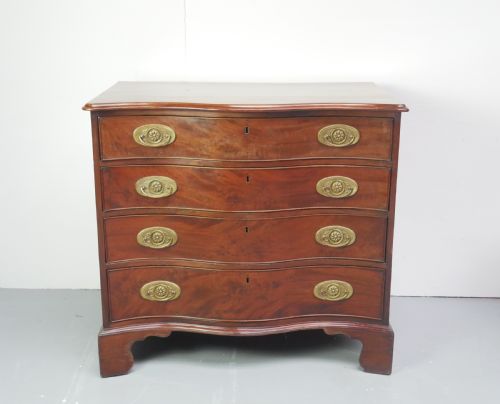
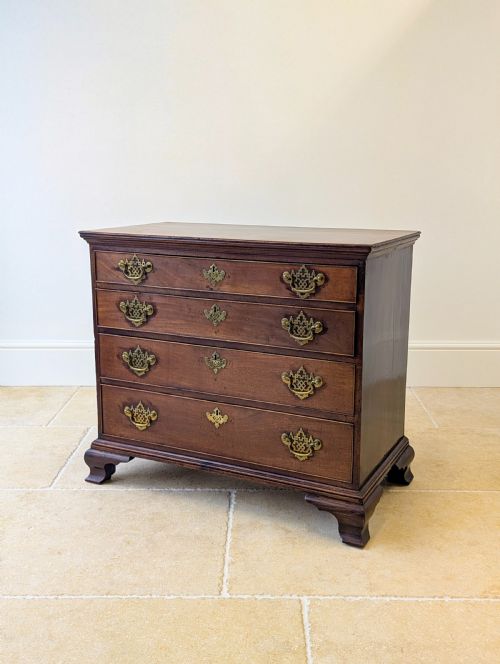
The most common forms on this page include mahogany chests of drawers with serpentine fronts, straight fronts, and integrated brushing slides. Pieces range from mid-18th century period items to later Edwardian and 1920s revivals.
Origins heavily reflect British cabinetmaking traditions alongside American colonial revival interpretations. Timber choices such as Cuban mahogany and red walnut give these forms their characteristic weight and presence.
Materials and construction
Cabinetmakers relied on dense timbers, predominantly mahogany and Cuban mahogany, supplemented by oak for internal drawer linings and pine for secondary framing. Rich grains were selected to handle deep carving and polished finishes.
Secondary materials such as brass for handles and escutcheons, alongside boxwood inlay, define the decorative vocabulary. Structural integrity relied on dovetailed drawer construction and robust framing rather than exterior fasteners.
Chippendale Dresser Retail Price Guide 2026
Typical asking prices for chippendale dresser among the pieces listed under this phrase on Sellingantiques today, from the lower quarter to the upper quarter. They describe what is for sale here now, not the wider market.
Several pieces preserve hidden pull-out slides originally meant for brushing velvet waistcoats.
Separating the grades
The distinction between ordinary and exceptional pieces rests in the handling of timber and proportion. Crisp serpentine shaping on drawer fronts requires precise execution from the cabinetmaker, whereas softer contours indicate lesser care.
Original brass hardware, uncompromised secondary woods, and the survival of functioning brushing slides elevate an example. Integration of period-appropriate details like ball and claw feet separates high-end workshop output from standard production.
The Chippendale Dresser Glossary
- Brushing slide
- A pull-out shelf positioned above the top drawers used historically for folding clothes or grooming.
- Serpentine front
- A cabinet face curved outward at the centre and inward at the sides in an undulating wave.
- Chest on chest
- A tall case piece comprising a smaller chest stacked atop a larger base section, also known as a tall-boy.
- Crossbanded
- A decorative border technique where veneer strips are laid perpendicular to the grain of the primary surface.
- Escutcheon
- A protective brass plate surrounding a keyhole that prevents timber wear from repeated use.
Chippendale Dresser: Frequently Asked Questions
What is a chippendale dresser?
A chippendale dresser typically refers to 18th century and Georgian chests of drawers influenced by Thomas Chippendale's published designs. These pieces feature solid mahogany construction, elegant proportions, and classical detailing.
Buyers searching this term encounter everything from mid-Georgian originals to later revival interpretations made in the 19th and 20th centuries.
How do I use a brushing slide?
The pull-out slide located beneath the top moulding serves as a temporary surface. Historically, gentlemen utilised this ledge for brushing garments or writing notes.
In modern rooms, it functions well as an occasional shelf when organising items or displaying small decorative objects.
Are these pieces made of solid mahogany?
Most pieces utilise solid mahogany for primary surfaces, drawer fronts, and frames. Cabinetmakers often employed Cuban mahogany for its density and rich grain patterns.
Secondary woods like oak and pine appear inside drawer linings and backboards for structural stability.
How do I date a Georgian chest?
Dating relies on examining construction methods, timber choice, and hardware styles. Hand-cut dovetails, secondary wood types, and original brasses help establish whether a piece is period 18th century or a later revival.
Serpentine fronts and ogee bracket feet also point toward specific decades within the Georgian era.