


Chippendale Chest Stand
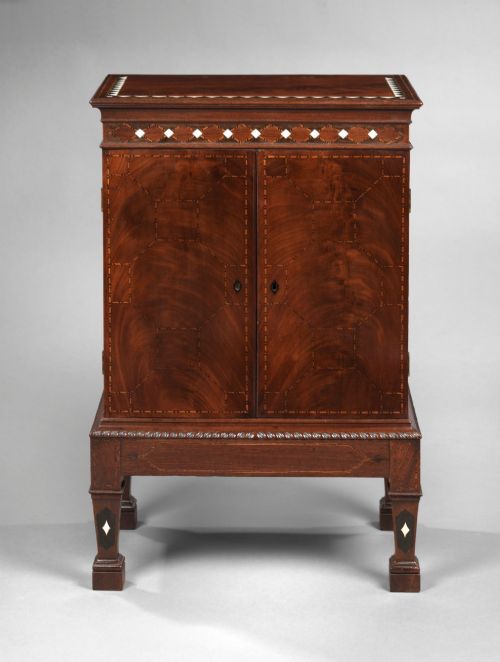
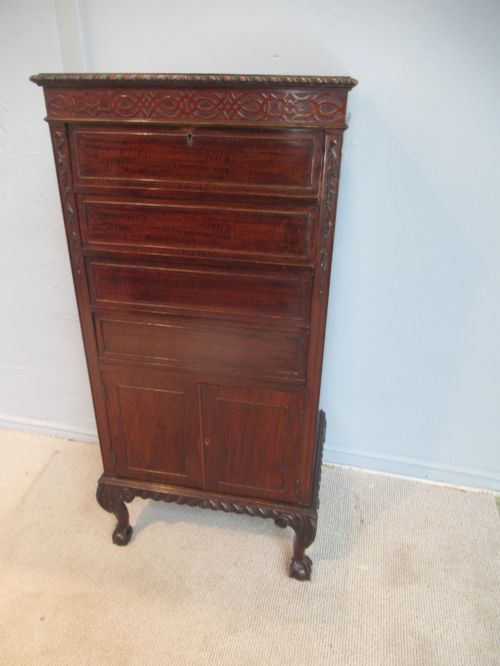
A chippendale chest stand combines refined cabinetry with elevated storage, and here you find mahogany examples from the eighteenth century to the revival eras.
Chippendale Chest Stand
When you search for a chippendale chest stand, you encounter a mix of genuine eighteenth-century pieces and later revival interpretations spanning the Edwardian era and the early twentieth century. These hybrid forms combine drawer storage or cabinet compartments with raised legs, drawing on distinct stylistic traits from Georgian furniture design.
The selection on this page ranges from tall highboys and collector's cabinets to lowboys, bedside cabinets, and silver chests on stands. You are most likely to meet mahogany versions featuring stylistic flourishes such as serpentine fronts and intricate carving, reflecting both authentic period production and later craftsmanship.
Origin and period vary significantly across the inventory, touching upon Georgian craftsmanship as well as American Philadelphia style and Chinese Chippendale influences. Each variation offers a different take on the raised storage concept, whether designed for music files, cutlery, or general household storage.
Materials and construction
Mahogany serves as the primary wood across the evidence, providing the structural integrity and rich grain required for elaborate carving and fine cabinet work. Workshops utilised this dense timber alongside secondary woods to build robust drawer structures and supporting stands.
Brass hardware and bone inlay frequently accent these pieces, adding functional pulls, escutcheons, and decorative contrast to the dark mahogany surfaces. Line inlay also appears on specific revival and regional examples, defining panel edges and structural lines.
Carving techniques define the decorative vocabulary, from classical Georgian motifs to the specific details seen on serpentine fronts and highboy cornices. Cabinetmakers shaped solid timber and applied precise joinery to mount upper chests securely onto their respective stands.
The listings encompass items spanning the eighteenth century, the nineteenth century, and twentieth-century revival periods including Edwardian interpretations.
Evaluating quality and execution
The distinction between top-tier examples and simpler pieces lies in the crispness of the carved detail and the sophistication of the timber selection. Finer pieces demonstrate superior depth in their carved mouldings and seamless integration between the upper chest and the supporting stand.
The presence of secondary materials such as bone inlay or quality brass hardware elevates an item's decorative ambition. Furthermore, the fidelity to historical periods, whether authentic eighteenth-century production or careful Edwardian revival work, shapes the overall character of the furniture.
Walker Hall Sheffield·Muirhead Moffat Co
The Chippendale Chest Stand Glossary
- Highboy
- A tall chest of drawers consisting of a double-section unit where an upper chest sits upon a lower frame with legs. This form provides substantial vertical storage while maintaining an elevated silhouette.
- Lowboy
- A small, low dressing table or storage chest supported on four relatively long legs, typically featuring one or more rows of drawers. It serves a functional role as a compact storage piece.
- Serpentine
- A furniture front curved with a convex centre flanked by concave sides, creating an undulating wave effect. This contour demands advanced woodworking skill to execute properly.
- Inlay
- A decorative technique where contrasting materials such as bone or lighter wood are embedded into recesses within the primary wood surface to form patterns or lines.
- Chippendale Style
- A design classification inspired by the eighteenth-century London cabinetmaker Thomas Chippendale, encompassing carved ornamentation, cabriole legs, and rococo or Chinese influences.
Chippendale Chest Stand: Frequently Asked Questions
What is a chippendale chest stand?
A chippendale chest stand is a raised storage piece featuring a drawer cabinet or chest mounted upon an elevated frame or legs. These items draw on eighteenth-century design principles.
They appear in various forms, including highboys, lowboys, and specialised cabinets for silver or music, spanning both original Georgian periods and later revival eras.
How do I date a chest on stand?
Dating relies on examining the timber species, construction methods, hardware, and stylistic indicators such as carving depth and inlay techniques. Eighteenth-century pieces differ from twentieth-century revivals in their internal construction and wear patterns.
Reference points include Edwardian adaptations, nineteenth-century American regional styles, and genuine period pieces from seventeen-fifty.
Where were these pieces used?
These elevated chests functioned primarily in principal rooms of grand houses, serving as specialised storage for valuables, cutlery, or personal documents. Their decorative stands ensured they were displayed visibly rather than hidden away.
Today, similar pieces adapt well to living rooms, bedrooms, or hallways as statement storage units that hold lamps, books, or collections.
How do I live with mahogany furniture?
Mahogany furniture requires stable indoor humidity and protection from direct sunlight to preserve the rich tone of the timber and prevent the wood from drying out or warping. Regular gentle dusting maintains the polished surface.
Avoid placing these items near direct heat sources, and handle brass hardware and inlaid sections with care during cleaning.