

Chippendale Carved Back Chair
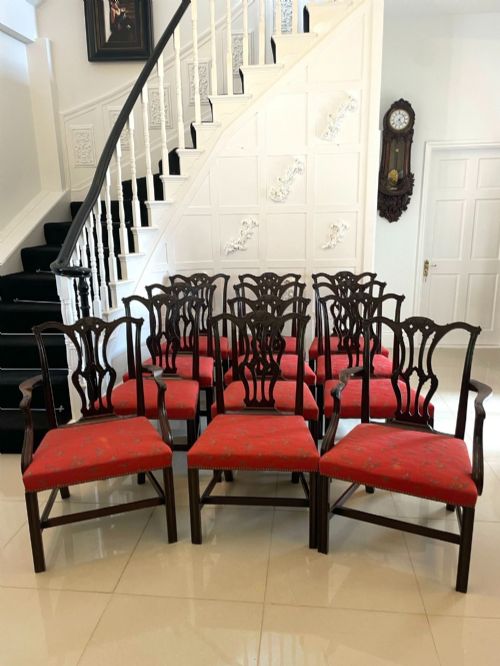
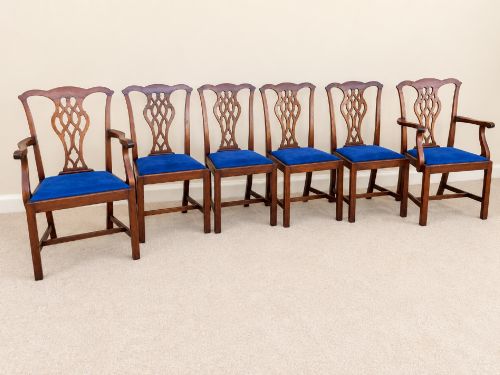
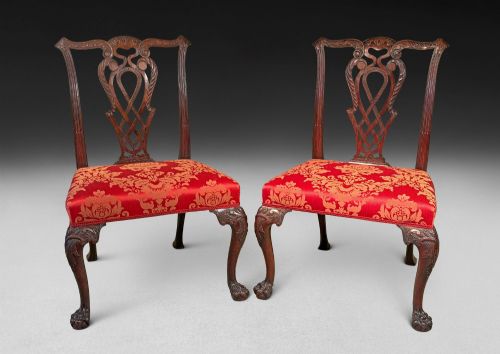
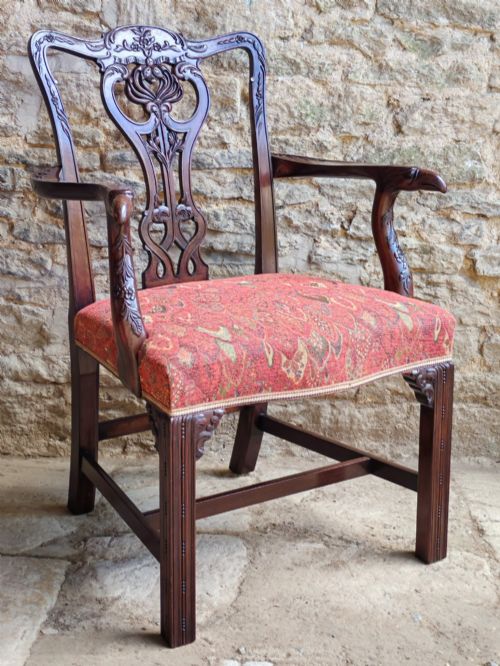
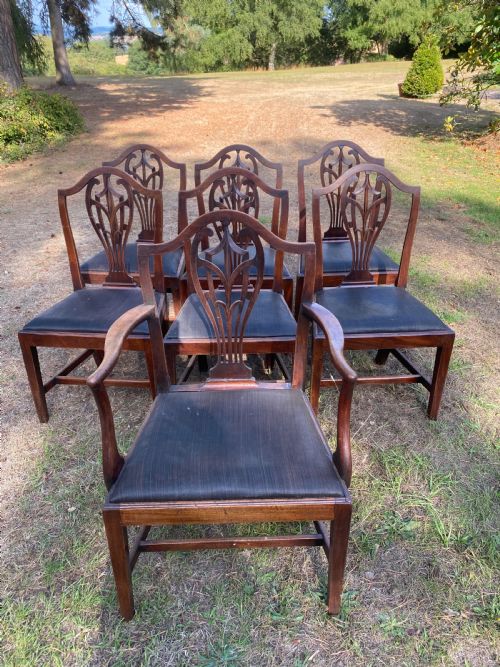
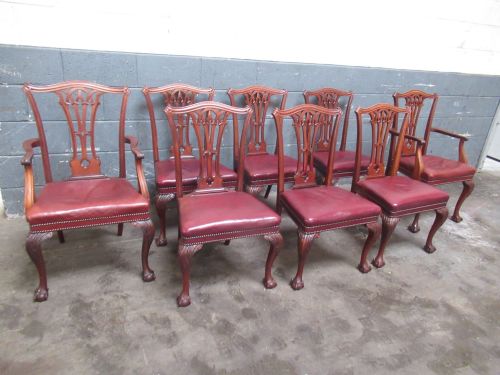
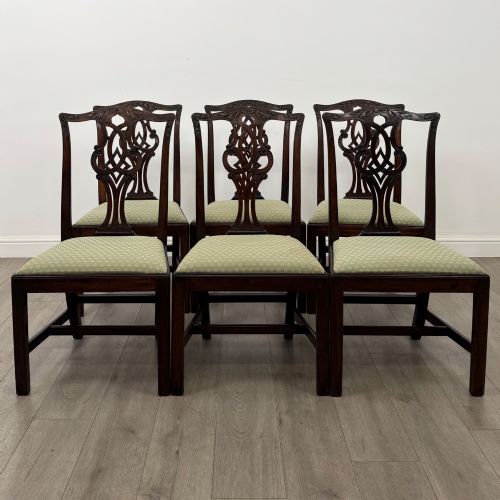
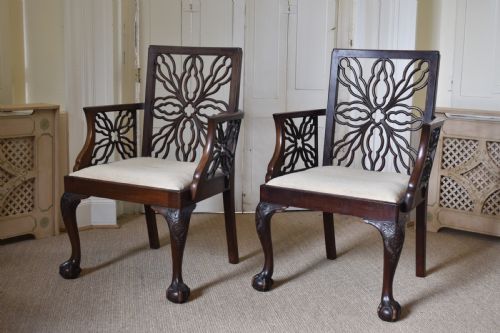
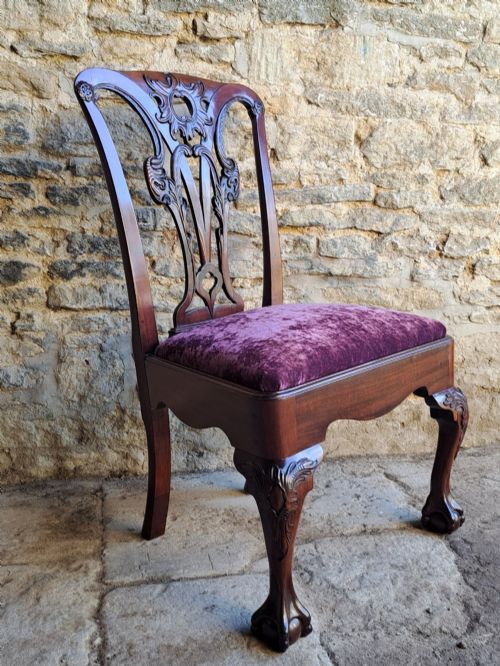
A chippendale carved back chair brings distinct period presence to a room, offering robust mahogany construction and intricate pierced splats.
Chippendale Carved Back Chair
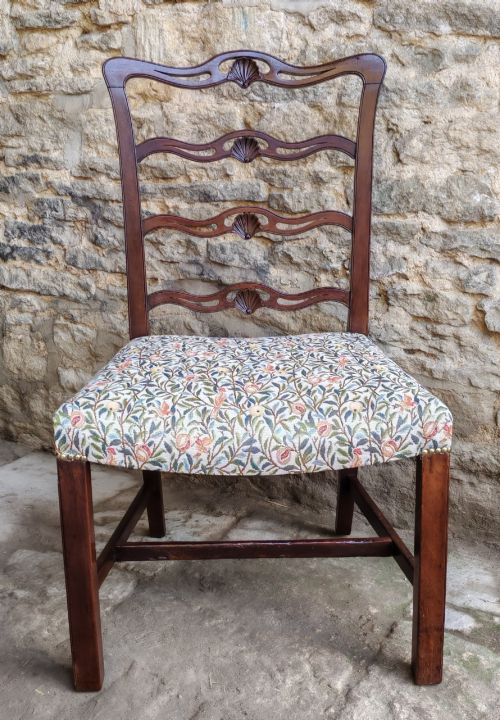
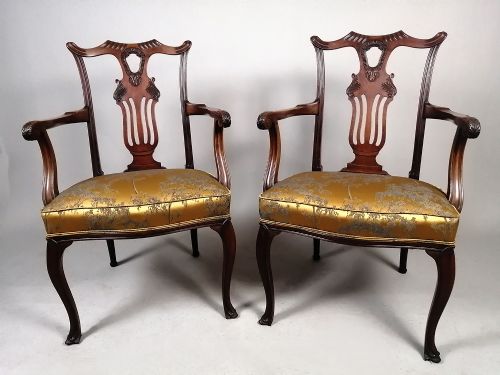
When searching for a chippendale carved back chair, a buyer encounters forms ranging from mid-eighteenth-century Georgian originals to later revival pieces from the Victorian and Edwardian eras. These seating options appear primarily as dining chairs, armchairs, desk chairs, and side chairs constructed to serve formal domestic spaces.
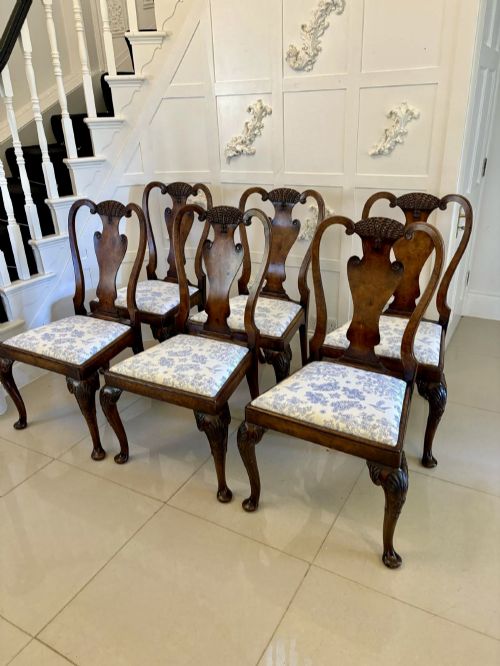
The selections available span multiple decades, including examples dated directly to the eighteenth century alongside sets produced during the nineteen-hundreds and nineteen-twenties in the Chippendale style or revival manner. Walnut and mahogany form the predominant physical foundation of these items.
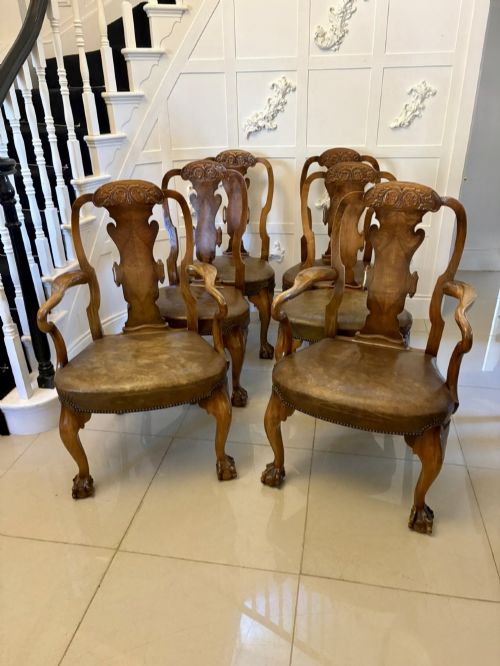
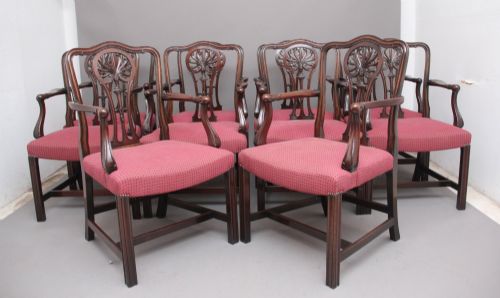
Buyers meet both single pieces and large sets, such as sets of six, eight, or ten chairs, alongside individual library armchairs and Gainsborough chairs. Scottish, Irish, and English origins appear across the documented inventory.
Materials and Construction
Makers utilised solid mahogany, walnut, and oak to build the frames of these chairs, employing dense hardwoods capable of supporting intricate pierced and carved splats. Timber selection dictated the structural integrity and the crispness achievable in the carved details.
Upholstery materials such as leather, fabric, velvet, and textile provide the padding for drop-in seats and upholstered backs, secured with brass detailing where appropriate. Frame joinery relies on traditional cabinet-making techniques suited to heavy daily use.
Materials documented across the inventory include mahogany, walnut, oak, leather, velvet, brass, and diverse upholstery fabrics.
Judging Quality
The depth, precision, and sharpness of the carved work on the splats and crest rails distinguish superior examples from simpler production. Master carvers achieved clean, undercut details that retain their definition across the lifetime of the timber.
The weight and figure of the mahogany or walnut selected for the frame determine the baseline quality of the piece, with dense grain and rich natural colour marking superior craft. Original timber surfaces and period upholstery integration also elevate a chair's standing.
Thomas Chippendale·Howard and Sons·Alfred Allen of Birmingham·Wheelers of Arncroach
The Chippendale Carved Back Chair Glossary
- Splat
- The vertical central strip of wood within a chair back. It often takes a pierced, carved, or ribbon form.
- Gainsborough chair
- A wide, low-backed armchair with upholstered arms, seat, and back, standing on short legs. This form gained popularity during the Georgian period.
- Ribbon back
- A chair splat carved to resemble looped and intertwined ribbons. This represents a highly ornate Chippendale style.
- Crest rail
- The top horizontal member of a chair back. It frequently incorporates carved ears or scrollwork.
Chippendale Carved Back Chair: Frequently Asked Questions
How do I date a Chippendale style chair?
Dating requires examining the timber species, tool marks, joinery methods, and the specific characteristics of the revival period if applicable. Eighteenth-century pieces show period-specific hand-tooling and patination on the wood surfaces.
Later Victorian and Edwardian revival pieces often display machine-assisted construction details or timber finishes consistent with nineteen-hundreds production standards.
Were these chairs used for dining?
These chairs served multiple domestic functions, with large sets specifically manufactured for formal dining rooms. Armchairs and side chairs were built to accompany dining tables.
Other variants served as library armchairs, desk chairs, or hall seating depending on the configuration of the arms and seat height.
How should I care for mahogany frames?
Mahogany chair frames benefit from stable indoor humidity and protection from direct sunlight to prevent timber drying and fading. Regular dusting with a soft cloth maintains the surface.
Leather and fabric upholstery require specialised cleaning methods appropriate to the specific textile chosen by the maker.