
Vintage Upholstered Carver Chair
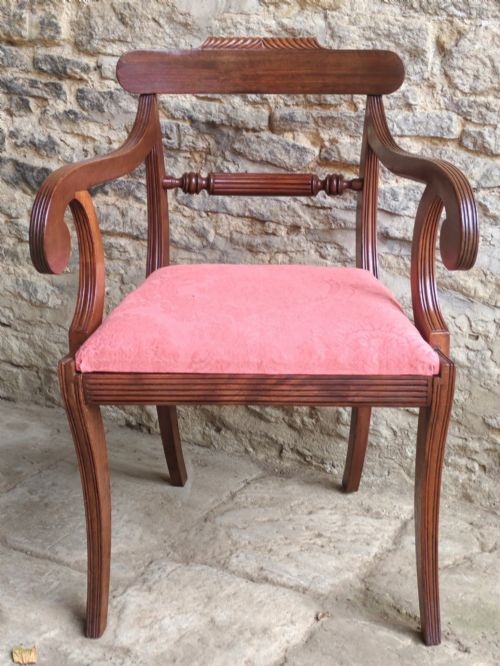
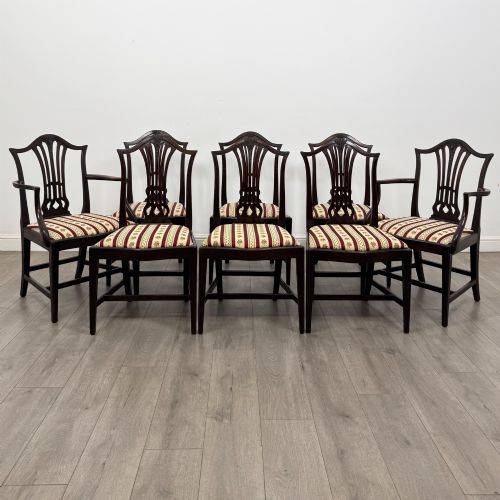
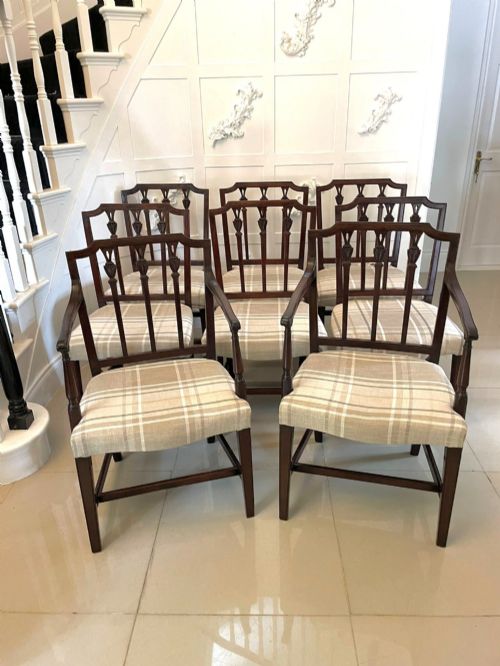
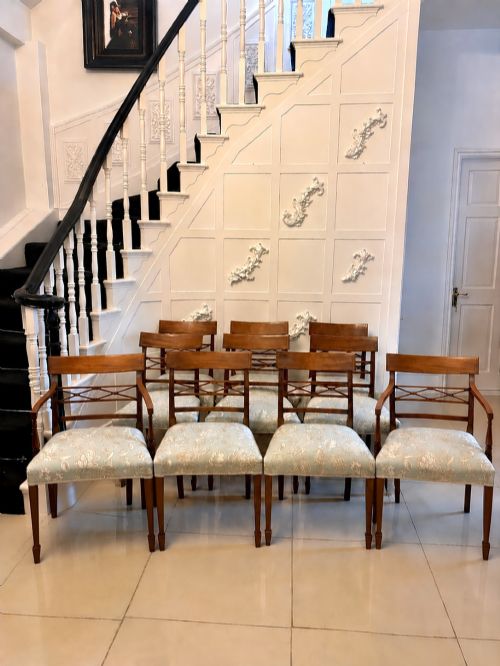
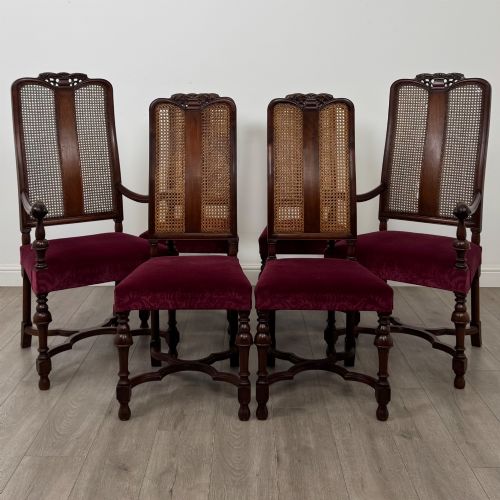
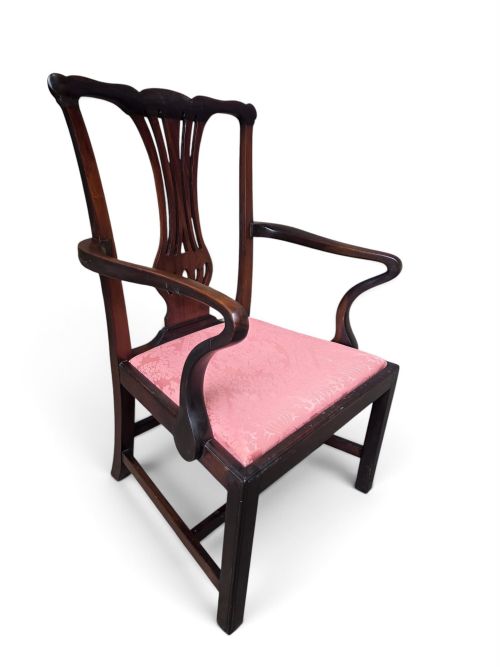
A vintage upholstered carver chair brings architectural timber and tactile textiles together at the head of a table.
Vintage Upholstered Carver Chair
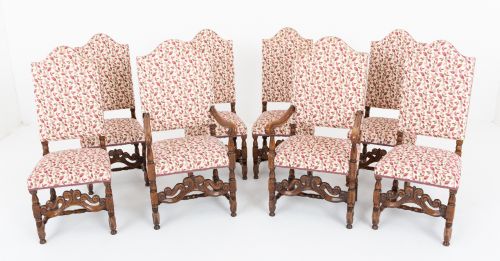
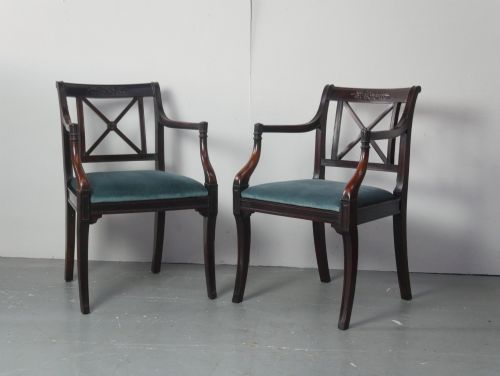
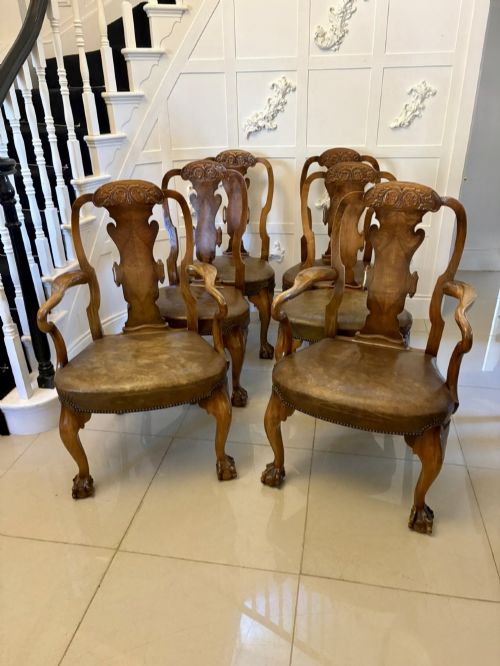
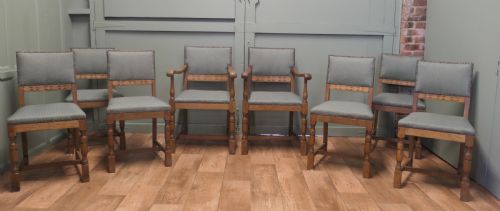
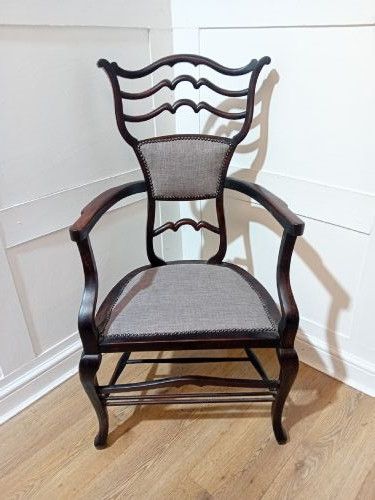
When you search for a vintage upholstered carver chair, you encounter seating built with arms for the head of a dining table or as a standalone occasional seat. These pieces span the eighteenth century through the 1930s, taking forms from Georgian Revival and Regency to Edwardian and Victorian styles.
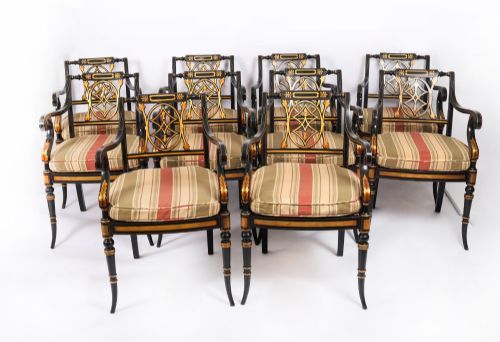
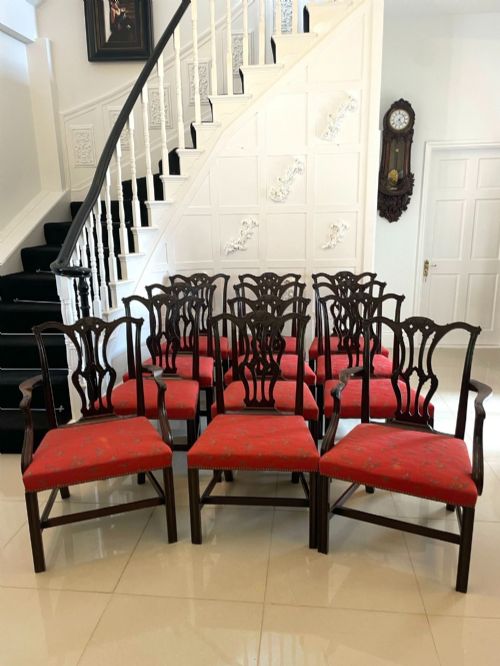
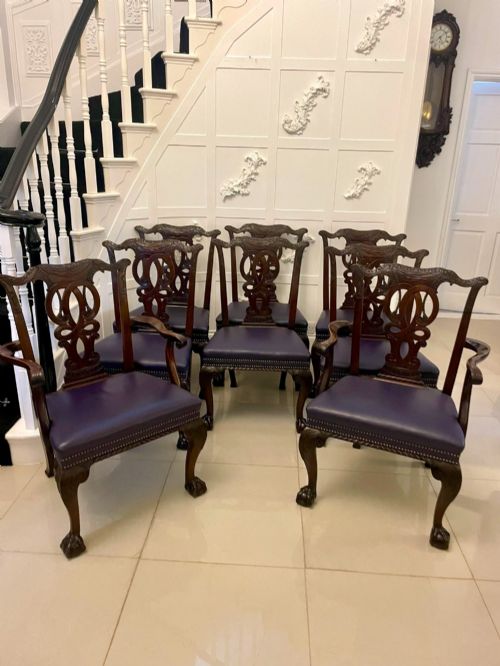
The materials you meet most often on this page include solid timbers like mahogany, walnut, and oak, paired with varied upholstery fabrics, leather, velvet, and brass details. You find single chairs, pairs, and full dining sets featuring carver armchairs alongside matching side chairs.
How they were made
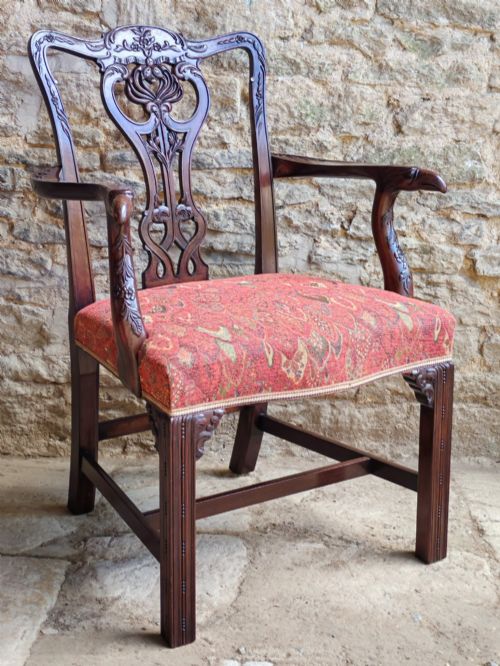
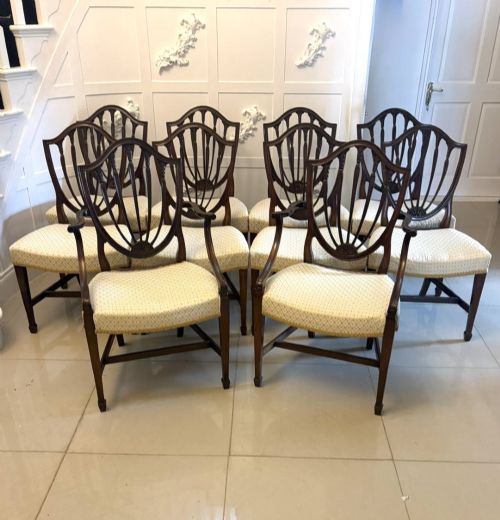
Cabinetmakers constructed these frames using dense hardwoods such as mahogany, walnut, and oak, often shaping timber into shield backs, lyre backs, and open arms. Joinery relied on traditional pinned mortise and tenon joints to secure the structural load of the chair.
Makers applied upholstery using stuffing materials held over webbing, finished with textiles including velvet, leather, and woven upholstery fabric, sometimes accented with brass tacks.
Several chairs feature carved walnut elbows designed specifically to accommodate the wide sleeves of bygone fashions.
What varies in quality
The distinction between ordinary and exceptional examples rests on the crispness of the timber carving and the architectural proportion of the frame. Chairs with deeply defined shield backs, well-proportioned elbow rests, and solid timber retain structural integrity and aesthetic weight.
The choice of primary wood and the fidelity to historical design periods, such as George III, Chippendale, or Hepplewhite styles, dictate the standing of the piece. Subtle details in the turning of legs and the execution of carved splats separate standard production from master craftsmanship.
Howard and Sons·Alfred Allen of Birmingham·Maple and Co·Wheelers of Arncroach
The Vintage Upholstered Carver Chair Glossary
- Carver chair
- An armchair designed with sturdy armrests, historically placed at the head of a dining table. These pieces provide broader seating proportions than standard side chairs.
- Shield back
- A chair back shaped in the outline of a heraldic shield, popularised in the eighteenth century and revived in later periods. This form often incorporates carved splats and pierced splat designs.
- Lyre back
- A chair back featuring an open splat shaped in the symmetrical outline of a stringed musical instrument. This motif appears frequently in Regency and nineteenth-century seating.
- Elbow chair
- An alternative term for an armchair, particularly one with low or curved supports for the arms. They function as dining carvers or occasional seating.
- Mortise and tenon
- A traditional woodworking joint where a projecting peg fits tightly into a matching cavity. This method secures the frame without relying on metal fasteners.
Vintage Upholstered Carver Chair: Frequently Asked Questions
What is a carver chair?
A carver chair is an armchair traditionally placed at the head and foot of a dining table. The arms distinguish it from standard dining chairs used along the sides.
These chairs offer a wider seat and more substantial support, making them comfortable for extended sitting during meals.
How do I style a carver chair?
You can pair two carver chairs with matching side chairs at a large dining table to create a formal arrangement. They also function well as standalone reading or desk chairs.
Mixing timber tones and fabric textures with your existing furniture adds depth to a room without requiring a matching suite.
Are these chairs comfortable?
These chairs provide sturdy support through solid timber frames and upholstered seats. The addition of armrests offers a relaxed seating posture compared to armless dining chairs.
Upholstery depth and suspension vary depending on the specific decade of manufacture and whether the piece retains its original padding.