

Chippendale Accent Table
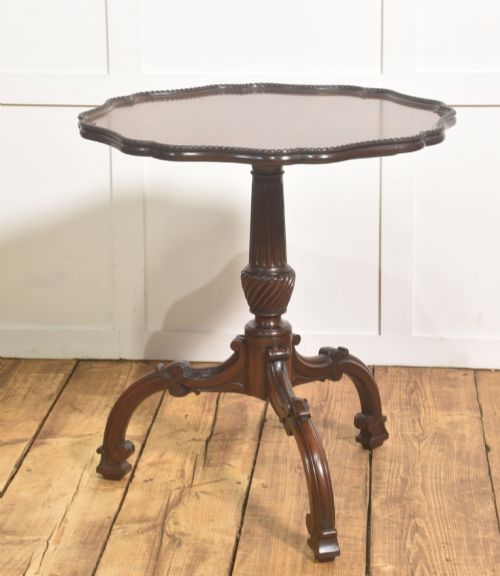
A chippendale accent table brings classic proportion and carved detail to a room, ranging from antique tripod wine tables to Georgian drop-leaf forms.
Chippendale Accent Table
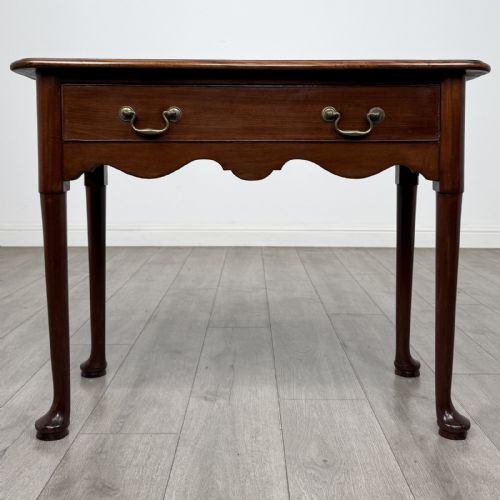
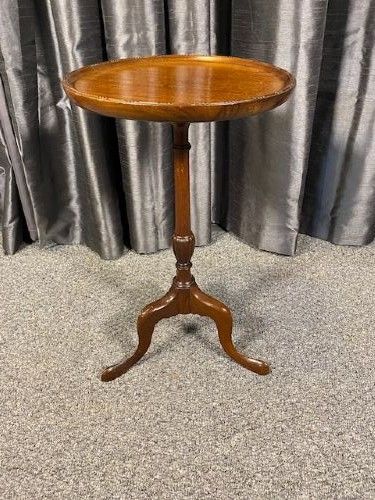
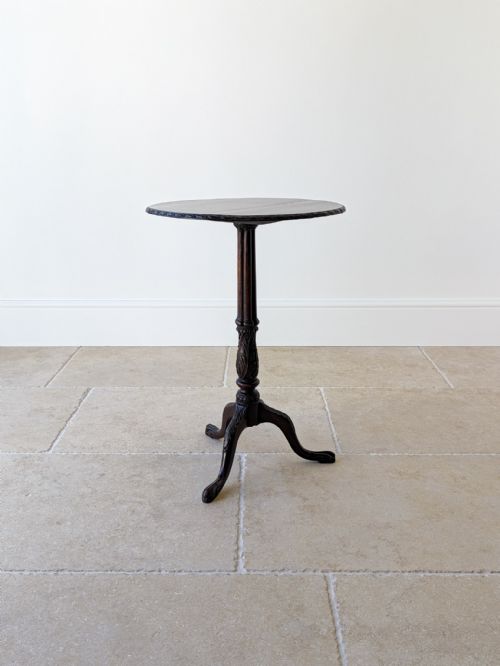
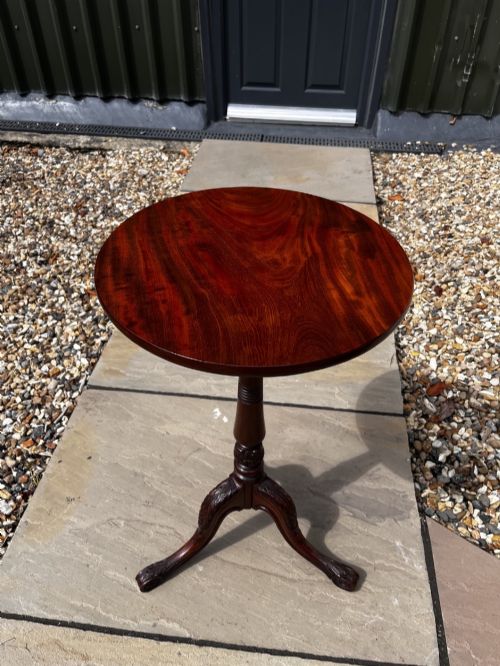
A chippendale accent table encompasses a variety of smaller furniture forms designed for practical use and display, including side tables, wine tables, occasional tables, and lowboys. These pieces span multiple eras, appearing in genuine 18th-century Georgian incarnations alongside later revivals from the Edwardian period and the early twentieth century.
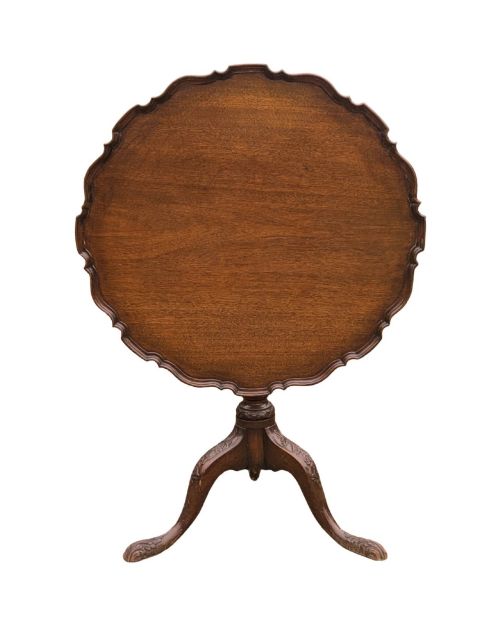
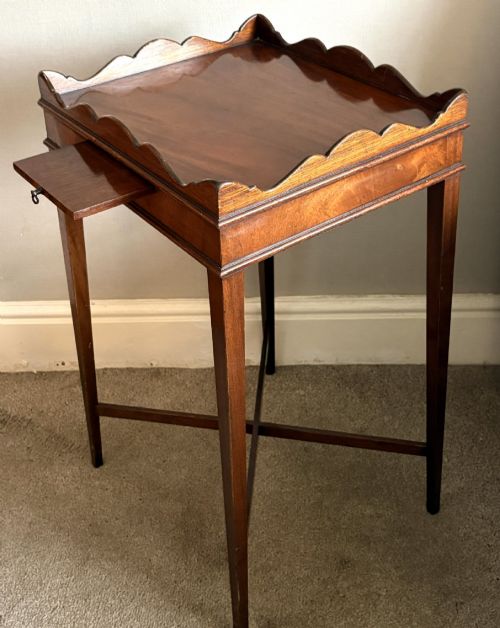
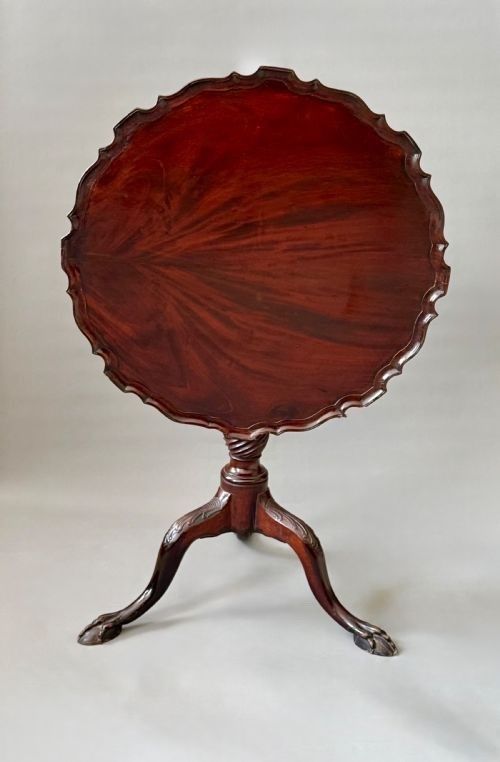
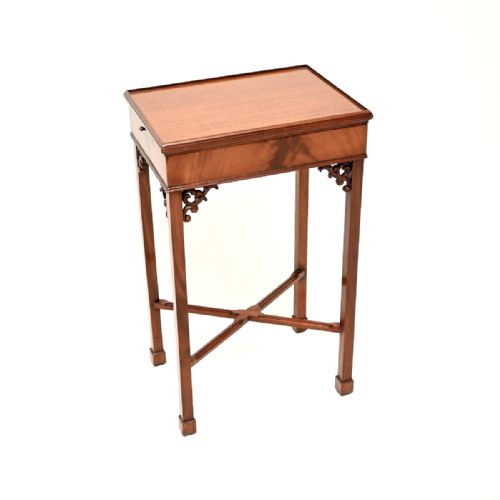
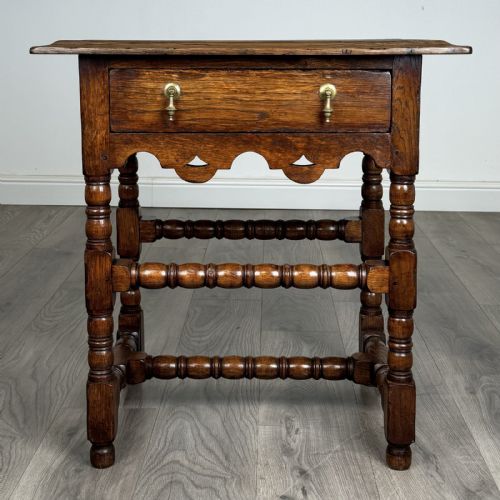
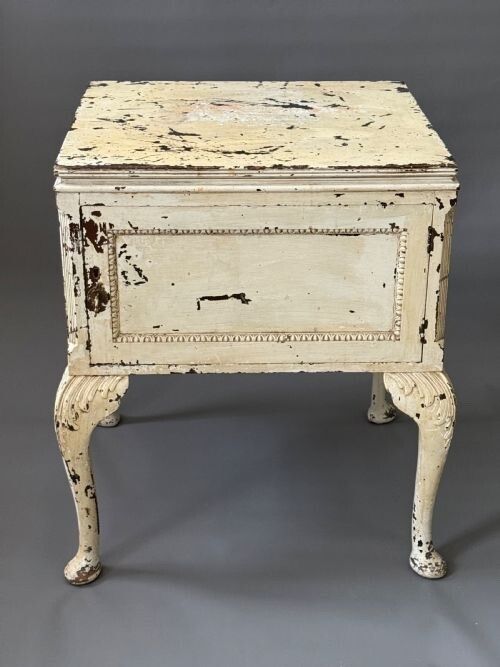
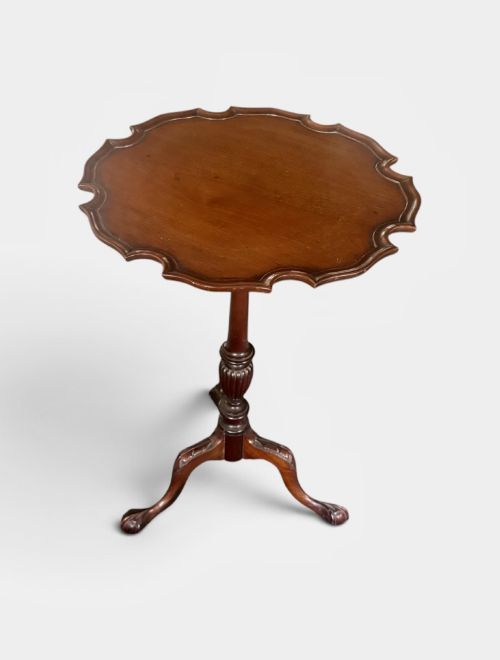
Buyers frequently encounter tripod wine tables with tilting tops and pie crust rims, as well as rectangular side tables and Pembroke tables. The selection also includes plant stands, tiered tables, and bedside cabinets influenced by the aesthetics of the period.
How they were made
Makers relied heavily on mahogany as the principal timber, occasionally utilising Cuban mahogany, oak, yew wood, and walnut to achieve different grains and weights. Brass hardware such as hinges and castors added functional detail to folding and drop-leaf mechanisms.
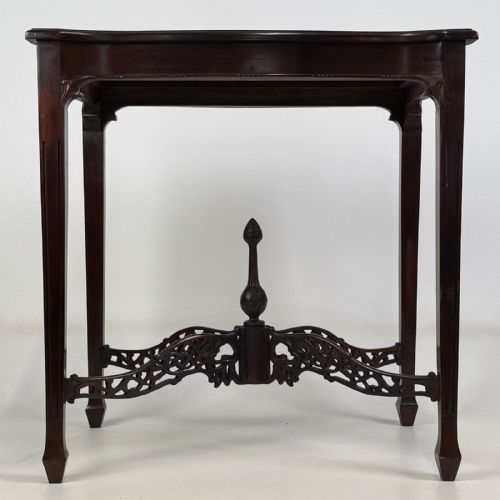
Construction techniques involve traditional joinery, carved stretchers, and turned elements like bobbin legs, alongside tilt-top mechanisms and shaped pie crust rims formed by hand-carving the solid timber edges.
Chippendale Accent Table Retail Price Guide 2026
Typical asking prices for chippendale accent table among the pieces listed under this phrase on Sellingantiques today, from the lower quarter to the upper quarter. They describe what is for sale here now, not the wider market.
Several tables include detachable tops, letting past owners swap flat surfaces for carved ones depending on whether tea or wine was served.
What varies in quality
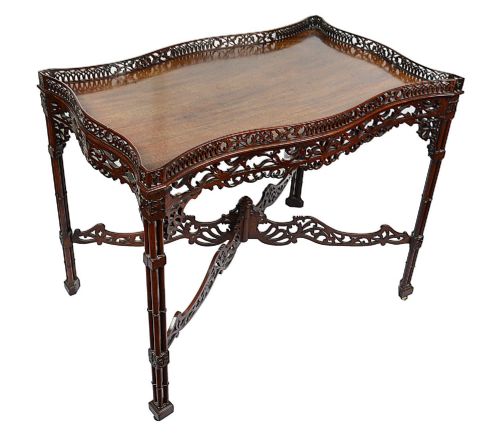
Quality in a chippendale accent table is defined by the crispness of the carving on details such as pie crust rims, ball-and-claw feet, and stretcher supports. Pieces from the eighteenth century demonstrate hand-tooling precision that differs from the mechanical consistency of later revival pieces.
The Chippendale Accent Table Glossary
- Pie crust rim
- A raised, decoratively carved edge shaped in undulating curves resembling a pastry crust. This feature is typically carved from the solid timber of a tilt-top table.
- Tripod table
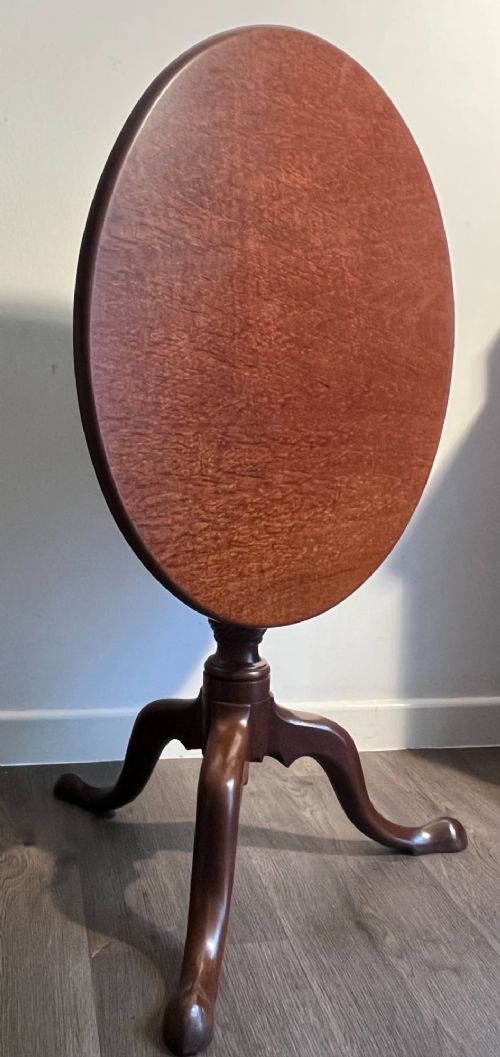
- A small freestanding table supported by a central pillar resting on three spreading legs. They often feature a mechanism allowing the top to tilt vertically when not in use.
- Pembroke table
- A small rectangular table with hinged drop leaves on either side. It frequently includes one or two drawers and slender legs.
- Lowboy
- A small kneehole dressing table or side table with a low set of drawers. It serves as a compact surface originating in the eighteenth century.
- Tilt top
- A table top hinged to the central pedestal so it can be flipped vertical for storage against a wall. This mechanism relies on a delicate wooden catch or block.
Chippendale Accent Table: Frequently Asked Questions
What is a chippendale accent table?
A chippendale accent table is a small portable furniture piece influenced by the eighteenth-century designs associated with Thomas Chippendale. These items include wine tables, tripod tables, and side tables.
They reflect aesthetic traits such as carved borders, cabriole legs, and shaped margins, appearing in both original period forms and later Edwardian or twentieth-century revivals.
How do I date an antique table?
Dating involves examining the timber species, tool marks, and wear patterns on the underside and joints. Eighteenth-century pieces display hand-sawn surfaces and aged patination.
Revival pieces from the Edwardian era or the 1920s often show machine-cut components and different finishing methods while copying earlier styles.
What was a wine table used for?
A wine table served as a portable surface for holding glasses, bottles, or candles during social gatherings in a parlour or dining room. Their compact size allowed them to be placed easily beside seating.
The tilt-top function enabled servants to store multiple tables compactly against the perimeter of a room when the evening ended.
Where should I place an accent table?
An accent table fits well beside armchairs, in narrow hallways, or as a display surface for lamps and decorative objects. Their small footprints make them adaptable to various room layouts.
Pairing a tripod table with seating creates a functional corner without crowding the floor space.