




Chinoiserie Wall Art Framed
Chinoiserie wall art framed pieces bring painted silks, reverse glass works, and embroidered panels into interiors with distinct historic character.
Chinoiserie Wall Art Framed
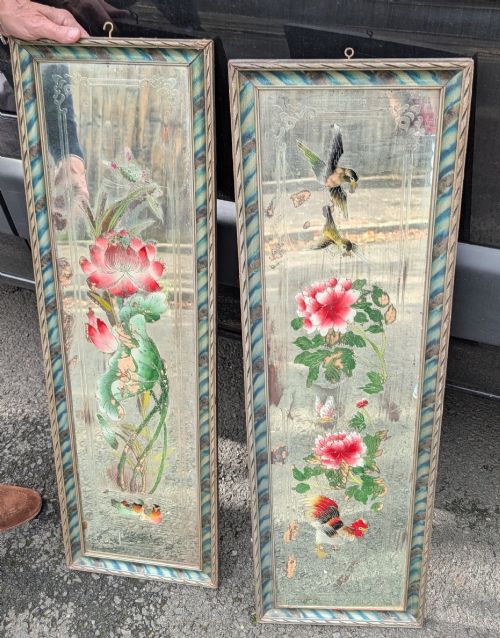
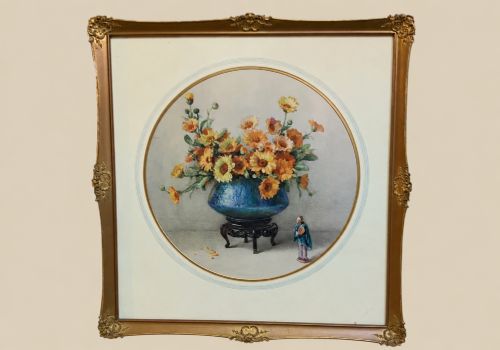
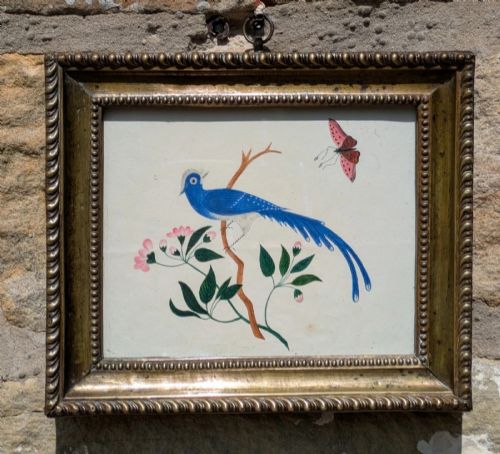
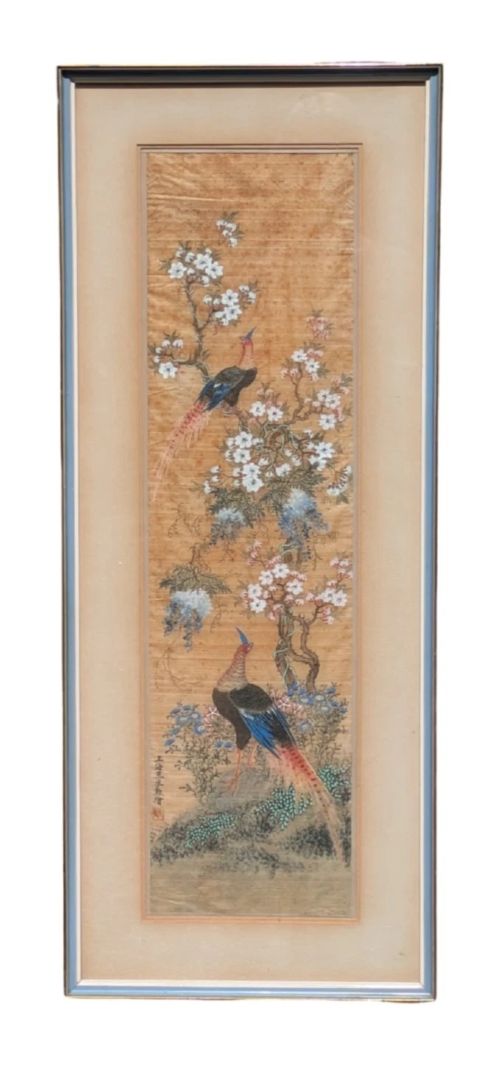
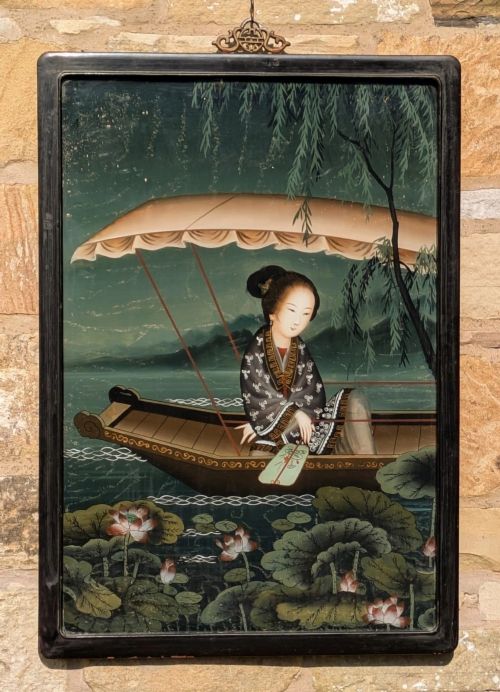
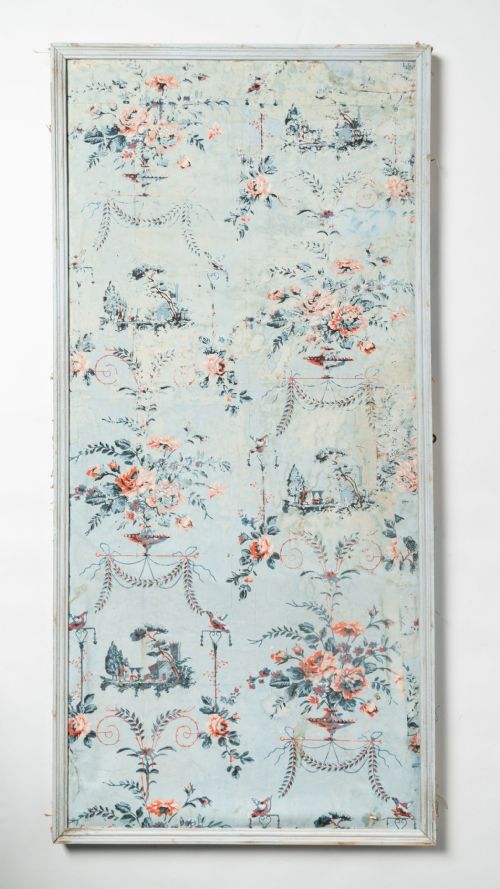
Chinoiserie wall art framed encompasses diverse decorative panels, mirrors, and paintings created across multiple centuries. Buyers searching for these works encounter framed textiles, watercolours, and reverse paintings alongside period wallpaper sections.
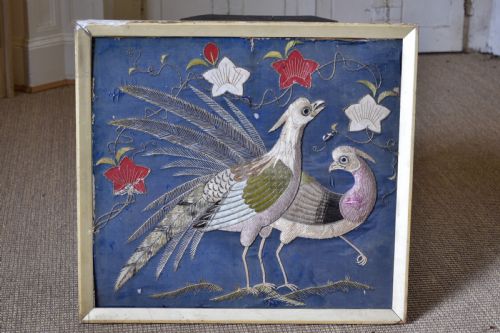
The nineteenth century provides the largest share of items on this page, often taking the form of embroidered garden birds, watercolours on silk, and large wall panels. Earlier examples from the eighteenth century appear alongside later twentieth century iterations.
Forms range from simple framed textiles and canvases to substantial carved mirrors and painted wood panels. These decorative elements reflect European interpretations of Chinese motifs alongside genuine export pieces.
Materials and Techniques
Makers utilised delicate substrates including silk, canvas, paper, and glass to capture intricate oriental scenes. Paint, gold leaf, and gilt wood frequently embellish these compositions, adding metallic depth to the framed works.
Listings span the eighteenth, nineteenth, and twentieth centuries, incorporating materials such as silk, glass, oak, and gold leaf.
Judging Quality
Quality rests upon the fineness of the handwork, whether in the precision of silk embroidery threads or the brushwork on watercolours and reverse glass paintings. Superior pieces demonstrate careful composition and well-preserved pigments across wood, canvas, and paper.
The structural integrity of the surrounding frames, particularly gilt wood or oak housings, contributes significantly to the overall merit of each piece. Age-related patination on glass panels and textiles distinguishes genuine period examples from later adaptations.
The Chinoiserie Wall Art Framed Glossary
- Chinoiserie
- European artistic style reflecting Chinese motifs and decorative traditions. It heavily influenced furniture, textiles, and wall decorations during the eighteenth and nineteenth centuries.
- Reverse painting on glass
- Technique where the artist paints directly onto the back of a glass sheet so the image is viewed through the front. This method produces a glossy, reflective finish characteristic of many export pieces.
- Gilt wood
- Wood coated with a thin layer of gold leaf or gilt powder. It frequently surrounds antique mirrors and panels to provide a decorative metallic border.
- Qing Dynasty
- The final imperial dynasty of China, lasting from sixteen forty-four to nineteen twelve. Many export artworks and textiles on the market date from this extensive period.
- Export
- Goods produced in one country specifically for sale to foreign markets. Chinese export items often blend traditional domestic techniques with Western aesthetic preferences.
Chinoiserie Wall Art Framed: Frequently Asked Questions
How do I hang a heavy framed wall panel?
Heavy panels and mirrors require secure fixings into wall studs or appropriate masonry anchors to support the combined weight of the wood and glass.
Professional hanging hardware ensures the piece stays level and secure without straining the antique frame.
Are these pieces fragile?
Materials such as silk, paper, and reverse-painted glass require careful handling and stable environmental conditions.
Direct sunlight and high humidity can damage delicate watercolours and degrade vintage textiles over time.
What is the difference between Chinese export and French chinoiserie?
Chinese export works were produced in Asia specifically for Western buyers using traditional domestic materials and techniques.
French chinoiserie panels represent European interpretations of Asian motifs created by local artisans within domestic workshops.