
Chinoiserie Painted Cabinet
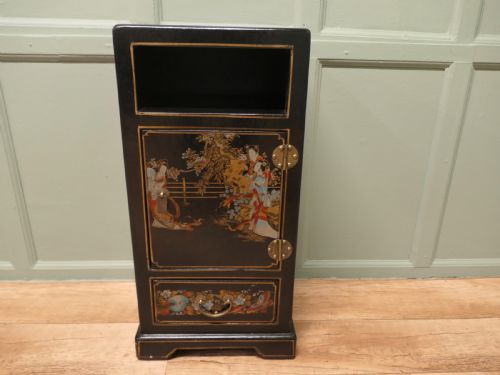
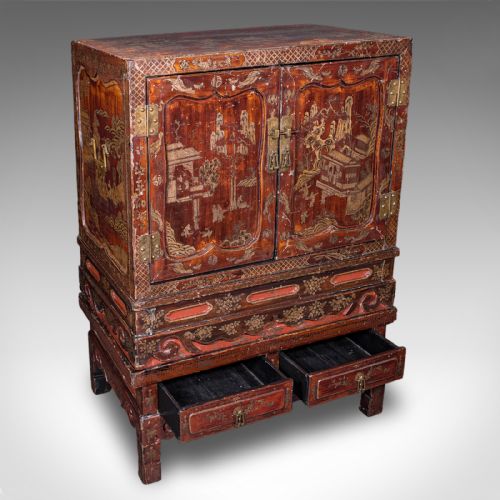
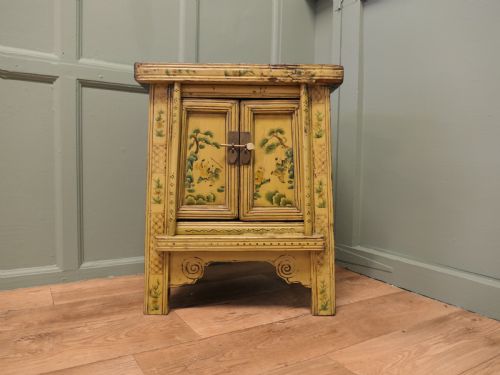
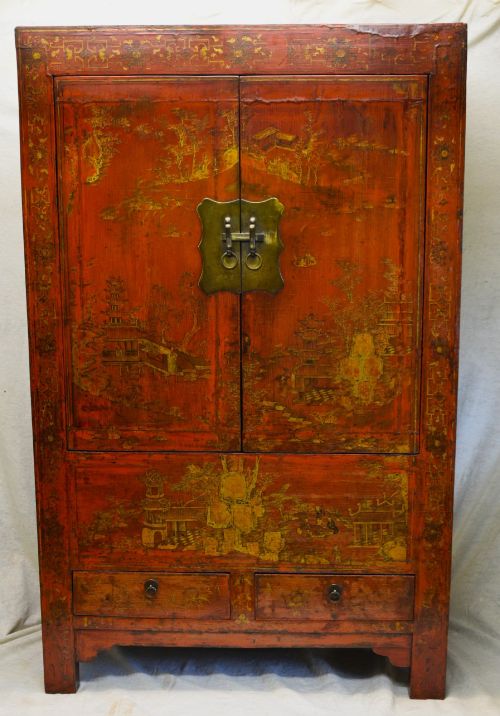
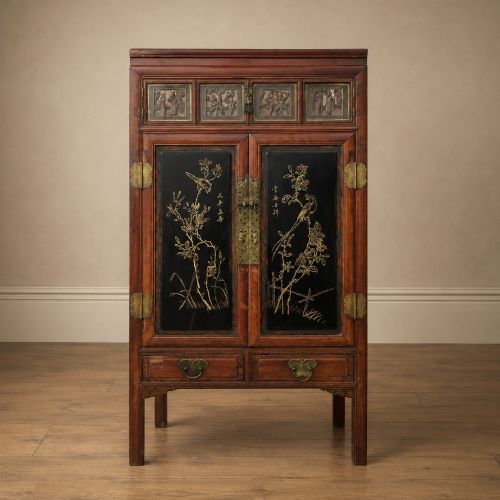
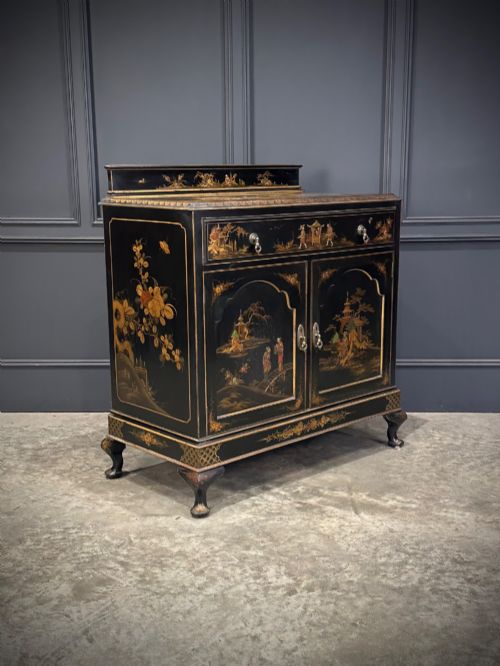
A chinoiserie painted cabinet brings rich lacquer, gilt decoration and oriental motifs into a room, offering both bold visual presence and practical storage.
Chinoiserie Painted Cabinet
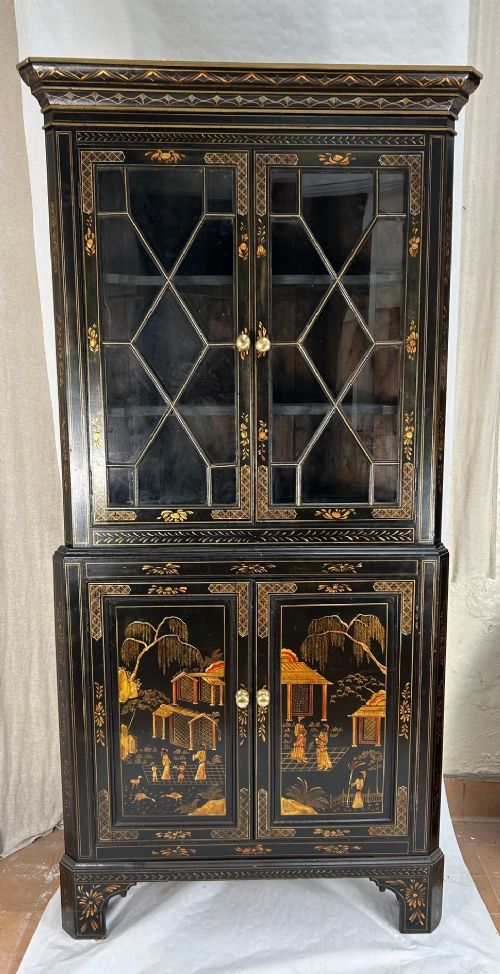
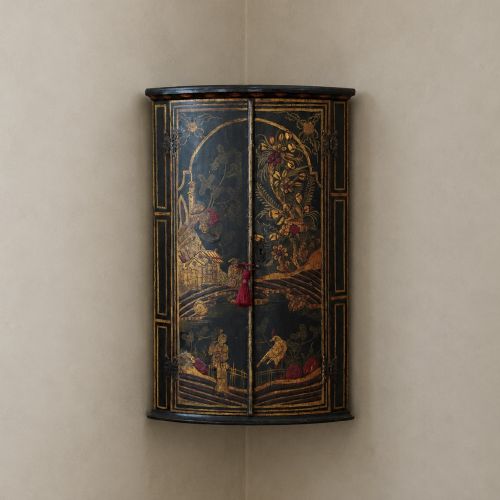
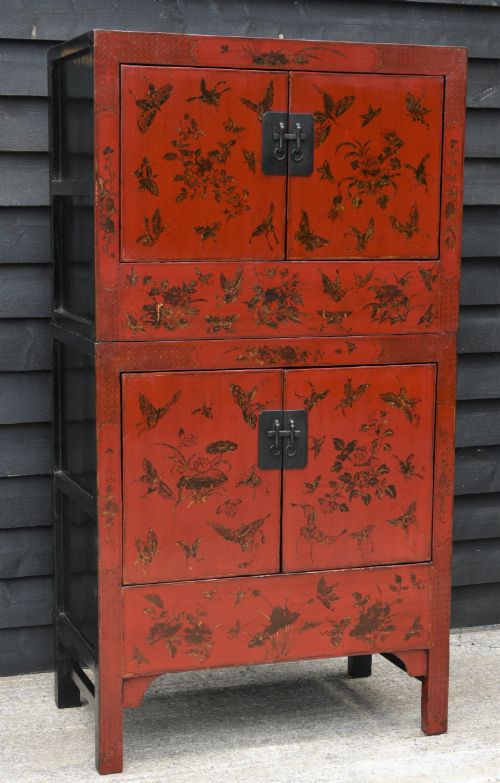
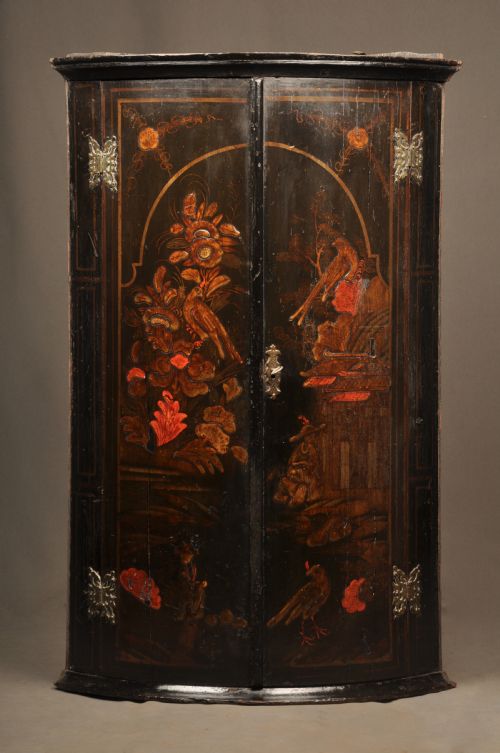
A chinoiserie painted cabinet encompasses a diverse range of storage forms, from corner cupboards and side cabinets to drinks cabinets and wedding chests. These pieces display distinct oriental decoration, often spanning traditional Chinese origins as well as English and European revival styles.
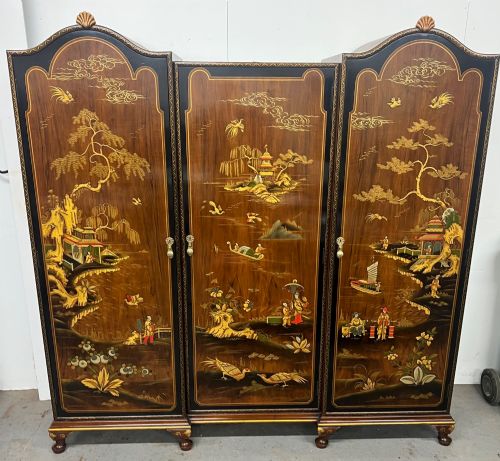
The selections encountered here frequently date from the eighteenth century through to the early twentieth century, including Edwardian and Art Deco interpretations. Buyers will regularly find corner cupboards, cabinets on stands, and larger storage chests finished with striking painted surfaces.
The range includes both authentic imported Chinese pieces from periods such as the Qing Dynasty and domestic British japanned interpretations from the Georgian, Regency and later revival eras. Each form serves as a focal point, combining functional compartmentalisation with narrative outdoor scenes or floral motifs.
How they were made
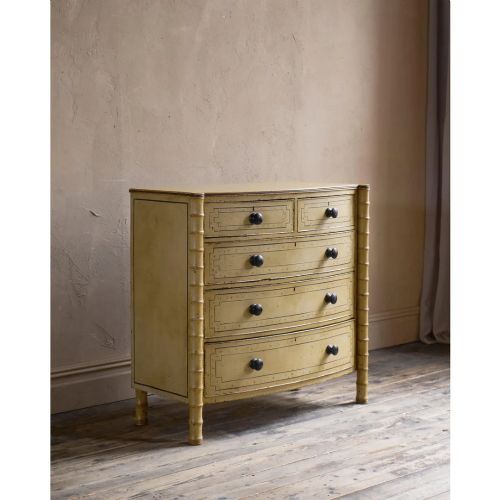
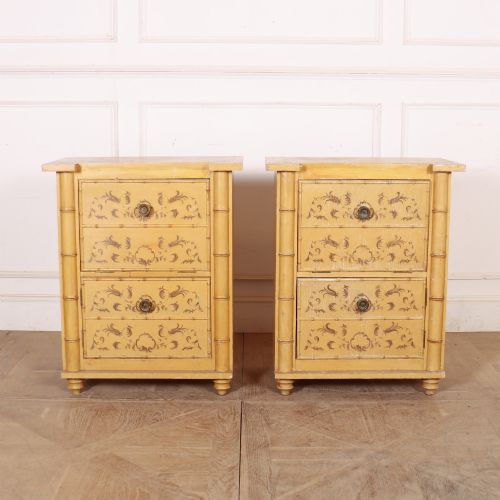
Construction relies upon traditional timber carcase work, utilising woods such as lacquered wood, painted wood, and occasionally bamboo for faux bamboo frames. These structures provide a stable foundation for the complex decorative surface treatments applied by makers.
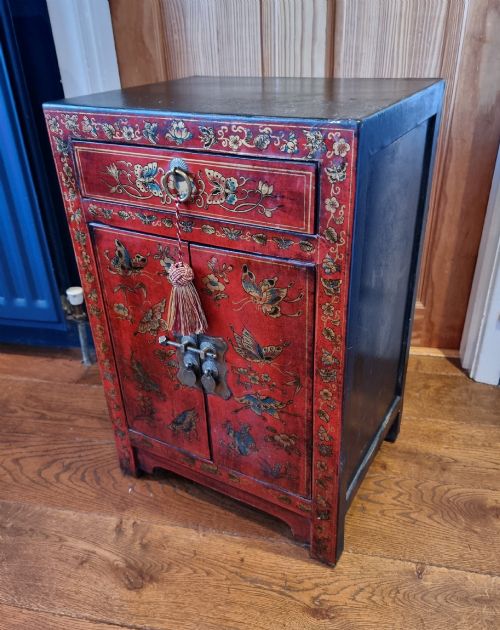
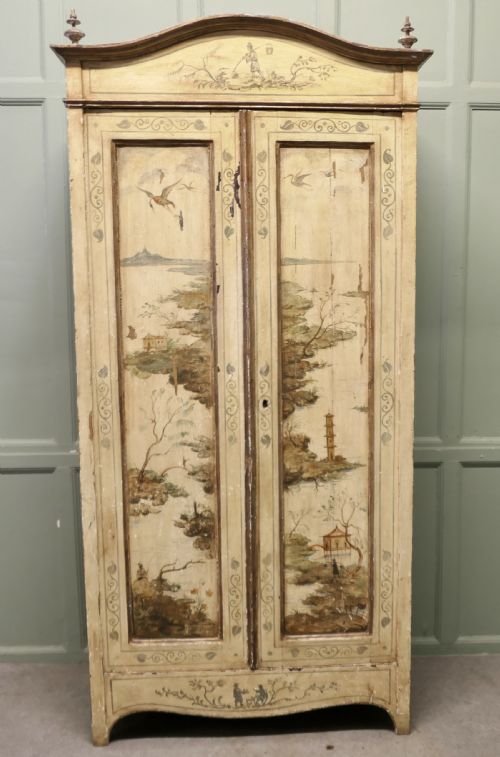
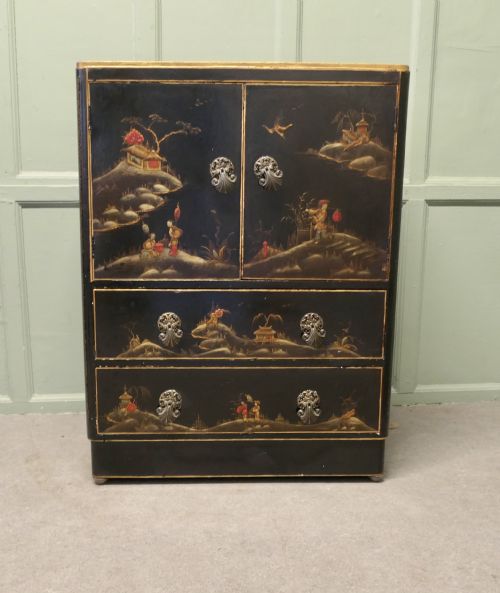
Surface finish is achieved through layers of lacquer and paint, frequently embellished with gilt and brass hardware. Artisans applied intricate hand-painted outdoor scenes, birds, and floral designs directly onto the black, red, green, or cream backgrounds.
Materials documented across the available pieces include brass, lacquer, wood, gilt, lacquered wood, paint, painted wood, and glass.
What varies in quality
Quality rests significantly upon the depth and finesse of the hand-painted decoration, where delicate brushwork and rich gilding distinguish superior examples from simpler commercial output. The complexity of the surface narrative, such as detailed figures and landscapes, elevates the visual stature of a piece.
The integrity of the underlying cabinetwork, the preservation of the original lacquer surface, and the retention of period brass mounts or stands determine the standing of individual pieces. Well-preserved surfaces that maintain their original colour and sheen hold greater distinction.
Maples & Co.
The Chinoiserie Painted Cabinet Glossary
- Japanned
- European imitation of East Asian lacquerwork, popular during the seventeenth and eighteenth centuries and later revived. It involves building up layers of varnish and paint to create a hard, glossy surface decorated with raised or flat gilt motifs.
- Chinoiserie
- European theatrical and decorative interpretation of Chinese and East Asian artistic traditions. This style manifested extensively in furniture decoration, textiles, and porcelain throughout the eighteenth and twentieth centuries.
- Cabinet on Stand
- A self-contained storage cabinet raised on a separate supporting framework or base. These stands frequently incorporate carved woodwork or matching lacquer decoration.
- Bow Front
- A convex, curved cabinet front that projects outward in an arc. This form adds softness to the linear geometry of side cabinets and corner cupboards.
- Gilt
- Application of gold leaf or powdered gold to surfaces to highlight details and create contrast against dark lacquer backgrounds. It provides the reflective highlights characteristic of formal decorative cabinetwork.
Chinoiserie Painted Cabinet: Frequently Asked Questions
What is a chinoiserie painted cabinet?
A chinoiserie painted cabinet is a storage piece adorned with European or Asian interpretations of East Asian artistic motifs, typically featuring hand-painted scenes on lacquered wood.
These cabinets range from eighteenth-century corner cupboards to twentieth-century cocktail cabinets and wedding chests, all sharing distinctive painted and gilt decoration.
How do I distinguish eighteenth-century pieces from later revivals?
Distinguishing early pieces from later revivals involves examining the construction methods, timber types, and the ageing of the lacquer surface. Eighteenth-century examples often exhibit specific carcase construction and organic wear patterns distinct from Edwardian or 1930s interpretations.
Revival pieces, such as those from the Art Deco period or the early twentieth century, frequently utilise different interior fittings and exhibit cleaner, more uniform surface preservation.
Where were these cabinets placed in a home?
Historically, these cabinets served multiple functions across different rooms, acting as corner storage in reception rooms, display units for collections, or specialised storage for drinks and tableware. Corner cupboards made efficient use of domestic architecture.
Larger wedding cabinets and chests provided substantial bedroom or hallway storage, while cocktail versions became popular focal points for entertaining during the twentieth century.
What maintenance do lacquered surfaces need?
Lacquered and painted surfaces require stable environmental conditions away from direct sunlight and extreme temperature fluctuations to prevent cracking or fading. Gentle dusting with a soft, dry cloth is usually sufficient for regular upkeep.
Polishes and harsh chemical cleaners should be avoided, as they can damage the delicate historical layers of paint, lacquer, and gilt decoration.