





Chinoiserie Covered Jars
Chinoiserie covered jars bring imaginative eastern motifs into western interiors, offering striking focal points for any room.
Chinoiserie Covered Jars
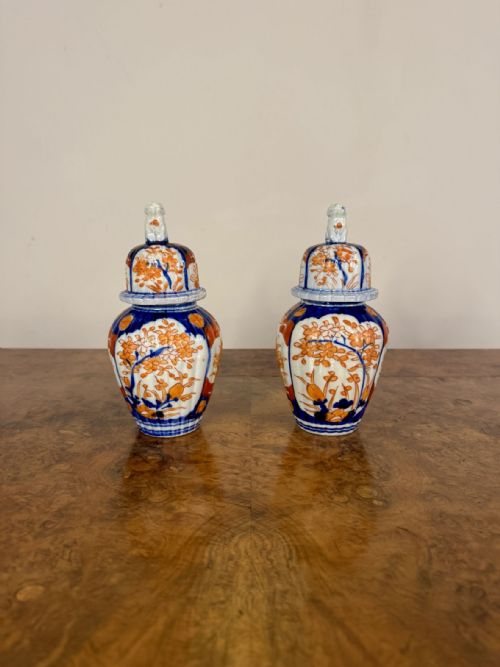
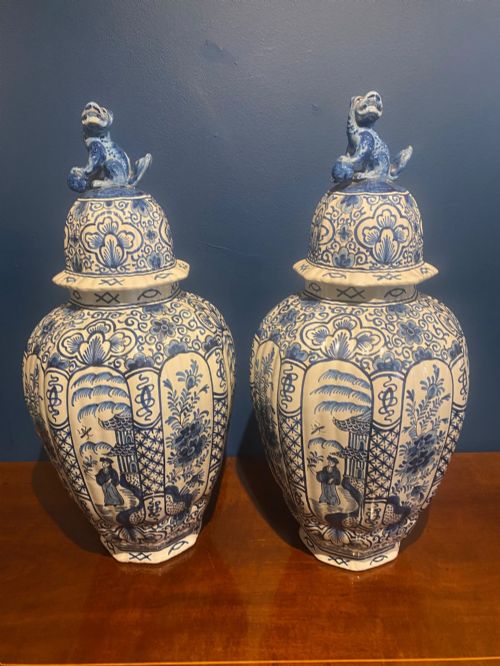
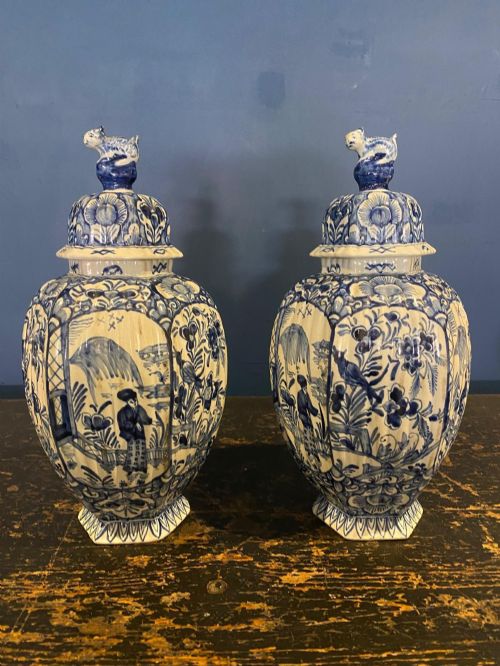
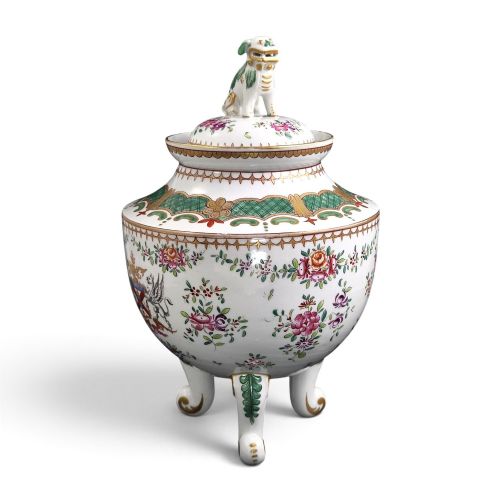
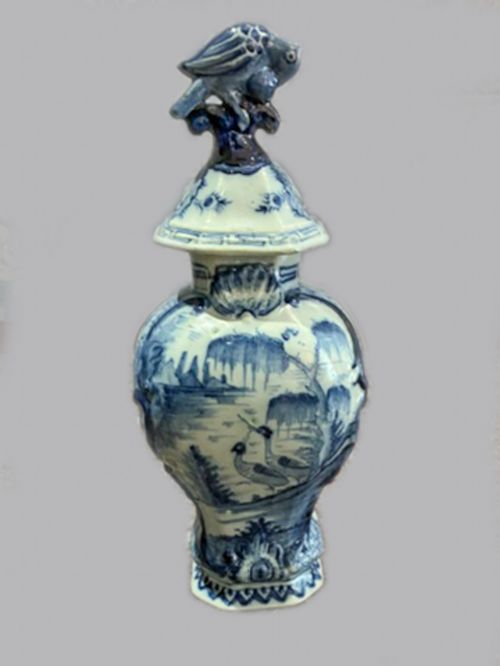
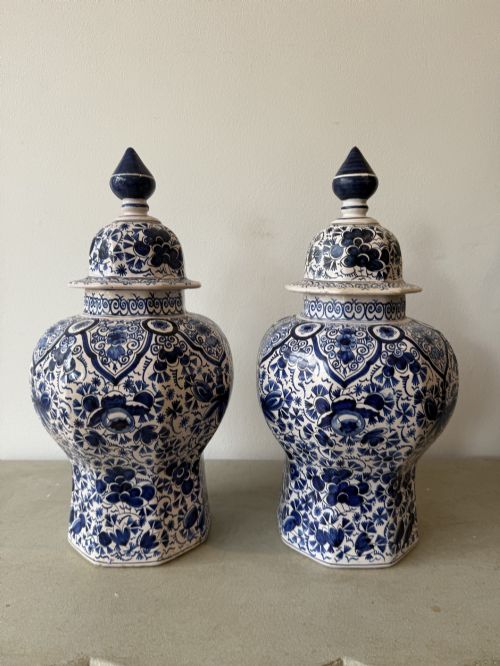
Chinoiserie covered jars encompass lidded vessels, ginger jars, and potpourri vases decorated with European interpretations or direct imports of eastern motifs. These decorative objects range from English ironstone and Continental maiolica to Chinese porcelain and Dutch delftware.
The selections span multiple periods, touching upon Regency elegance, Victorian revivals, and twentieth-century production. Buyers frequently encounter nineteenth-century pieces alongside older ceramic traditions dating back towards the late eighteenth century.
Forms vary from stout ginger jars to tall hall vases, occasionally accompanied by mounts or paired with occasional tables. The decorative themes lean heavily on blue and white palettes, armorial designs, and hand-painted scenes.
Materials and Construction
Makers utilised ceramic, porcelain, ironstone, and tin-glazed earthenware as the primary bodies for these lidded vessels. Surface decoration relies upon enamel, glaze, gold leaf, and gilt to render intricate patterns.
Techniques combine hand painting with transfer methods like decalcomania, supplemented on select examples by ormolu mounts. Firing processes achieve rich colour variations, from mazarine and powder blue to classic blue and white tones.
Chinoiserie Covered Jars Retail Price Guide 2026
Typical asking prices for chinoiserie covered jars among the pieces listed under this phrase on Sellingantiques today, from the lower quarter to the upper quarter. They describe what is for sale here now, not the wider market.
Materials appearing across current items include porcelain, ironstone, tin-glazed earthenware, and gold leaf.
Assessing Quality
Quality rests in the crispness of the hand painting and the depth of the glaze, distinguishing carefully executed ceramics from standard commercial output. The weight and stability of the ironstone or porcelain body further indicate superior production standards.
The refinement of supplementary elements, such as gilt highlights, gold leaf application, or ormolu mounts, elevates certain examples above standard decorative wares. Harmony between the vessel form and the fitted cover remains a key indicator of original manufacture.
The Chinoiserie Covered Jars Glossary
- Chinoiserie
- European artistic style reflecting Chinese and East Asian motifs, popular across various decorative arts and ceramics.
- Ironstone
- A heavy, durable type of earthenware patented in nineteenth-century England as a robust alternative to porcelain.
- Tin-Glazed Earthenware
- Pottery coated with a tin oxide glaze to create a white, opaque surface suitable for painting.
- Ormolu
- Gilded bronze mounts used decoratively on furniture and ceramics, common in nineteenth-century luxury pieces.
- Decalcomania
- A transfer technique used to apply printed designs onto ceramic surfaces before firing or finishing.
Chinoiserie Covered Jars: Frequently Asked Questions
What are chinoiserie covered jars?
These pieces are lidded ceramic or porcelain vessels decorated with European interpretations of Asian artistic styles.
They serve primarily as decorative mantel, table, or sideboard ornaments.
How do I date these jars?
Dating relies on identifying the ceramic body, glaze characteristics, and stylistic markers such as nineteenth-century ironstone or eighteenth-century delft traits.
Maker marks and regional painting styles help narrow down the production era.
Where should I display them?
They suit prominent locations like living room sideboards, entry tables, or paired neatly upon occasional furniture.
Their substantial presence makes them effective standalone focal points or symmetrical mantel pairs.
Are the lids original?
Matching glaze wear, fit, and clay composition between the vessel and the cover generally indicate original pairing.
Replacements or later additions often show subtle inconsistencies in colour or proportion.