


Chinoiserie Blue White Porcelain
Chinoiserie blue white porcelain brings imaginative East Asian motifs to European tables and interiors through lasting ceramic traditions.
Chinoiserie Blue White Porcelain
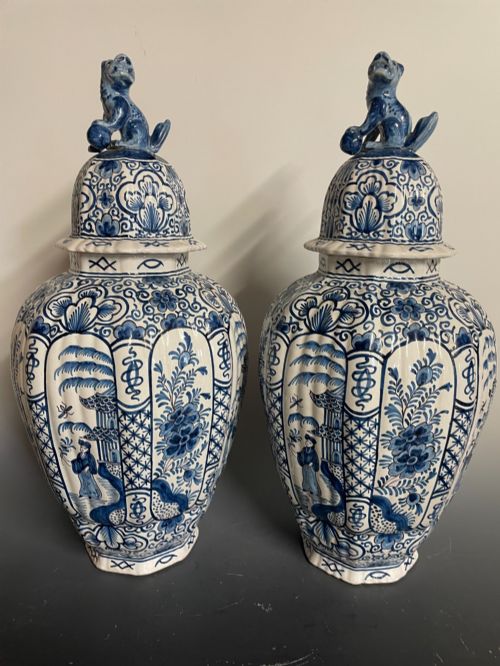
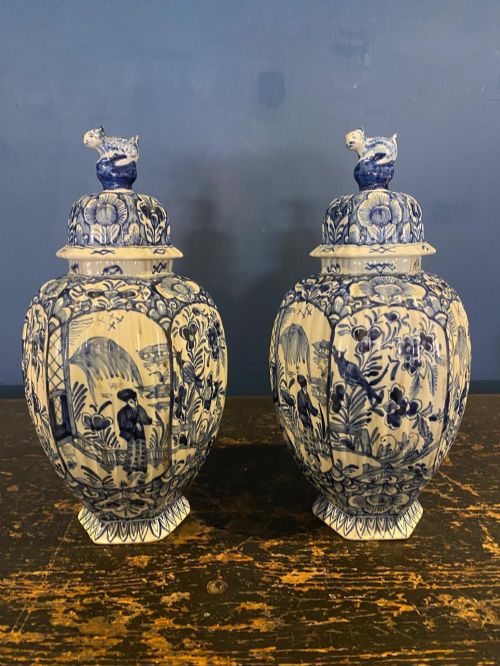
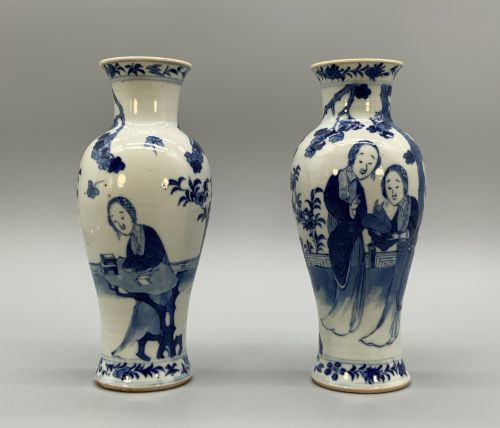
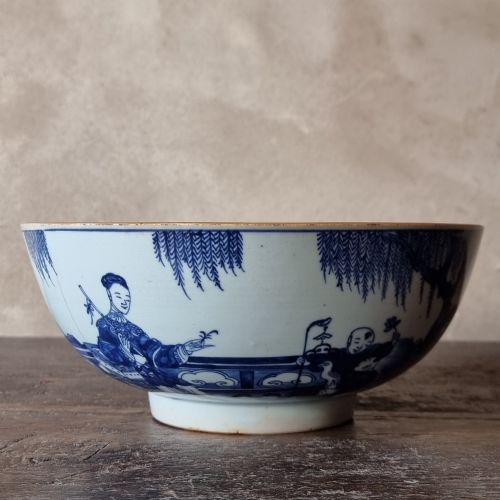
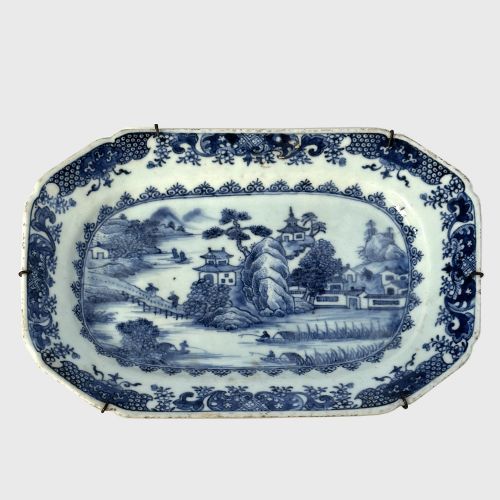
When you search for chinoiserie blue white porcelain, you encounter items decorated with European interpretations of Chinese figures, pavilions, and landscapes rendered in cobalt pigments. The selection spans domestic tablewares and decorative vessels created to satisfy a long-standing Western fascination with Eastern design.
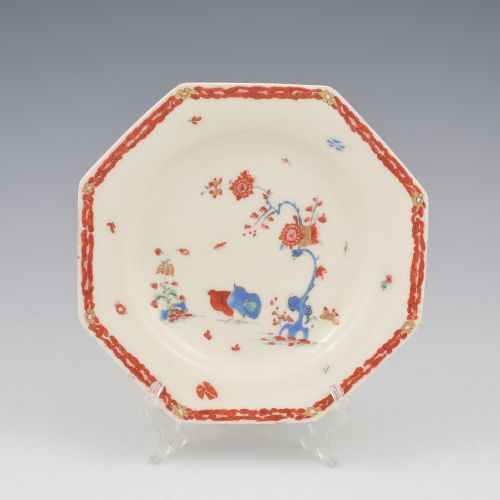
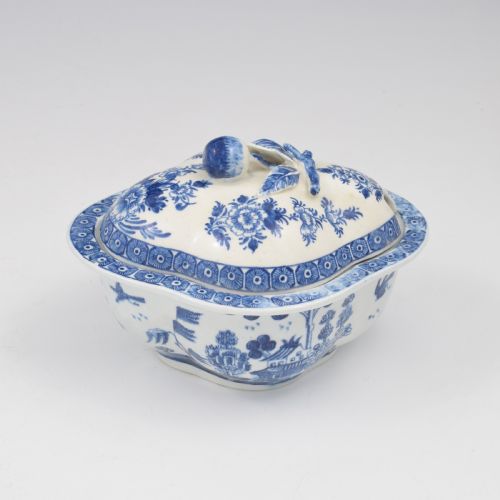
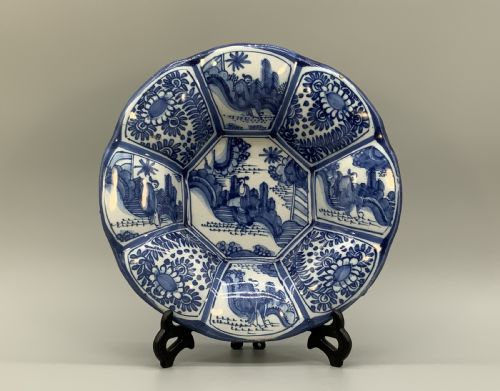
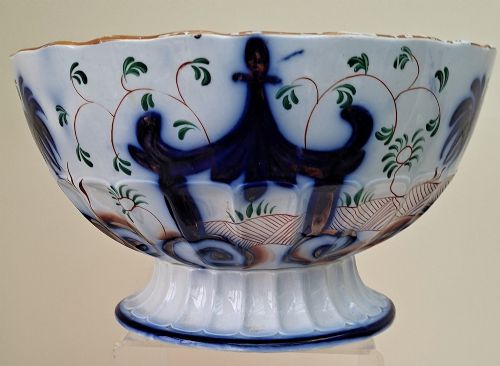
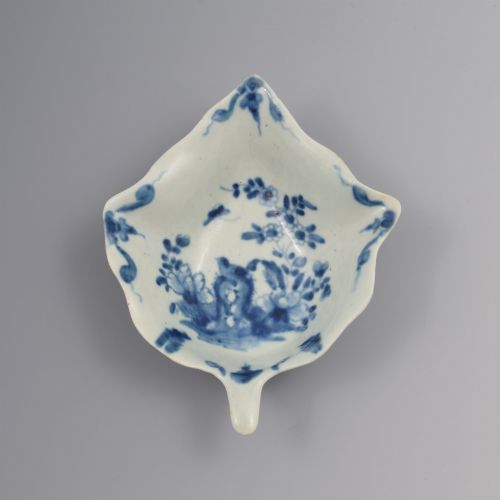
The objects present in this group range from eighteenth-century English soft-paste porcelain bowls and sauce boats to Chinese export chargers and later lamps. You will also find Dutch and English Delftware pieces alongside nineteenth-century pottery variations displaying familiar pagoda and fence patterns.
Materials and methods
The physical character of these items relies upon ceramic bodies including hard-paste porcelain, soft-paste porcelain, earthenware, and ironstone, combined with cobalt glaze applications. Potters painted the decorative cobalt motifs directly onto the unglazed body or onto an initial slip before applying a clear glaze and firing the piece in a kiln.
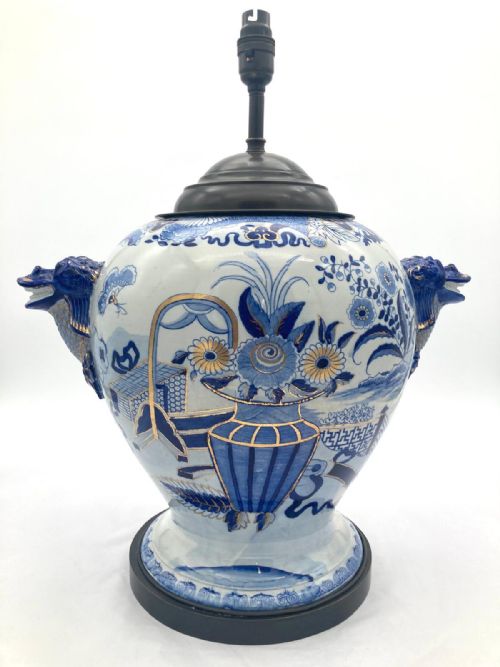
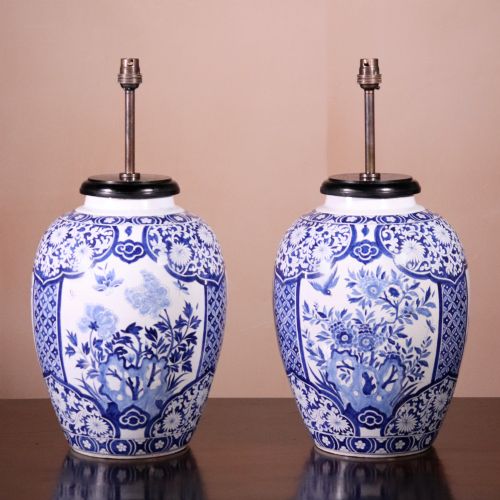
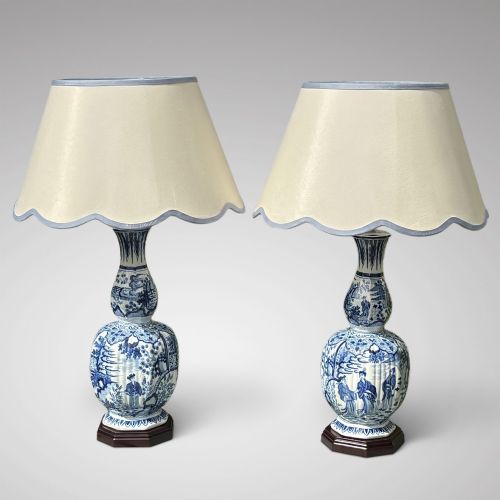
Manufacturers achieved the distinctive blue tones through controlled high-temperature firings that fused the cobalt pigment into the glassy surface layer. Many historical examples later underwent conversion into table lamps using added brass components and handmade shades.
Fishermen patiently drop lines across miniature porcelain rivers while stylized mandarins observe from perpetual willow bridges.
Assessing quality and execution
The distinction between ordinary and superior pieces rests upon the crispness of the cobalt painting and the refinement of the ceramic body. Skilled hands produced fluid, detailed brushwork depicting figures and foliage, whereas lesser examples show hurried or blurred pigment application.
Execution also involves the smoothness of the glaze and the precision of the forming process, whether dealing with delicate moulded porcelain teawares or substantial earthenware chargers. Historical attribution and factory origin further define the standing of individual vessels within the tradition.
Bow Porcelain·Caughley Porcelain·Hicks and Meigh·Minton
The Chinoiserie Blue White Porcelain Glossary
- Soft-paste porcelain
- A glassy ceramic composite fired at lower temperatures than true porcelain, common in eighteenth-century English factories. It typically displays a warm, slightly creamy body beneath the glaze.
- Cobalt glaze
- A metallic oxide pigment applied under the glaze to produce deep blue decorative designs that withstand high firing temperatures. This mineral pigment remains stable and retains its hue permanently.
- Chinese Export
- Porcelain manufactured in China specifically for the Western market, often featuring European armorial designs or adapted Oriental scenes. These wares travelled by sea to satisfy European demand.
- Delftware
- Tin-glazed earthenware produced in the Netherlands and England, imitating the appearance of imported Chinese porcelain. The opaque white tin enamel provides a smooth ground for blue painted motifs.
- Sauce boat
- A small ceramic vessel with a lip and handle designed for serving table sauces, frequently produced in matching pairs during the eighteenth century. They often feature moulded relief details alongside painted chinoiserie scenes.
Chinoiserie Blue White Porcelain: Frequently Asked Questions
What is chinoiserie porcelain?
Chinoiserie porcelain refers to ceramic items decorated with European stylized representations of Chinese landscapes, figures, and architectural motifs. These designs reflect Western artistic interpretations of East Asian aesthetics popular across several centuries.
The resulting objects combine traditional ceramic forms with imaginative scenes of pavilions, bridges, and exotic foliage painted in blue cobalt pigments.
How were these pieces used?
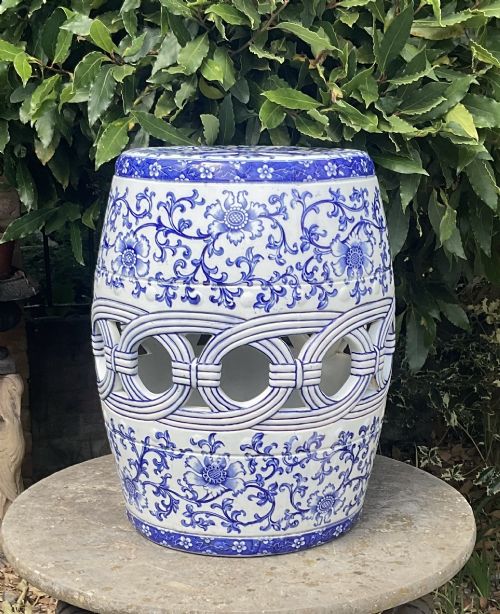
Many of these items served practical functions at elite dining tables, including punch bowls, tea services, sauce boats, and platters. Others fulfilled decorative roles as chargers, vases, and jardinières within domestic interiors.
Over time, larger vessels such as vases and jars often underwent conversion into table lamps to suit modern interior lighting needs.
How do I care for antique porcelain?
Antique ceramics require gentle handling and should be washed by hand in lukewarm water using mild, non-abrasive detergents when cleaning is necessary. Avoid placing historical porcelain in dishwashers or exposing pieces to sudden temperature changes.
Display vessels securely away from heavy traffic areas to prevent accidental impact with fragile handles, rims, or converted lamp fittings.
How do I identify eighteenth-century pieces?
Eighteenth-century examples typically display specific ceramic bodies like soft-paste porcelain or tin-glazed earthenware, often accompanied by hand-painted cobalt decoration rather than transfer printing. Examining the weight, glaze pooling, and base characteristics helps reveal the manufacturing period.
Factory marks, where present, provide further clues to dating, though many early domestic wares relied on painter marks or remained entirely unmarked.