






Chinese Wooden Stand
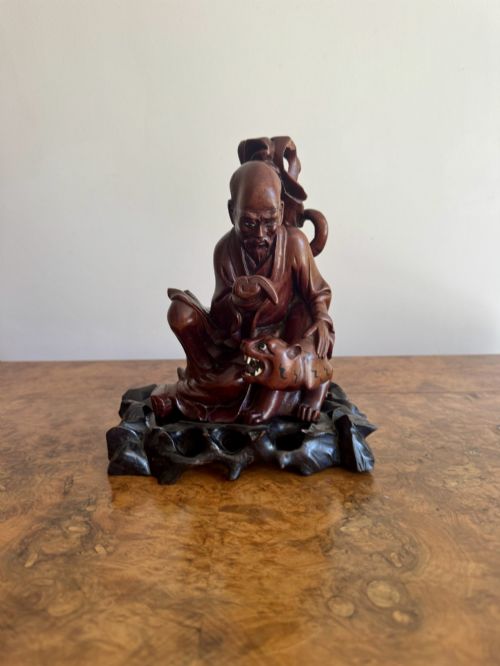
A chinese wooden stand holds porcelain or sculpture aloft, bringing architectural weight and dense grain to an interior.
Chinese Wooden Stand
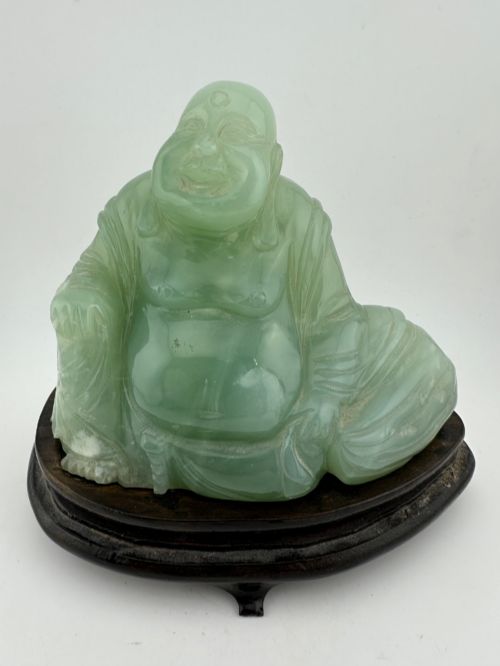
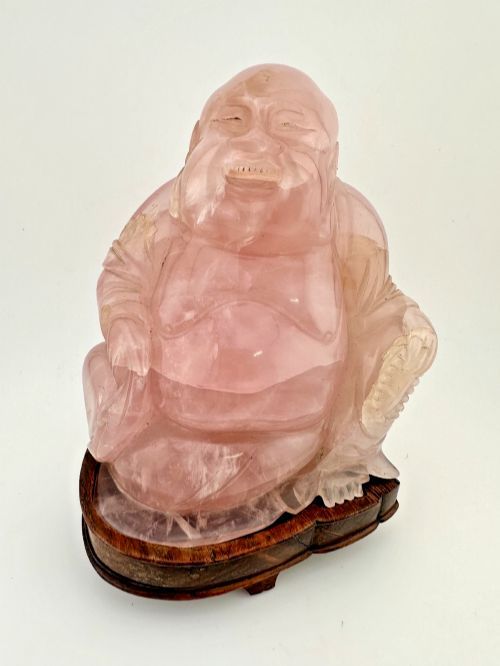
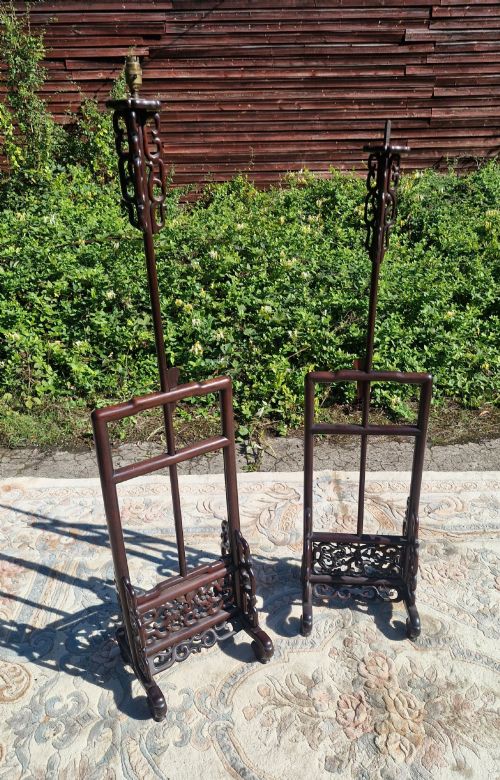
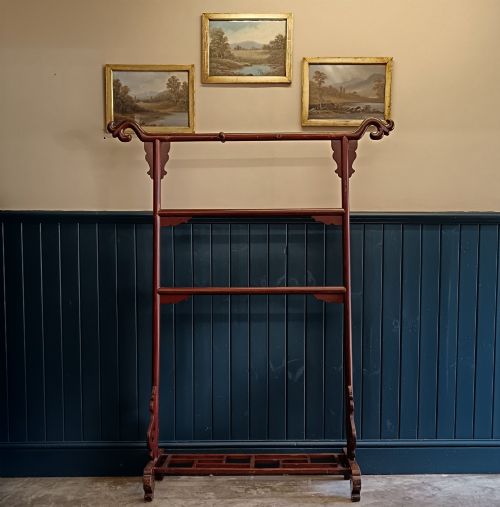
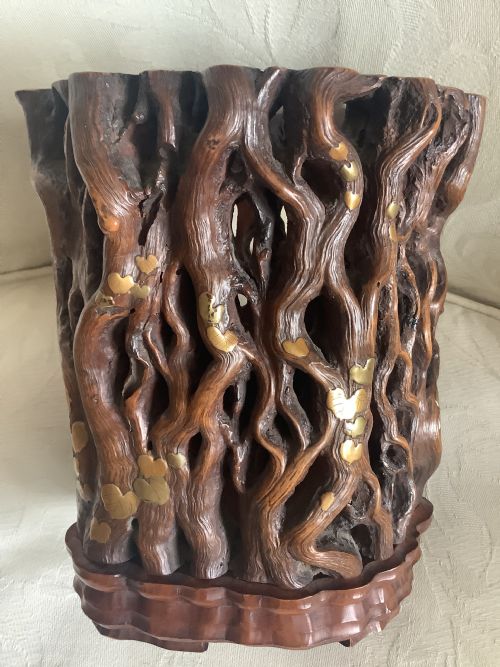
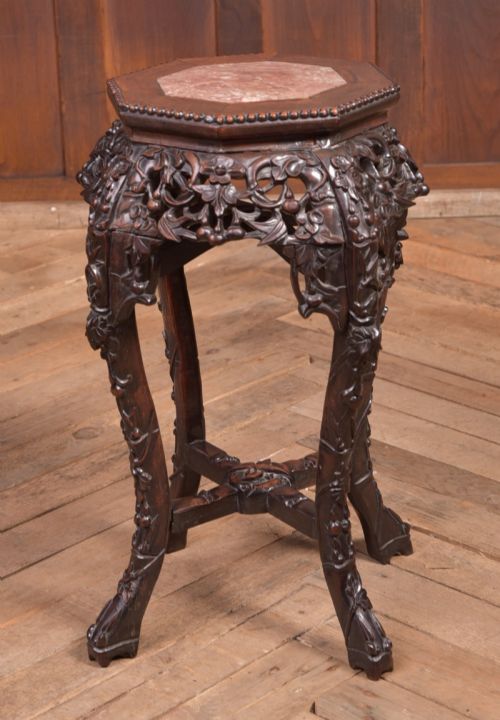
A chinese wooden stand serves to elevate vases, figures, and jardinières, operating as both a functional support and a decorative object in its own right. These pieces span the nineteenth century into the early decades of the twentieth, encompassing late Qing dynasty production and early export manufacture.
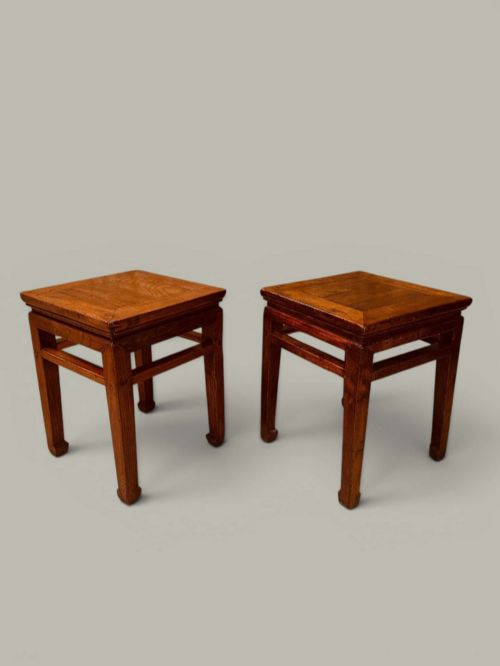
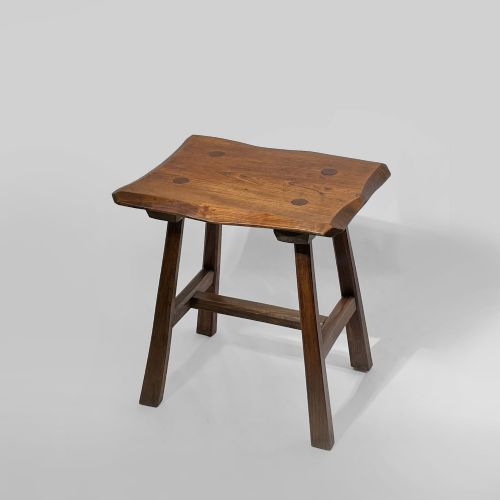
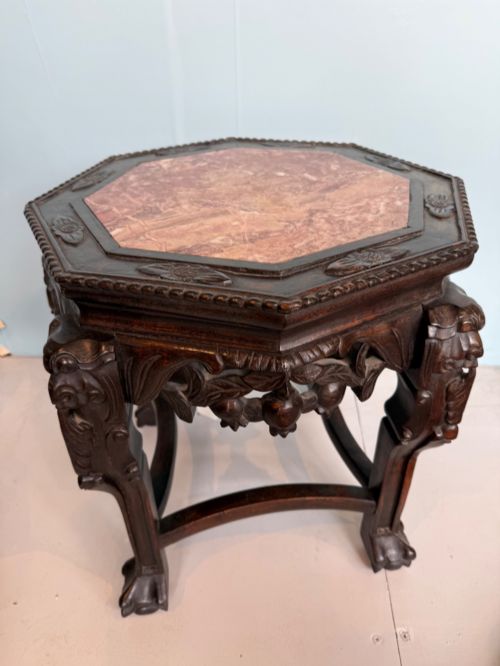
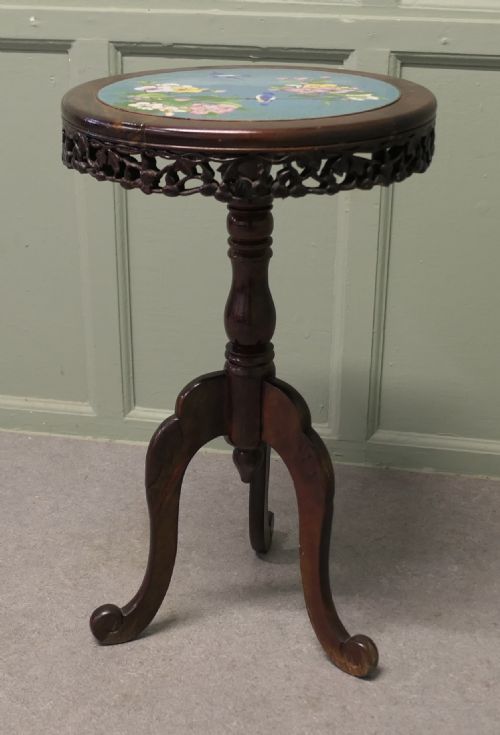
The versions most commonly met here include low pedestal tables, plant stands with inset marble tops, and small sculptural bases designed for specific vessels. Forms range from rustic elm stools to elaborate torchères carved in dense tropical timbers.
Materials and Construction
Construction relies heavily on dense hardwoods such as rosewood, hongmu, and huanghuali, selected for weight and deep natural colour. Artisans also utilised elm and lacquered wood, often combining structural joinery with intricate hand carving.
Many examples incorporate inset marble panels or support separate ceramic and stone vessels, requiring precise framing to stabilise the heavy natural materials.
Chinese Wooden Stand Retail Price Guide 2026
Typical asking prices for chinese wooden stand among the pieces listed under this phrase on Sellingantiques today, from the lower quarter to the upper quarter. They describe what is for sale here now, not the wider market.
Listings feature items dated across the nineteenth century, the Edwardian era, and the nineteen-twenties.
Assessing Craftsmanship
Quality rests in the crispness of the hand carving and the selection of the timber. Superior pieces display deep, undercut relief work where motifs remain sharp and defined.
The density and grain of the wood dictate the upper tier of the range, alongside the structural integrity of traditional joinery that avoids metal fasteners.
The Chinese Wooden Stand Glossary
- Hongmu
- A dense, dark Asian hardwood often translated as red wood. It forms the structure of many nineteenth-century display bases.
- Jardinière
- A large ornamental pot for plants or flowers. These vessels frequently sit atop dedicated tall stands.
- Torchère
- A tall decorative stand designed to support a lamp or vase. Originating in lighting supports, the term applies to elevated pedestals.
Chinese Wooden Stand: Frequently Asked Questions
What were chinese wooden stands used for originally?
These stands elevated ritual vessels, scholar's rocks, and heavy porcelain planters to grant them prominence within a room. They protected valuable ceramics from damp floors and created varied levels within traditional interiors.
In scholar's studios and reception halls, individual stands framed specific objects, turning utilitarian supports into key elements of display.
How do I style a chinese wooden stand today?
Place a low hardwood stand beneath a contemporary ceramic bowl or cast bronze to contrast textures. Taller pedestal and jardiniere versions suit corners or flanking doorways.
Their rich timber tones anchor minimalist spaces and complement existing brown furniture without overwhelming a modern room.
Are marble top stands traditional?
Many nineteenth-century examples feature inset marble panels at the centre of the top surface. This provided a cool, stable platform for heavy ceramic pots and water.
The stone grain often mimics landscape patterns, adding a secondary decorative element to the carved timber frame.
How do I distinguish nineteenth century stands?
Nineteenth-century examples show deep patination on dense hardwoods like rosewood and hongmu. Construction relies on traditional joinery techniques rather than modern fixings.
Carving depth and weight separate these earlier pieces from lighter twentieth-century export variations.