




Chinese Wooden Bench
A Chinese wooden bench brings tangible history into a room, offering sturdy seating grounded in elm, rosewood, and hardwood.
Chinese Wooden Bench
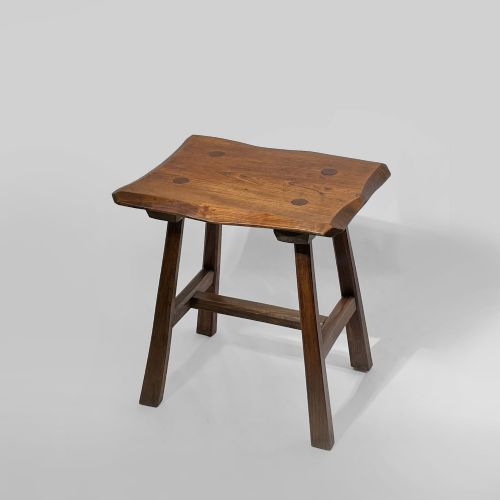
A chinese wooden bench encompasses various forms ranging from rustic elm low tables and stools to elaborate nineteenth-century hall benches and window seats. Buyers searching this phrase encounter provincial seating alongside carved hardwood settles originating from the Qing dynasty and Edwardian periods.
Materials and construction
Construction relies heavily on dense timbers such as elm, rosewood, hardwood, and blonde wood, joined to withstand daily use. Artisans utilised traditional joinery methods alongside surface treatments including lacquer and bone inlay.
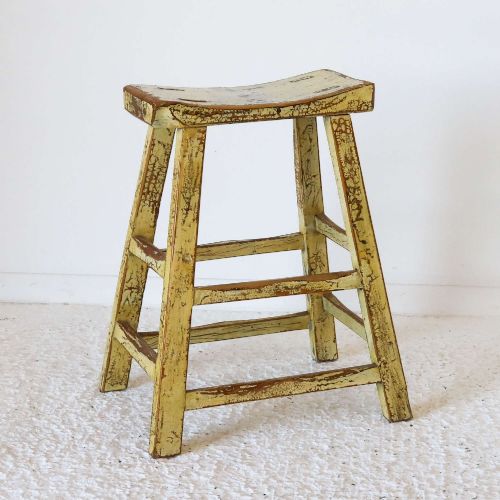
Carved details often decorate the seats and backs, particularly on cinnabar lacquer or hardwood pieces from the nineteenth and early twentieth centuries. Original finishes survive on several lacquered items, showing the application of traditional coating techniques.
Chinese Wooden Bench Retail Price Guide 2026
Typical asking prices for chinese wooden bench among the pieces listed under this phrase on Sellingantiques today, from the lower quarter to the upper quarter. They describe what is for sale here now, not the wider market.
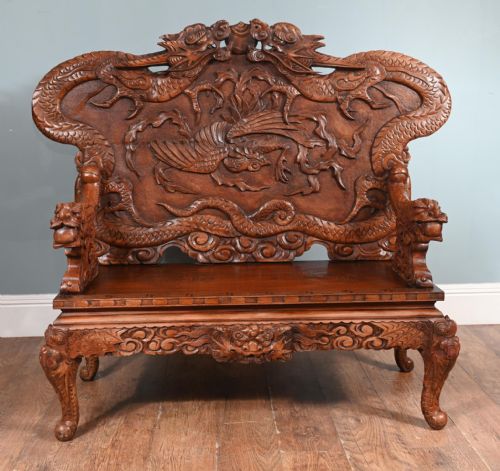
Several dragon benches come equipped with seating so fierce it practically glares at visitors entering the hallway.
Assessing quality and finish
Quality rests on the selection of timber, the crispness of carved dragon or floral motifs, and the preservation of original surfaces. Dense rosewood and huanghuali pieces demonstrate superior material choice compared to standard provincial softwoods or replacement timbers.
Structural integrity and the survival of original lacquer or polish distinguish finer seating sets and hall benches from heavily restored or altered examples. The depth of hand-carving and the subtlety of joinery determine the standing of each piece.
The Chinese Wooden Bench Glossary
- Qing Dynasty
- The final imperial dynasty of China, lasting from sixteen forty-four to nineteen twelve. Pieces from this era often feature elaborate carvings and traditional forms.
- Cinnabar lacquer
- A traditional decorative coating made from the toxic sap of the lacquer tree mixed with mercuric sulphide. It creates a deep red finish suitable for intricate carving.
- Kang table
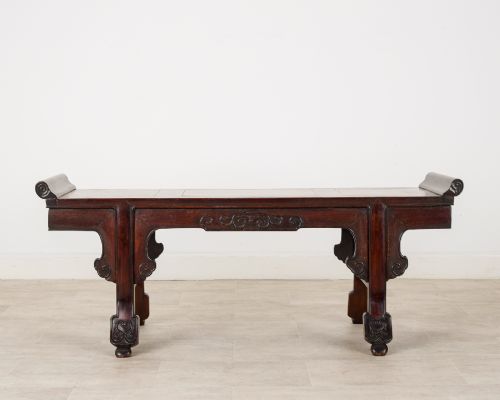
- A low platform table placed on a heated brick bed or used for serving tea. They share similar proportions with low tables and opium tables found in traditional interiors.
- Settle
- A wooden bench with a high back, solid arms, and often a storage compartment beneath the seat. These items served as draught-proof seating in halls.
Chinese Wooden Bench: Frequently Asked Questions
How do I use a hall bench today?
A chinese wooden bench functions well in an entrance hallway as a practical spot for putting on shoes or dropping bags. Its narrow profile suits passage spaces without obstructing movement.
In living areas, these benches provide alternative seating against a wall or beneath a window. Pairing them with cushions softens the rigid wooden seat for longer sitting periods.
What is the difference between a bench and a day bed?
Benches are built primarily for upright seating, featuring backrests and arm supports designed for shorter intervals. They occupy less floor space and often serve functional entryway or dining roles.
Day beds offer a deeper surface intended for reclining or lying down during the day. Their proportions resemble small platforms rather than standard seating furniture.
How should I care for lacquered wood?
Lacquered surfaces require protection from direct sunlight and excessive heat to prevent cracking or fading. Dust the piece regularly with a soft, dry cloth rather than using wet cleaners.
Avoid chemical polishes that can damage historic finishes. A microfibre cloth removes surface particles safely while preserving the original sheen.
Are these benches comfortable to sit on?
Traditional wooden seating prioritises firm support and upright posture over deep cushioning. Many pieces feature carved wooden seats shaped to the body rather than upholstered pads.
Adding loose textiles or wool throws provides extra comfort while maintaining the visual appearance of the antique timber.