

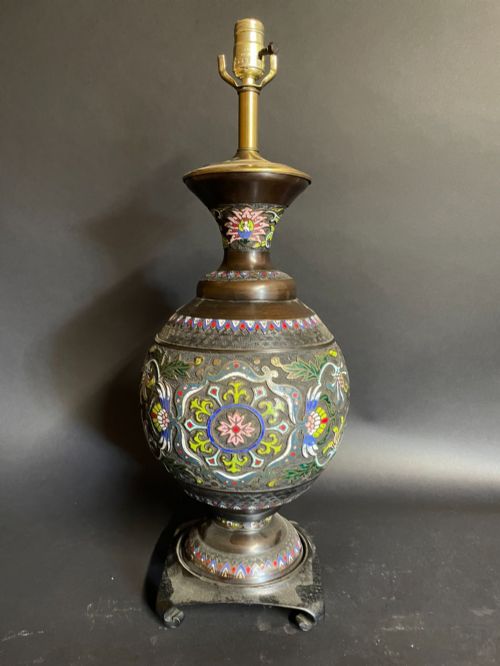


Chinese Vase Base Lamp
These chinese vase base lamp examples bring rich ceramics and patinated metalwork together to illuminate an interior with historic depth.
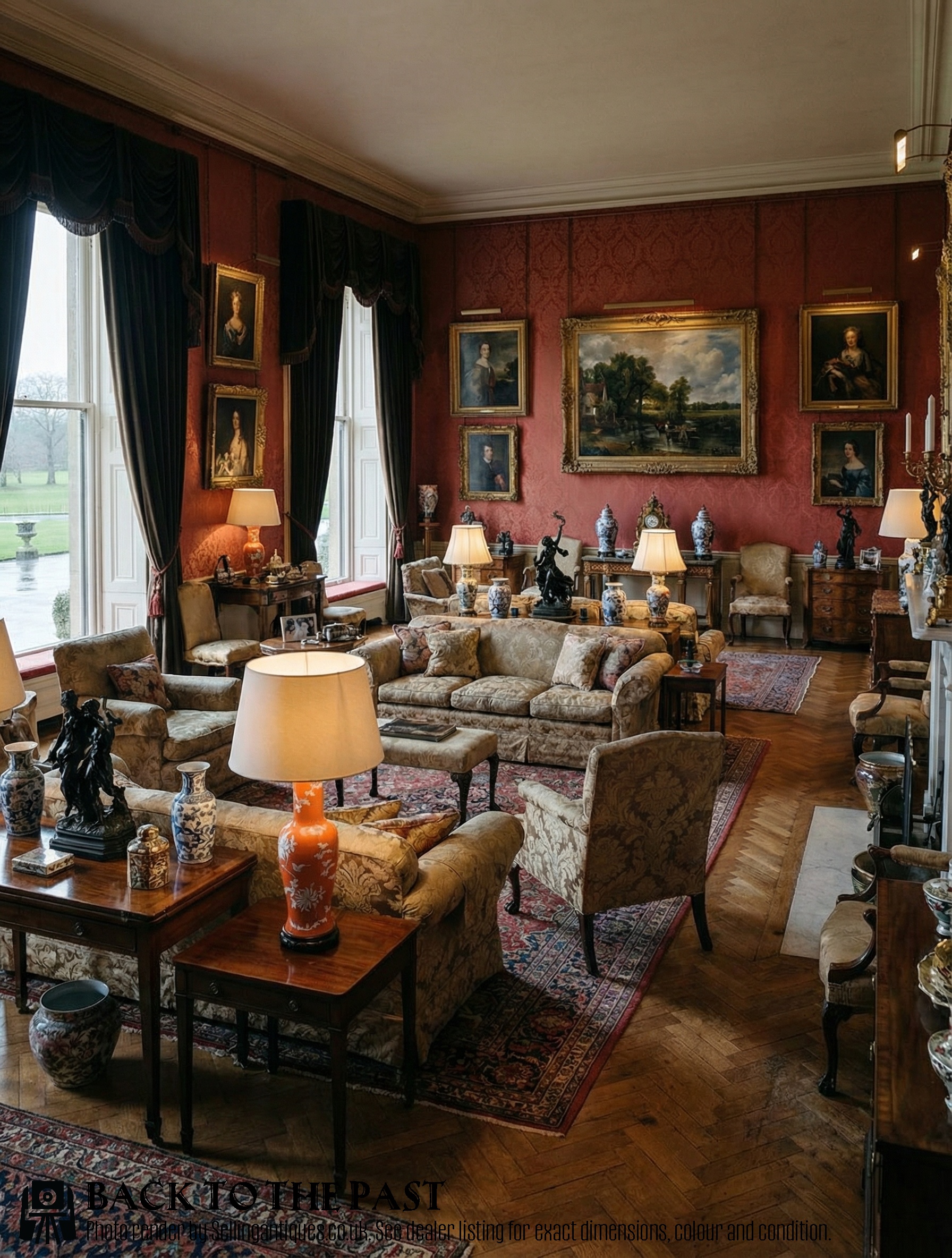
Chinese Vase Base Lamp
A chinese vase base lamp transforms historic ceramic vessels into functional lighting by mounting them with electrical fittings, often incorporating brass or gilt bronze elements. Buyers searching this phrase encounter substantial porcelain vessels adapted mostly during the nineteenth century and the early decades of the twentieth century.
The ceramic bodies take various forms including ginger jars, baluster shapes, and twin handled vessels decorated in blue and white, celadon, or famille rose palettes. Pairs frequently appear alongside monumental single pieces, offering symmetrical options for living spaces and halls.
Origins span Qing Dynasty production alongside export wares and European interpretations like French nineteenth century pieces. The resulting items unite traditional oriental ceramic artistry with period lighting requirements.
Judging quality in conversion pieces
Quality rests upon the preservation of the original ceramic body and the integration of the metal mounts without damaging the antique porcelain. Finer examples display crisp hand painted enamel work, rich glaze depth, and well cast ormolu or brass fittings.
The balance between the vase and its mount determines the visual harmony of the piece. Superior items retain their original character while achieving a sturdy, symmetrical conversion suitable for daily use.
Ginger jars once meant for preserving spices find a second career illuminating bedtime reading through the magic of brass and wiring.
The Chinese Vase Base Lamp Glossary
- Celadon
- A pale green jade-like glaze applied to porcelain. This finish originates from traditional kilns and appears frequently on nineteenth century vessels.
- Famille rose
- A low fired opaque enamel palette dominated by pink or rose colours. It gained prominence in Chinese porcelain decoration during the Qing period.
- Cloisonné
- Metalwork technique where enamel colours are separated by thin metal wires soldered to a base. Pieces utilise this method on brass or bronze surfaces.
- Baluster
- A vase shape with a rounded lower body tapering to a narrow neck. This form provides stability when converted into a table lamp.
- Ormolu
- Gilt bronze mounts applied to furniture and porcelain. French nineteenth century examples often utilise these metallic highlights.
Chinese Vase Base Lamp: Frequently Asked Questions
How are vase lamps wired safely?
Most antique vase lamps are adapted with modern electrical components threaded through the centre or fitted via stable brass collars. Professional rewiring ensures the historic ceramic body remains protected from internal heat.
Buyers should consult a qualified electrician to check older internal wiring and ensure compliance with current safety standards before regular use.
Where should I place a lamp?
These lamps suit side tables, entrance halls, and mantelpieces where their height and decorative presence can be appreciated. Their glazed surfaces catch ambient room light effectively.
Pair them symmetrically on large consoles or use a single monumental piece as a focal point in a reception room.
How do I clean ceramic lamp bases?
Dust the porcelain body gently with a soft dry cloth to avoid scratching the surface or disturbing the painted enamel details. Avoid harsh chemical cleaners that might damage antique glazes.
Metal mounts require a light wipe with a dry microfibre cloth to maintain their natural patination without stripping the historic finish.
Are pairs common for these?
Matched pairs appear frequently alongside single vessels, offering symmetrical options for interior placement. These matched sets often share identical glaze types and decorative motifs.
Single lamps usually feature monumental proportions or distinct colourways such as sang de boeuf or powder blue glazes.