
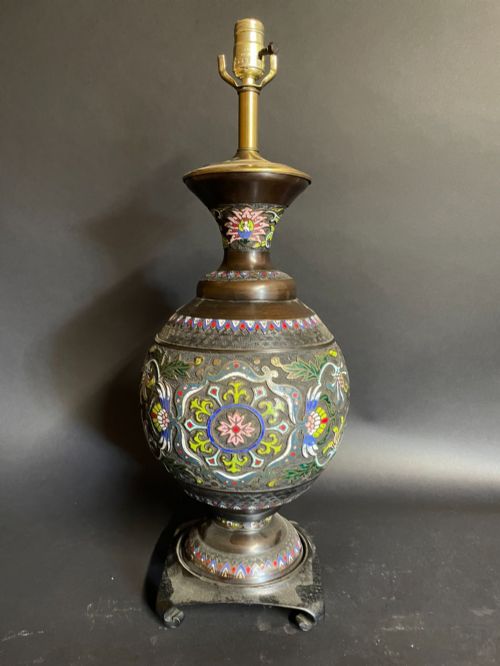


Chinese Urn Lamp
A Chinese urn lamp brings together historic porcelain or bronze bodies and later electrification, offering substantial presence and colour to a room.
Chinese Urn Lamp
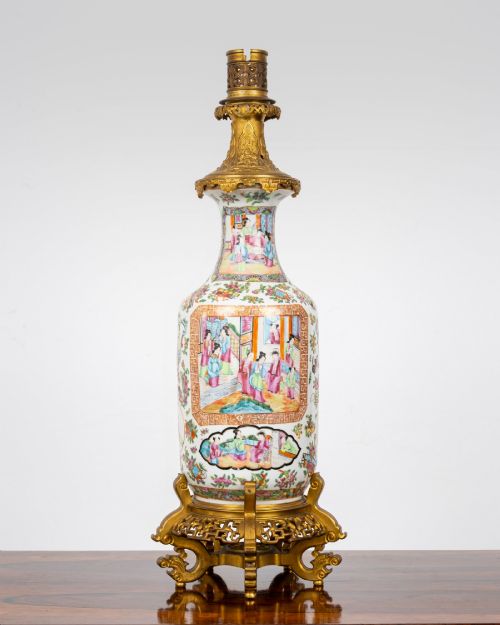
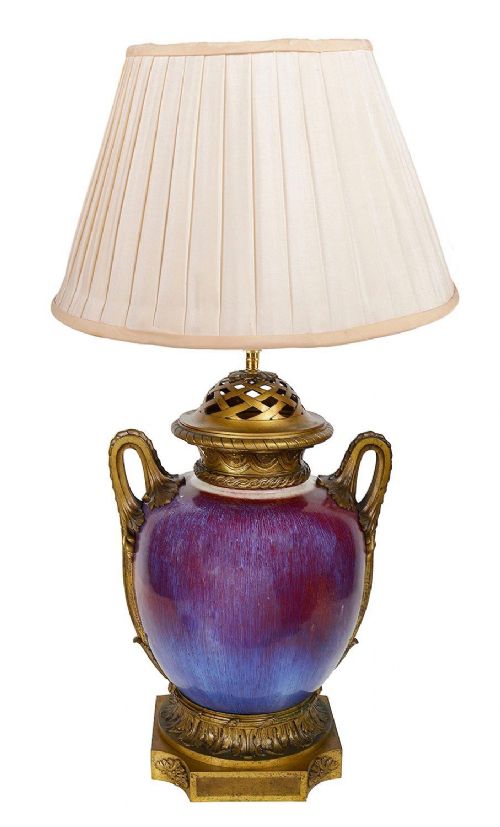
A Chinese urn lamp is typically formed from a converted antique vessel, such as a ginger jar, baluster vase, or lidded jar, mounted for electrical use. The body often originates from the nineteenth century, bearing traditional glazes like blue and white, celadon, powdered blue, or sang de bœuf.
Buyers will encounter porcelain pieces alongside heavy bronze and cloisonné examples. Many retain elaborate mounts in gilt bronze, ormolu, or brass, fitted during their conversion into domestic lighting.
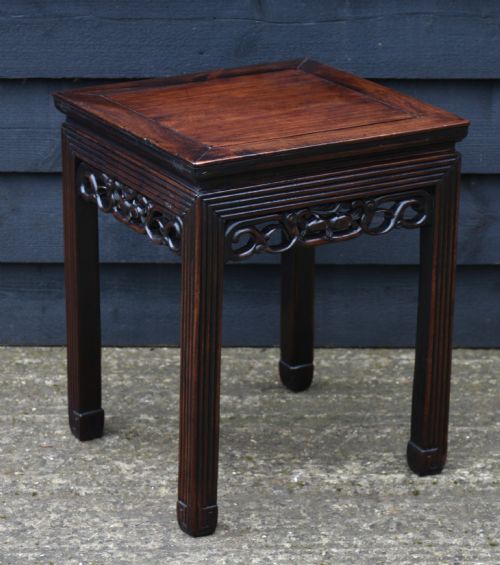
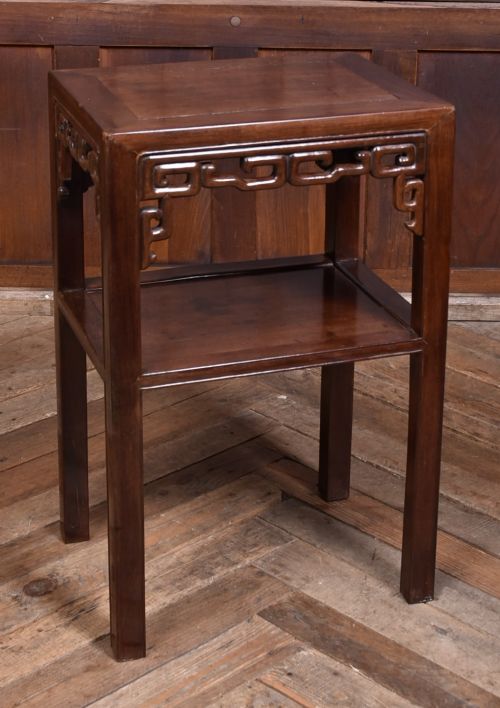
The selection ranges from single imposing display pieces to balanced pairs. Alongside ceramic urns, the category encompasses supporting hardwood tables and stands designed specifically to elevate these objects.
What varies in quality
Quality rests primarily in the crispness of the ceramic painting, the depth of the glaze, and the artistic merit of the original vessel. Nineteenth-century examples with hand-painted details or rich, unblemished monochrome glazes command greater regard than later, mass-produced decorative wares.
The integration of the metal mounts also dictates standard; superior pieces feature bespoke cast ormolu or gilt bronze fittings that complement the contours of the vessel without damaging the body, paired with stable, heavy bases.
Materials span hard-paste porcelain, cloisonné enamel, heavy bronze, and dense tropical hardwoods like rosewood.
Samson Porcelain
The Chinese Urn Lamp Glossary
- Celadon
- A pale green jade-like glaze originating in China, prized for its subtle crackle effect and translucent quality.
- Cloisonné
- A metalwork technique where thin wire is soldered to a base to form compartments, which are then filled with enamel and fired.
- Ormolu
- Gilded bronze mounts applied to furniture and ceramic bases, providing decorative enrichment and structural stability during the nineteenth century.
- Sang de bœuf
- A rich, deep red monochrome copper glaze developed in Chinese ceramics, translating literally to ox-blood.
- Rose Medallion
- A distinct style of Cantonese porcelain decorated with panels of figures, birds, and flowers rendered in vibrant enamels and gilt.
Chinese Urn Lamp: Frequently Asked Questions
How do I choose the right lampshade?
Select a shade that matches the visual weight and scale of the ceramic body without obscuring key decorative panels. Fabric shades in neutral tones or silk constructions work well to balance the ornate patterns of the base.
Ensure the fitting is appropriately sized for the harp or carrier provided. A well-proportioned shade allows the glaze and form of the antique urn to remain the primary focus.
Are these lamps safe to use today?
Most antique lamps require professional rewiring to meet modern electrical safety standards. Many pieces have been converted at different points in their history, making a check by a qualified electrician essential.
Inspect the internal wiring and plug before regular use. Modern components can be fitted discreetly to preserve the historical integrity of the bronze or porcelain body.
How should I clean the ceramic body?
Dust the surface gently with a soft, dry cloth to prevent the accumulation of grime within the glaze or incised details. Avoid harsh chemical cleaners or abrasive materials that could damage hand-painted enamel or gilt highlights.
For stubborn marks on porcelain, use a slightly damp cloth followed immediately by a dry one. Take care around older metal mounts and electrical fixtures to avoid moisture exposure.