
Chinese Tripod Burner
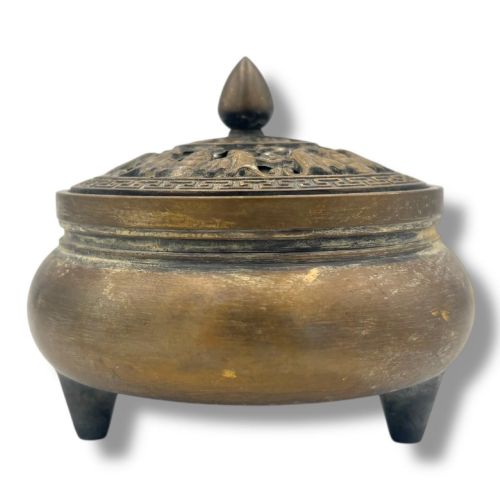
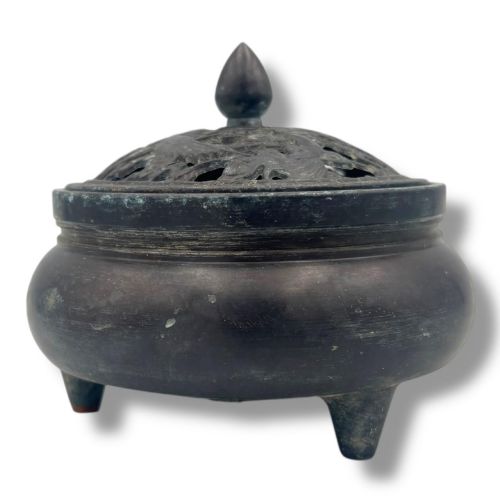
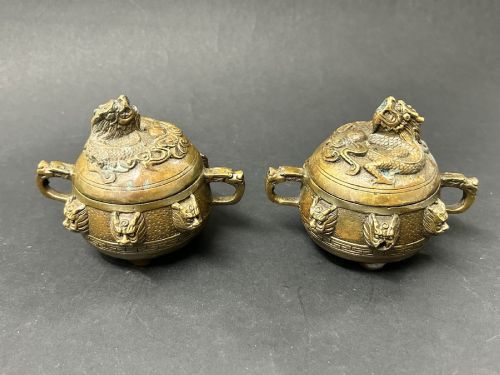
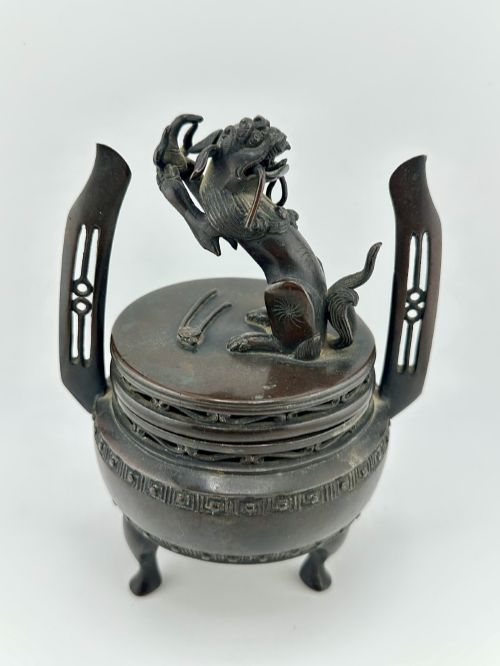
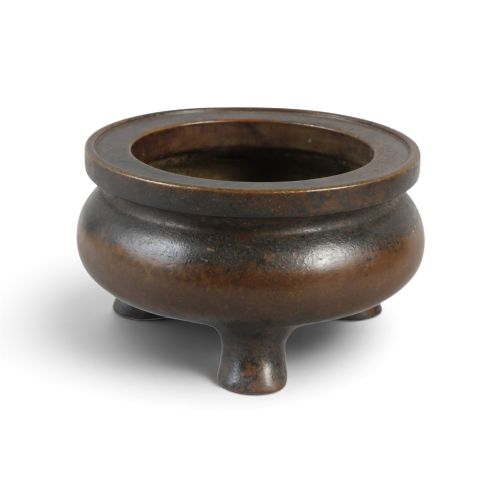
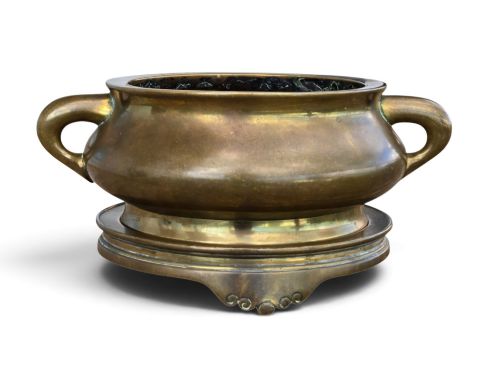
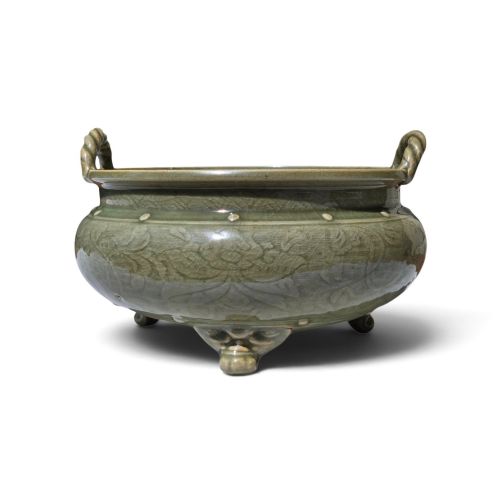
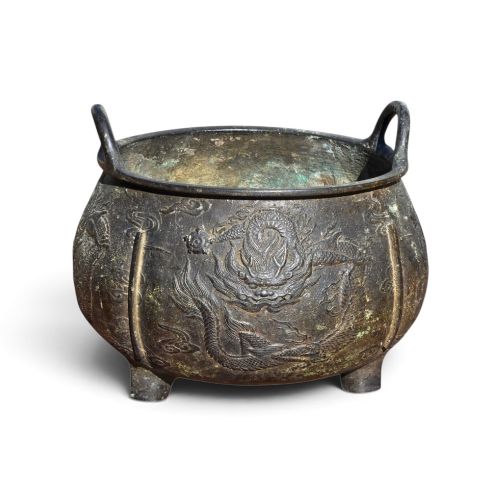
These pieces are a chinese tripod burner, used historically for burning incense and offering an engaging focal point for collectors of East Asian metalwork and ceramics.
Chinese Tripod Burner
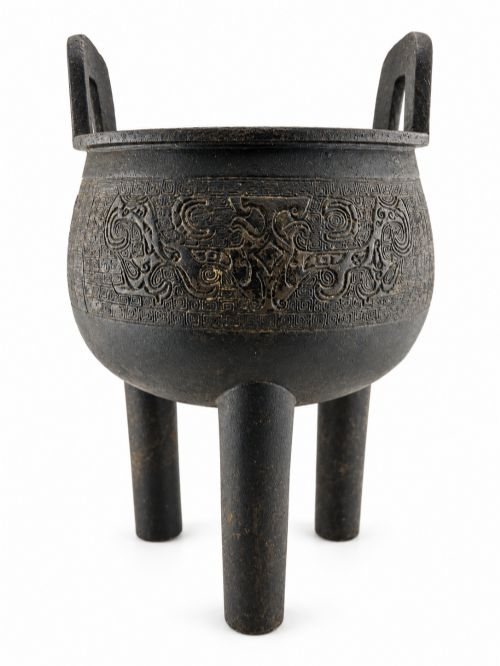
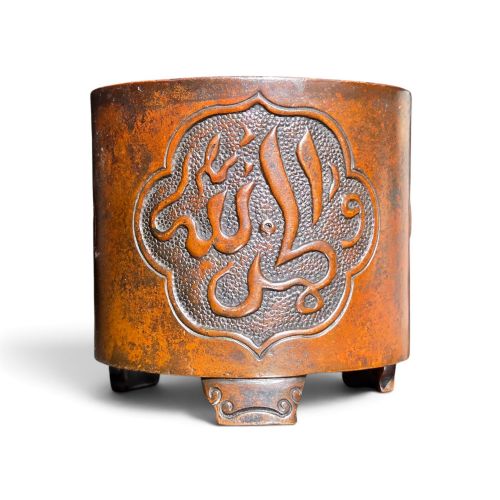
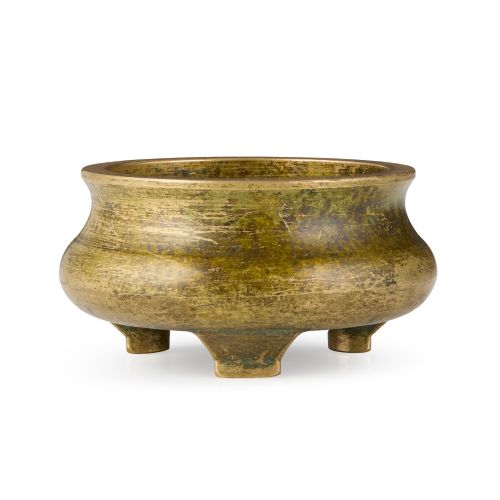
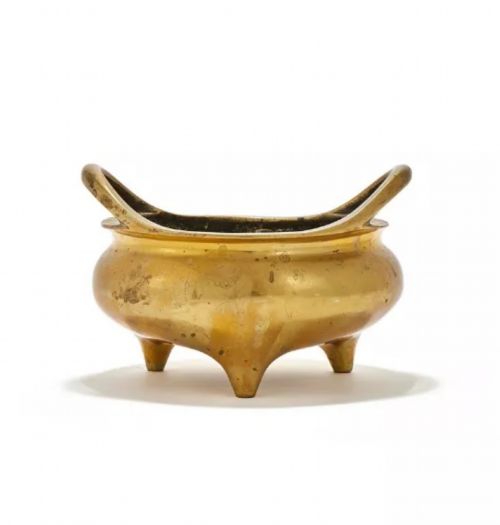
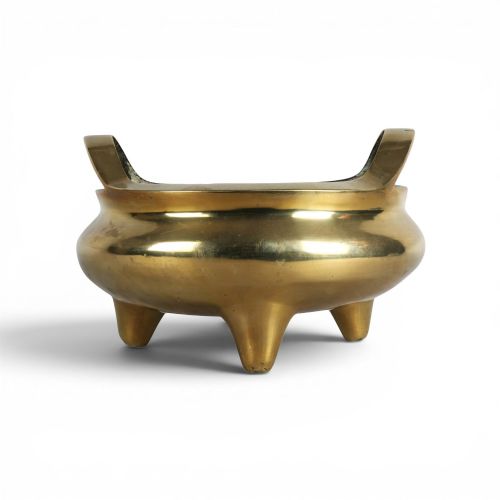
A chinese tripod burner takes the form of a vessel raised on three legs, originating from ancient ritual bronzes and evolving into vessels for scholars' desks and household shrines. The examples encountered on this page span from the Ming and Qing dynasties up to the early twentieth century, taking the shape of dings, cylindrical vessels, and lobed lotus forms.
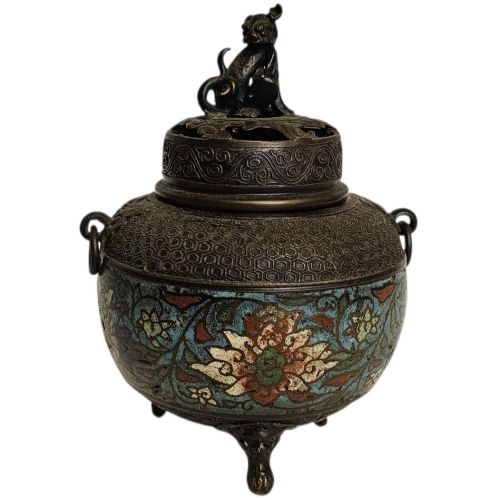
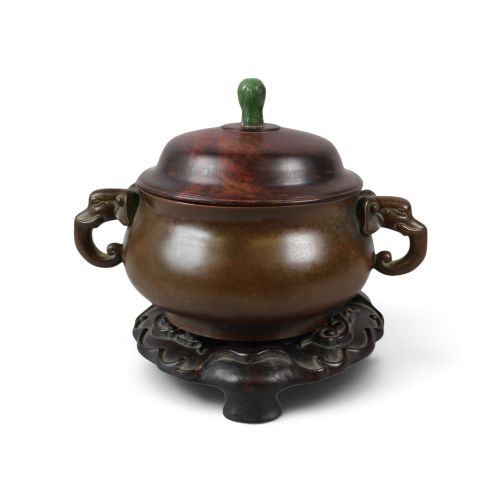
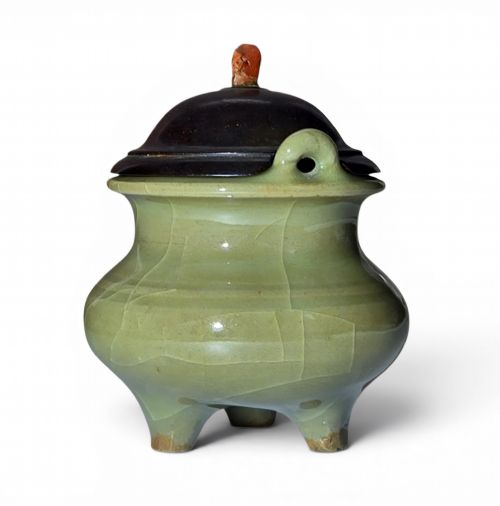
Makers and artisans produced these vessels in cast bronze, brass, copper alloy, cloisonne enamel, jade, and porcelain such as Dehua blanc de chine. Many retain pierced lids featuring qilin, lotus, dragon, or phoenix finials, alongside bespoke hardwood stands made from materials like zitan wood.
The typology encompasses utilitarian scholar's objects as well as monumental ritual vessels weighing several kilograms. Certain pieces display marks attributed to periods like the Xuande or Qianlong reigns, or specific studio marks.
Materials and Technique
Foundry work relied on precision casting methods to achieve heavy-walled bronze and brass vessels with consistent bell-ring resonance and substantial weight. Artisans handled copper alloys and patinated surfaces to produce subtle tonal variations, ranging from deep dark green patinas to polished metallic finishes.
Ceramic versions utilised specialised kilns to fire celadon glazes and blanc de chine porcelain with crisp moulded details such as bamboo sections. Cloisonne examples integrated wirework cells soldered onto metal foundations, filled with vitreous enamel pastes and fired multiple times.
Materials span cast bronze, patinated copper alloy, cloisonne enamel, solid brass, Dehua blanc de chine porcelain, and carved jade.
The Distinction of Execution
Quality rests upon the crispness of cast details like taotie masks, dragon handles, and relief motifs, separating finely chased examples from ordinary production pieces. Heavier weight and balanced wall thickness indicate careful foundry work, particularly in scholar's bronzes designed for tactile appreciation.
The presence of contemporary or period bespoke elements, such as fitted zitan wood covers, carved jade finials, and matching stands, elevates the completeness of a vessel. Patination quality and the clarity of Apocryphal or studio marks further divide standard decorative items from significant scholarly pieces.
The Chinese Tripod Burner Glossary
- Ding
- An ancient Chinese vessel form featuring a round or square bowl supported by three legs, used as the primary structural template for these tripods. Later versions adapted this archaic ritual shape for scholar's studios.
- Censer
- A vessel designed for burning aromatic incense, often fitted with a pierced cover to release smoke. They appear in bronze, brass, cloisonne, and porcelain.
- Cloisonne
- A decorative metalwork technique where flat metal wires are soldered to a metal base to form compartments, which are then filled with coloured enamel paste and fired. This method creates intricate colourful patterns across the body of the vessel.
- Zitan
- A dense, heavy East Asian hardwood prized for its deep purple-black colour and smooth grain. It was frequently utilised to carve bespoke covers and stands for high-status vessels.
- Xuande Mark
- A four-character or six-character mark referencing the Ming dynasty emperor under whom copper casting achieved legendary status. Most marks on later pieces serve as a tribute to this standard rather than indicating exact period manufacture.
Chinese Tripod Burner: Frequently Asked Questions
What is a chinese tripod burner?
A chinese tripod burner is a traditional vessel raised on three legs, designed specifically to burn aromatic incense during rituals, ceremonies, or quiet contemplation in scholar's studios.
They appear primarily in bronze, brass, cloisonne enamel, and porcelain, frequently accompanied by matched covers and carved hardwood stands.
How do I date a bronze censer?
Dating relies on assessing the alloy composition, surface patina, casting sharpness, and stylistic markers such as archaistic taotie decoration or archaic character marks.
Comparing the weight, handle attachment style, and accompanying elements like zitan stands against known period examples helps narrow down the century of origin.
What are Xuande marks?
Xuande marks are reign marks referencing the Ming dynasty emperor whose era set the benchmark for Chinese bronze casting excellence.
Many later Qing dynasty and twentieth-century vessels bear these marks as a sign of respect for traditional craftsmanship rather than as literal proof of fifteenth-century production.
How were these vessels used?
Historically, they served to burn incense resin, wood, or powder to purify spaces, scent scholar's rooms, and create an atmosphere conducive to meditation or writing.
Today, collectors appreciate them both as sculptural decorative objects and as tangible links to traditional East Asian material culture.