


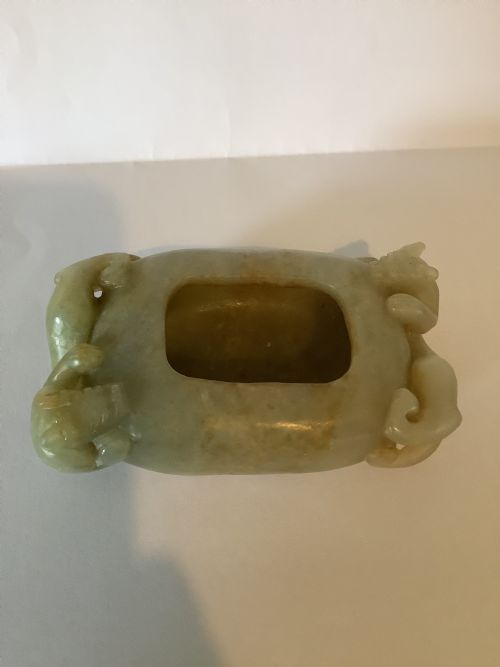


Chinese Scholars Brush Pot
A chinese scholars brush pot holds the scholar's tools of the desk, bringing tactile presence and carved detail to a room.
Chinese Scholars Brush Pot
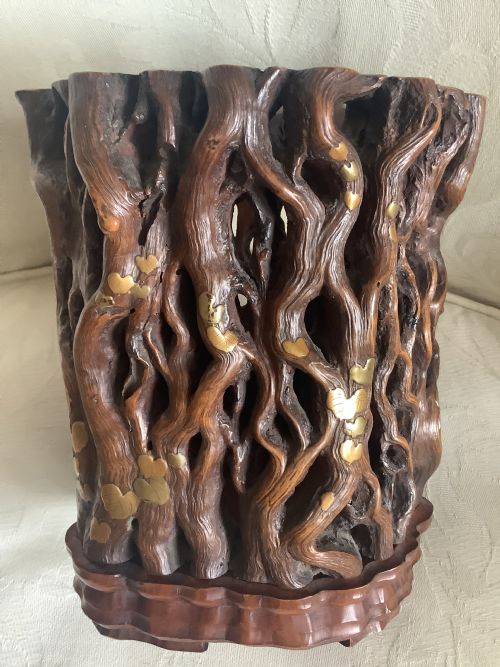
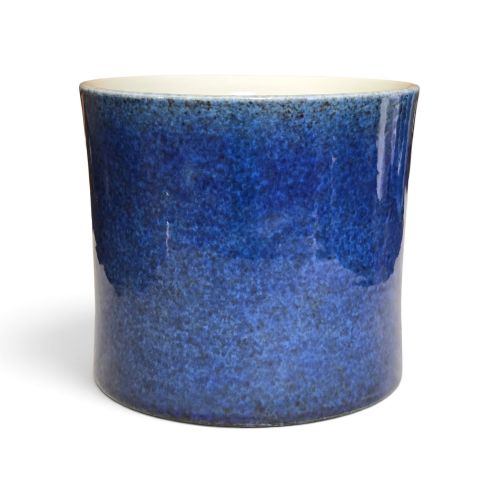
A chinese scholars brush pot forms a central desk accessory for holding writing brushes within the scholar's studio tradition. Examples on this page span the seventeenth century through the twentieth century, encompassing the Qing dynasty and Republic period.
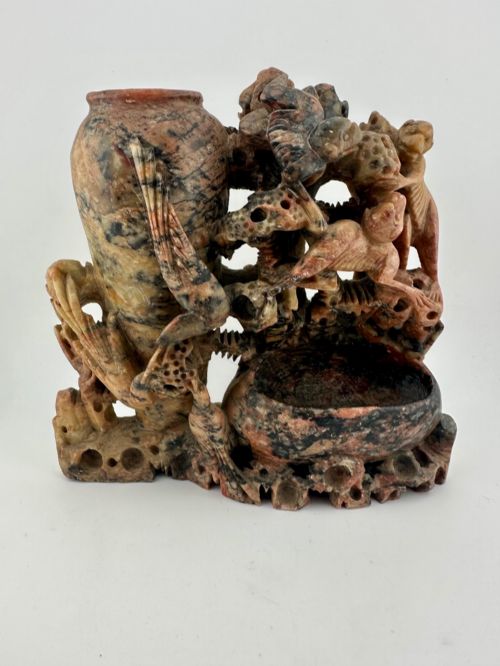
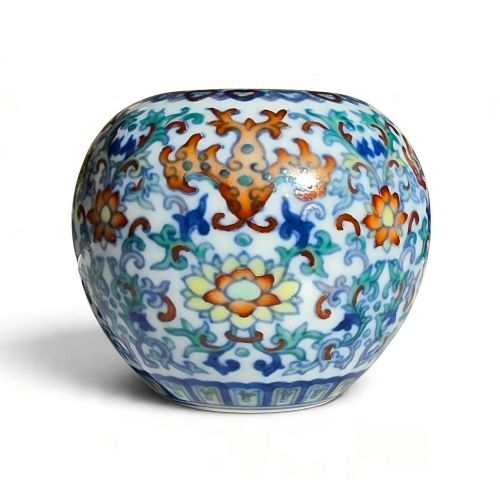
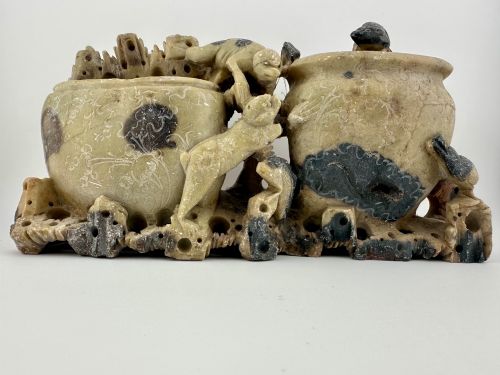
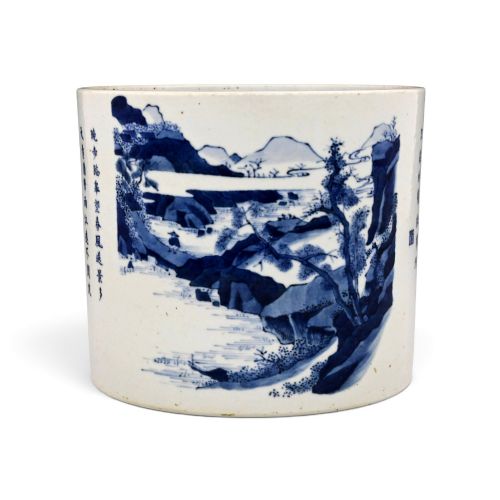
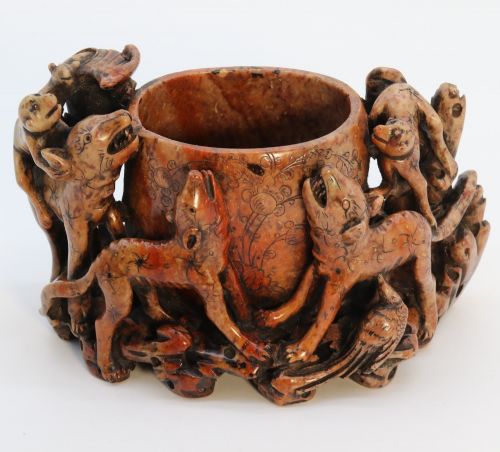
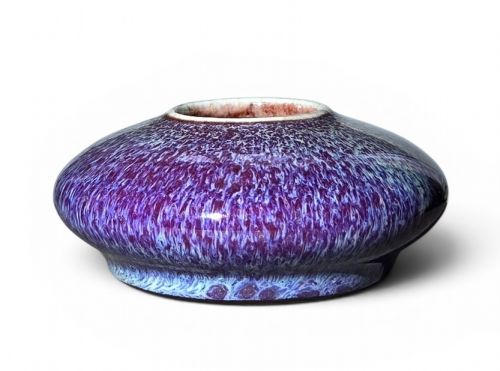
Forms include traditional cylindrical bitong vessels alongside carved soapstone double brush washers and compressed washer shapes. Materials range from carved bamboo and hardwood to porcelain with cobalt underglaze, powder-blue glaze, flambé glaze, and famille rose enamel.
Materials and construction
Natural materials such as bamboo and dense hardwood undergo deep hand carving to reveal intricate figures, landscapes, and scholar scenes across the cylindrical wall. Artisans select sections of root or trunk to utilise the grain and natural growth rings.
Ceramic pieces utilise porcelain shaped into vessels then finished with cobalt underglaze, monochrome glazes like powder-blue and flambé, or polychrome famille rose and famille noire enamels. Soapstone and jade examples demonstrate manual shaping and polishing of mineral blocks.
Chinese Scholars Brush Pot Retail Price Guide 2026
Typical asking prices for chinese scholars brush pot among the pieces listed under this phrase on Sellingantiques today, from the lower quarter to the upper quarter. They describe what is for sale here now, not the wider market.
Eight immortals crowd across a single porcelain wall, sharing space with scholars and attendants who seemingly missed their brush-writing deadlines.
Defining quality in carving and glaze
Depth and precision of the hand carving dictate the visual hierarchy, where undercut layers and expressive figures distinguish accomplished work from simpler execution. The natural integration of the material grain into the narrative scene adds further distinction.
Ceramic quality rests on the control of the kiln firing, glaze purity, and the crispness of painted cobalt or enamel details. Imperial-quality pieces show superior restraint and technical execution in reactive glazes like flambé.
The Chinese Scholars Brush Pot Glossary
- Bitong
- A cylindrical brush pot used on a scholar's desk for holding writing brushes. This traditional vessel shape dominates the ceramic and bamboo items on the page.
- Cobalt Underglaze
- A blue pigment applied to porcelain clay before the application of a clear glaze and high-temperature firing. It produces the deep blue decoration seen on seventeenth-century pieces.
- Flambé
- A streaked, mottled transmutation glaze created in high-temperature kilns during the Qing dynasty. It yields unpredictable and striking red and purple colour variations.
- Famille Rose
- A palette of opaque enamels introduced in the Qing dynasty, dominated by pink or rose colours derived from colloidal gold. It appears on nineteenth-century official and scholar scene vessels.
- Soapstone
- A talc-schist mineral easily carved into intricate desk groups and washers. Its soft texture permits high levels of detail.
Chinese Scholars Brush Pot: Frequently Asked Questions
What is a bitong?
A bitong is the traditional Chinese cylindrical brush pot used to hold writing brushes on a scholar's desk.
These vessels form the primary physical type found among the bamboo, hardwood, and porcelain listings.
How were brush pots used?
Scholar's brush pots stood on the desk to organise writing brushes within the scholar's studio.
They functioned as practical desk accessories and as objects for quiet contemplation and appreciation of material and carving.
How do I date a brush pot?
Dating relies on stylistic evidence, including Qing dynasty reign periods, costume details in scholar scenes, and specific glaze types.
Comparisons between seventeenth-century Kangxi pieces and late nineteenth-century examples reveal shifts in carving depth and ceramic palettes.
What materials are common?
Listings feature carved bamboo, dense hardwood, and porcelain decorated with cobalt underglaze or coloured enamels.
Mineral substances like soapstone and jade also appear in brush washer and desk group formats.