
Chinese Scholar Desk
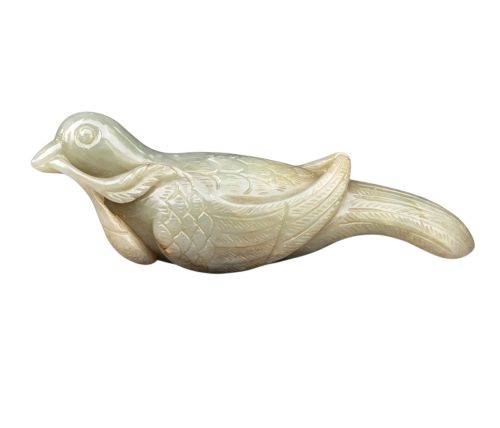
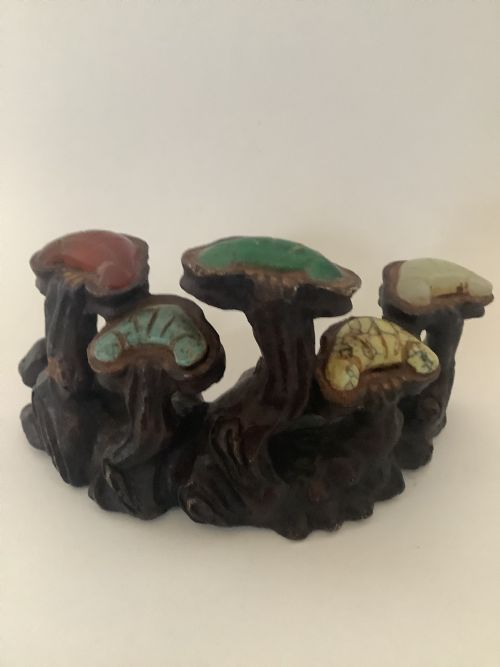
When you search for a Chinese scholar desk, you are looking at items designed for the traditional studio, including brush pots, censers, and carved jade pieces.
Chinese Scholar Desk
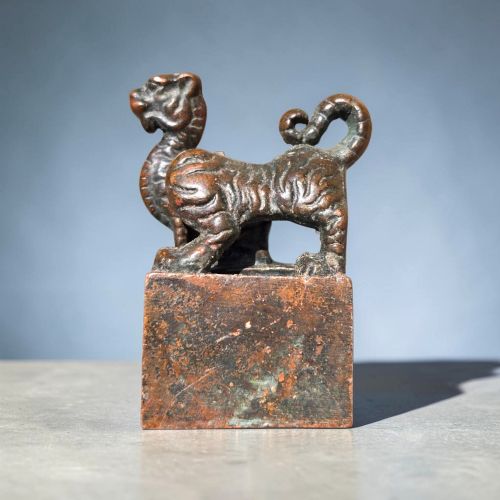
A Chinese scholar desk encompasses utilitarian vessels and decorative desk accessories created for traditional literati spaces. The objects include brush pots, brush washers, paperweights, seals, and incense burners originating from various imperial and republican periods.
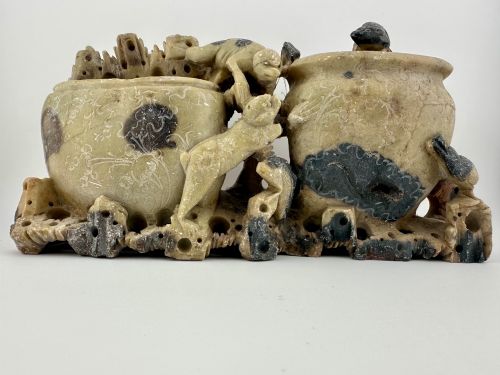
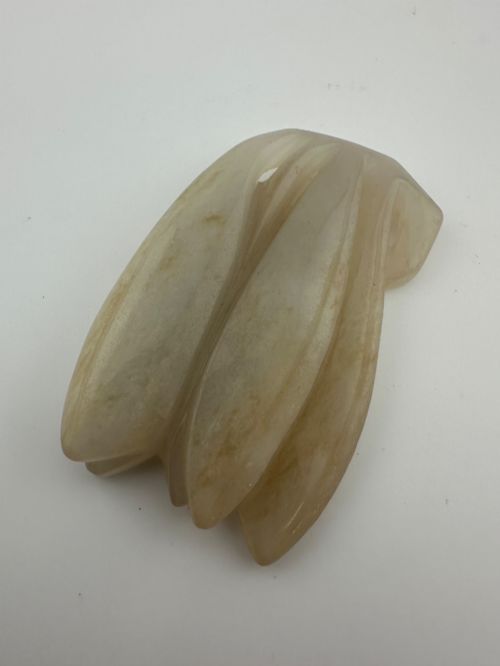
The selection ranges from small jade carvings and soapstone groups to heavy bronze censers and lacquer tables. Each form served a distinct practical or meditative function within the scholar's study.
Materials and Working Methods
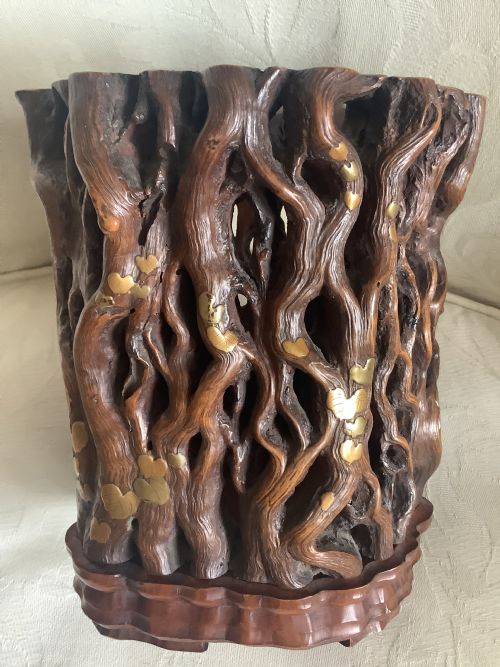
Craftsmen utilised organic and mined materials such as hardwood, bamboo, soapstone, buffalo horn, and root wood, shaping them through detailed carving and polishing techniques. Jade and various stones were worked with abrasive media to achieve smooth surfaces and defined animal or botanical motifs.
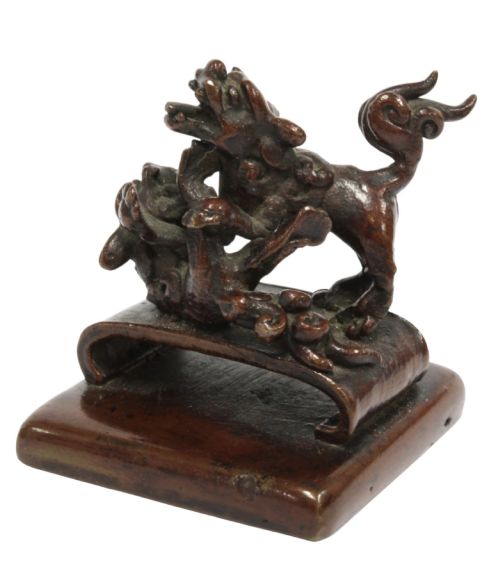
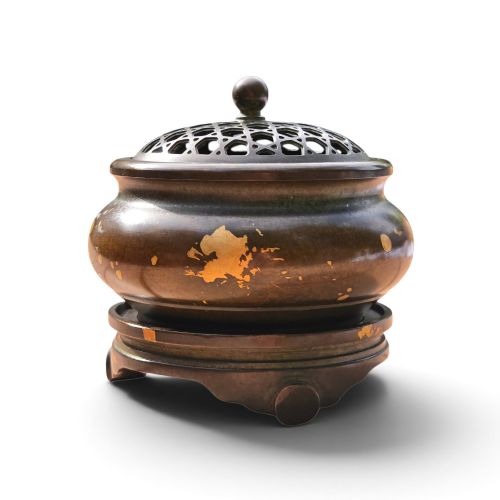
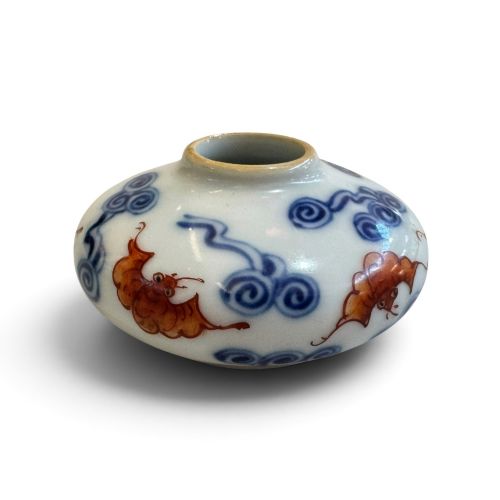
Metalwork involved solid-casting bronze, occasionally applying fire-gilding or gold-splashing to finish ritual vessels, seals, and paperweights. Ceramics required precise control over kilns to produce blue and white, powder-blue, iron rust, and flambé glazes on porcelain bodies.
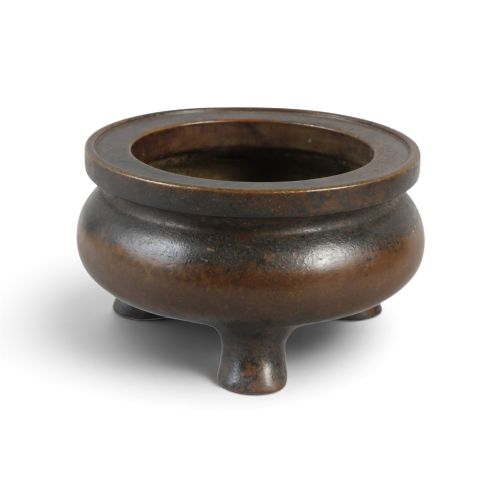
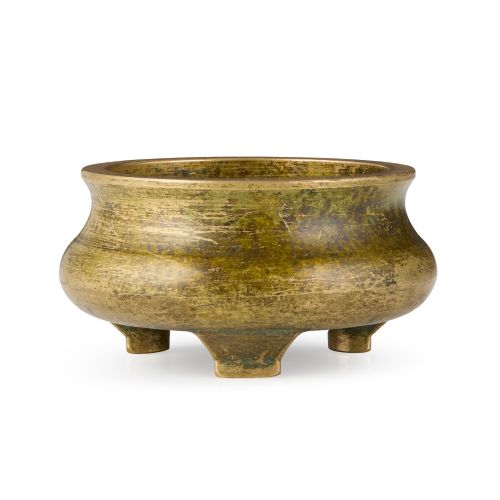
A heavy bronze censer carries a recorded weight of over three kilograms, ensuring the scholar's incense stays firmly anchored.
Evaluating the Pieces
The standard of execution depends on the precision of the carving and the balance of the form, particularly in natural materials like bamboo, hardwood, and soapstone where grain and depth dictate the visual outcome. Superior metalwork shows crisp detail in cast elements such as lion masks or figures.
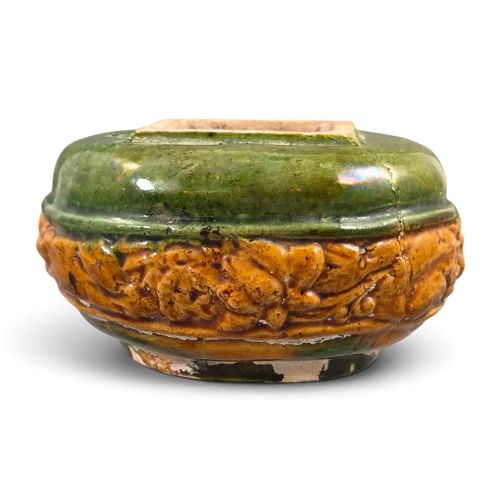
Porcelain and jade items vary according to the purity of the material, the control of the glaze, and the subtlety of the underglaze painting or carving. Objects bearing period marks or imperial associations often demonstrate a higher degree of workshop discipline.
The Chinese Scholar Desk Glossary
- Bitong
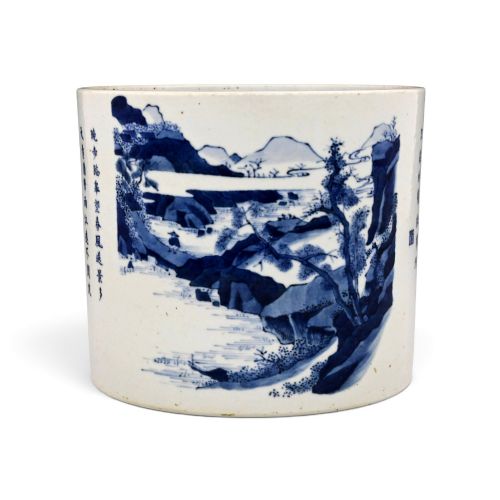
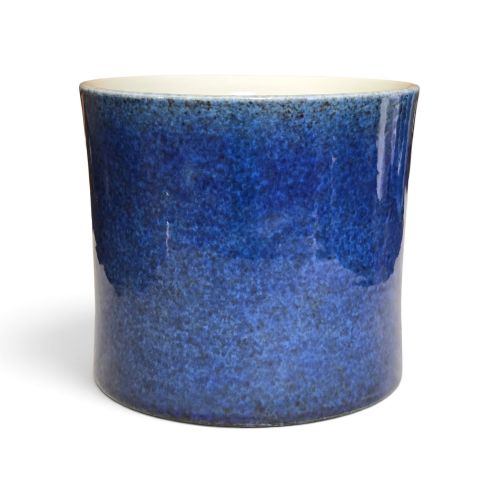
- A cylindrical brush pot used to hold writing brushes on the scholar's desk. These vessels appear in porcelain, bamboo, and hardwood.
- Celadon
- A pale green or grey-green jade or ceramic glaze imitating the qualities of jade. This finish is frequently seen on ritual vessels and carvings.
- Censer
- A vessel designed for burning incense during study or meditation. Examples in the evidence are cast in bronze or formed from blanc de chine ceramic.
- Soapstone
- A softer metamorphic rock easily carved into detailed brush washers, seals, and figural groups. Shoushan stone is a notable variety.
- Zhenzhi
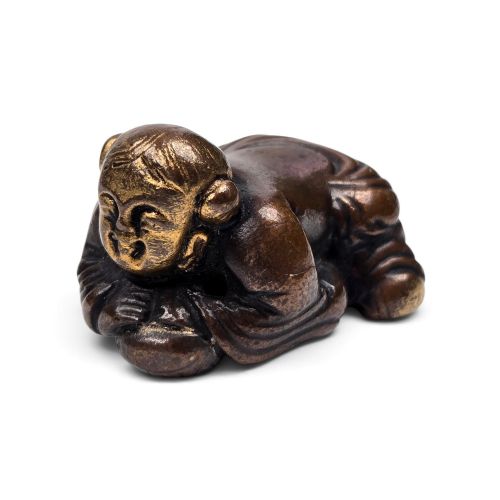
- A paperweight used to hold paper flat during calligraphy and painting practice. They take forms such as reclining figures or cast bronze shapes.
Chinese Scholar Desk: Frequently Asked Questions
What items belong on a scholar desk?
Traditional items include brush pots, brush washers, ink blocks, water vessels, and seals used for calligraphy and painting.
Desk accessories also encompass bronze censers, table screens, and carved paperweights designed for daily scholarly use.
How do I identify a brush pot?
A brush pot, or bitong, is a straight-sided cylindrical container designed specifically to organise writing brushes.
They are commonly found in materials like porcelain, bamboo, and hardwood, often decorated with figural scenes or natural motifs.
What materials were used for seals?
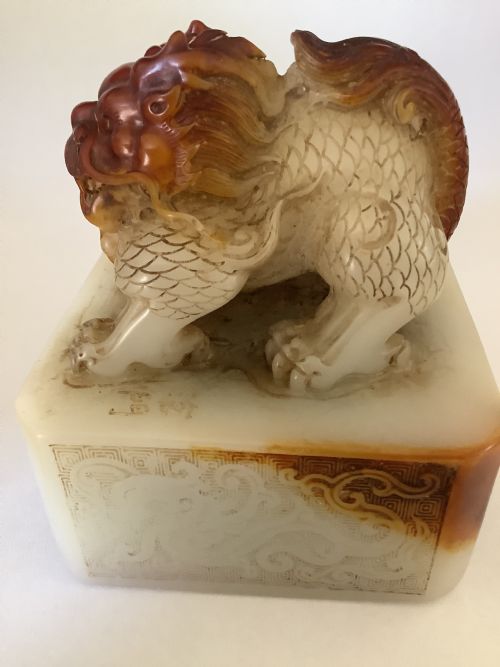
Scholar seals were carved from hardstones such as soapstone, Shoushan stone, and jade-type materials.
Bronze was also utilised for cast seal sets featuring mythical creatures like qilin or shishi on the finials.
How are different dynasties distinguished?
Dynastic attribution relies on stylistic traits, glaze types, and specific carving techniques recorded across periods from the Ming to the Republic era.
Imperial marks and known workshop styles help narrow the date of manufacture alongside material characteristics.