



Chinese Porcelain Pottery
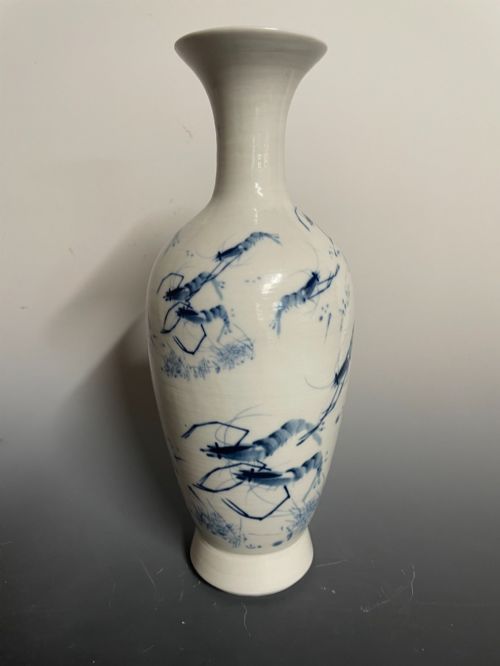
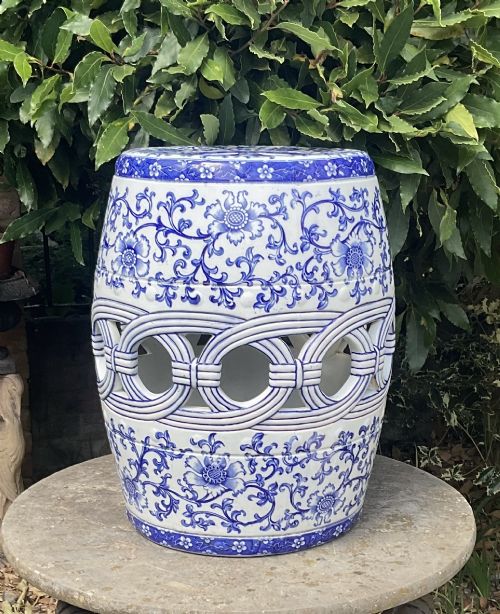
Chinese porcelain pottery spans centuries of imperial kilns and export workshops, offering collectors finely painted blue and white vessels, monochrome glazes and robust stoneware forms.
Chinese Porcelain Pottery
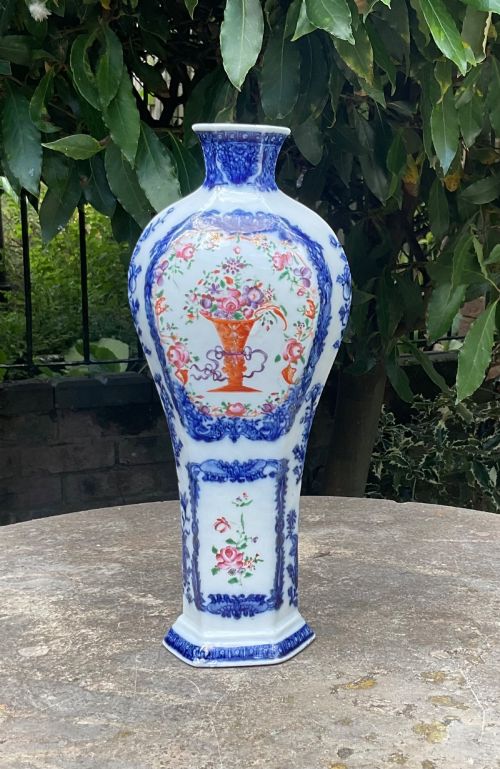
When you search for chinese porcelain pottery, you encounter a lineage stretching from early Song dynasty celadons and Qing dynasty famille rose vases to later export wares and domestic vessels.
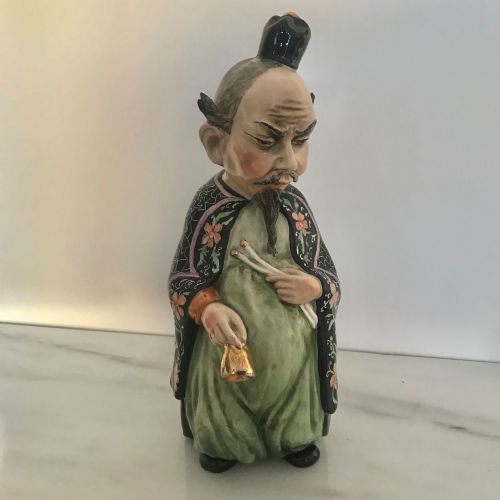
The objects on this page include ginger jars, brush washers, chargers, moon flasks and figurative sculpture created for both court patronage and international trade.
Vessels range from utilitarian storage jars to monumental display pieces, showing shifts in glaze chemistry and decorative ambition across centuries of production.
Materials and Techniques
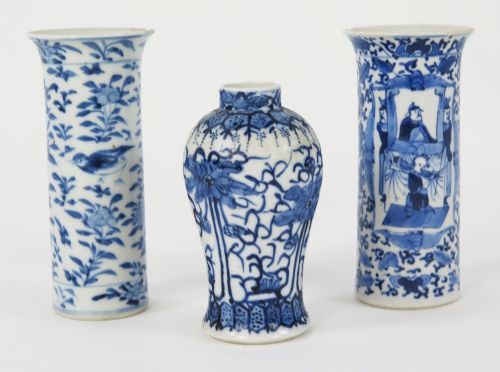
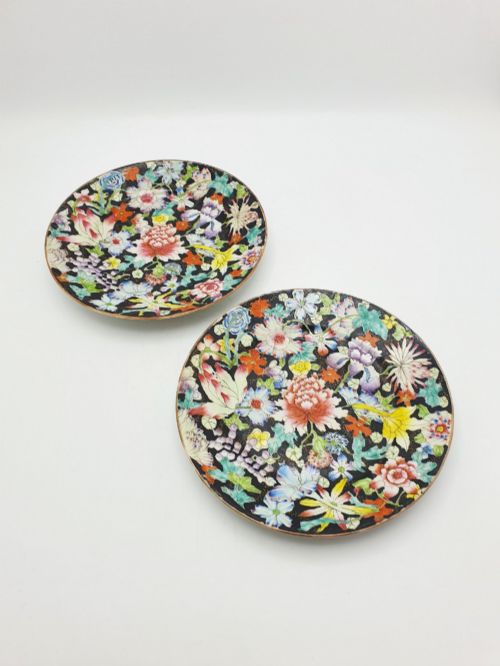
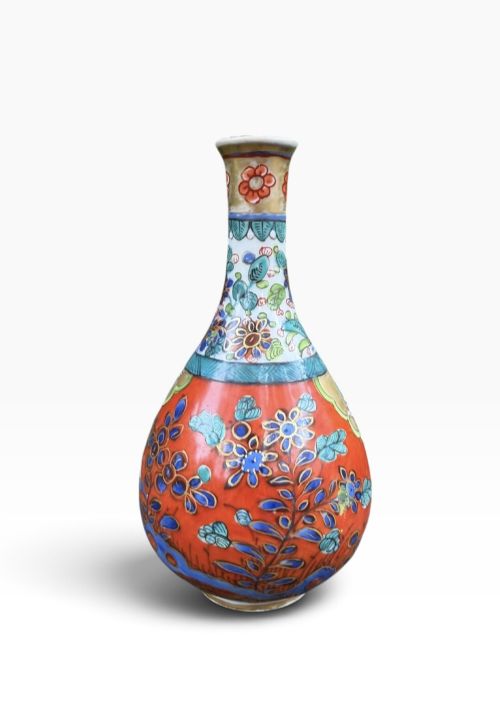
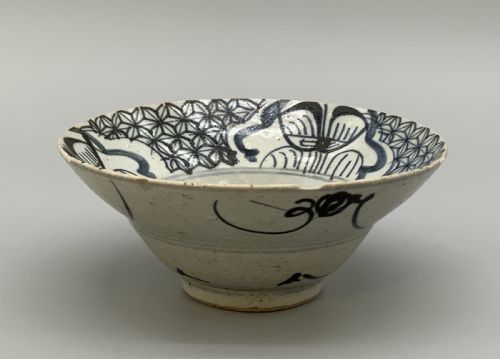
Potters combined high-firing ceramic bodies with cobalt underglaze, iron rust glazes, copper-red pigments and vibrant enamel palettes applied over the fired surface.
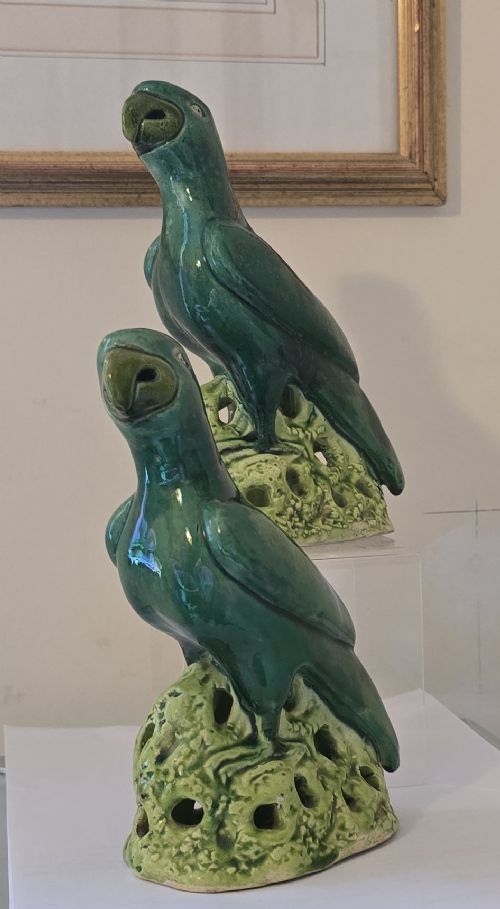
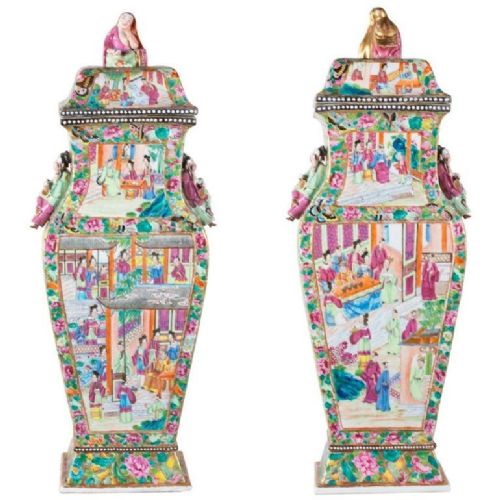
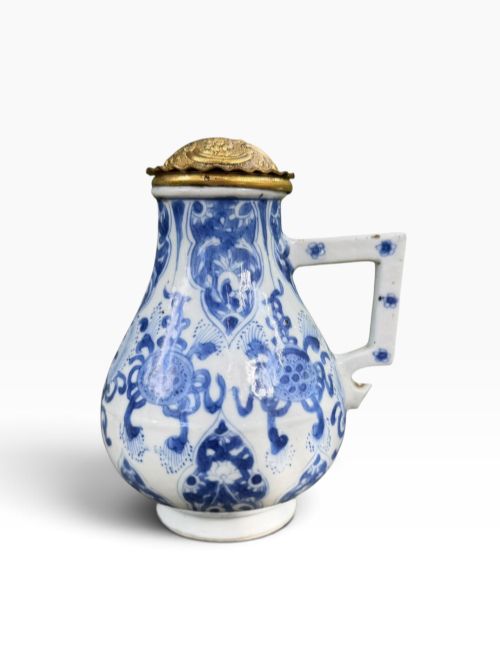
Specialised techniques involve carved celadon surfaces, gilt metal mounts added in Europe, and intricate mouldings seen in stoneware figurines and jars.
Chinese Porcelain Pottery Retail Price Guide 2026
Typical asking prices for chinese porcelain pottery among the pieces listed under this phrase on Sellingantiques today, from the lower quarter to the upper quarter. They describe what is for sale here now, not the wider market.
A porcelain cockerel stands ready to crow, proving that imperial kilns possessed a wonderful sense of humour.
Defining Quality
Superior examples demonstrate precision in the underglaze brushwork, depth of colour saturation, and control during high-temperature kiln firings.
Artistic merit lies in the balance of form and decoration, where restraint in monochrome glazes or density in multi-coloured enamels reflects the skill of the workshop.
Jingdezhen·Minton·Wedgwood
The Chinese Porcelain Pottery Glossary
- Celadon
- A transparent green glaze over a pale ceramic body, often featuring carved or incised floral motifs that emerge from beneath the glassy surface.
- Famille Rose
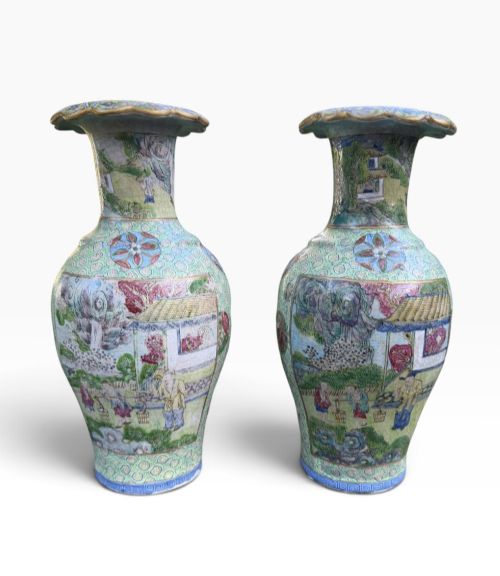
- A palette of opaque pink and red enamel colours introduced during the Qing dynasty, used for painting detailed figures, birds and floral sprays.
- Kraak porcelain
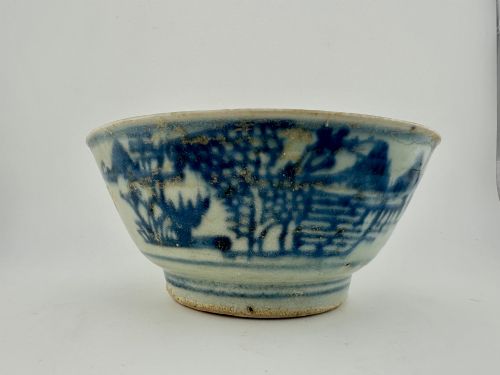
- Chinese export blue and white porcelain from the late Ming period, characterised by panelled borders and central landscape or animal scenes.
- Underglaze blue
- Cobalt pigment applied directly to the raw clay body before applying a clear glaze and firing, producing a permanent blue design beneath the glossy surface.
Chinese Porcelain Pottery: Frequently Asked Questions
How do I identify a Qing dynasty piece?
Look for specific glaze types like monochrome tea dust or iron rust, alongside famille rose enamels and imperial reign marks underneath.
Compare the weight, potting style and foot rim finish with established examples from the 18th and 19th centuries.
What is the difference between celadon and blue and white?
Celadon relies on iron in the glaze reacting in the kiln to produce green shades, often accented with carved or moulded decoration.
Blue and white utilises cobalt painted directly onto the clay body before glazing to create contrasting cobalt designs.
How should I display large porcelain chargers?
Support heavy chargers and basins with sturdy wall mounting brackets designed specifically for deep or foliate rims.
Keep them away from direct sunlight and high-traffic areas to protect the enamel surfaces from accidental impacts.
Are shipwreck pieces marked differently?
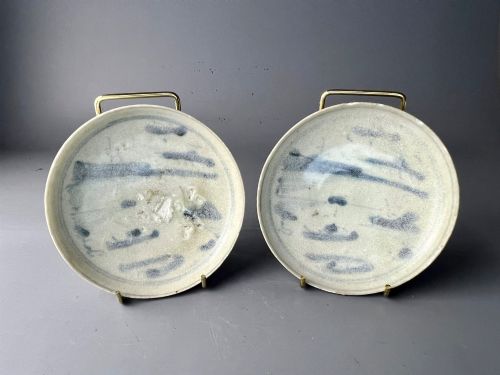
Cargo recovered from maritime sites often displays minimal marine encrustation or specific auction labels tied to the recovery.
The porcelain itself shares standard potting characteristics with domestic export wares of the same period.