
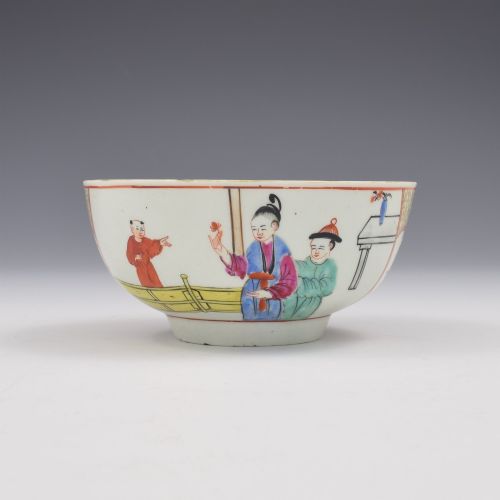


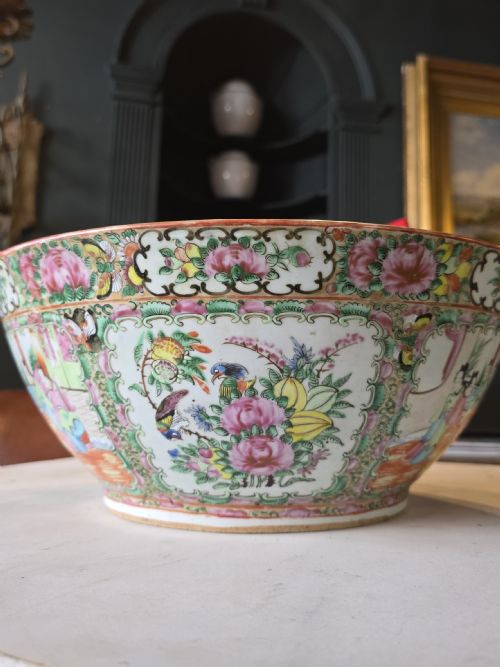


Chinese Polychrome Bowl
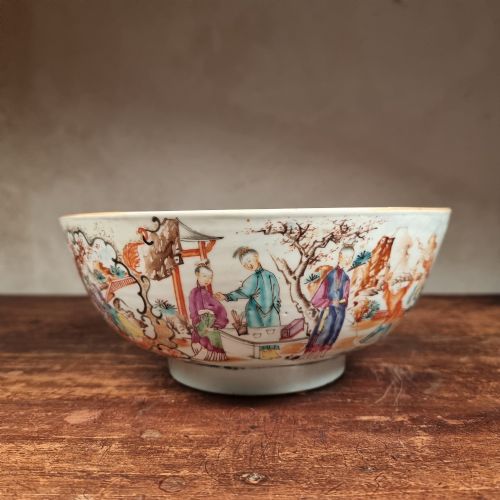
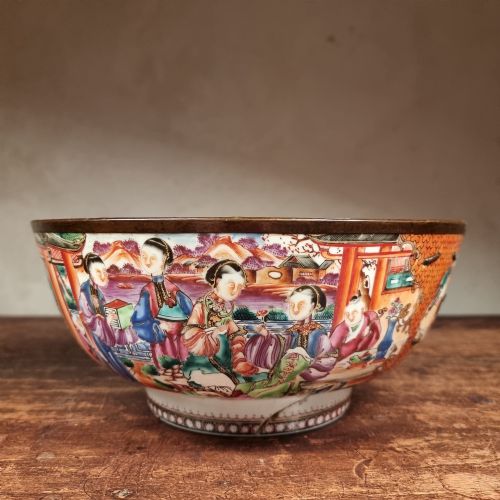
A chinese polychrome bowl brings vibrant palettes and detailed narrative scenes from historic kilns directly to a modern interior.
Chinese Polychrome Bowl
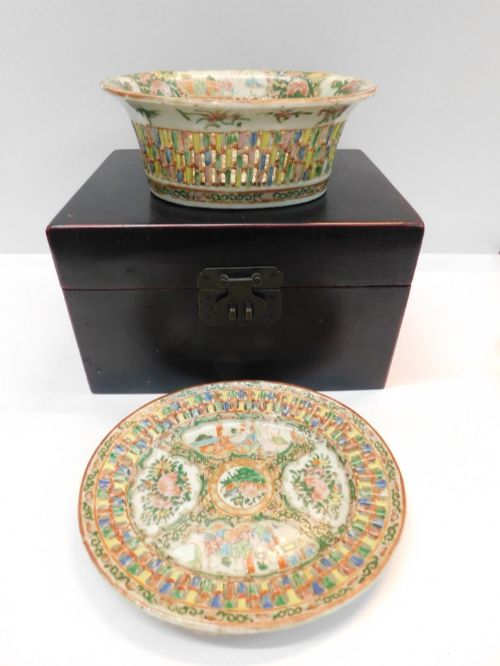
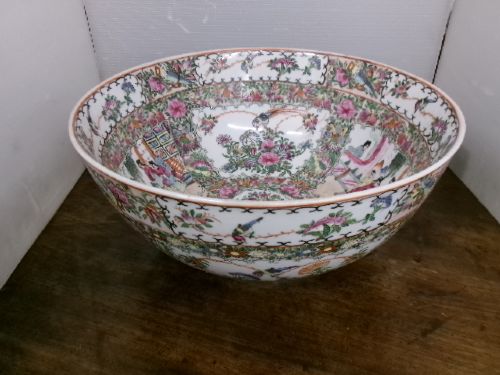
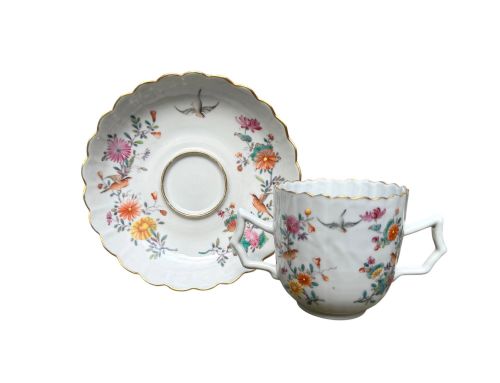
A chinese polychrome bowl brings together centuries of ceramic history, with examples spanning from the Ming dynasty to the 20th century. A buyer searching for this phrase encounters various forms, from large punch bowls and jardinières to delicate tea bowls and saucers.
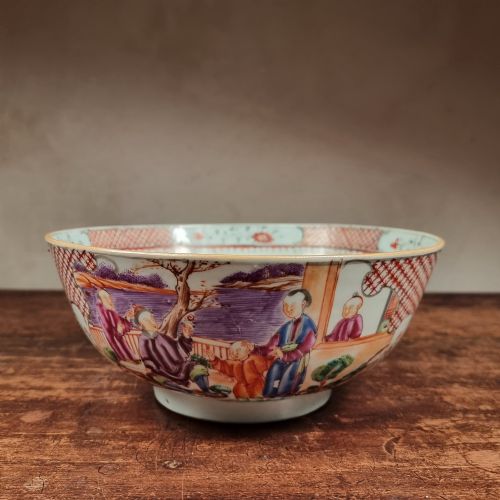
The selections on this page draw heavily from the Qing dynasty and Chinese Export wares, alongside 19th-century Cantonese production. Pieces range from large decorative table centrepieces to smaller tableware, reflecting both domestic use and international trade.
How they were made
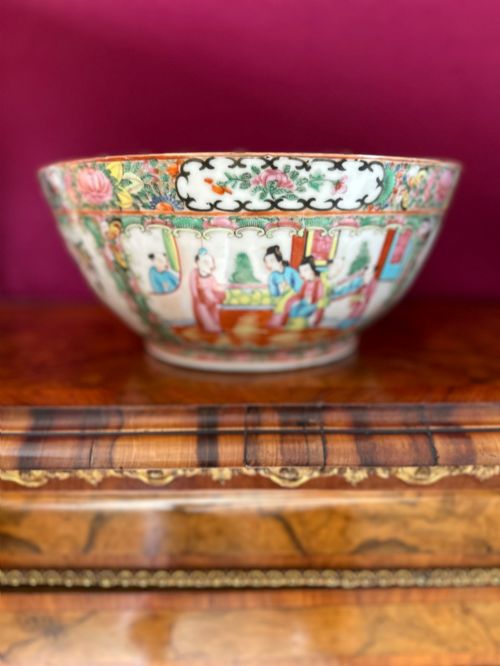
Potters shaped these objects primarily from porcelain, ceramic, and occasionally copper or bronze, applying enamel, overglaze enamel, and gilding to create rich surface decoration. Hand-painting defines the output, utilising pigments that capture intricate figures, flora, and fauna.
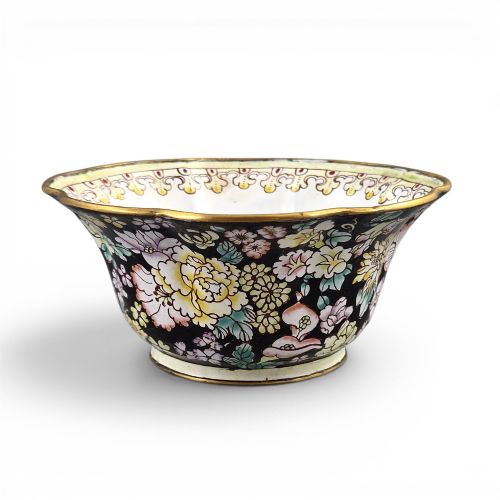
Techniques varied from delicate eggshell porcelain throwing to heavier copper-body enamelling seen in cloisonné and champlevé planters. Gold leaf and gilt highlights frequently accent the painted polychrome schemes, fixed through secondary firing stages.
Materials recorded across the current inventory include ceramic, copper, bronze, gold leaf, and overglaze enamel.
What varies in quality
Quality rests in the precision of the hand-painting and the clarity of the enamel colours across the surface. Finer examples display meticulous brushwork in figurative scenes and disciplined control over the palette.
The weight and finish of the porcelain or metal body also separate standard output from superior pieces. Stronger potting, balanced forms, and well-preserved gilding distinguish the best examples.
The Chinese Polychrome Bowl Glossary
- Famille Rose
- A palette of opaque enamels dominated by pink or rose colours, introduced during the Qing dynasty. This technique allowed for nuanced shading and detailed pictorial designs on porcelain.
- Canton
- A style of Chinese export porcelain associated with the port of Guangzhou, featuring crowded panels of figures, birds, and flowers. These pieces often incorporate gold leaf and bright polychrome enamels.
- Overglaze enamel
- Pigments applied to a previously fired and glazed ceramic body before undergoing a second, lower-temperature firing. This method preserves vibrant hues on the exterior surface.
- Punch bowl
- A large, deep vessel originally designed for mixing and serving alcoholic beverages during social gatherings. They frequently occupy a central display position due to their generous painted diameters.
- Cloisonné
- A metalwork technique where wires create raised partitions, or cloisons, which are then filled with coloured enamel paste. The object is fired and polished to produce a smooth, patterned surface.
Chinese Polychrome Bowl: Frequently Asked Questions
How do I care for an antique bowl?
Clean these fragile ceramic and enamelled pieces gently using a soft, dry cloth to remove dust. Avoid chemical cleaners, immersion in water, and placement in direct sunlight to protect the surface pigments.
Display the vessels on stable surfaces away from high-traffic areas where accidental knocks might occur. Supporting the base properly ensures the longevity of larger bowls and jardinières.
What is Chinese Export porcelain?
Chinese Export porcelain refers to ceramics manufactured in China specifically for overseas markets in Europe and the Americas. These wares often combined traditional domestic potting techniques with decorative motifs tailored to foreign tastes.
The resulting pieces bridged Eastern craftsmanship and Western interior design, remaining highly collectable today. They document centuries of global trade and cultural exchange.
How can I identify a Qing dynasty piece?
Examination of the paste, glaze characteristics, and reign marks provides key indicators of a Qing dynasty origin. Stylistic markers such as famille rose palettes and specific hand-painted motifs help narrow down the production era.
Consulting comparative examples from the same period assists in confirming dates. Subtle variations in brushwork and potting reveal the working methods of historical kilns.
Were these bowls used for dining?
Many larger vessels functioned as punch bowls or centrepieces for communal dining and entertainment. Smaller teacups, saucers, and bowls served daily tea and dining needs within wealthy households.
Over time, the role of these objects shifted from functional tableware to decorative display items. Their durable construction allowed them to survive centuries of handling.