



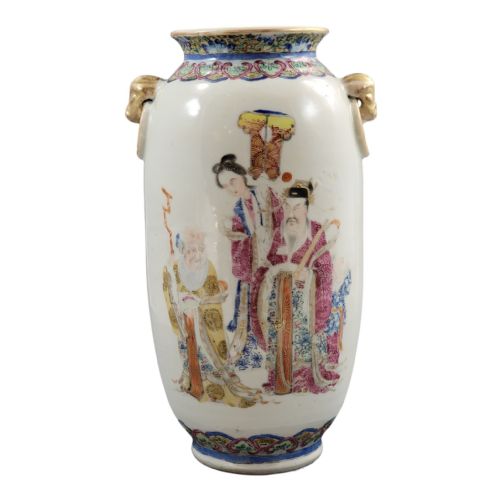

Chinese Painted Pottery
Chinese painted pottery encompasses ancient tomb figures and later porcelain decorated in cobalt and enamel, offering rich colour and historic depth.
Chinese Painted Pottery
Chinese painted pottery spans early terracotta burial figures alongside later ceramic vessels decorated in cobalt and enamel. When searching for Chinese painted pottery, collectors encounter both ancient ritual objects and subsequent decorative wares.
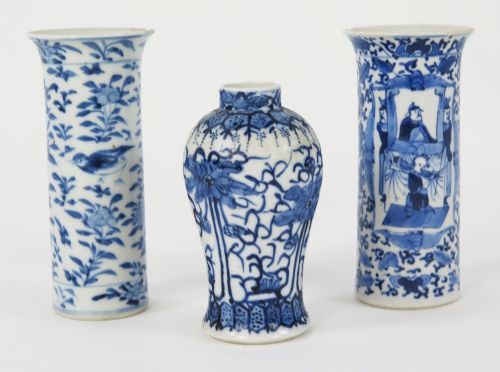
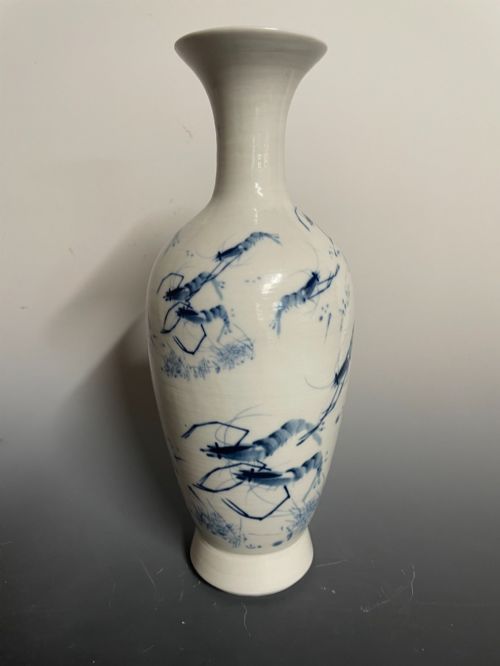
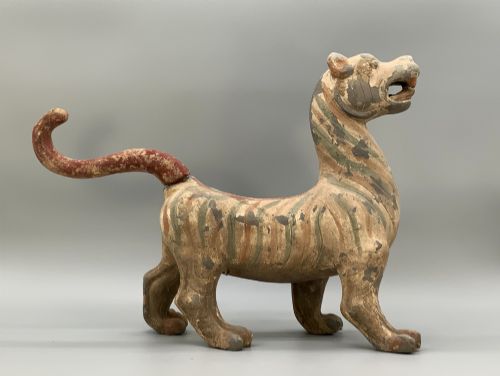
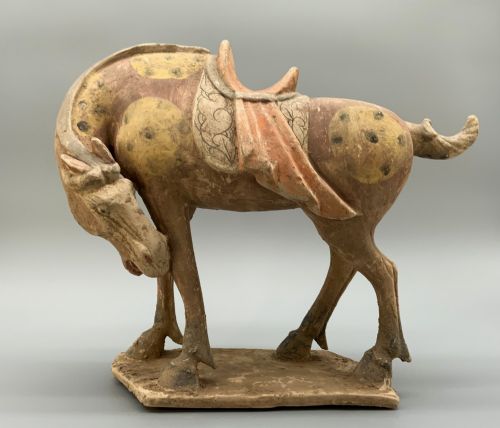
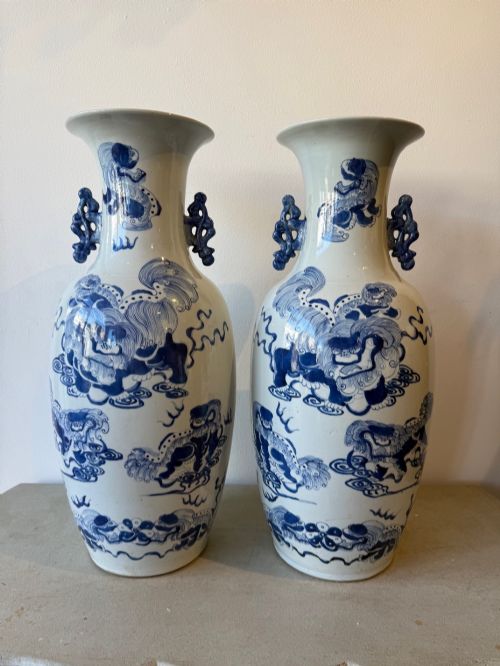
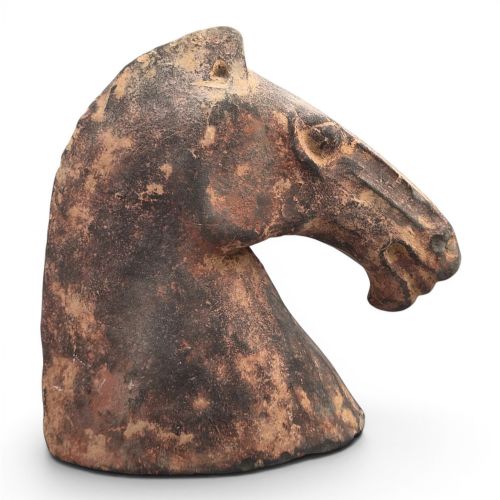
The pre-sixteenth century examples frequently comprise terracotta tomb figures and mythical beasts originating from dynasties such as the Han and Tang. Later periods contribute porcelain vases, jars, and bowls finished with cobalt glaze and polychrome enamels.
Materials and production methods
Potters shaped native clay into vessels and figures, applying pigments directly to unglazed earthenware surfaces in ancient examples. Later items utilise refined porcelain bodies finished with cobalt underglaze or lead-based enamels.
Firing took place in high-temperature kilns where cobalt and copper-red pigments fused beneath transparent glazes. Subsequent enamelling required a second, lower temperature firing to fix the palette onto the finished ceramic surface.
Chinese Painted Pottery Retail Price Guide 2026
Typical asking prices for chinese painted pottery among the pieces listed under this phrase on Sellingantiques today, from the lower quarter to the upper quarter. They describe what is for sale here now, not the wider market.
Listings span periods from Han and Tang dynasties through to the nineteenth and early twentieth centuries.
Distinguishing quality across the range
Quality rests upon the crispness of the painted detail and the balance of the form, whether evaluating an early terracotta figure or a later porcelain vase. Superior pieces display confident brushwork and precise control over cobalt and enamel pigments.
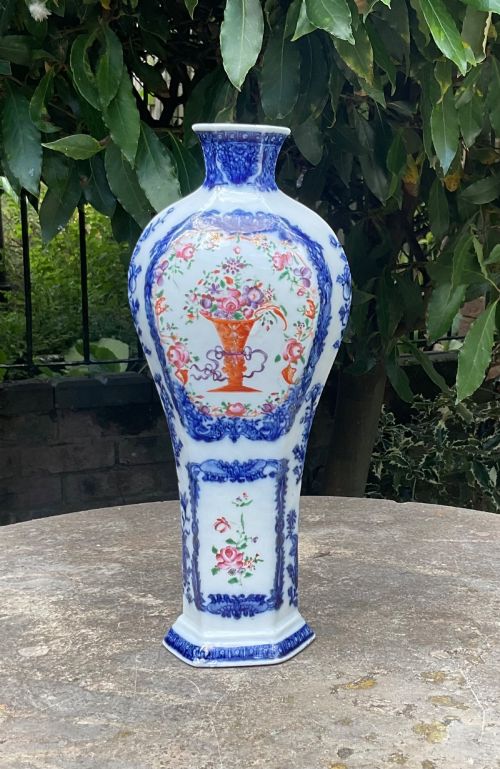
The condition of the pigment and glaze preservation dictates much of the appeal, as fragile surface decorations on ancient terracottas or delicate famille-rose enamels are prone to wear over centuries.
Gao Hengsheng
The Chinese Painted Pottery Glossary
- Terracotta
- Fired clay used for early sculptural figures and burial objects. It provides the porous substrate for ancient painted pigments.
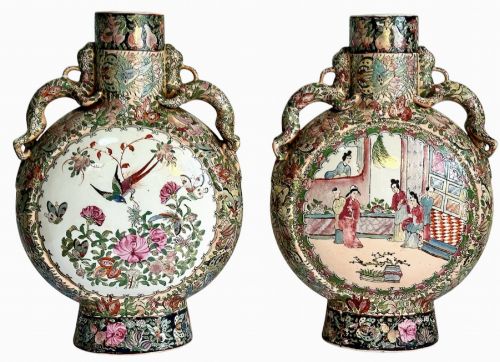
- Famille-rose
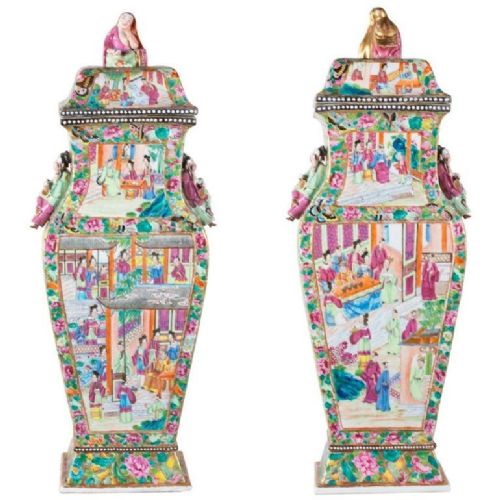
- A porcelain palette introduced in the Qing dynasty featuring an opaque pink enamel alongside other soft colours. This group includes intricate depictions of figures and floral motifs.
- Cobalt underglaze
- Blue pigment applied to the raw ceramic body before glazing and firing at high temperatures. It creates durable decoration beneath a clear glossy finish.
- Mingqi
- Burial goods placed in tombs to serve the deceased in the afterlife. These painted terracotta figures represent animals, guardians, and attendants.
- Sancai
- A three-colour glaze technique characteristic of Tang ceramics. It typically employs amber, green, and cream tones.
Chinese Painted Pottery: Frequently Asked Questions
What is Chinese painted pottery?
Chinese painted pottery includes ancient terracotta tomb figures bearing remnant pigments and later porcelain vessels decorated with cobalt and enamel.
These pieces range from early ritual figures of horses and guardians to finely finished household vases and jars.
How do I care for painted pottery?
Keep pieces away from direct sunlight to protect delicate surface pigments and enamels from fading over time.
Dust gently with a dry, soft brush and avoid liquid cleaners on porous earthenware items.
How are different periods told apart?
Early periods like the Han and Tang are identified by terracotta bodies and burial contexts, whereas Qing dynasty items generally feature refined porcelain and coloured glazes.
Stylistic markers such as famille-rose enamels or cobalt underglaze blue point directly to later production dates.
Were these items meant for daily use?
Early terracotta figures served funerary and ritual purposes rather than domestic functions within a household.
Later porcelain vases, bowls, and jars were created for display, storage, and scholarly pursuits.