

Chinese Metalwork Burner
These pieces are tangible expressions of ritual craft, offering collectors solid bronze and cloisonne vessels designed for burning incense.
Chinese Metalwork Burner
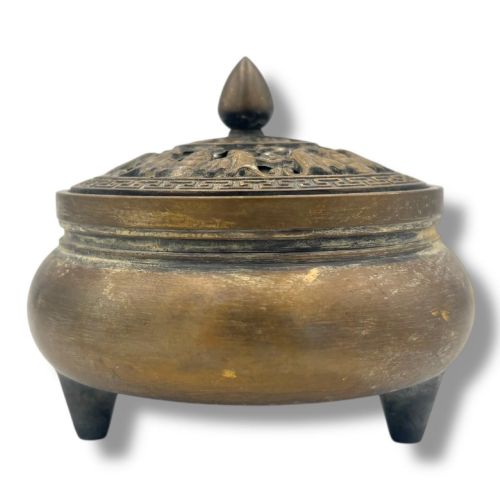
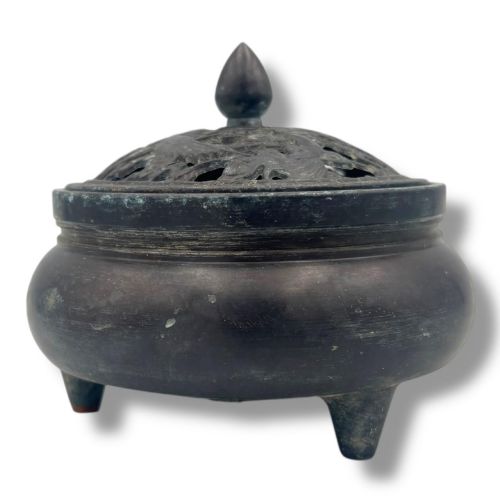
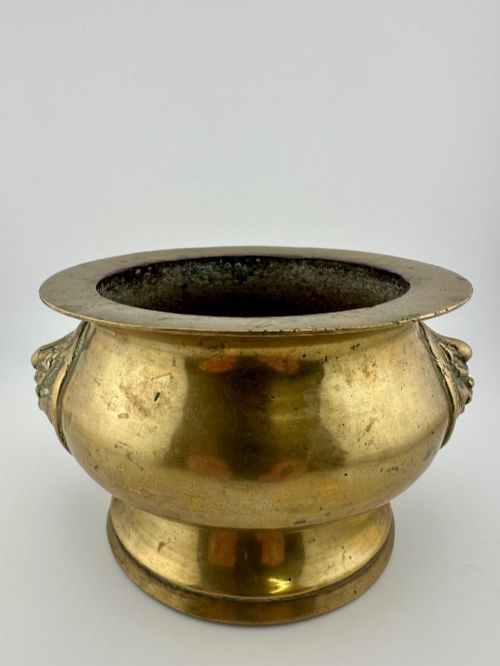
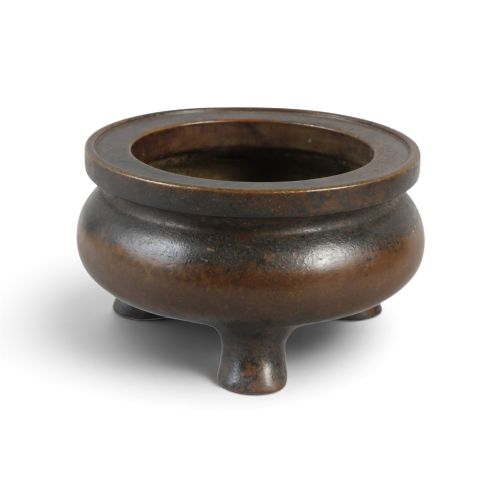
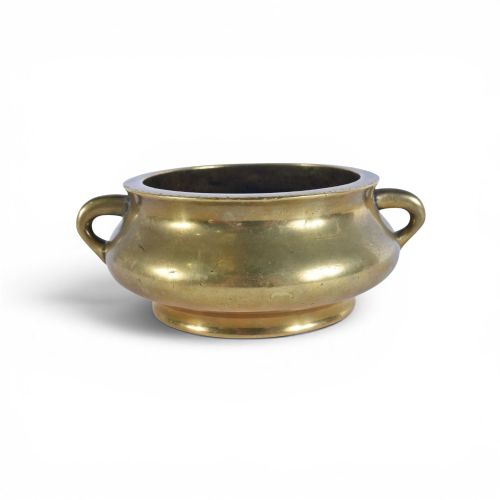
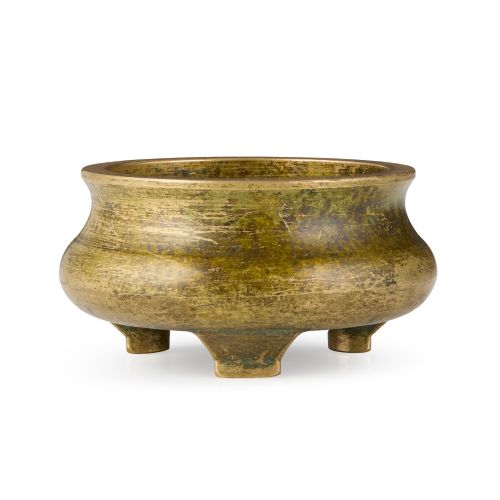
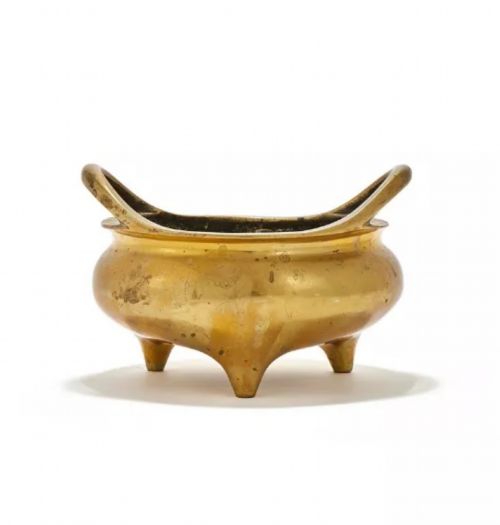
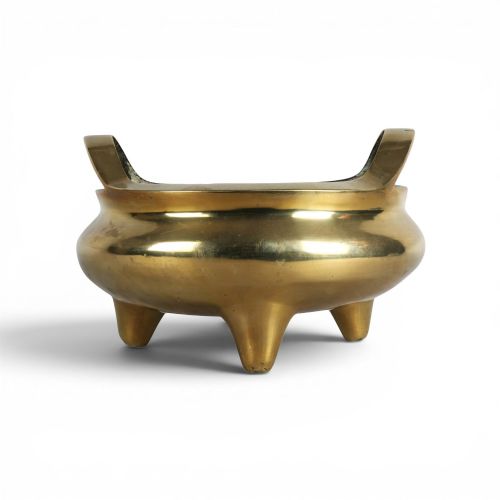
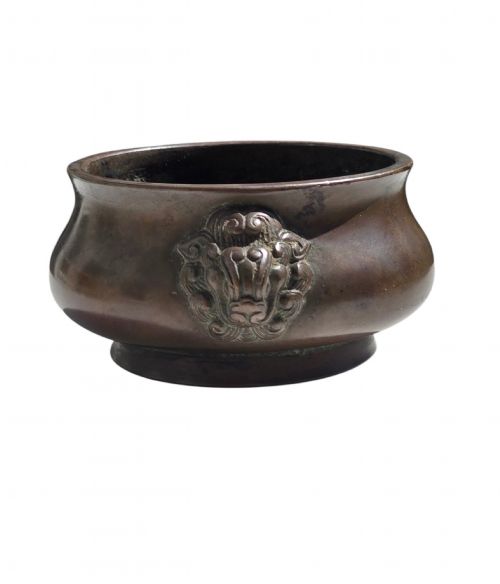
A chinese metalwork burner is typically a vessel designed to hold aromatic materials during traditional ceremonies or scholar pursuits, taking forms such as tripod censers, lidded koros, and desk bowls. You are most likely to encounter pieces fashioned from bronze or brass, originating across the Ming and Qing dynasties.
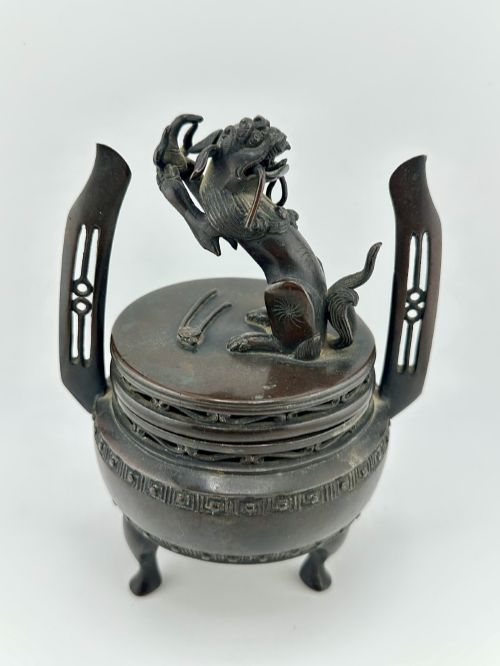
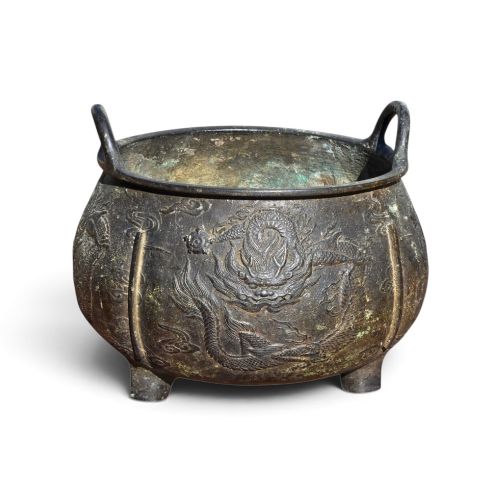
The objects span centuries of production, ranging from heavy scholar desk pieces to monumental temple vessels featuring mythical beasts, lion masks, or floral lids. Their primary function was ritual or contemplative, anchoring interior spaces with balanced proportions and symbolic ornamentation.
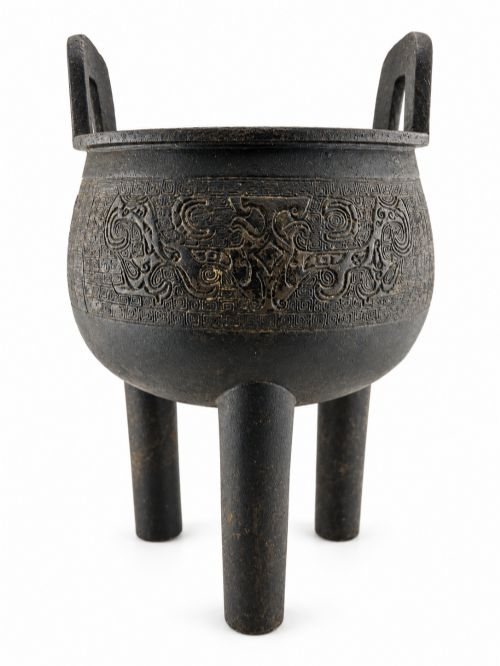
Examples frequently display archaic influences, drawing on ancient ritual vessel shapes like the ding or incorporating taotie masks and dragon motifs. These designs connect domestic and scholarly settings of past centuries with enduring metallurgical traditions.
How they were made
Metalworking techniques relied heavily on lost-wax casting and allied methods to achieve substantial wall thickness and complex sculptural details such as qilin finials and lion handles. Artisans employed cast bronze, patinated bronze, and occasionally brass or antimony to build sturdy structures that could withstand heat.
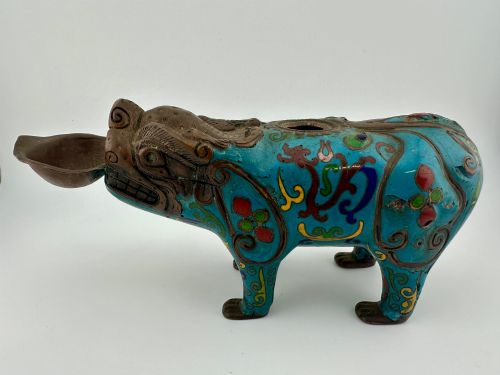
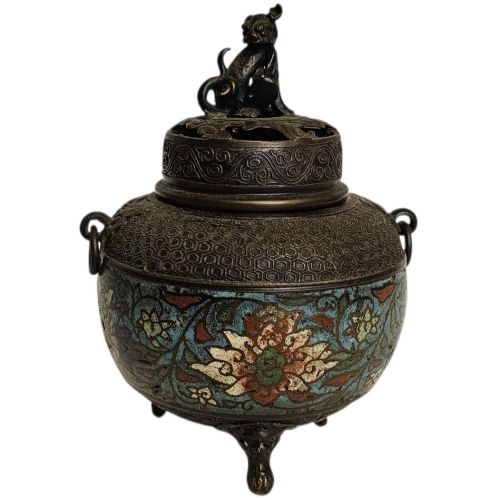
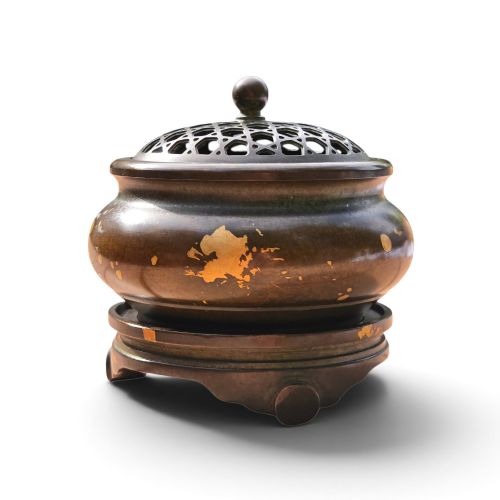
Surface treatment often involved gold gilding, gold-splashing, or the application of vibrant cloisonne enamel wires to create intricate patterns across the body and lid. Components were joined with precision, while wooden elements like zitan stands were sometimes carved to complement the heavy metal vessels.
Some fierce mythical beasts on these lids double as smoke vents, puffing fragrant wisps through their open jaws.
What varies in quality
Quality rests in the crispness of the cast ornamentation, where sharply rendered taotie masks, legible reign marks, and deeply chased lotus petals separate superior studio pieces from standard production. The weight of the metal and the stability of tripod legs indicate structural integrity.
Material application also dictates standing, with finely controlled gold-splashing or meticulously fired cloisonne enamel cells showing superior workshop skill. The integration of fitted lids and associated stands completes the integrity of the object.
The Chinese Metalwork Burner Glossary
- Censer
- A vessel used for burning incense. Most examples in this category are manufactured from metal and feature a fitted lid.
- Cloisonne
- An enamelwork technique where metal wire forms small compartments on the surface. These cells are filled with vitreous paste and fired.
- Tripod
- A vessel supported by three feet. This configuration provides stability on flat surfaces and mimics ancient ritual vessels.
- Qilin
- A mythical hooved creature in Chinese mythology. Figures of this beast frequently serve as finials on burner lids.
- Zitan
- A dense tropical hardwood native to southern China. It was utilised for crafting custom stands to elevate scholar objects.
Chinese Metalwork Burner: Frequently Asked Questions
What were chinese metalwork burners used for?
These vessels functioned primarily to burn aromatic incense in domestic rooms, scholarly studios, and sacred spaces. The fragrant smoke was believed to purify the air and aid contemplation.
In addition to practical use, they served as symbols of status and refined taste among scholars and officials. Their presence in a room underscored an appreciation for traditional philosophy and ritual.
How do I care for a bronze censer?
Dust the surface regularly with a soft, dry cloth to prevent accumulation in recessed details and carved channels. Avoid using chemical polishes, which can strip historic patination and damage delicate surfaces.
Keep the metal away from damp environments to prevent oxidation or corrosion of the alloy. If the vessel includes cloisonne enamel or zitan wood, maintain stable room temperatures to protect those materials.
How can I tell a Ming piece from a Qing piece?
Ming Dynasty pieces often exhibit robust, heavier casting with restrained archaic motifs like taotie masks. Their patination tends to show deep, undisturbed tones developed over centuries of handling.
Qing Dynasty examples frequently incorporate more elaborate surface treatments, including gold-splashing and cloisonne enamel. Reign marks and studio inscriptions also help anchor pieces to specific periods within the Qing timeline.
What are reign and studio marks?
Marks stamped or cast into the base of a vessel indicate the era of production or the workshop responsible. Xuande marks, for instance, reference an earlier imperial period and were often applied later in homage.
Studio marks point to specific private collections or makers active during the Ming and Qing dynasties. These inscriptions assist collectors in tracing the lineage and intended status of the object.