


Chinese Marble Top Pedestal
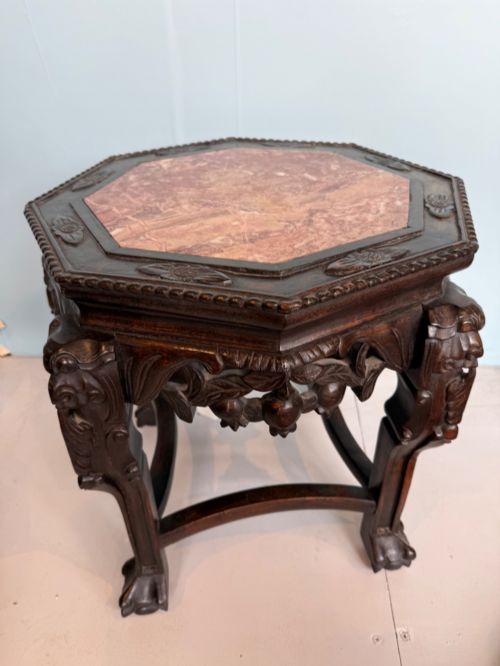
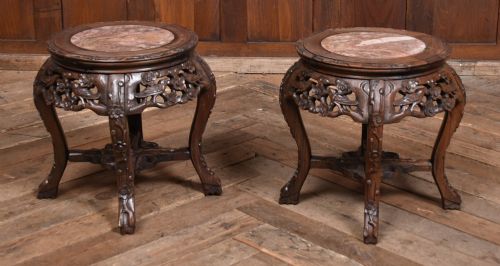
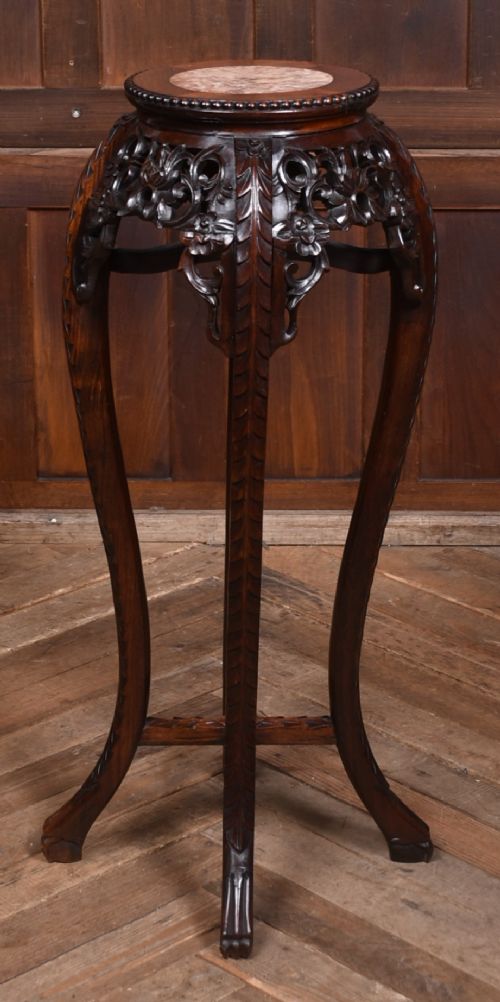
A chinese marble top pedestal is a carved hardwood stand designed to display urns and plants, bringing distinct oriental craftsmanship into a room.
Chinese Marble Top Pedestal
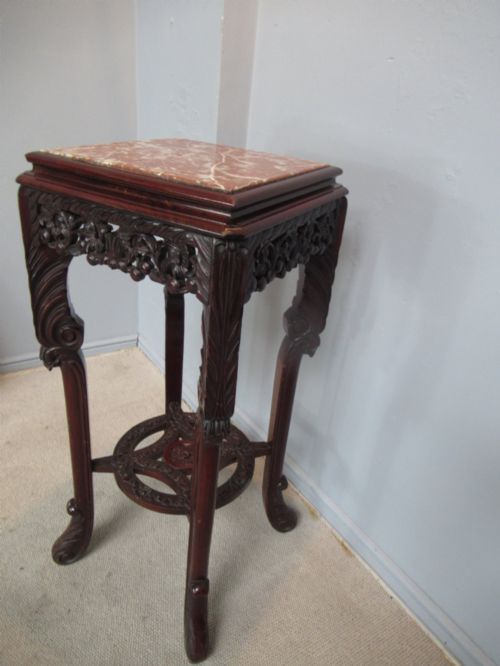
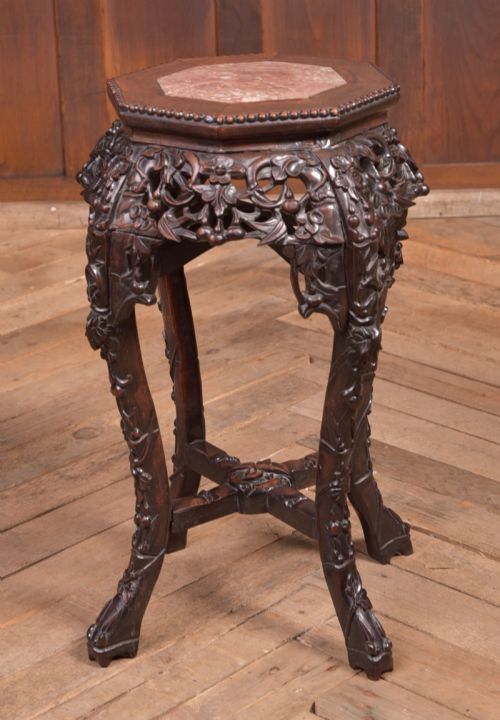
A chinese marble top pedestal serves primarily as a plant stand, jardiniere stand, or urn stand, functioning to elevate decorative pieces within a room. Buyers encounter these pieces largely from the nineteenth century, including Victorian and Edwardian periods, alongside Qing Dynasty and Chinese Export styles.
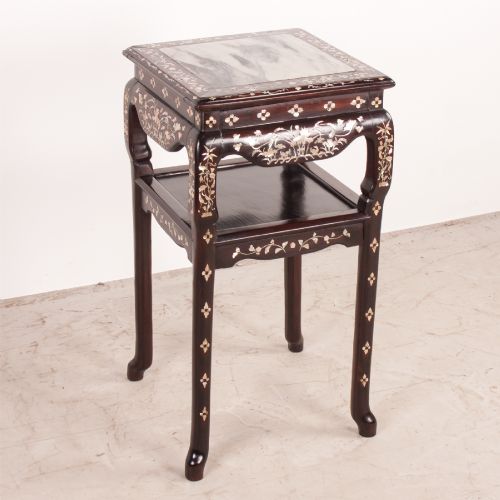
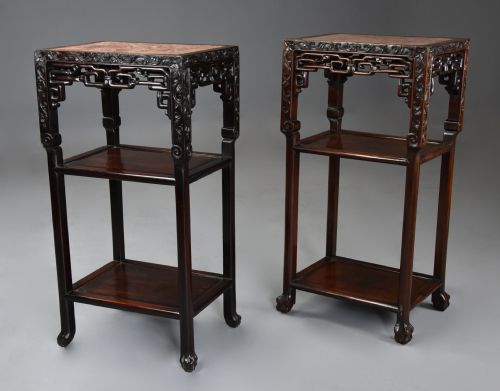
The physical format ranges from square and rectangular occasional tables to tall freestanding pot stands and small lamp tables. These objects originate predominantly from nineteenth and early twentieth century workshops, reflecting traditional domestic interior arrangements.
Materials and Technique
Craftsmen built these stands using dense Asian hardwoods such as rosewood, padouk, hongmu, and rootwood, often complemented by inset marble tops in white or rouge varieties. Certain examples incorporate mother-of-pearl inlay or quartz to accent the wooden frames.
Joinery techniques rely on intricate hand carving and precise fitting of the stone panels into recessed wooden channels. The structural frames support heavy pottery vessels through robust timber construction without relying on modern fasteners.
Standards of Execution
The depth and clarity of the hand carving separate standard commercial items from superior examples, particularly where floral and foliage motifs show crisp undercut relief. The choice of dense timbers like padouk or hongmu rather than secondary woods dictates the weight and structural integrity of the frame.
The figuring and colour of the inset marble top, whether smooth white or rich rouge, influence the overall visual balance of the stand. Precision in the fit between the stone and the surrounding wooden bezel demonstrates higher standards of workshop execution.
The Chinese Marble Top Pedestal Glossary
- Hongmu
- A category of dense, dark tropical hardwoods used in traditional Chinese furniture construction. The term translates literally as red wood.
- Jardiniere
- A large ornamental pot or container for plants or flowers. These stands were specifically proportioned to elevate such vessels.
- Padouk
- A heavy, durable timber prized for its reddish-brown colour and strong grain pattern. It provides exceptional stability for carved stands.
- Qing Dynasty
- The final imperial dynasty of China, spanning from sixteen forty-four to nineteen twelve. Pieces from this era often display elaborate organic carving styles.
Chinese Marble Top Pedestal: Frequently Asked Questions
What were these stands used for?
These pieces functioned primarily to elevate heavy ceramic planters, bronze urns, and decorative vases within traditional interiors. They allowed large botanical displays to sit safely off floor level.
Over time, owners also utilised them as small lamp tables or occasional surfaces for holding wine and objects in reception rooms.
How do I identify a Qing Dynasty piece?
Identification relies on observing traditional construction methods, deep hand-carved motifs, and dense regional hardwoods like hongmu or padouk. The presence of inset marble panels fitted directly into the timber frame provides a strong indicator.
Stylistic details often align with Qing Dynasty aesthetics, showing characteristic asymmetry, pierced aprons, and floral relief work typical of nineteenth-century workshops.
Are the marble tops original?
Most marble inserts found in these stands are original to the piece, cut specifically to fit the recessed wooden channel of the frame. The stone was chosen to provide a cool, flat surface that resisted water damage from potted plants.
Inspectors look for consistent weathering and matching patination between the stone slab and the surrounding hardwood structure to confirm authenticity.
How do I clean a hardwood stand?
Maintenance requires dusting with a dry, soft cloth to prevent particulate accumulation within the deep recesses of the hand carvings. Avoid using heavy liquid polishes or silicone sprays that can build up on the timber.
For the inset marble, a damp cloth removes surface marks without affecting the surrounding wood. Keep the stand away from direct heat sources to prevent timber shrinkage.