


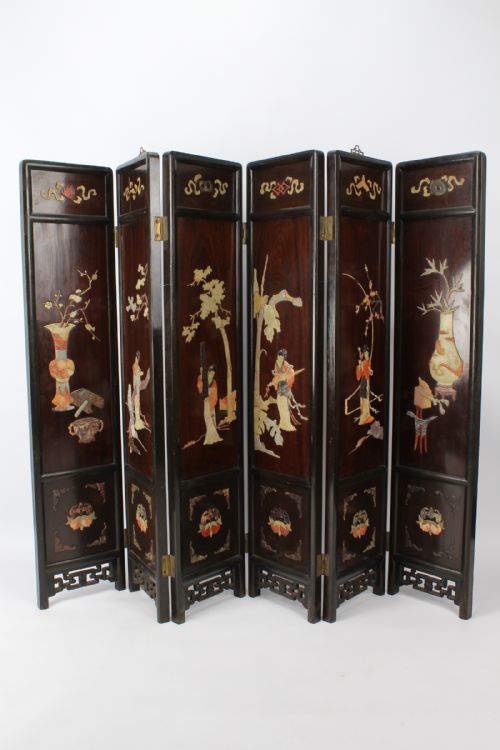


Chinese Lacquer Wooden Carving
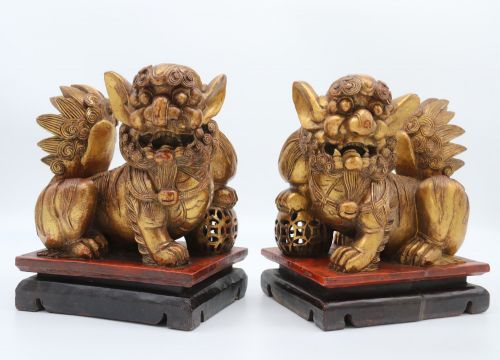
These pieces of Chinese lacquer wooden carving combine carved timber with layers of applied resin and pigment.
Chinese Lacquer Wooden Carving
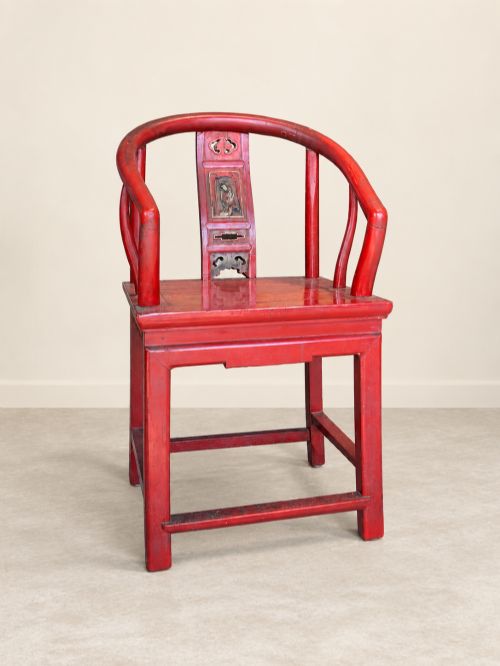
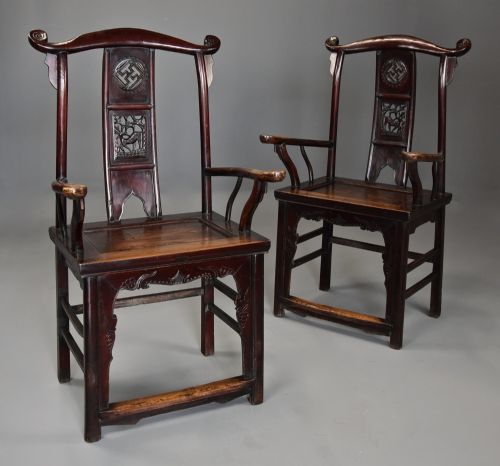
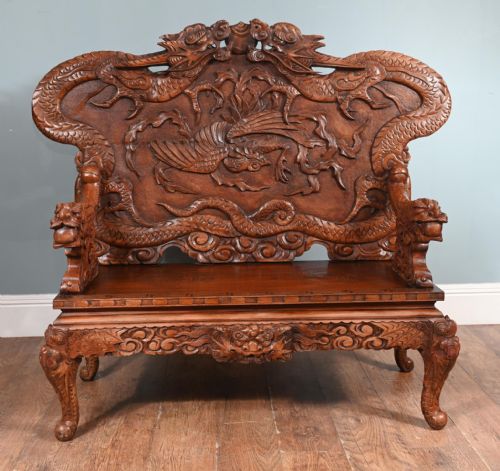
A chinese lacquer wooden carving brings together structural woodwork and decorative surface treatment, spanning functional furniture and architectural elements. You will frequently encounter folding screens, armchairs, and wall plaques shaped from elm, camphor wood, or general hardwood before receiving their surface coats. These objects arrive from various periods, notably the nineteenth century and the early twentieth century, alongside earlier Qing Dynasty examples.
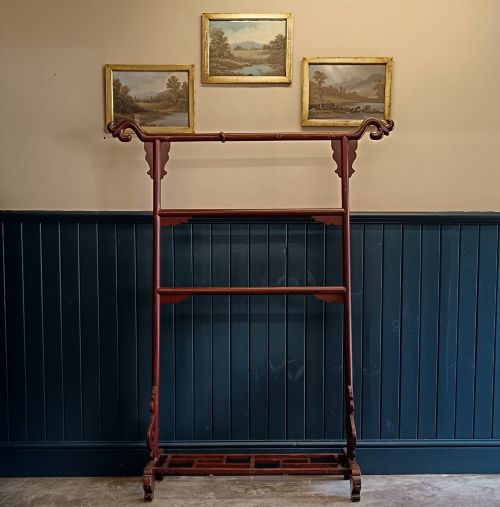
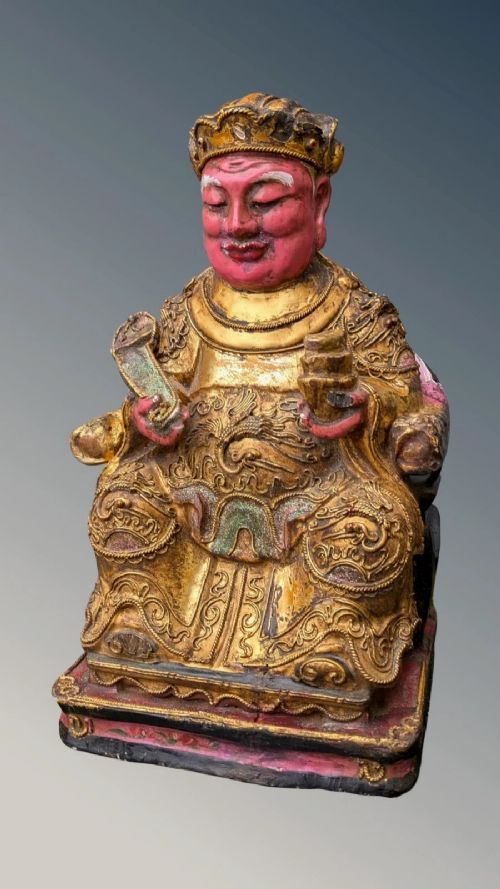
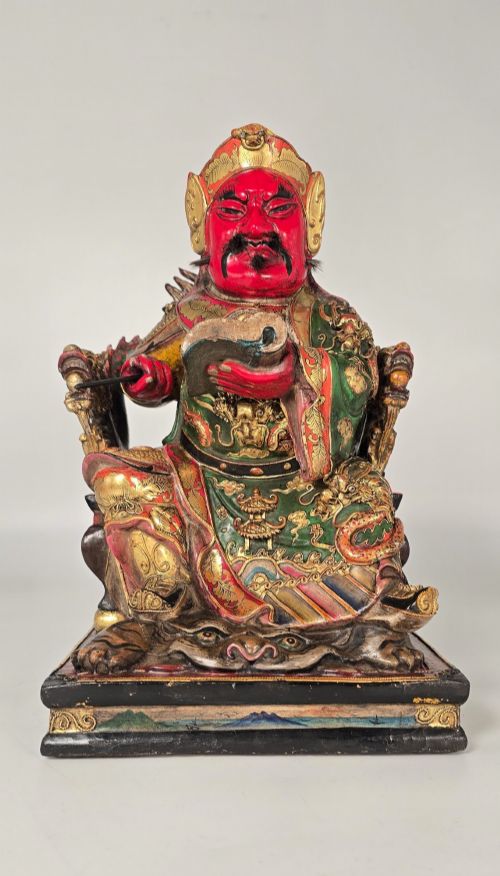
The domestic and temple items in this selection range from large marriage beds and storage cupboards to plant stands, robe stands, and writing desks. Smaller devotional figures and decorative panels also appear regularly alongside seating. Each form demonstrates traditional joinery combined with layered finishing techniques.
Many of these works display influences of regional workshops and export production intended for Western and domestic markets. The physical structure relies on solid timber frames, while the surface ornamentation carries painted details, gilt accents, or incised motifs.
Quality and execution
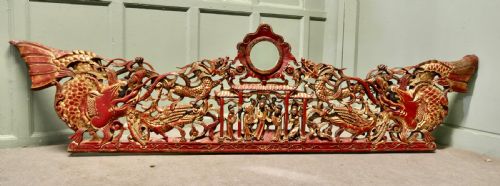
The distinction between tiers rests upon the depth of the carving and the precision of the underlying timber preparation. Master carvers achieved crisp detail in figural groups and floral panels, whereas simpler commercial items display shallower incision and broader execution.
Condition of the lacquer surface and the retention of original gilding or polychrome pigment determine the visual integrity of a piece. Examples retaining their initial red or black finish with minimal restoration present greater fidelity to their period of origin.
Several domestic items double as resting places for wealthy scholars and spirits alike.
The Chinese Lacquer Wooden Carving Glossary
- Lacquer
- A natural resin applied in numerous thin coats to wooden objects, creating a hard and glossy protective finish. This substance resists moisture and provides a smooth ground for subsequent carving or painting.
- Coromandel
- An incised lacquer technique where artisans coat a wooden panel in dark lacquer, carve designs through the surface, and fill the recesses with colours and gold. This method is typically associated with folding screens and large cabinets.
- Yokeback
- A style of traditional Chinese armchair featuring a crestrail that curves upwards at the ends resembling a yoke. These chairs utilise robust timbers such as elm and often display simple structural lines.
- Gilt wood
- Timber components decorated with a thin layer of gold leaf or gold powder applied to an adhesive base. This treatment highlights carved details on temple panels and sculptural figures.
- Qing Dynasty
- The final imperial dynasty of China, lasting from sixteen forty-four to nineteen twelve. Pieces attributed to this era reflect traditional aesthetic standards and administrative styles.
Chinese Lacquer Wooden Carving: Frequently Asked Questions
What is Chinese lacquer wood?
It is a carved wooden object finished with sap from the lac tree, building up layers that receive paint, gold leaf, or incised designs.
Artisans used this technique on furniture, screens, and architectural panels to create durable decorative surfaces.
How do I date a lacquer carving?
Dating relies on stylistic markers, timber types, and the method of construction characteristic of periods like the nineteenth century or the Qing era.
Examining the wear patterns and the composition of the lacquer layers also aids in establishing the age of the piece.
Where were these pieces used?
They served functional and decorative roles within domestic dwellings, administrative halls, and religious temples.
Large items like marriage beds and cupboards furnished domestic interiors, while screens divided rooms and panels decorated walls.
How should I care for lacquer furniture?
Keep items away from direct sunlight and sudden temperature shifts to prevent the underlying wood from moving and the lacquer from cracking.
Dust gently with a soft dry cloth and avoid chemical polishes that can damage the historical surface.