




Chinese Immortal Statue
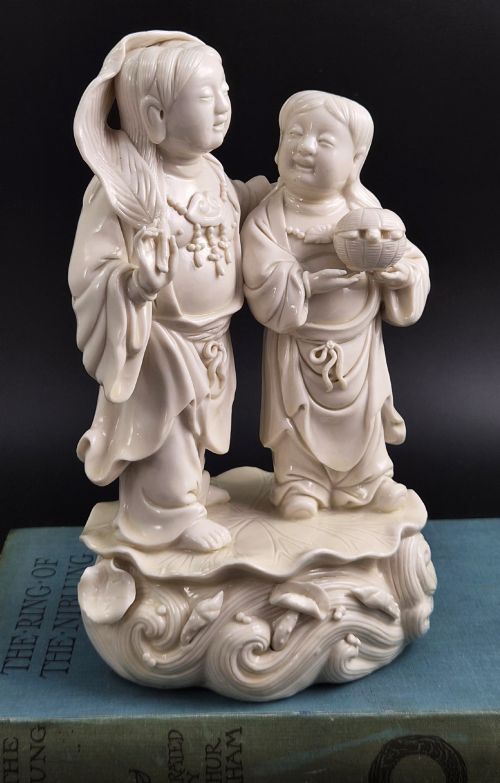
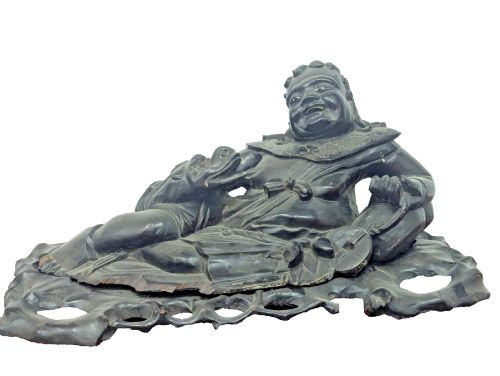
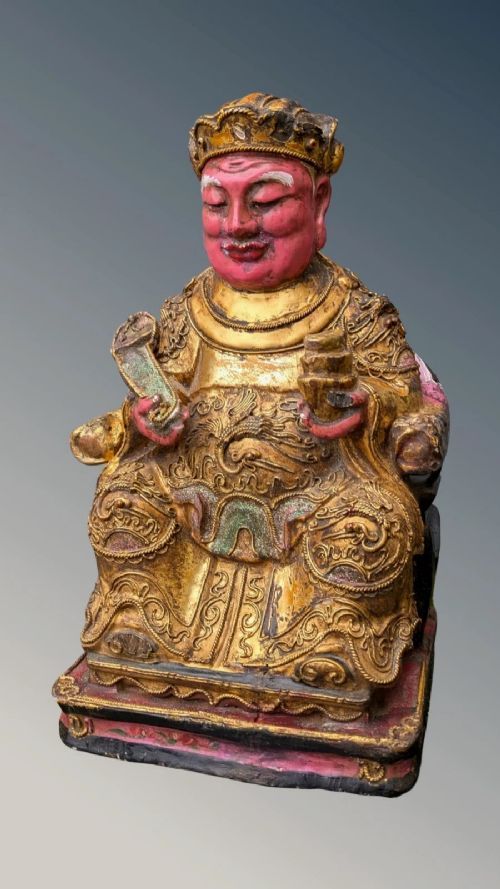
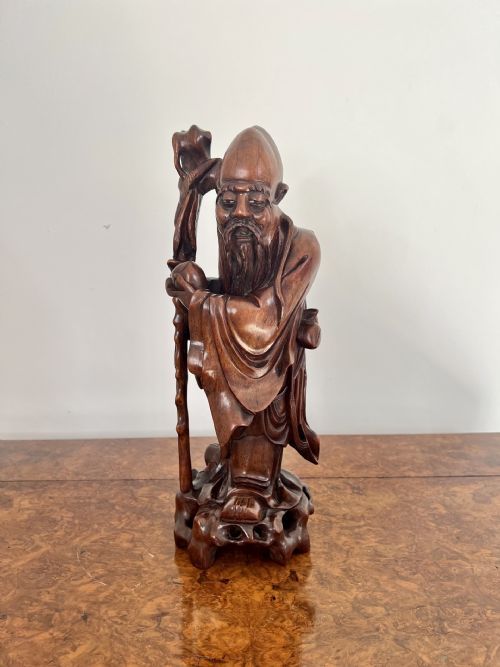
A Chinese immortal statue captures figures of Daoist and Buddhist reverence, carved in hardwood, root wood, porcelain, and stone to bring traditional presence into a room.
Chinese Immortal Statue
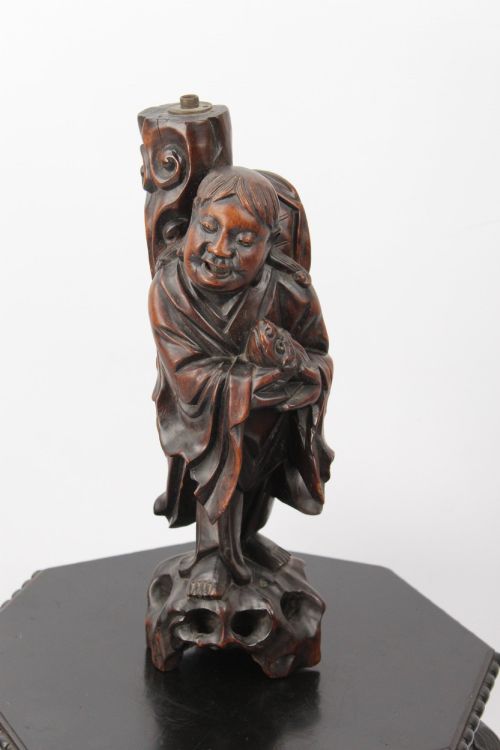
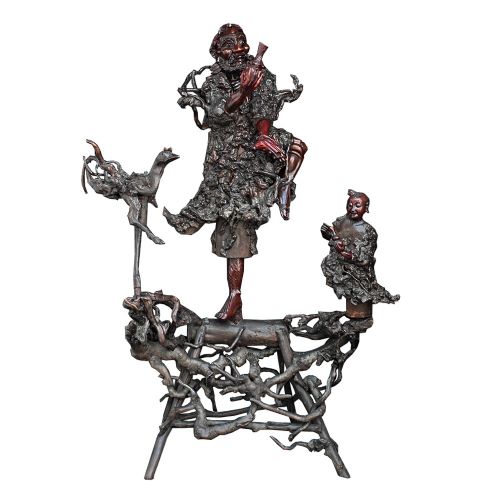
When you search for a Chinese immortal statue, you encounter figures carved from hardwood, root wood, and bamboo, alongside examples rendered in porcelain, enamel, and various hardstones. These sculptures represent deities, sages, and immortals such as Budai, Liu Hai, and Liu Haichan, reflecting traditional beliefs across the Qing Dynasty and the Republic Period. The selection spans single standing deities to matched pairs, monumental carvings, and complex figural groups accompanied by mythical creatures or attributes.
The pieces appearing on this page originate predominantly from the nineteenth and early twentieth centuries, stretching back to the eighteenth century through bronze and ceramic works. Root wood and burr wood carvings display organic forms that follow the natural contours of the timber, whilst hardwood sculptures exhibit precise chisel work and dense grain. You will also find polychrome enamel decorations on porcelain and ceramic figurines that introduce vibrant colour alongside monochrome stone and jadeite formations.
Formations vary from large scale standing figures measuring over forty centimetres to smaller desk sculptures and multi-piece sets depicting groups of immortals. The makers utilise traditional iconography to distinguish each sage, incorporating lotus flowers, gourds, and attendants to signal their identity. This diversity allows collectors to choose between expressive root wood studies and formal court-style hardwood figures.
Materials and Techniques
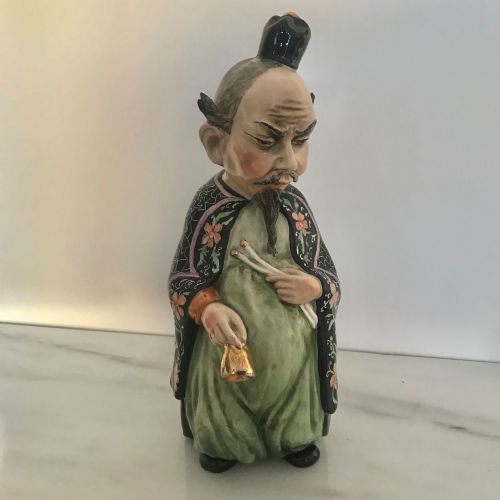
Ceramic and porcelain versions employ hand enamel decoration and polychrome pigments applied over a glazed or biscuit body, often associated with the Jiaqing period and later Qing workshops. Bronze and hardstone statues utilise casting and abrasive grinding techniques, shaping jadeite, agate, and bronze into enduring devotional objects. Artisans then finish the surfaces with wax, polish, or gold leaf to enhance the texture and sheen of the material.
Chinese Immortal Statue Retail Price Guide 2026
Typical asking prices for chinese immortal statue among the pieces listed under this phrase on Sellingantiques today, from the lower quarter to the upper quarter. They describe what is for sale here now, not the wider market.
Listings feature materials spanning hardwood, root wood, burr wood, porcelain, enamel, bronze, bamboo, and hardstone like jadeite.
Assessing Quality and Execution
Ceramic and enamel pieces depend on the crispness of the painted detail and the vibrancy of the famille rose palette, where clean lines separate each colour field. The presence of a rich, warm patina on wooden surfaces indicates careful handling and ageing over centuries, distinguishing superior survivals from dull or heavily stripped examples. Proportional balance across large statues and matched pairs also separates standard decorative output from finer workshop productions.
The Chinese Immortal Statue Glossary
- Budai
- A representation of the laughing monk or Maitreya Buddha, often depicted with a large bare belly and a cloth sack. This figure symbolises contentment and abundance in traditional Chinese art.
- Famille Rose
- A palette of opaque enamel colours dominated by pink or rose enamel, introduced in the Qing Dynasty. This technique allows for subtle tonal gradations on porcelain figures.
- Hardstone
- A term for semi-precious stones such as jade, jadeite, and agate used in carving small sculptures and figures. These materials require abrasive cutting tools due to their high mineral hardness.
- Patina
- The surface sheen and mellow colour developed by wood, bronze, and stone through age and handling. A good patina reflects the natural ageing process of the material.
- Qing Dynasty
- The final imperial dynasty of China, lasting from sixteen forty-four to nineteen twelve. Many carved wooden and porcelain immortal statues date from its later decades.
Chinese Immortal Statue: Frequently Asked Questions
What is a Chinese immortal statue?
A Chinese immortal statue is a carved or moulded figure representing Daoist or Buddhist deities, historical sages, or immortals like Liu Hai and Budai. These sculptures were created as objects of devotion, auspicious display, or scholarly contemplation.
They appear in materials ranging from dense hardwoods and burr root wood to porcelain, bronze, and hardstone. Each figure incorporates specific iconographic attributes to identify the immortal and convey blessings of longevity or fortune.
How do I date a wooden carving?
Dating a wooden carving involves examining the tool marks, the depth of the patina, and the shrinkage of the timber over time. Eighteenth- and nineteenth-century pieces typically exhibit dry, stable wood with distinct hand-carved facets hidden beneath accumulated handling.
Comparing the sculptural style, facial conventions, and base construction to documented examples from the Qing Dynasty helps narrow the period. Natural wear around the extremities provides further physical evidence of age.
Where were these figures placed?
These figures traditionally occupied domestic altars, scholar's desks, and reception rooms within traditional Chinese homes and temples. They served as focal points for veneration, reflection, and the attraction of positive energy.
Smaller figures suited close inspection on a scholar's table, whilst monumental hardwood or ceramic statues stood prominently in reception halls. Their placement reflected their status as both spiritual objects and works of fine art.
What are root wood carvings?
Root wood carvings are sculptures that utilise the natural burls, roots, and twisted growths of trees such as burr wood. The artisan shapes the raw timber while preserving its organic irregularities to form the body of an immortal or sage.
This technique requires the carver to work with the grain and knots of the wood, resulting in one-of-a-kind figures where no two pieces share the same posture or silhouette.
How should I care for an antique statue?
Protect antique statues from direct sunlight, extreme temperature fluctuations, and rapid changes in humidity that can cause wood to split or enamel to craze. Dust them gently with a soft, dry brush without applying modern commercial polishes or cleaning liquids.
Wooden pieces benefit from occasional natural wax conditioning if the surface appears dry, whilst stone and porcelain require only stable environmental conditions to preserve their finish.