
Chinese Hardwood Carving
A chinese hardwood carving brings dense timber, intricate relief, and centuries of tradition straight into a room.
Chinese Hardwood Carving
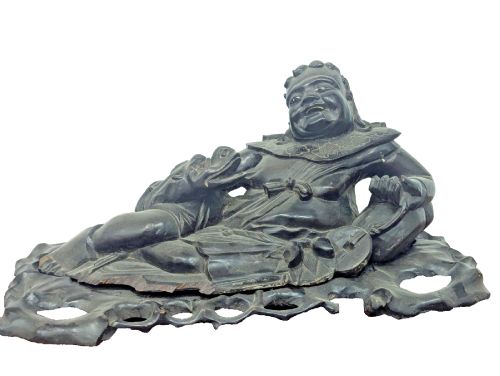
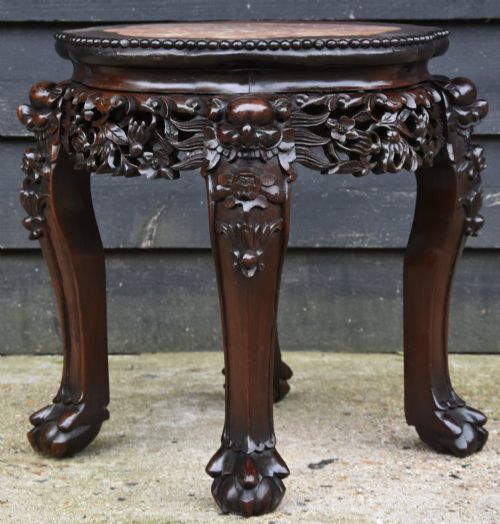
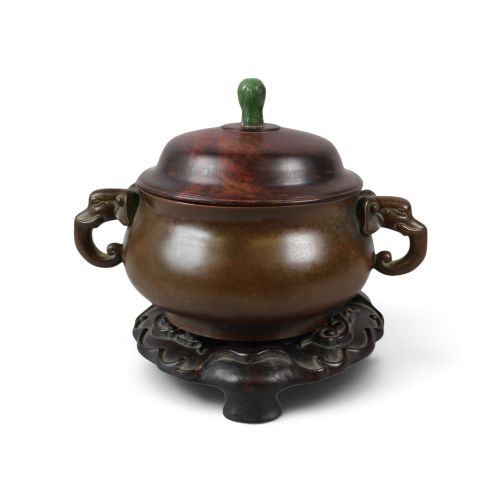
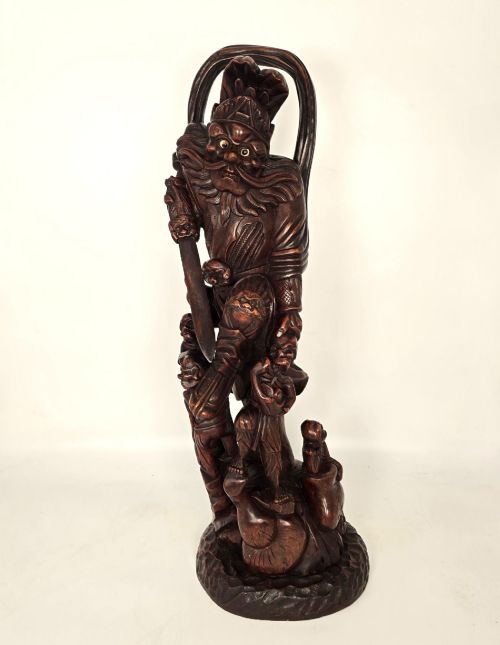
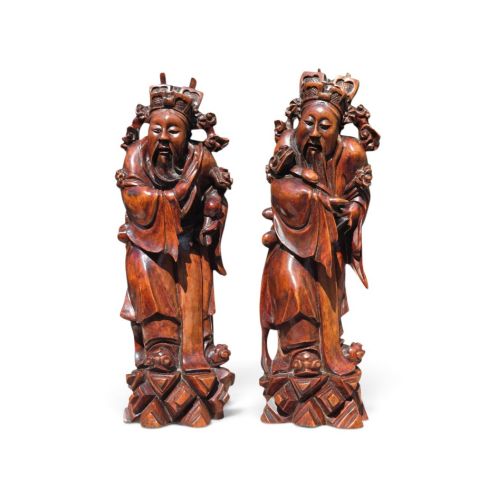
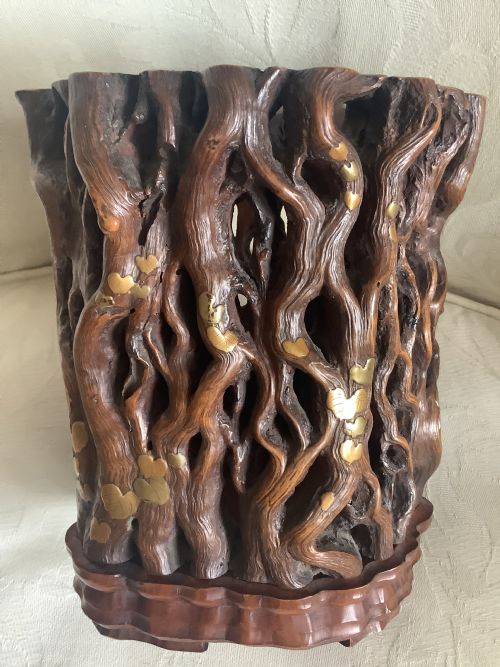
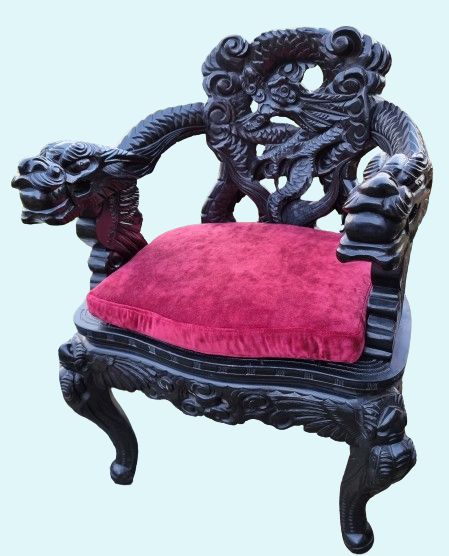
A chinese hardwood carving encompasses functional furniture and standalone sculptures originating predominantly across the nineteenth and early twentieth centuries. Pieces span from small brush pots and plant stands to large armchairs, altar tables, and monumental guardian figures.
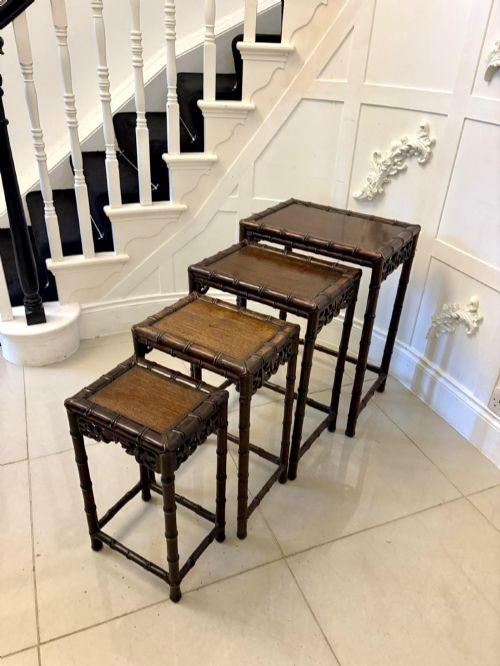
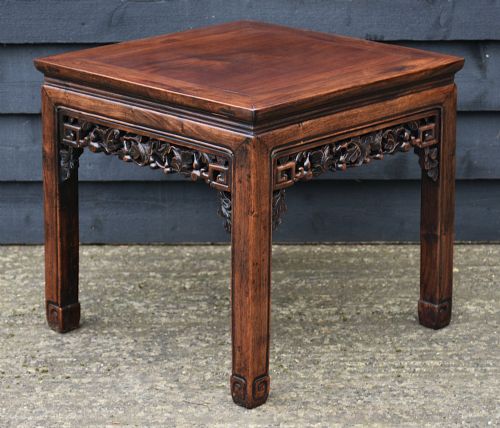
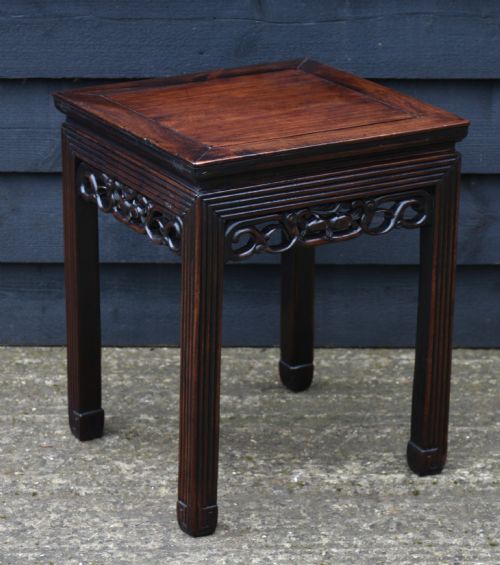
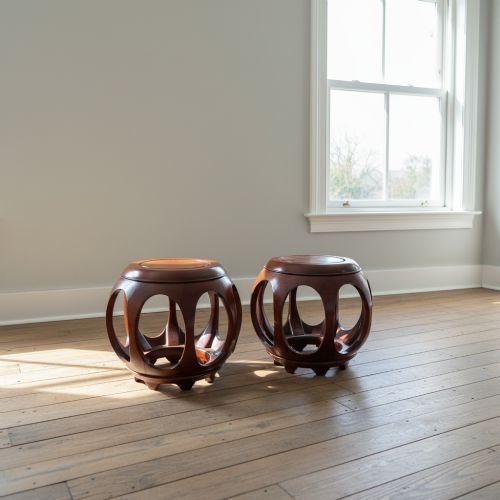
Buyers meet varied forms including nests of tables, occasional tables, and barrel stools linked by traditional Chinese craftsmanship. Many examples date to the Qing dynasty and subsequent decades, reflecting established regional aesthetics.
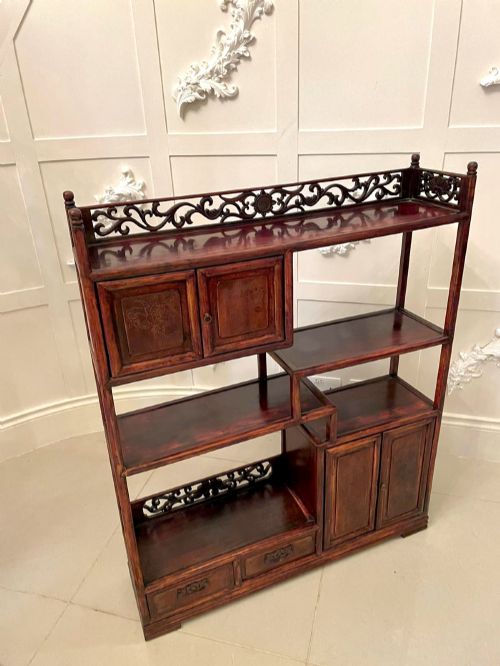
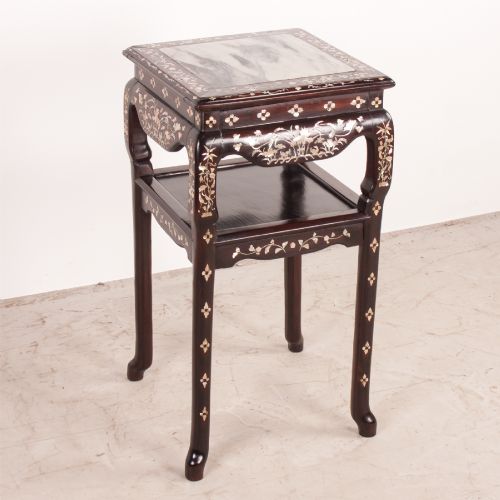
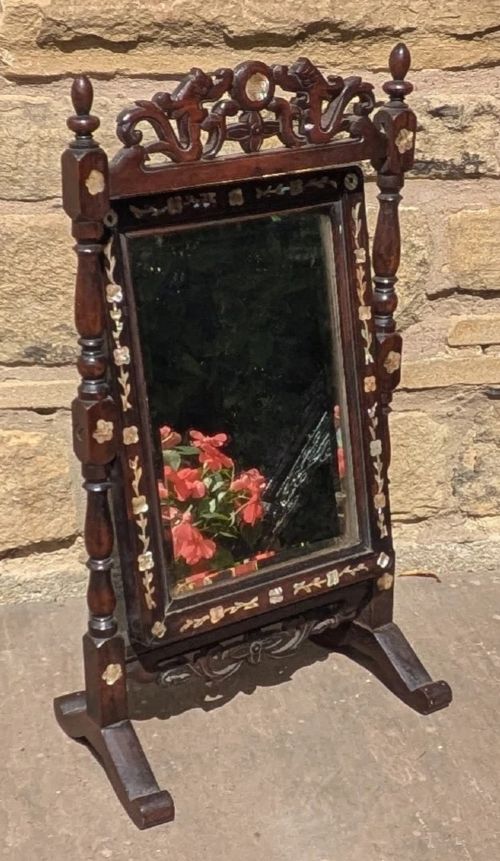
Items range from domestic seating and display cabinets to decorative objects mounted with marble, brass, or mother-of-pearl inlay. Each object balances utility with deep decorative carving rooted in historical design.
Materials and Construction
Workshops utilised dense timbers such as rosewood, padouk, hongmu, and huanghuali, chosen for their natural strength and rich grain. Artisans frequently combined these woods with inset marble panels, mother-of-pearl, and occasional metal mounts.
Joinery relied on traditional framing and interlocking joints without relying on modern fasteners, allowing the dense timber to expand and contract naturally. Carvers applied deep relief work, piercing and undercutting the wood to create layered pictorial scenes and mythical figures.
The available items span the eighteenth, nineteenth, and early twentieth centuries, including the Qing dynasty period.
Distinctions in Standard
Quality rests in the crispness of the chisel work and the depth of the carved relief, where sharper details indicate superior hand skill. The selection of timber also dictates standard, particularly pieces showing exceptional natural grain and uniform colour.
Construction integrity separates masterworks from simpler items, visible in tight joinery and the successful integration of stone or shell inlays. The proportion and balance of the overall form determine whether a piece holds strong sculptural presence.
The Chinese Hardwood Carving Glossary
- Hardwood
- Dense, slow-growing timber such as rosewood or huanghuali used for durable furniture and detailed carving. These woods resist warping and take a high natural polish.
- Qing Dynasty
- The final imperial dynasty of China, lasting from sixteen forty-four to nineteen twelve. Many surviving carved pieces date from its later decades.
- Mother of Pearl
- Iridescent inner layer of mollusc shells used for inlay work. Craftsmen cut thin sections to form floral or geometric patterns set directly into the wood.
- Altar Table
- Long, narrow table traditionally placed against a wall for ceremonial displays. They feature upturned ends and substantial carved aprons.
- Hongmu
- A translation meaning red wood, referring to a category of dense, dark tropical hardwoods used in traditional Chinese furniture. It develops a deep patina over time.
Chinese Hardwood Carving: Frequently Asked Questions
How do I clean a carved wooden table?
Dust surfaces regularly with a soft, dry brush to prevent dirt settling in deep crevices. Avoid modern chemical sprays or wet cloths that might damage the polished timber.
Apply a traditional wax sparingly if the wood appears dry, buffing it gently with a soft cloth. Keep pieces away from direct heat sources and strong sunlight to protect the finish.
What is a plant stand used for?
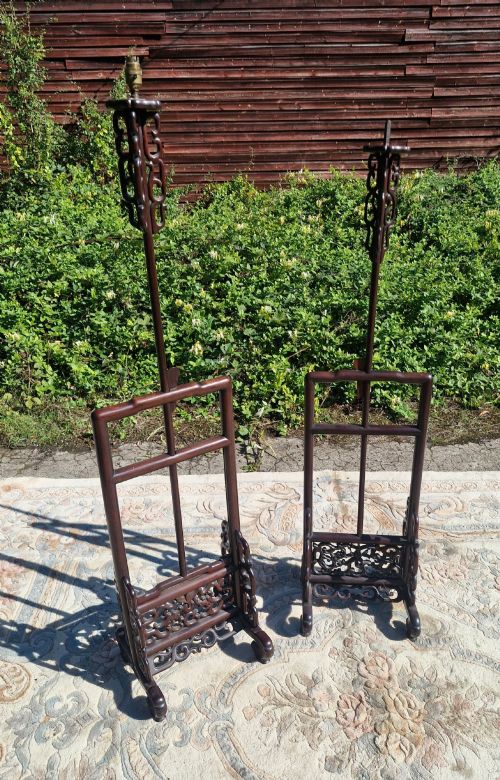
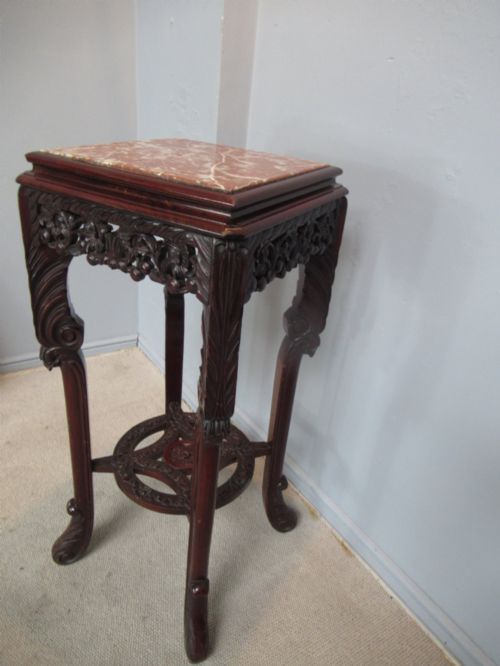
Plant stands elevate decorative ceramic pots, bronzes, or sculptures to display them effectively within a room. Their tall, narrow proportions suit corners and hallways.
Many examples feature inset marble tops designed to withstand moisture from plant pots while offering a contrasting smooth surface against the carved wood.
How do I date a nineteenth-century piece?
Examine the tool marks and the construction methods used within the joinery and underside of the furniture. Nineteenth-century examples often display hand-carved details and traditional joinery without modern machine marks.
Compare the style of the carving and the choice of timber against established periods like the late Qing dynasty. Natural wear patterns and the depth of the patina also offer clues to age.
Where should I place a nest of tables?
Nests of tables provide flexible surface space that can be stacked together when floor area is limited. They fit neatly beside armchairs or sofas for everyday use.
Individual tables can be separated around a room to hold lamps or drinks when entertaining guests. Their graduated sizes allow them to slide inside one another seamlessly.