

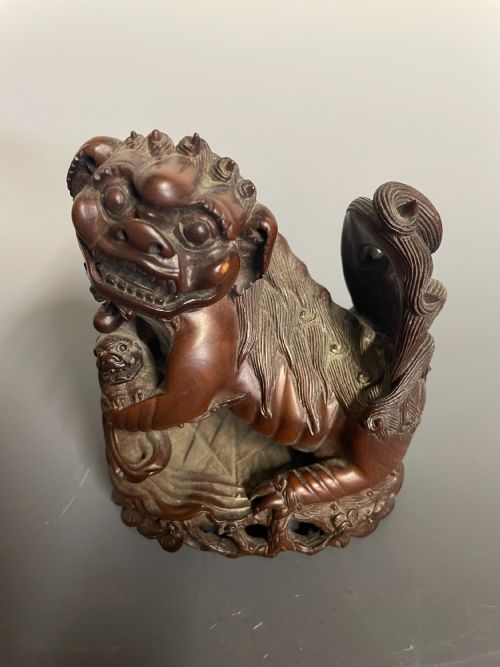


Chinese Guardian Dog Sculpture
These Chinese guardian dog sculpture pieces stand as fierce temple sentinels and domestic protectors, bringing centuries of symbolic security and powerful form to any interior.
Chinese Guardian Dog Sculpture
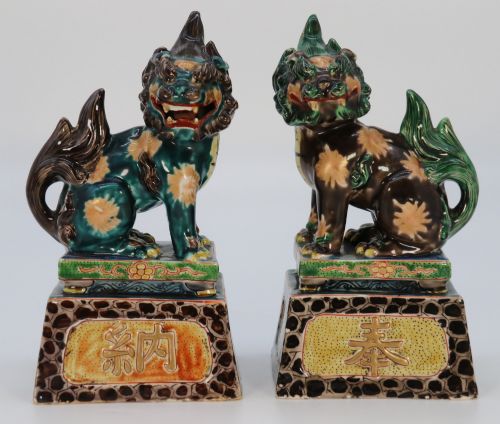
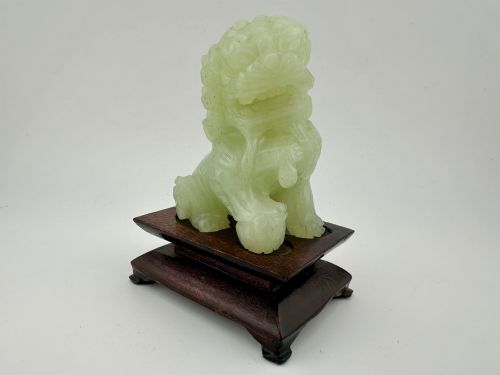
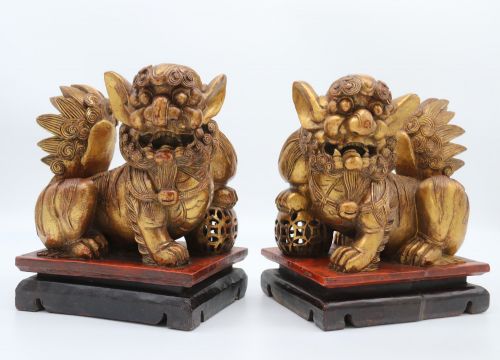
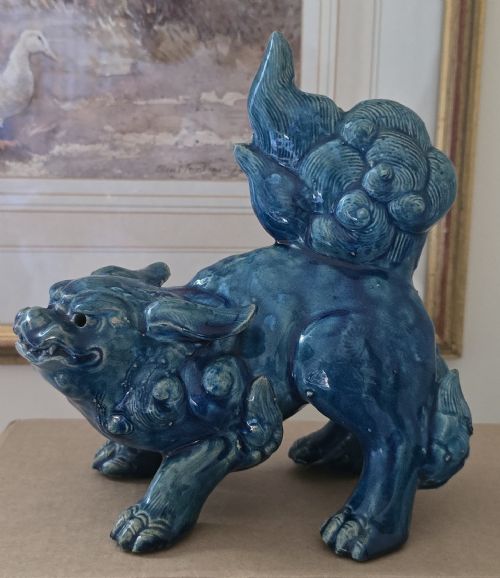
A Chinese guardian dog sculpture takes many forms across domestic tables and temple altars, traditionally depicted as a pair of mythical beasts guarding sacred spaces. These figures appear as carved wooden statues, heavy bronze temple lions, and glazed ceramic sculptures representing the mythical lion dog.
The pieces on this page span several distinct periods including the Qing Dynasty, the Chinese Republic Period, and the nineteenth century. Buyers will frequently encounter carved wooden pairs and glazed pottery lions alongside jade and soapstone desk pieces.
Makers and artisans created these guardian figures to ward off negative spirits, placing them traditionally outside gates or upon interior altars. Each sculpture captures the muscular posture, curling mane, and watchful gaze characteristic of traditional Chinese guardian dog sculpture.
How they were made
Artisans fashioned these protective figures using traditional carving and casting methods suited to the medium. Woodcarvers worked with boxwood, root wood, and larger timber to shape detailed curls and muscular limbs, often finishing the surface with gilt and lacquer.
Metalworkers employed bronze casting techniques for substantial temple pieces, sometimes applying a heavy layer of gilt over the metal. Potters and ceramicists shaped clay before firing and glazing, producing turquoise and enamel finishes typical of the period.
Chinese Guardian Dog Sculpture Retail Price Guide 2026
Typical asking prices for chinese guardian dog sculpture among the pieces listed under this phrase on Sellingantiques today, from the lower quarter to the upper quarter. They describe what is for sale here now, not the wider market.
Listings feature pieces spanning the eighteenth century through to the mid-twentieth century, including Qing Dynasty and Chinese Republic Period items.
What varies in quality
The distinction between average and superior examples rests in the depth of the carving and the proportion of the anatomy. Master carvers achieved a fluid movement in the mane and a convincing tension in the paws that lesser hands missed.
Material choice and finishing skill also divide the range, from simple pottery figures to finely chased gilt bronze and translucent jade. Finer pieces retain intricate surface detail and balanced proportions that command attention in any room.
The Chinese Guardian Dog Sculpture Glossary
- Foo Dog
- A Western term for the Chinese guardian lions or lion dogs that guard sacred spaces. These mythical creatures combine the majesty of the lion with the loyalty of the dog.
- Shi Shi
- The traditional Chinese term for stone lion or guardian lion. These figures frequently appear in pairs flanking entrances and thresholds.
- Republic Period
- The era in Chinese history spanning from nineteen twelve to nineteen forty-nine. Pieces from this time often display refined carving techniques and varied material usage.
- Qing Dynasty
- The final imperial dynasty of China, lasting from sixteen forty-four to nineteen twelve. Surviving sculptures from this period reflect established imperial motifs and traditional craftsmanship.
Chinese Guardian Dog Sculpture: Frequently Asked Questions
What is a Chinese guardian dog sculpture?
A Chinese guardian dog sculpture represents a mythical lion beast designed to protect sacred spaces and homes from harmful influences. These figures historically stood as pairs guarding doorways, temples, and important administrative buildings.
Today, collectors place these sculptures on tables, desks, and mantels as decorative objects with rich historical lineage. They appear in materials ranging from carved wood and soapstone to bronze and glazed ceramic.
How were these guardian figures used?
These guardian figures served a primarily protective and symbolic function in traditional Chinese architecture and domestic life. Paired statues typically flanked entrances to ensure spiritual balance, with the male holding a brocade ball and the female restraining a cub.
Smaller versions functioned as desk seals, incense burners, or altar ornaments for scholars and officials. Their presence denoted status, spiritual protection, and reverence for traditional iconography.
How do I tell different periods apart?
Differentiating periods relies on observing the materials, glazes, and carving styles characteristic of specific eras. Nineteenth-century pieces often show deep wood patination or heavy bronze casting, while Republic Period works frequently utilise jade, soapstone, or lighter wood.
Examining the tool marks, wear patterns, and stylistic nuances helps determine the age of a piece. Qing Dynasty and earlier works display traditional imperial forms, whereas later items incorporate broader stylistic influences.
How do I live with these sculptures?
Living with these guardian sculptures involves placing them in spaces where their sculptural form and historical presence can be appreciated. They suit display on sturdy sideboards, wooden desks, or dedicated shelving units where adequate lighting highlights their carved details.
Protecting the pieces from direct sunlight and extreme humidity preserves materials such as wood, lacquer, and gilt bronze. Their commanding presence pairs well with both traditional interiors and modern minimalist settings.