



Chinese Green Vase
A chinese green vase brings the quiet depth of celadon glazes and rich enamels into a room.
Chinese Green Vase
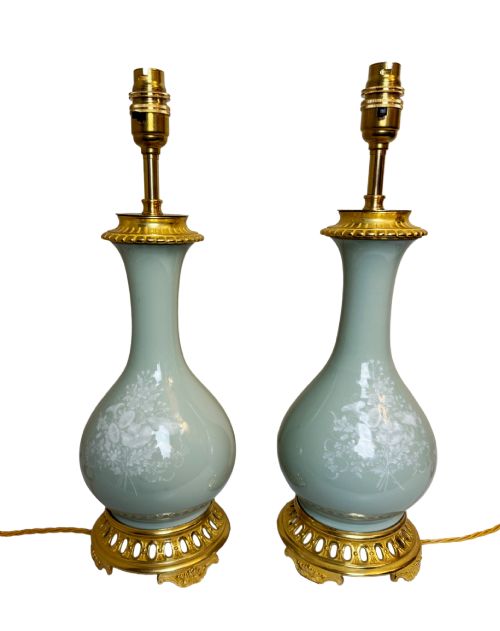
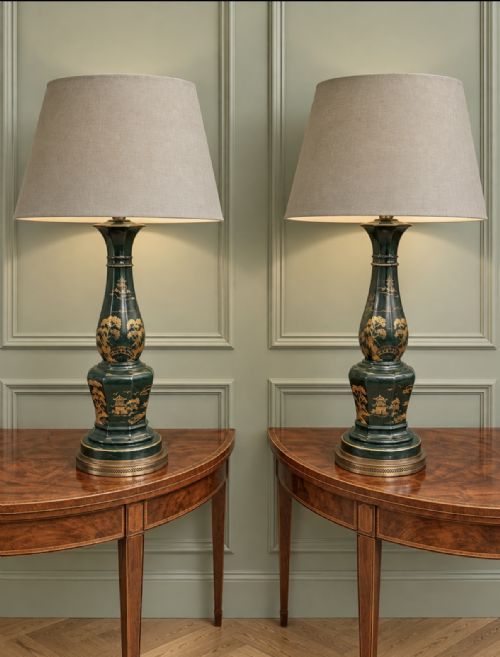
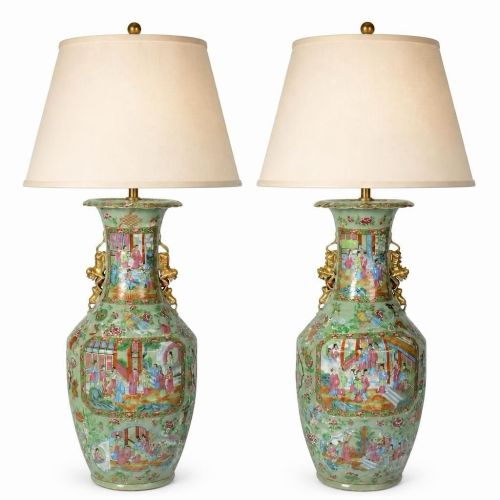
When you search for a chinese green vase, you encounter a range of forms spanning centuries of ceramic tradition. The selection includes stout globular vessels, fluted bottle shapes, and monumental baluster jars designed for display. Many examples from this tradition have been adapted into table lamps with brass or ormolu mounts.
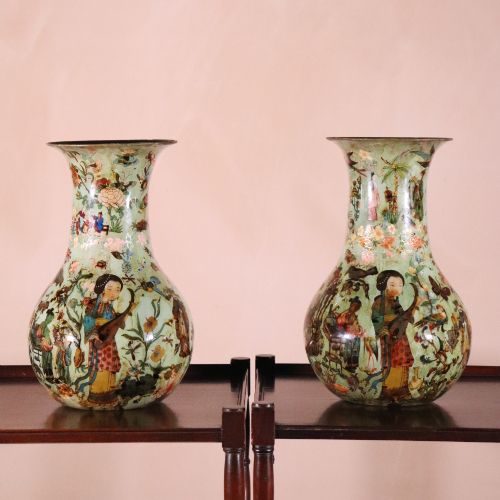
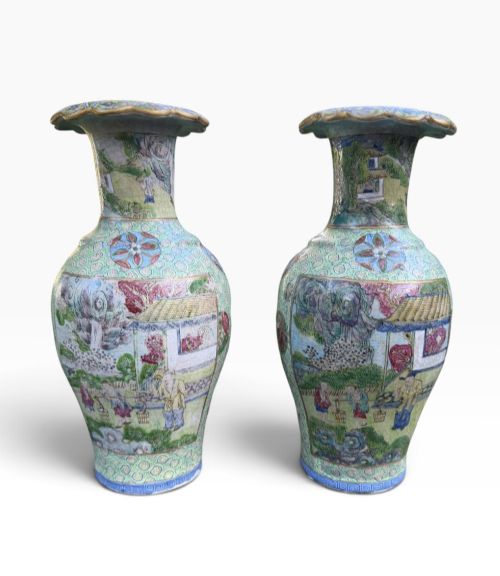
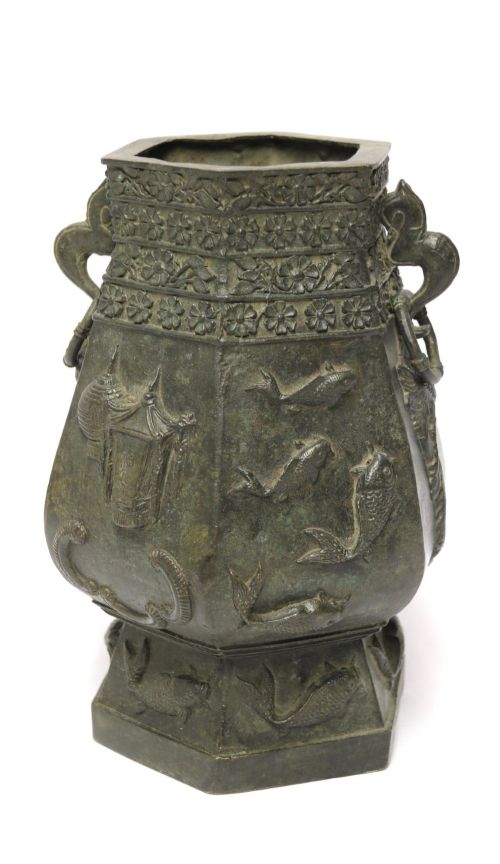
The material vocabulary of these pieces extends from delicate porcelain to robust stoneware and bronze. You will find pieces bearing soft celadon glazes alongside vibrant famille verte and rose medallion enamels. These objects reflect both domestic utility in historical interiors and centuries of export trade.
Materials and production techniques
Potters achieved the characteristic green tones of celadon through iron-infused glazes fired in reduction kilns. Stoneware and porcelain bodies provided the structural support for these thick, translucent layers of glass. Artisans also utilised detailed overglaze enamel work, combining greens with rose, yellow, and iron red pigments.
Many historical vessels underwent later alterations, such as mounting in ormolu or brass to suit European domestic tastes. Conversion into electrical lamps required drilling or the addition of fitted metal hardware. These modifications document the long history of appreciation for Asian ceramics in Western homes.
Chinese Green Vase Retail Price Guide 2026
Typical asking prices for chinese green vase among the pieces listed under this phrase on Sellingantiques today, from the lower quarter to the upper quarter. They describe what is for sale here now, not the wider market.
Several vases carry the weight of nineteenth-century electrification, having spent decades moonlighting as rather heavy reading lamps.
Assessing quality in historical ceramics
The distinction between standard commercial export wares and superior pieces lies in the precision of the potting and the depth of the glaze. Finer celadon surfaces display a smooth, jade-like crackle and even distribution across complex moulded forms. Painted decoration on higher-grade vessels shows confident brushwork and rich, stable enamel colours.
The integrity of the body and the subtlety of any applied bronze or ormolu mounts also influence the standing of a piece. Historical conversions and mounts executed with fine craftsmanship add a distinct layer of decorative character. Conversely, clumsy alterations or heavy restoration diminish the artistic cohesion of the object.
The Chinese Green Vase Glossary
- Celadon
- A term for pottery featuring a pale green glaze derived from iron oxide in the kiln firing. This finish mimics the appearance of natural jade.
- Famille Verte
- A palette of overglaze enamels dominated by green hues, developed during the Qing dynasty. Artisans combined these with cobalt blue, yellow, and iron red.
- Baluster
- A tall vase shape characterised by a rounded body that tapers toward a narrow neck and flared rim. This form provides a stable base for complex painted scenes.
- Ormolu
- Gilded bronze used for decorative mounts on furniture and ceramics. Makers applied this technique extensively during the nineteenth century to elevate table lamps.
Chinese Green Vase: Frequently Asked Questions
How do I date a celadon glaze?
Dating relies on examining the weight of the clay body, the tone of the green glaze, and any associated reign marks on the base.
Earlier pieces often display thicker stoneware bodies with subtle variations in the glaze, while later nineteenth-century examples tend towards more uniform porcelain production.
Are converted lamp mounts original?
Most metal mounts and electrical fittings on these vases were added later in Europe to adapt the vessels for domestic lighting.
Craftsmen often used brass or ormolu to secure the base and top without damaging the underlying ceramic body.
What is the difference between celadon and green enamels?
Celadon is an integral glaze fused directly with the ceramic body during firing, creating a translucent, glass-like coating.
Green enamels are painted over the already fired glaze and fixed with a secondary, lower-temperature heating process.
How should I clean a antique ceramic lamp?
Dust the surface gently with a soft, dry brush to prevent accumulation in moulded crevices or around metal mounts.
Avoid using liquid cleaners or chemical solvents, particularly on overglaze enamels and vintage wiring.