


Chinese Glazed Pottery
Chinese glazed pottery brings together centuries of expert kiln work, offering collectors everything from lively sancai figures to subtle celadon bowls.
Chinese Glazed Pottery
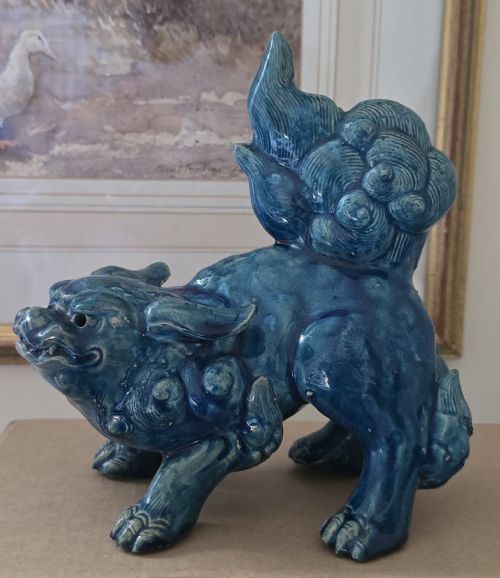
Chinese glazed pottery encompasses a wide array of ceramic vessels, figures, and scholar's objects originating from various dynasties and later periods. Buyers seeking these pieces encounter items ranging from early earthenware waterpots and sancai funerary figures to later turquoise-glazed lions and monochrome vases.
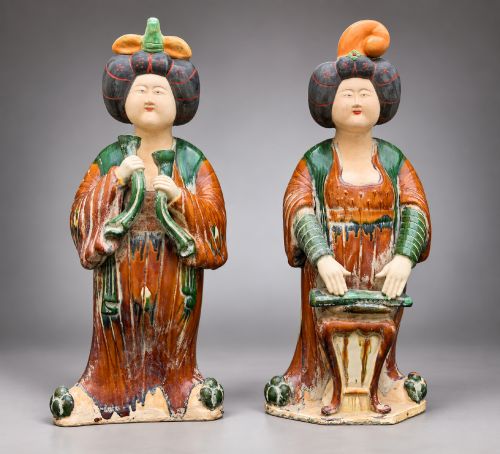
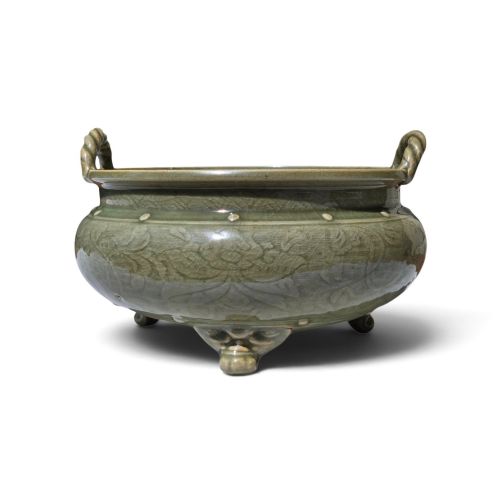
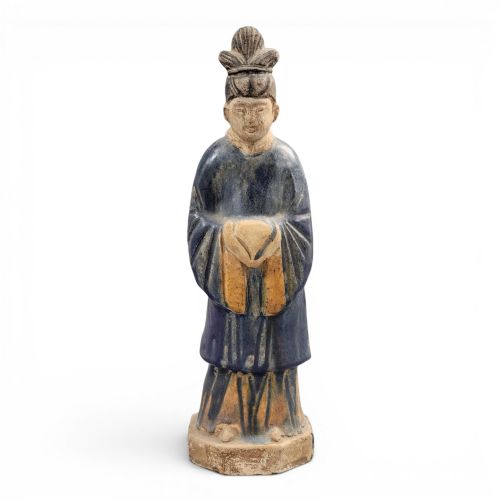
The selection frequently includes figures such as Buddhist lion dogs, court attendants, and musicians, alongside functional vessels like tripod censers, jars, and conical bowls. Many examples reflect traditional dynastic aesthetics, including Ming and Qing period styles as well as later revivals.
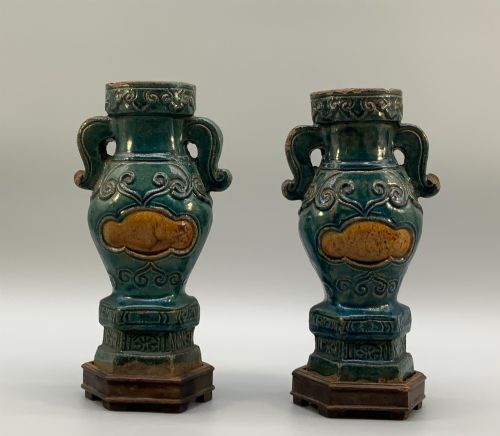
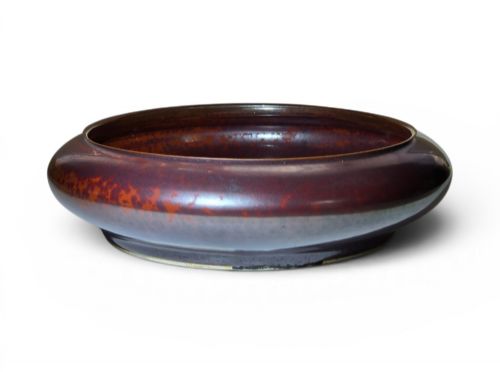
Origins span deep antiquity up to the late Qing and early Republic eras, incorporating earthenware, stoneware, and porcelain bodies. The surface finishes are equally diverse, displaying lead glazes, celadon, tea dust, and vibrant turquoise coatings.
Materials and technique
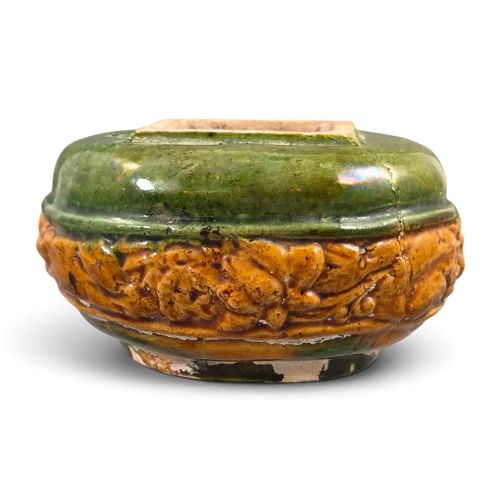
Potters shaped these pieces from local earthenware, stoneware, or fine porcelain clays, often adding carved, incised, or moulded surface details such as phoenix and peony motifs. Artisans then applied specialised mineral-based liquid glazes to the body before firing the pieces in kilns at varying temperatures.
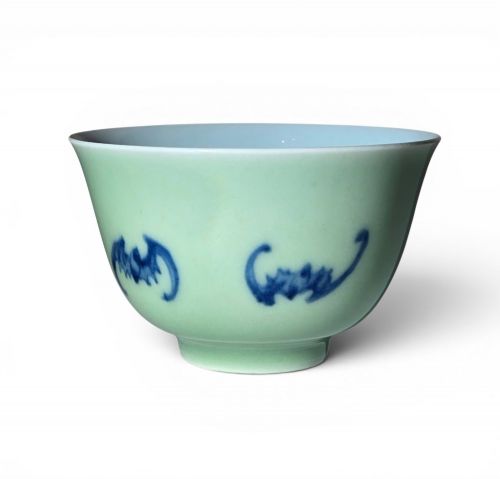
Techniques relied heavily on controlled kiln atmospheres and fluid glaze chemistry, producing effects like the mottled multi-coloured lead glazes seen on sancai wares or the uniform crackle patterns on celadon and crackle-glazed bowls. Iron and copper oxides within the glazes generated rich colours ranging from deep amber and iron-rust to bright turquoise and pale green.
Several glazed ceramic creatures on offer include scholarly water vessels shaped like tiny waterpots and watchful ceramic apes.
Assessing quality
Quality rests upon the precision of the form, the depth and stability of the glaze, and the clarity of any incised or moulded decoration. Superior pieces display harmonious glaze coverage without unwanted pooling or dull dry patches, allowing the underlying clay or porcelain body to support the sculptural lines.
Age and historical adherence also play a defining role, where items maintaining genuine dynastic character, crisp modelling in figures, and well-executed glaze effects command greater attention than later or more hurried commercial productions.
Shiwan pottery·Gao Hengsheng
The Chinese Glazed Pottery Glossary
- Sancai
- Three-colour glaze technique characteristic of Tang dynasty ceramics, typically combining amber, green, and cream or white tones.
- Celadon
- A transparent green glaze over a pale body, creating a jade-like appearance that developed significantly during the Song dynasty.
- Qingbai
- Bluish-white porcelain glaze produced during the Song and Yuan dynasties, featuring a translucent quality over delicately incised designs.
- Shiwan
- Pottery associated with the kilns of Guangdong province, known for expressive figurative sculptures and heavy, colourful monochrome glazes.
- Censer
- A vessel designed for burning incense, often supported by tripod legs and created in ceramic, bronze, or other traditional media.
Chinese Glazed Pottery: Frequently Asked Questions
What periods do these pieces span?
The available selection covers a vast chronological range, extending from pre-sixteenth century dynastic eras like the Tang and Song through the Ming and Qing periods up to the early twentieth century.
Items from earlier centuries often include funerary figures and celadon vessels, while nineteenth and twentieth-century examples frequently feature vibrant turquoise glazes, animal figures, and scholar's items.
How were figures like Foo dogs used?
Buddhistic lion dogs, commonly called Foo dogs or dogs of Fo, served as protective guardians placed at temple gates, domestic entrances, or important interior spaces.
In ceramic form, smaller versions functioned as decorative architectural ornaments, roof tiles, or desk accessories within traditional scholarly settings.
What is the difference between earthenware and porcelain?
Earthenware is a porous, lower-fired ceramic body that requires a glaze to become impermeable, whereas porcelain is a dense, vitrified material fired at much higher temperatures.
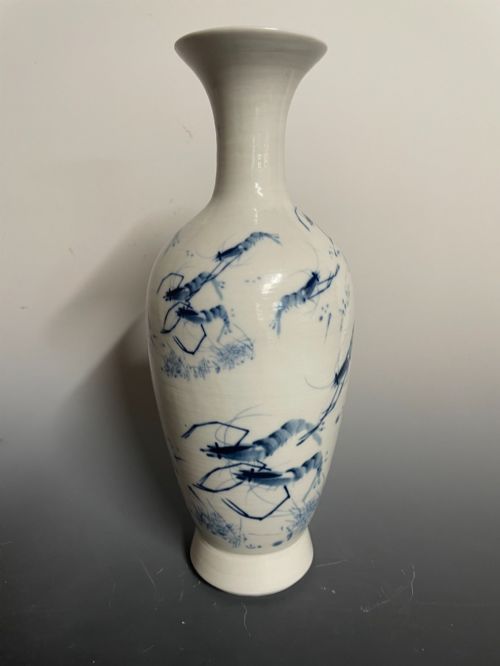
Chinese potters utilised both, applying lead glazes and vibrant colours to earthenware figures while reserving fine porcelain for delicate bowls, cups, and monochrome vases.
How do glazes differ across dynasties?
Earlier dynasties often prioritized subtle green celadons, pale qingbai finishes, and controlled multi-coloured lead glazes like sancai for ritual and funerary use.
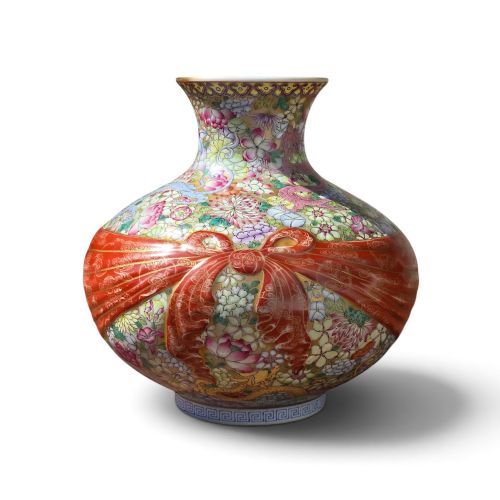
Later periods introduced intense iron-rust, tea dust, flamboyant turquoise, and intricate famille rose enamels, reflecting evolving kiln technologies and aesthetic preferences.