





Chinese Floral Pottery
Chinese floral pottery brings vibrant painted blossoms into the room, offering centuries of ceramic artistry for daily display.
Chinese Floral Pottery
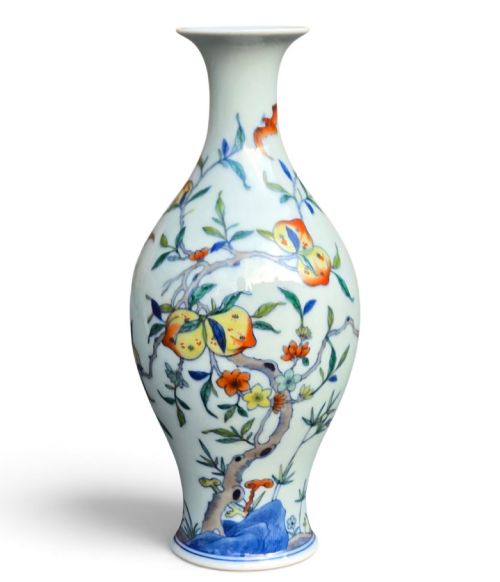
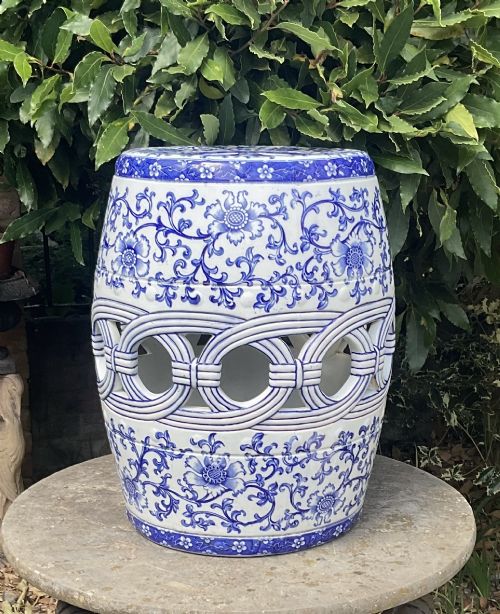
Chinese floral pottery spans diverse decorative forms including vases, lidded jars, bowls, and garden seats. These objects carry plant and flower motifs across centuries of production.
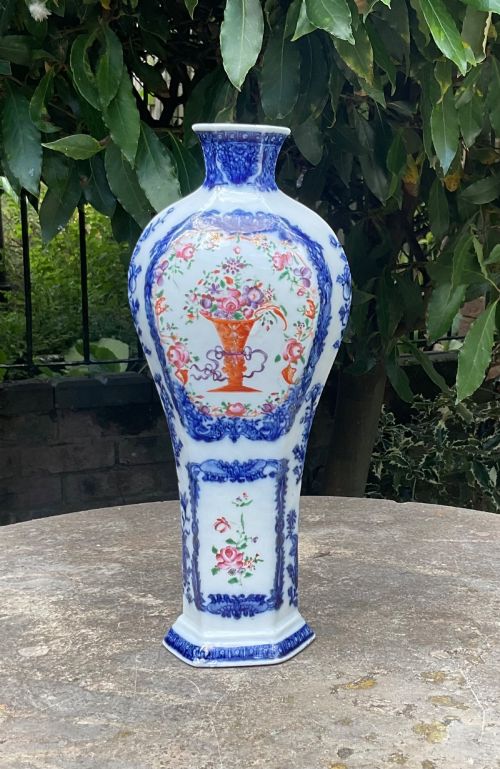
The pieces on this page range from early Song Dynasty celadon bowls to late Qing and Republic period vases, alongside Victorian and Edwardian interpretations. You will regularly encounter blue and white export wares and famille rose palette pieces decorated with botanical designs.
Vessels take many shapes, from massive chargers and bottle vases to tea pots and table lamps adapted from earlier vessels. Each object demonstrates the enduring appeal of floral ornamentation in ceramic manufacture.
How chinese floral pottery was made
Potters shaped clay bodies on the wheel or by hand before applying mineral pigments like cobalt under the glaze. Artisans then fired the pieces at high temperatures to vitrify the ceramic body.
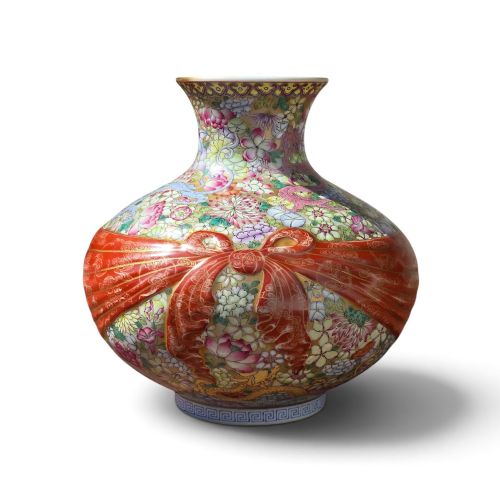
Overglaze enamels were painted on top of fired glaze and subjected to a second, lower temperature firing to fix the colours. This technique permitted the dense multi-coloured palettes seen on famille rose and millefleurs vessels.
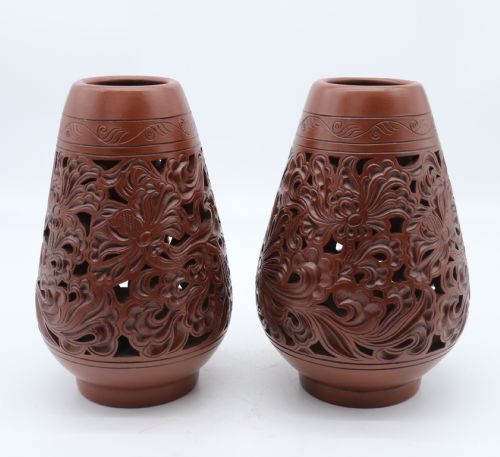
Some works incorporate reticulated carving, incised foliate rims, or contrasting brass and wood mounts added later. Glazes range from transparent celadon greens to rich underglaze blue and brilliant opaque enamels.
Chinese Floral Pottery Retail Price Guide 2026
Typical asking prices for chinese floral pottery among the pieces listed under this phrase on Sellingantiques today, from the lower quarter to the upper quarter. They describe what is for sale here now, not the wider market.
Listings feature porcelain, enamel, ceramic, brass, and wood, spanning periods from the Song Dynasty to the twentieth century.
What varies in quality
The precision and control of the brushwork distinguish superior pieces from standard output. Expert painters achieved subtle tonal gradations and fine botanical details that lesser hands missed.
The purity of the ceramic paste and the stability of the glaze during firing set vessels apart. Potters who managed kiln temperatures avoided surface blemishes and achieved even colour saturation.
The clarity and depth of cobalt pigment or overglaze enamel determine visual impact. Master potters balanced complex floral compositions without crowding the form.
The Chinese Floral Pottery Glossary
- Famille-Rose
- A ceramic palette introduced in the Qing Dynasty featuring opaque pink enamel derived from colloidal gold. This colour transformed floral painting on porcelain.
- Celadon
- A green glazed ceramic where iron oxide in the glaze reacts during reduction firing. The glaze mimics the jade prized by Chinese scholars.
- Underglaze Blue
- Cobalt pigment painted directly onto the unfayed clay body before clear glazing and firing. The blue design fuses permanently beneath the glass surface.
- Millefleurs
- A decorative style translating to thousand flowers where the entire surface is covered in a dense carpet of blossoms. It demands exceptional patience from the painter.
- Reticulated
- Pierced or openwork decoration cut into the clay wall before firing. This technique creates an outer decorative lattice revealing an inner vessel.
Chinese Floral Pottery: Frequently Asked Questions
How do I date chinese floral pottery?
Dating relies on examining the potting style, the composition of the ceramic body, and the pigments used in the floral design. Reign marks can offer clues, though later copies often replicate earlier marks.
Changes in palette, such as the introduction of famille-rose enamels in the eighteenth century, help narrow the period of manufacture. Comparing pieces with established museum examples provides further confirmation.
Where were these pieces used?
These ceramics served both practical functions and decorative roles within scholar studios, imperial courts, and domestic households. Bowls and teapots were made for consumption and dining.
Larger vessels like garden seats and massive chargers adorned courtyards, halls, and reception rooms. Export pieces later found homes in European drawing rooms as ornamental displays.
How do I clean floral pottery?
Dust ceramic surfaces gently with a soft, dry brush to prevent the accumulation of grit in incised or reticulated areas. Avoid harsh chemical cleaners or abrasive cloths that might scratch soft overglaze enamels.
Lamps and mounted pieces require special care around wiring and metal fittings. Keep older porous wares away from prolonged moisture.