




Chinese Export Porcelain Saucer
A chinese export porcelain saucer brings centuries of East-West trade directly to your table, offering delicate hand-painted artistry from Qing Dynasty kilns.
Chinese Export Porcelain Saucer
A chinese export porcelain saucer represents delicate ceramic wares made in China specifically for Western markets during multiple centuries of trade. These small dishes appear alongside teacups, tea bowls, and matching stands in various historical styles.
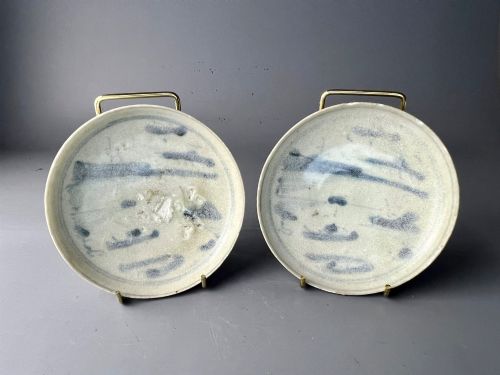
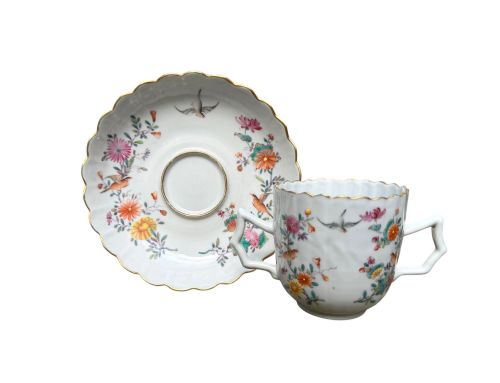
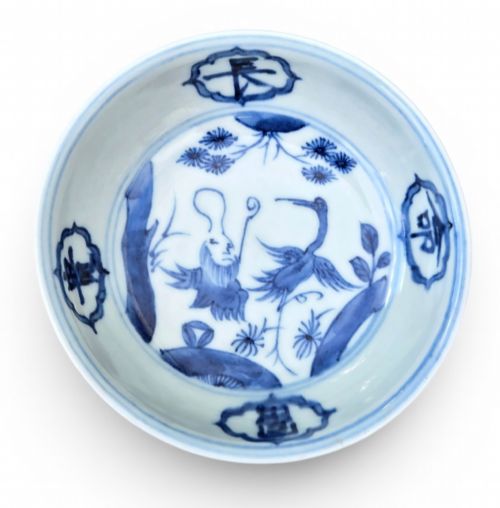
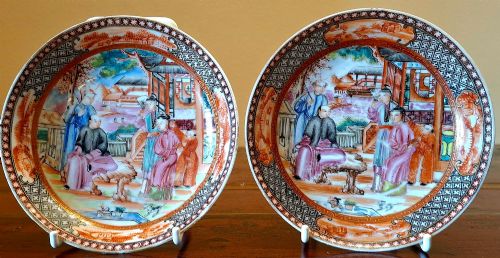
Most examples encountered on this page date from the eighteenth century, particularly the Qianlong period, alongside nineteenth-century iterations and earlier Ming Dynasty styles. Buyers frequently find individual saucers or matched tea bowl and saucer sets decorated with intricate polychrome enamels or underglaze blue.
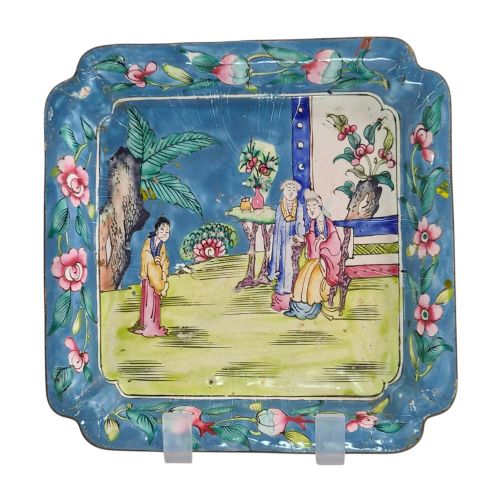
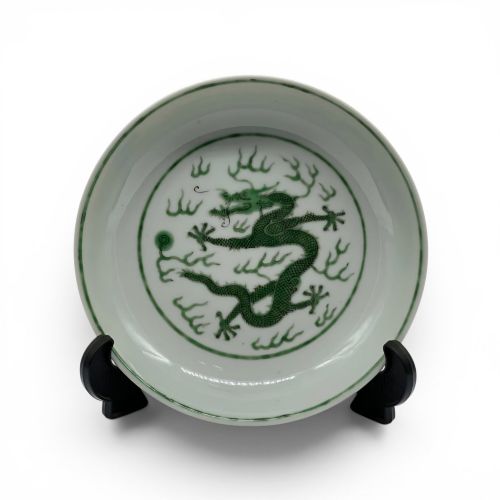
Forms range from deep saucer-dishes to standard circular tea saucers, often featuring pictorial scenes, auspicious motifs, or floral designs. Each piece reflects the crossover aesthetic demanded by European and global buyers of the era.
Materials and production methods
Potters utilised fine white clay to form the porcelain body, sometimes employing soft-paste porcelain techniques depending on the specific period and kiln. Cobalt glaze provided the deep blue underglaze decoration painted directly onto the clay before firing.
Enamel colours and gold leaf or gilt details were applied over the initial glaze during subsequent lower-temperature fixings. This layering created the vibrant palette seen on famille rose and Mandarin palette pieces.
Chinese Export Porcelain Saucer Retail Price Guide 2026
Typical asking prices for chinese export porcelain saucer among the pieces listed under this phrase on Sellingantiques today, from the lower quarter to the upper quarter. They describe what is for sale here now, not the wider market.
Listings feature periods spanning from the seventeenth century through the 1930s, utilising porcelain, enamel, gold leaf, and cobalt glaze.
Distinctions in quality and execution
Execution of the hand-painted brushwork sets finer examples apart from standard commercial production. Precision in the facial expressions of figures, the crispness of cobalt outlines, and the control of enamel application signal superior workshop standards.
The purity of the porcelain body and the stability of the glaze during firing determine the refinement of the finished dish. Well-potted pieces exhibit thin, even walls and careful finishing around the foot rim.
The Chinese Export Porcelain Saucer Glossary
- Famille rose
- A palette of opaque pink and rose enamels introduced in the eighteenth century. This colour scheme allowed for subtle shading and realistic depictions of flora and figures.
- Mandarin palette
- A style of Chinese export porcelain featuring complex narrative scenes framed by intricate borders. These designs typically depict court figures, garden gatherings, or domestic activities.
- Cobalt blue underglaze
- A blue pigment applied to the unfired ceramic body beneath a transparent glaze. It withstands high kiln temperatures without fading or running.
- Qing Dynasty
- The final imperial dynasty of China, spanning from the seventeenth to the early twentieth century. Many export pieces originate from this stable and prolific era of ceramic production.
- Tea bowl
- A handleless drinking vessel designed to accompany a saucer in early tea sets. They appear frequently in eighteenth-century pairings.
Chinese Export Porcelain Saucer: Frequently Asked Questions
What is a chinese export porcelain saucer?
It is a small ceramic dish made in China for export to Western markets, primarily used alongside tea bowls and cups.
These pieces showcase traditional Chinese craftsmanship adapted to European aesthetic preferences through specific decorative palettes and motifs.
How were these saucers used historically?
They functioned as part of tea service sets, often holding tea bowls or catching drips from cups during formal dining and social gatherings.
Over time, many served decorative purposes in European homes to display exotic wealth and global trade connections.
How should I display a saucer safely?
Displaying these pieces requires stable plate stands or shallow wall hangers designed specifically for delicate ceramics.
Keeping them away from direct sunlight and high-traffic areas protects the fragile enamel and gilt surfaces from accidental damage.
How do I tell different periods apart?
Dating relies on stylistic clues, glaze characteristics, and specific decorative palettes associated with reigns like the Qianlong period or the Ming Dynasty.
Examining the foot rim and the composition of the porcelain body also helps establish the era of manufacture.