




Chinese Export Ceramic Lighting
Chinese export ceramic lighting brings centuries of porcelain craftsmanship into domestic spaces as functional table lamps and candlesticks.
Chinese Export Ceramic Lighting
Chinese export ceramic lighting consists primarily of table lamps and candlesticks created by adapting historic vases and jars for electrical use. Buyers searching for Chinese export ceramic lighting frequently encounter nineteenth-century pieces alongside earlier eighteenth-century examples.
The forms originate from traditional vessels such as ginger jars, lidded vases, and prunus blossom vases. These bodies are paired with mounting hardware to serve contemporary interiors.
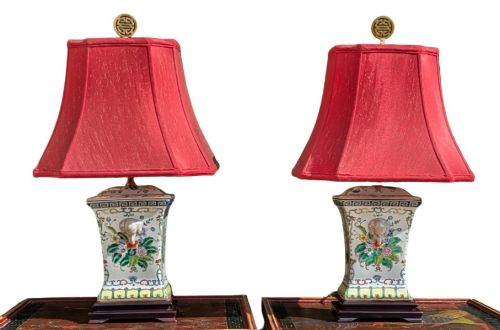
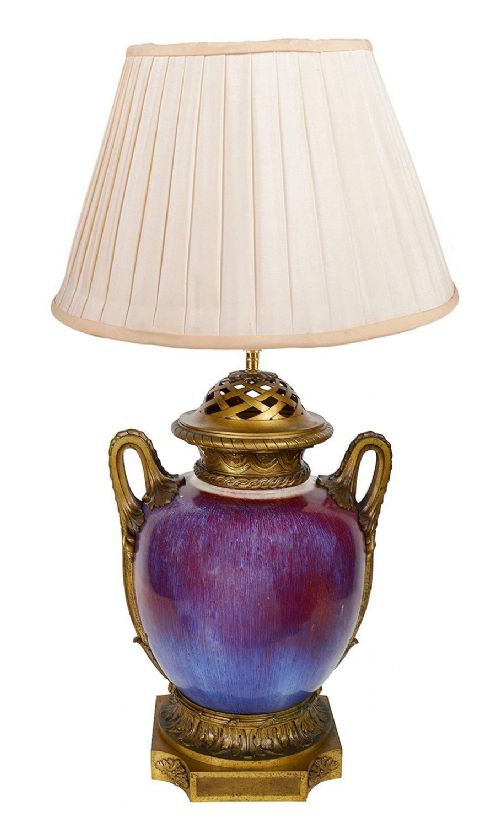
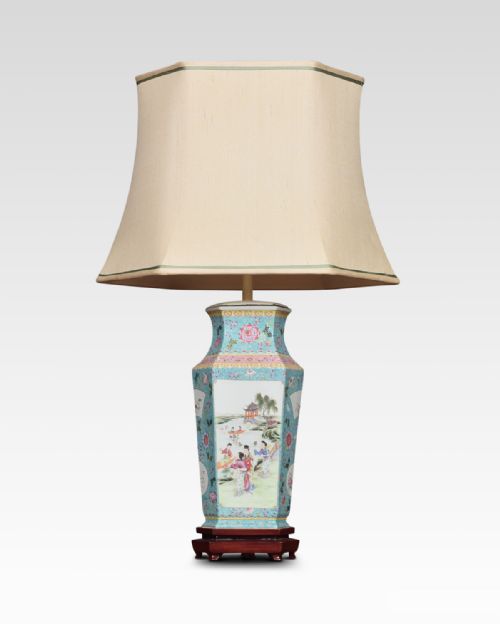
Most selections span the nineteenth century, utilising porcelain decorated in families of colour including famille rose, famille verte, and blue and white. Celadon and sang de bœuf monochrome glazes also appear across the selection.
Materials and construction methods
The foundation of these pieces is porcelain, shaped and fired in kilns before receiving hand-painted enamel decoration or monochrome glazes. Makers applied cobalt underglazes for blue and white designs or overglaze enamels for polychrome patterns.
Metal mounts in brass, gilt bronze, and ormolu secure the porcelain bodies and provide structural support for electrical fittings. Wood components and fabric or silk shades complete the conversion from vessel to lamp.
Chinese Export Ceramic Lighting Retail Price Guide 2026
Typical asking prices for chinese export ceramic lighting among the pieces listed under this phrase on Sellingantiques today, from the lower quarter to the upper quarter. They describe what is for sale here now, not the wider market.
Listings feature porcelain bodies combined with brass, gilt bronze, wood, and ormolu mounts, paired with fabric and silk shades.
Distinctions in quality and execution
Quality separates through the crispness of the hand-painted detail on the porcelain body and the richness of the enamel colours. Finer examples display precise brushwork in floral and figural scenes.
The integration of metal mounts defines the upper tier of execution. Heavier cast brass, gilt bronze, and ormolu mounts fitted precisely to the ceramic contours elevate the overall construction.
The Chinese Export Ceramic Lighting Glossary
- Famille rose
- A palette of opaque overglaze enamels dominated by pink or rose colours, introduced during the Qing dynasty. This palette decorates many nineteenth-century export vases.
- Celadon
- A pale green jade-like glaze applied to porcelain bodies. This glaze results from iron oxide in the glaze mixture firing in a reducing atmosphere.
- Ormolu
- Finely chased and gilt bronze mounts used to decorate and support porcelain vessels. French workshops frequently applied these mounts to imported ceramic bodies.
- Sang de bœuf
- A rich ox-blood red glaze achieved through high-temperature copper reduction firing. It appears on eighteenth-century and later vases adapted into lamps.
- Rose medallion
- A densely patterned panel decoration featuring alternating scenes of figures, birds, and flowers in vibrant enamels. This style appears extensively on nineteenth-century Canton porcelain.
Chinese Export Ceramic Lighting: Frequently Asked Questions
Are these original lamps or conversions?
These pieces are historic ceramic vessels, including vases and ginger jars, converted into lamps at a later date. They retain their original antique porcelain bodies paired with newer electrical components.
Mounts in brass, gilt bronze, or ormolu are added during the conversion process to support the bulb and shade securely.
How do I date Chinese export porcelain?
Dating relies on stylistic markers, enamel palettes, and the characteristics of the porcelain body. Nineteenth-century pieces often feature bright famille rose enamels or blue and white prunus motifs.
Earlier examples from the eighteenth century show distinct glaze tones and potting techniques that separate them from later nineteenth-century output.
What is the difference between Canton and Rose Medallion?
Canton porcelain encompasses a broad category of decorative export wares produced in the Guangdong province during the nineteenth century. Rose Medallion is a specific subset featuring divided panels filled with birds, butterflies, and court figures.
Both styles utilise the familiar famille rose palette of pinks, greens, and gilt highlights.
Can I use standard lampshades with these lamps?
Standard shades in fabric, silk, or other materials pair readily with these ceramic bases. The key is selecting a shade proportion that matches the visual weight of the porcelain body.
Consider the height and width of the vase when choosing fittings to ensure stable balance and correct illumination.