






Chinese Enamel Plate
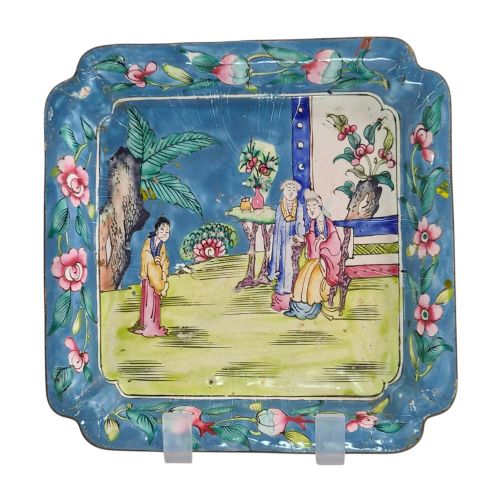
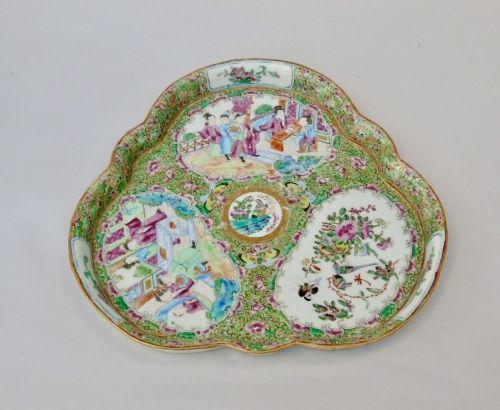
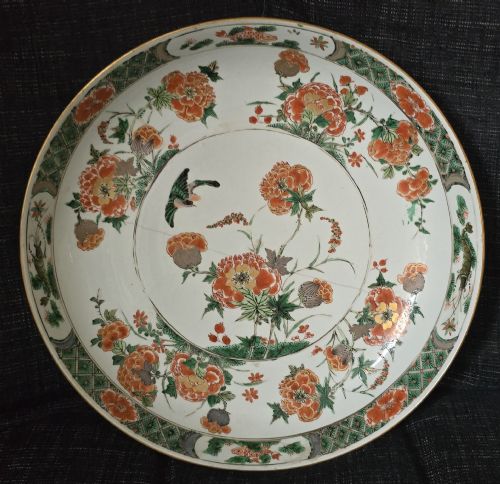
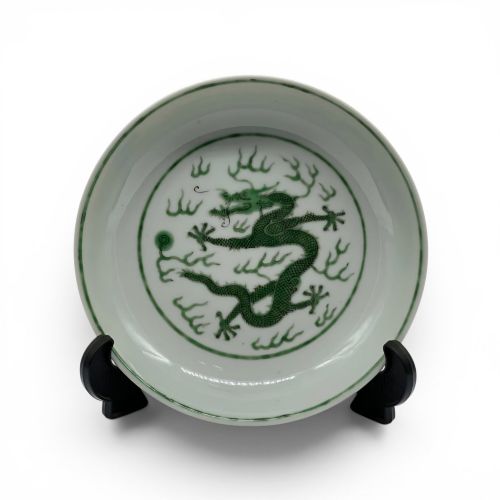
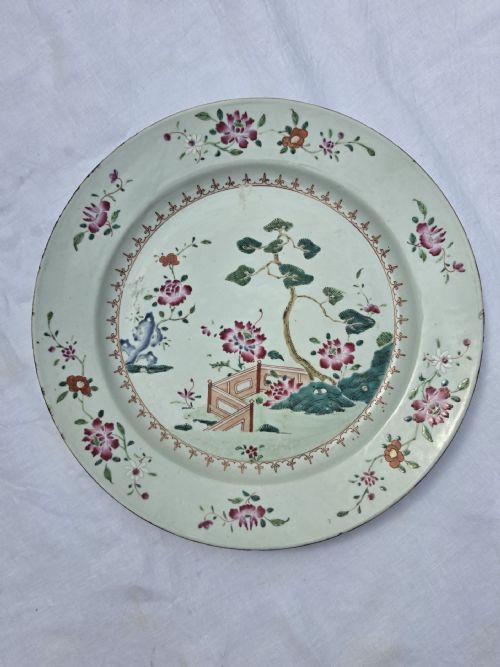
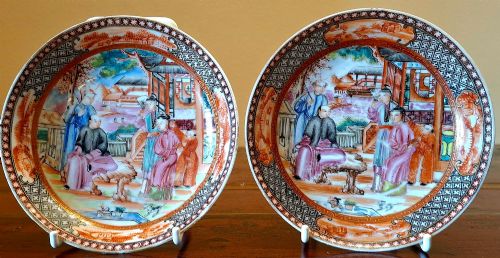
These pieces of chinese enamel plate bring hand-painted narrative scenes and vibrant polychrome palettes straight to a cabinet or wall.
Chinese Enamel Plate
A chinese enamel plate covers a range of ceramic and metal vessels produced primarily across the eighteenth and nineteenth centuries, spanning the Qing Dynasty and Chinese Export periods. Buyers seek out these forms to acquire traditional hand-painted motifs that record historical workshops and trade routes.
The selection here relies heavily on eighteenth-century examples from the Qianlong era alongside nineteenth-century Canton productions. Dishes decorated with famille rose, famille verte, and imperial iron-red palettes dominate the available forms.
Vessels appear in various configurations including decorative chargers, trefoil trays, shamrock shapes, and armorial plates bearing specific family crests. Teacups, saucers, and large bowls complement the flatware to represent standard domestic and export wares.
Evaluating the Pieces
The precision and density of the hand-painted brushwork dictate the visual hierarchy among these plates and dishes. Finer examples display meticulous control over polychrome enamels, whereas simpler output relies on broader application and standard repeat patterns.
The inclusion of specific imperial marks, armorial bearings, or unusual figural scenes elevates certain pieces above standard domestic wares. Condition and the preservation of original gilding and overglaze colours remain central to the standing of each item.
Chinese Enamel Plate Retail Price Guide 2026
Typical asking prices for chinese enamel plate among the pieces listed under this phrase on Sellingantiques today, from the lower quarter to the upper quarter. They describe what is for sale here now, not the wider market.
The inventory spans the eighteenth and nineteenth centuries, incorporating Qing Dynasty styles and Chinese Export productions.
The Chinese Enamel Plate Glossary
- Famille Rose
- A major palette of opaque pink and rose enamels introduced during the Qing Dynasty. This colour scheme allowed for subtle tonal gradations in floral and figural depictions.
- Famille Verte
- A transparent green-dominated enamel palette characteristic of earlier Qing production. Artisans combined this dominant hue with iron red, yellow, and blue pigments.
- Cloisonné
- A metalworking technique where flat wires create raised barriers on a copper base to hold coloured enamel pastes. Subsequent firing and grinding produce a smooth decorated surface.
- Chinese Export
- Wares manufactured in China specifically for Western markets and trade between the seventeenth and nineteenth centuries. These pieces often incorporate European heraldry or tailored design elements.
- Mandarin Pallet
- A style of Chinese export porcelain featuring elaborate court or domestic figure scenes enclosed within decorative borders. These compositions typically utilise bright famille rose enamels.
Chinese Enamel Plate: Frequently Asked Questions
How do I date a Chinese enamel plate?
Dating relies on combining stylistic evidence with reign marks, baseline materials, and known trade periods. Eighteenth-century pieces often reflect Qianlong aesthetics, whereas nineteenth-century items frequently exhibit Canton characteristics.
Examining the foot ring, body weight, and enamel chemistry helps confirm the era of production. Comparative study against documented pieces assists in narrowing down the decades.
Were these plates used for dining?
Many export and armorial plates served functional roles at European dining tables during the eighteenth century. Commissioned armorial services demonstrated wealth and social standing among nobility.
Over time, many surviving examples transitioned into display pieces due to their delicate enamel surfaces. Chargers and large plaques were primarily intended for wall hanging or cabinet presentation.
What is the difference between Canton and Qianlong wares?
Qianlong period pieces generally display refined, balanced compositions associated with imperial workshops and high-standard export commissions. The brushwork tends toward precise botanical and figural detail.
Canton wares, largely emerging in the nineteenth century, often feature busier layouts with dense borders and vibrant green or rose palettes. These items catered to expanding international commercial demand.
How should I display and care for antique enamel?
Keep plates out of direct sunlight to prevent fading in sensitive overglaze pigments and gold leaf accents. Use stable wall mounts or padded plate stands designed for antique ceramics.
Dust surfaces gently with a dry, soft brush and avoid using water or chemical cleaners on enamel and gilt areas. Stable indoor humidity levels protect both porcelain bodies and metal-backed cloisonné.