
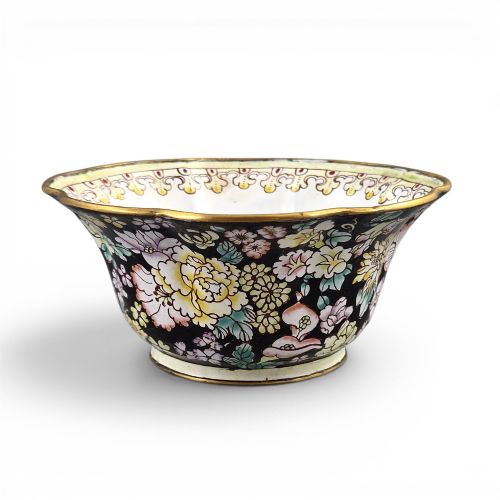
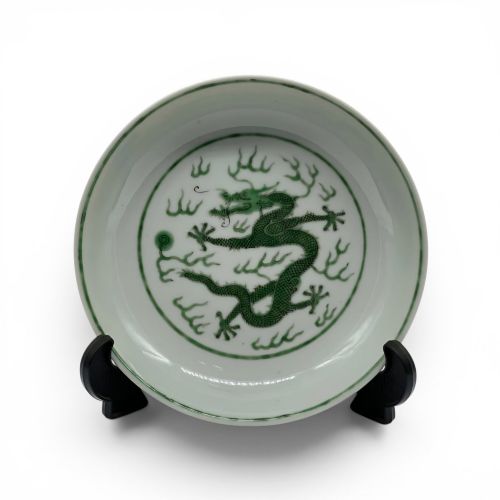



Chinese Enamel Decorative Bowl
A chinese enamel decorative bowl brings saturated colour and intricate hand-painted detail to a room, drawing the eye instantly.
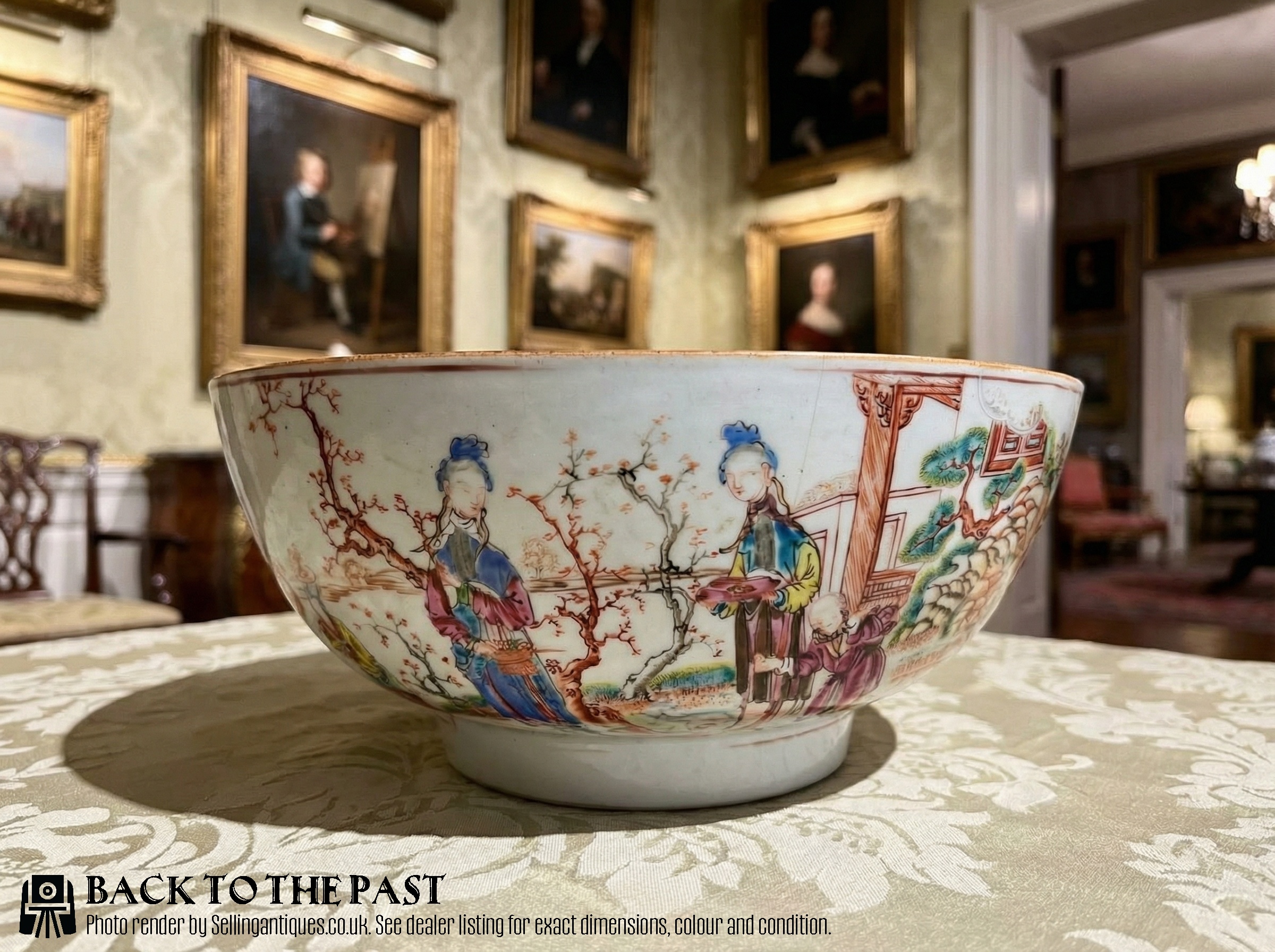
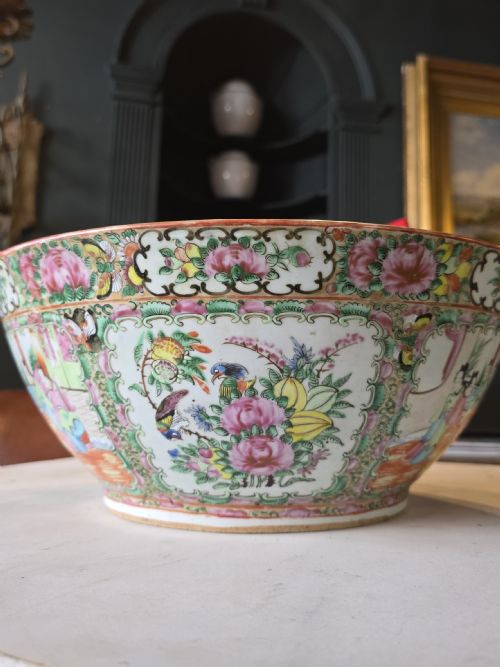
Chinese Enamel Decorative Bowl
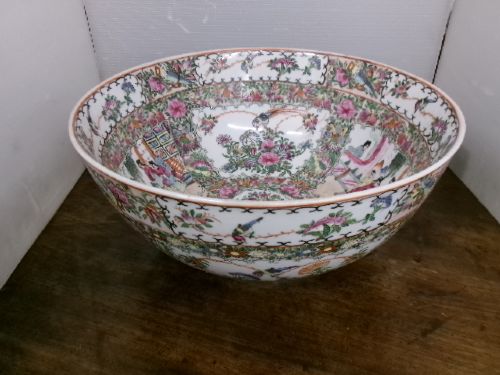
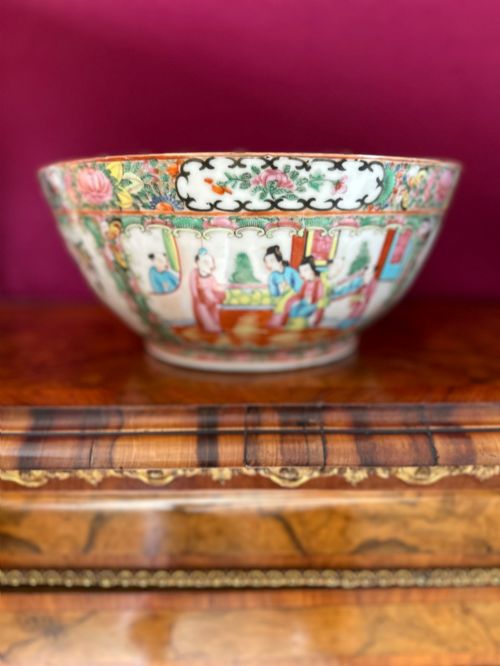
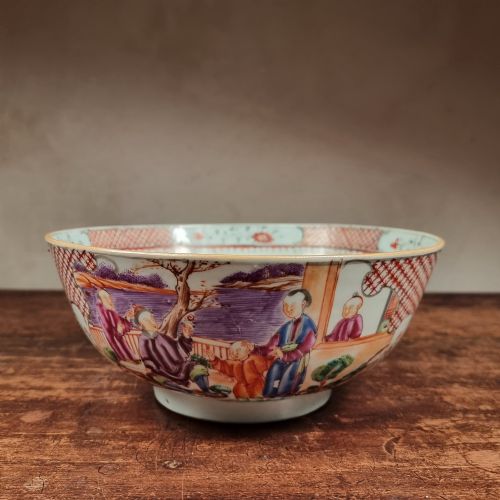
A chinese enamel decorative bowl covers a range of vessels from large porcelain punch bowls to bronze and copper alloy pieces decorated with vibrant colours. These items span periods from the eighteenth century through to the mid-twentieth century, with nineteenth-century examples appearing frequently.
Forms include large canton bowls, jardinières, lidded jars, and punch bowls displaying chinese export and qing dynasty styles. Buyers often encounter pieces finished in cantonese famille rose designs alongside cloisonné and overglaze enamel work.
The objects serve as decorative centrepieces, utilising traditional motifs and hand-painted details across porcelain and metal bodies. Each piece reflects regional Asian craftsmanship from specific historical periods.
Materials and construction methods
Makers utilised porcelain, copper alloy, and bronze as the foundational bodies for these vessels, applying enamel directly onto the prepared surfaces. Gilding and gold leaf often accent the rims and details of metal and ceramic pieces.
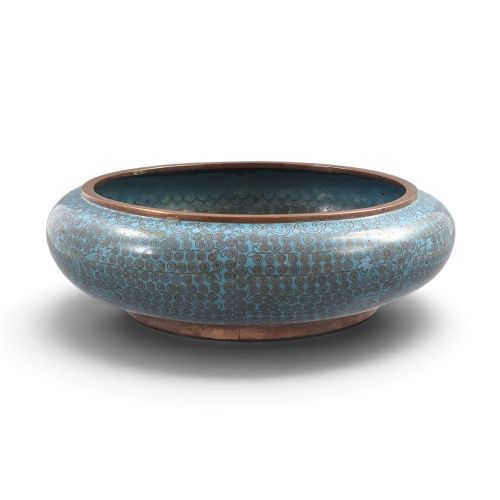
Overglaze enamel techniques allow for vibrant multi-coloured palettes, seen clearly in famille rose wares and painted copper bowls. Cloisonné constructions involve soldered metal wires creating cells filled with coloured enamel pastes before firing.
One heavy bronze and cloisonné bowl tips the scales at over a kilogram of solid historic craftsmanship.
Distinguishing quality in these vessels
Quality rests in the precision of the hand-painting and the complexity of the enamel work across the surface of the bowl. Finer examples display crisp detail in the motifs and smooth, even application of pigments without pitting.
The weight and stability of the underlying porcelain or metal body contribute to the overall substance of the object. Superior items maintain intact gilding and well-preserved enamel panels that show clear definition in every brushstroke.
The Chinese Enamel Decorative Bowl Glossary
- Cloisonné
- Enamelwork created by soldering metal wires to a metal base to form compartments filled with paste and fired. This technique produces distinct coloured patterns separated by thin metal lines.
- Famille Rose
- A palette of opaque overglaze enamels dominated by pink or rose colours, introduced during the Qing dynasty. It allowed artists to render soft tonal gradations in floral and figural scenes.
- Canton
- A major port in southern China associated with brightly coloured export porcelain and enamel wares intended for Western markets. These items frequently feature crowded figurative and floral panels.
- Plique-a-jour
- An enamelling technique where enamel is applied within a cellular framework without a backing metal, allowing light to shine through the translucent material. It resembles miniature stained glass.
- Jardiniere
- A large decorative pot or bowl designed to hold plants or flowers. In Asian export wares, these heavy vessels often feature deep sides and rich surface decoration.
Chinese Enamel Decorative Bowl: Frequently Asked Questions
How do I clean a chinese enamel decorative bowl?
Dust the surface gently with a soft, dry cloth to prevent accumulation. Avoid abrasive cleaners, harsh chemicals, and soaking, as moisture can damage older metal alloys and delicate overglaze enamels.
Keep the vessel out of direct sunlight to protect the pigments from fading over time. Handle porcelain and bronze pieces with clean hands to prevent skin oils from marking the finish.
Can I use these bowls for food?
Antique decorative bowls are generally intended for display rather than culinary use. Historic overglaze enamels and metal compositions may not meet modern food safety standards.
Displaying them empty or using them for dry decorative items preserves the fragile interior surfaces. This prevents scratching and chemical wear on the historical glaze.
What is the difference between cloisonne and painted enamel?
Cloisonné involves metal wires soldered to a bronze or copper base to create raised walls that hold coloured enamel pastes. This method produces a textured, compartmentalised surface.
Painted enamel involves applying pigments directly onto a smooth copper or porcelain ground with a brush. This technique achieves pictorial scenes without wire boundaries.
How do I date a nineteenth century bowl?
Examine the materials, base characteristics, and painting style relative to known historical periods. Nineteenth-century pieces often display specific canton patterns or qing dynasty export traits.
Consulting the manufacturing medium, such as bronze versus porcelain, helps narrow the production era. Makers' marks and reign characters can also provide specific chronological markers when present.