




Chinese Dragon Lamp
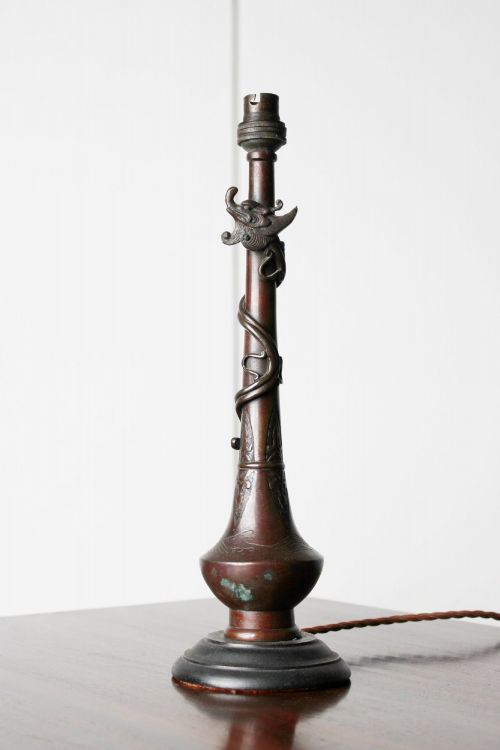
A chinese dragon lamp brings distinct sculptural presence to a room, cast in bronze or carved from dense hardwood with coiled mythical beasts.
Chinese Dragon Lamp
A chinese dragon lamp combines traditional Asian craftsmanship with period lighting forms, spanning table models to tall floor standards. These pieces emerge from Victorian and Edwardian workshops, alongside earlier nineteenth century imports and Republic period pieces.
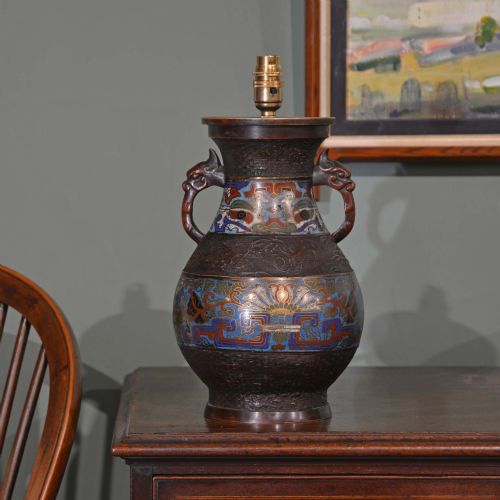
Buyers encounter converted vases, carved hardwood lantern stands, and patinated metal figures entwined with scaly beasts. The most common survivals on this page are carved hardwood stands and porcelain vase conversions bearing famille rose or medallion enamels.
How they were made
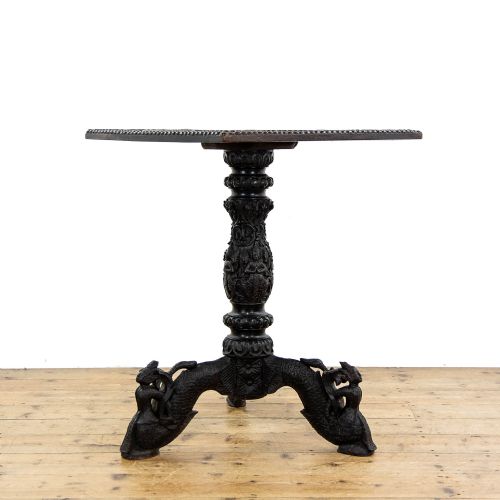
Artisans utilised dense hardwoods, heavy brass, and patinated bronze to shape the serpentine bodies of dragons. Carved wooden examples employ deep relief work on lantern stands and torchiere shafts.
Ceramic bodies utilise porcelain with hand-painted famille rose enamels or glazed finishes, frequently mounted later with gilt bronze or brass electrical fittings.
Listings feature items spanning the nineteenth century, Edwardian era, and early twentieth century in hardwood, bronze, and porcelain.
What varies in quality
Depth and crispness of the carving distinguish standard production from superior work. A finely chiselled bronze or deeply undercut hardwood dragon displays muscular definition and sharp claw details rather than soft, rounded edges.
The integrity of the original material influences overall merit, particularly in converted vases and lantern stands. Intact porcelain without hairline fractures and dense, unblemished hardwood indicate superior original selection.
The Chinese Dragon Lamp Glossary
- Famille rose
- A palette of opaque enamels dominated by pink, used on Chinese porcelain. This ceramic decoration method gained prominence during the Qing dynasty.
- Torchiere
- A tall standing lamp designed to direct light upward. These wooden or metal pedestals often incorporate dragon motifs along the vertical shaft.
- Cloisonné
- An enamelling technique where metal wire forms compartments on a bronze or brass base. Coloured paste fills these cells before firing.
- Chinoiserie
- European artistic styles reflecting Chinese motifs and motifs of East Asia. Makers applied these decorative schemes to furniture and lighting throughout the nineteenth century.
- Rose medallion
- A distinctive style of Chinese porcelain decoration featuring panelled compartments of figures and flowers. These panels alternate with green and gold bird designs.
Chinese Dragon Lamp: Frequently Asked Questions
How do I wire an antique lamp?
Rewiring requires a qualified electrician to install modern flex and a compliant lamp holder while preserving the original body.
Historical lamps often retain dry internal channels or require careful pathing through carved hardwood shafts without damaging the antique structure.
Are these lamps converted vases?
Many examples began life as nineteenth century porcelain vases before receiving electrical fittings at a later date.
Conversion methods vary from drilled ceramic bases to secure collar mounts that avoid permanent alteration to the original vessel.
How do I clean carved wood?
Dust carved hardwood surfaces regularly with a soft, dry brush to prevent accumulation in deep crevices.
Avoid liquid cleaners and wax build-up on antique finishes, applying only specialist microcrystalline wax sparingly when the dry grain demands nourishment.