
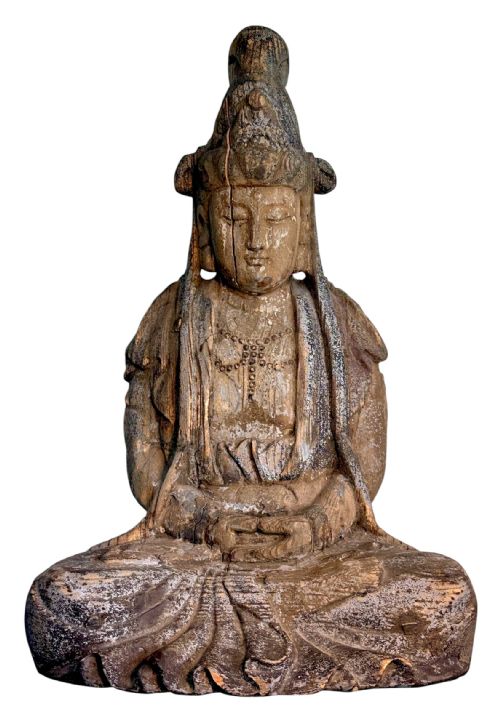


Chinese Carved Wood Figures
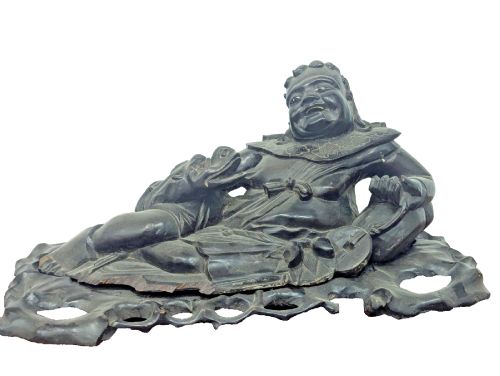
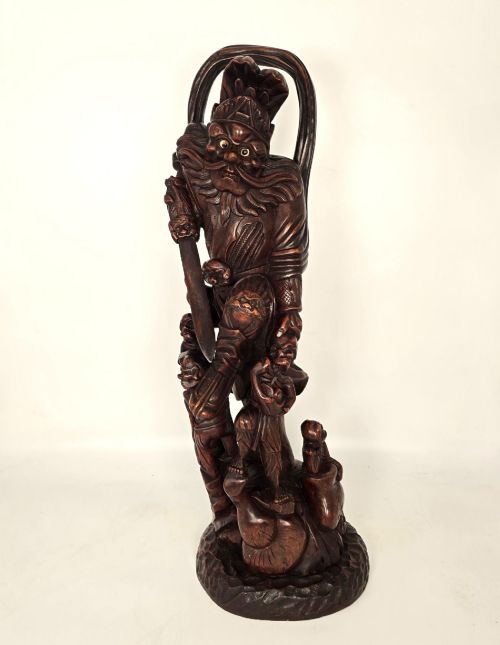
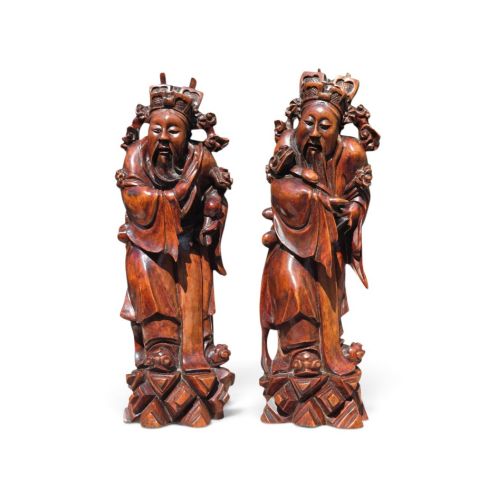
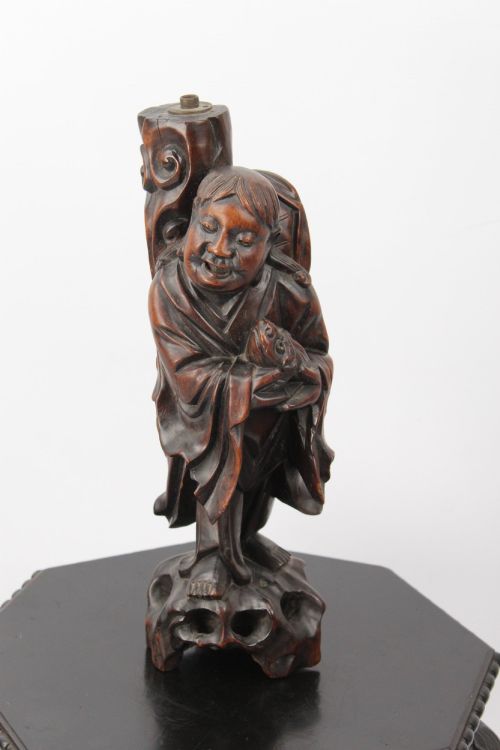
These chinese carved wood figures span centuries of craftsmanship, offering collectors intricate depictions of deities, scholars, and animals carved from rich timbers.
Chinese Carved Wood Figures
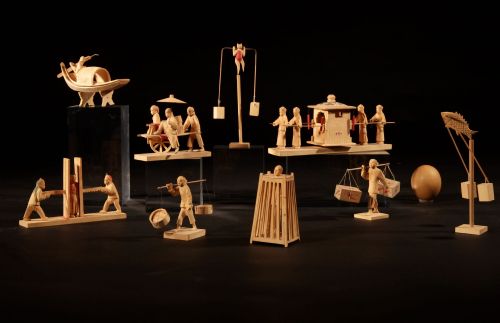
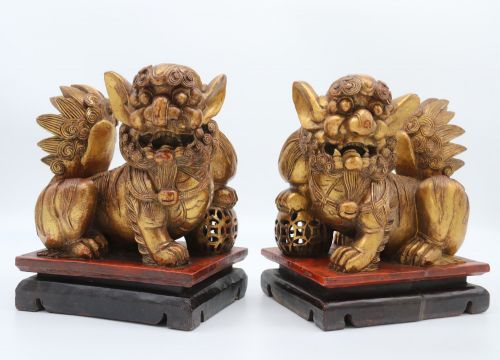
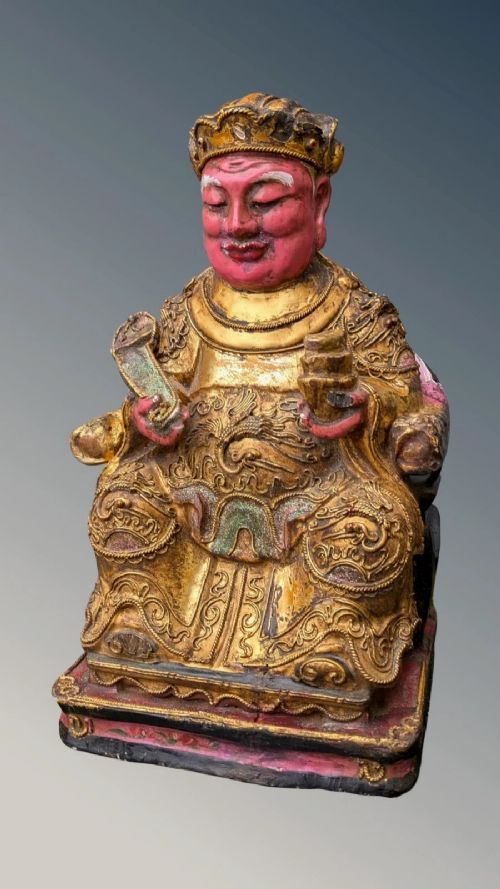
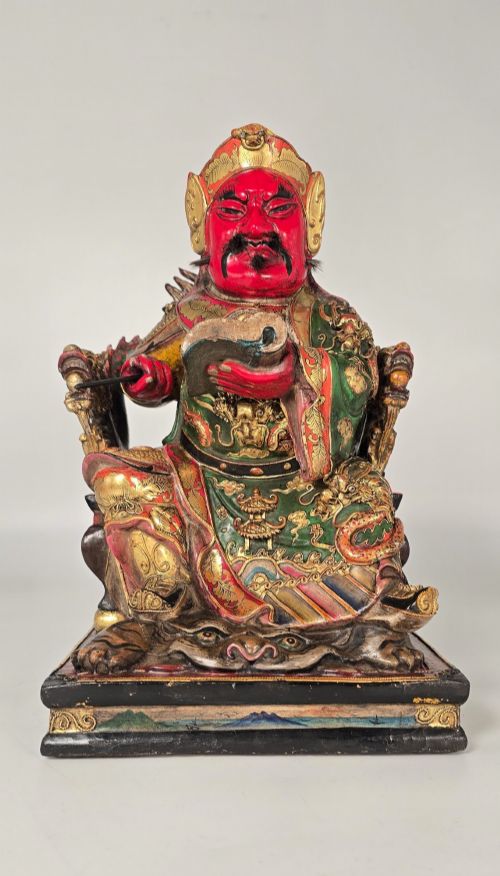
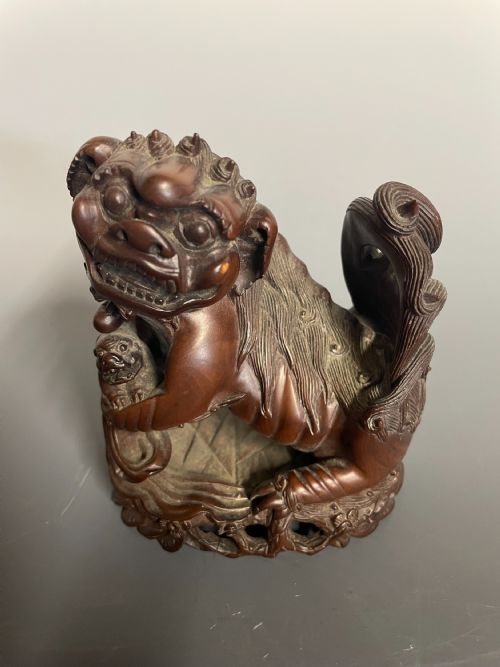
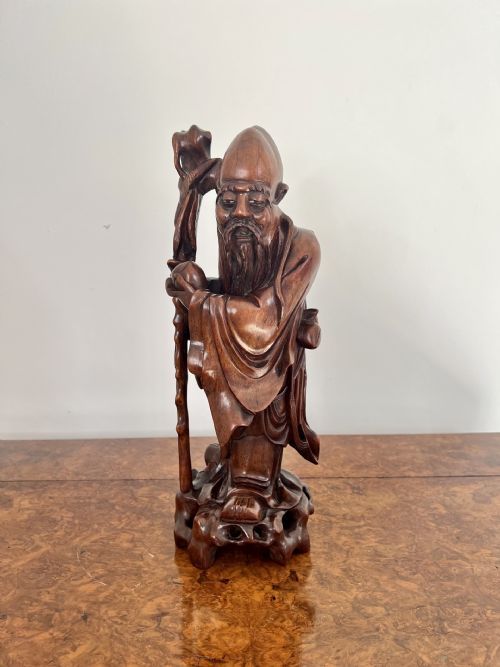
When you search for chinese carved wood figures, you encounter a diverse array of sculptures ranging from domestic table ornaments to monumental temple guardians. The most frequent pieces on this page are nineteenth-century hardwood carvings depicting figures such as Daoist immortals, Buddhist deities, and animals including elephants, water buffaloes, and dogs of fo.
The selection includes both individual standalone statues and matched pairs, alongside figural groups representing daily life or mythical subjects. Pieces take many forms, from root wood carvings utilising the natural gnarled shapes of timber to polished hardwood sculptures and painted temple figures.
How They Were Made
Artisans carved these sculptures primarily from dense hardwoods, boxwood, and burr root wood, sometimes adapting the organic twists of root timber into the forms of men or animals. Many pieces combine high relief carving with applied details in lacquer, gold leaf, polychrome paint, and mixed metals.
Temple figures and certain deities often received layers of polychrome paint and gilding over a wood base, while root wood items relied on the natural grain and knots of the material to create texture and movement.
The listings on this site include hardwood, root wood, and boxwood, spanning the eighteenth and nineteenth centuries.
What Varies in Quality
The distinction between ordinary and superior chinese carved wood figures lies in the depth of execution, anatomical proportion, and the handling of the timber. Finely rendered facial expressions, sharply defined drapery folds, and careful integration of the natural grain mark the superior examples.
Simpler workshop pieces display heavier, more generalised carving with minimal detail, whereas monumental temple sculptures and fine hardwood figures exhibit complex undercutting, crisp tool marks, and well-preserved surface treatments like lacquer or gilding.
The Chinese Carved Wood Figures Glossary
- Hardwood
- Dense, slow-growing timber such as zitan or huanghuali utilised for detailed oriental carvings. It provides stability and takes a fine polish.
- Root Wood
- Timber sourced from the root system of a tree, appreciated for its gnarled, twisted growths. Carvers shape these natural contours into figures and animals.
- Gilt Wood
- Timber decorated with a thin layer of gold leaf applied over a prepared surface. This technique was frequently applied to temple guardians and Buddhist figures.
- Foo Dog
- A traditional guardian lion depicted in pairs outside temples and palaces. They symbolise protection and are commonly carved from wood or stone.
- Daoist Immortal
- A mythological figure associated with Daoism, often represented holding traditional attributes such as gourds, fans, or peaches.
Chinese Carved Wood Figures: Frequently Asked Questions
What periods do these wooden figures come from?
The pieces span from the seventeenth century through to the early twentieth century, encompassing the Qing dynasty and later periods of traditional Chinese craftsmanship.
Dates are established through stylistic analysis, material selection, and historical records associated with temple workshops and regional carvers.
How were these carved figures originally used?
Many smaller pieces served as scholar's desk ornaments, home shrines, or decorative table lamp bases in affluent households.
Larger monumental works originated as temple guardians, ritual figures, or architectural elements intended for religious and ceremonial spaces.
How do I care for antique wooden sculptures?
Keep the pieces away from direct sunlight, extreme temperature fluctuations, and central heating sources to prevent the timber from splitting.
Dust gently with a dry, soft brush and avoid applying modern polishes or cleaning agents to the carved surfaces.
What subjects are most common in these carvings?
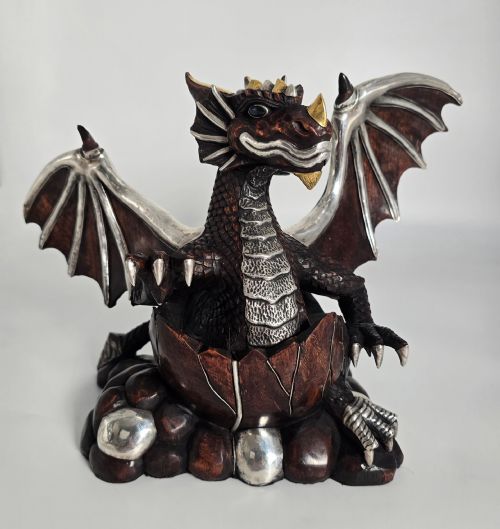
Common subjects include Daoist immortals, Buddhist deities like Guanyin and the Buddha, scholars, fishermen, and mythical creatures such as dragons and dogs of fo.
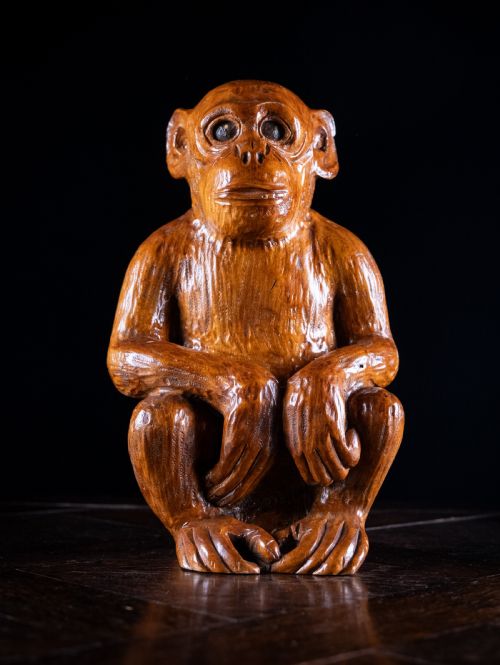
Animals including elephants, water buffaloes, monkeys, and horses also appear frequently across the selection.