


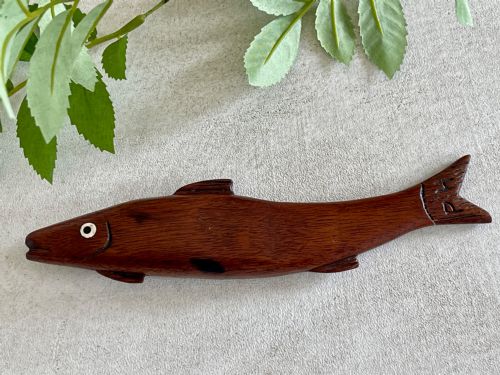


Carved Wood Fish
These carved wood fish combine practical craft and folk art, offering charming displays of marine life from the nineteenth and twentieth centuries.
Carved Wood Fish
When you search for carved wood fish, you encounter a specialised selection of carved figures, wall decor, and functional items spanning several decades.
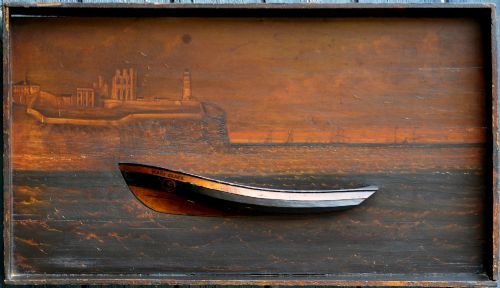
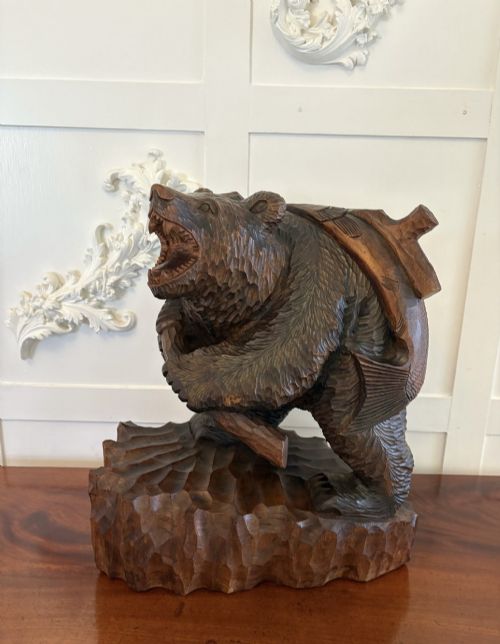
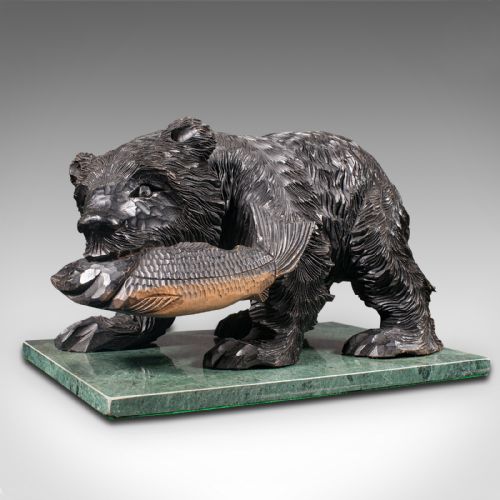
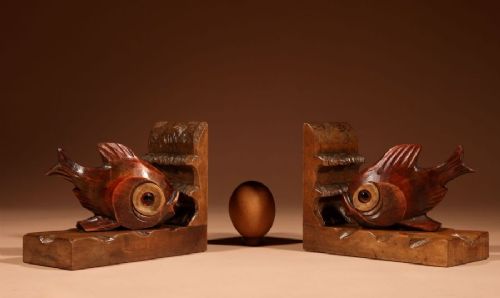
The objects on this page include sculptural goldfish bookends, painted bookends, flying fish, and wooden figures of shubunkin from the nineteenth century.
Makers utilised various timber varieties to capture both realistic marine forms and whimsical folk interpretations for domestic settings.
How they were made
Craftsmen shaped these items primarily from solid timber such as linden wood, pine, and hardwood using traditional hand-carving techniques.
Some examples feature applied paint or gilded surfaces to highlight scale patterns and anatomical details.
Carved Wood Fish Retail Price Guide 2026
Typical asking prices for carved wood fish among the pieces listed under this phrase on Sellingantiques today, from the lower quarter to the upper quarter. They describe what is for sale here now, not the wider market.
Listings feature works from the nineteenth century, Edwardian period, and nineteen-thirties, utilising linden wood, pine, and hardwood.
What varies in quality
The depth of carving and the naturalism of the form separate standard decorative pieces from finer sculptural works.
Surface preservation, including the original patina on the timber and any preserved paint, dictates the desirability of each piece.
Tomochika
The Carved Wood Fish Glossary
- Linden wood
- A pale, fine-grained timber frequently utilised for detailed nineteenth-century animal carvings due to its predictable working properties. Carvers favoured this wood for its ability to hold crisp, intricate details without splitting.
- Folk art
- Items created by traditional artisans outside the formal academic academies, often displaying local cultural motifs. These pieces prioritise character and utility over strict anatomical accuracy.
- Treen
- Small handmade wooden household objects produced before the widespread adoption of plastics. These functional items range from kitchen utensils to knitting sheaths shaped like aquatic animals.
- Giltwood
- Timber carved and subsequently coated with a thin layer of gold leaf or metallic paint. This finish frequently appears on decorative frames and mirrors incorporating aquatic ornamentation.
- Meiji period
- The era of Japanese history lasting from eighteen sixty-eight to nineteen twelve, noted for exceptional ivory and wood carving. Works from this period often display meticulous attention to biological detail.
Carved Wood Fish: Frequently Asked Questions
How do I display wooden fish?
These pieces suit placement on bookshelves as bookends or mounting on walls depending on their original function as figures or signs. Ensure they avoid direct sunlight to preserve the timber and any surface finishes.
Pair them with complementary nineteenth-century treen or marine-themed objects to create a cohesive display in a hallway or study.
How do I date carved wood fish?
Examine the tool marks left by the carver, the species of timber used, and any associated hardware or mounting brackets. Nineteenth-century pieces often show hand-tool texturing distinct from later machine-finished items.
Compare the style against documented folk art traditions and Japanese Meiji period exports to narrow down the decade of production.
What woods were used for carving fish?
Makers selected timbers based on availability and the level of detail required for the sculpture. Linden wood and pine appear frequently among European folk carvings.
Hardwoods were also utilised for denser items and furniture components requiring greater structural strength.
Are painted wooden fish original?
Many decorative fish and bookends received surface paint when first made to emphasise scales and coloration. Inspect the pigment under magnification to check for age-related craquelure and wear consistent with the piece's stated period.
Original surfaces retain cumulative handling marks that differ significantly from modern applied finishes.