


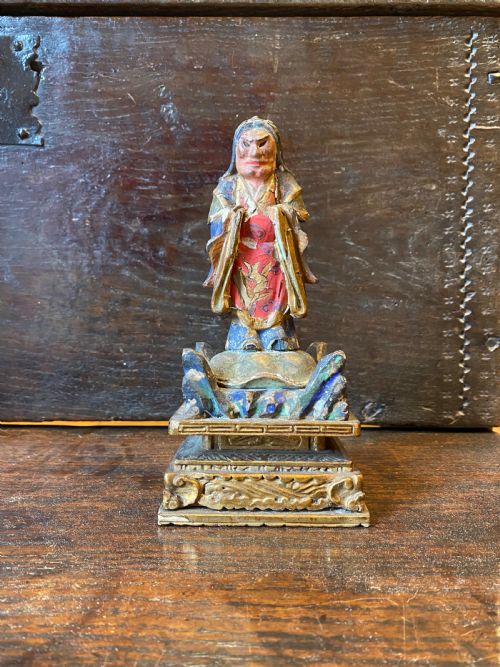


Chinese Carved Deities
These Chinese carved deities are tangible pieces of devotion and history, bringing centuries of craftsmanship and spiritual presence into your home.
Chinese Carved Deities
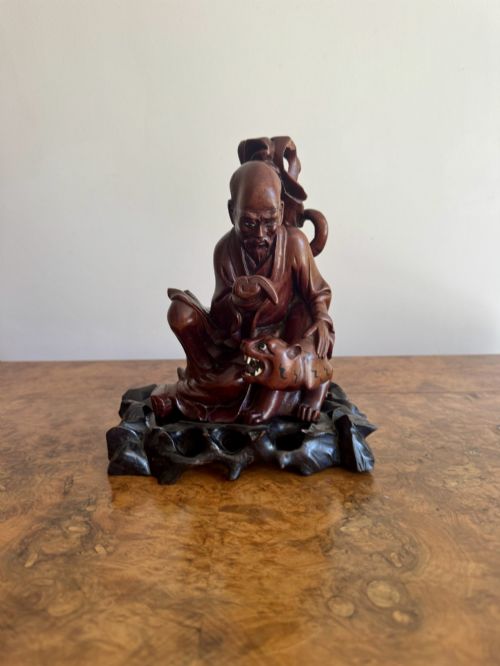
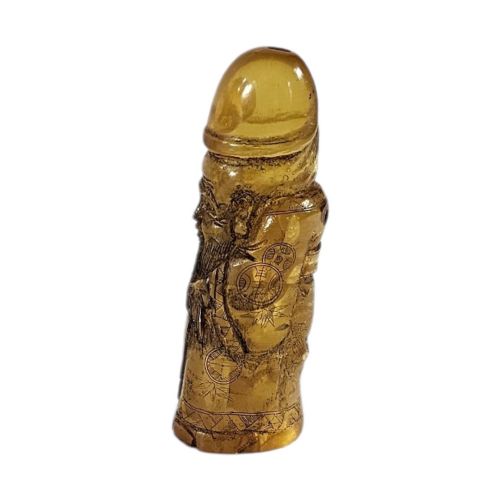
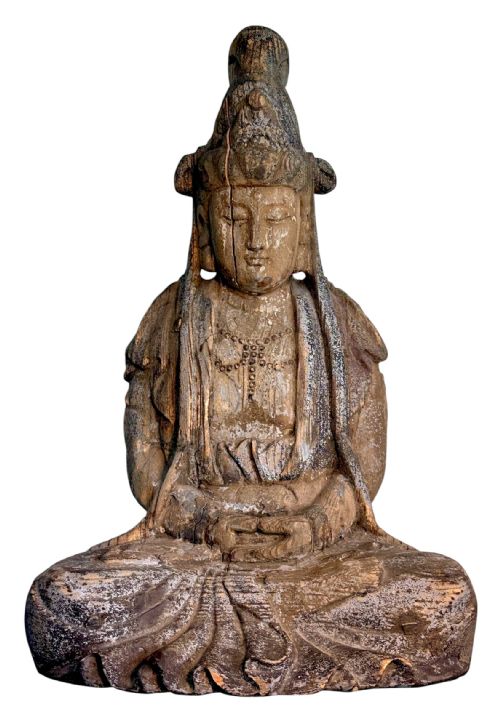
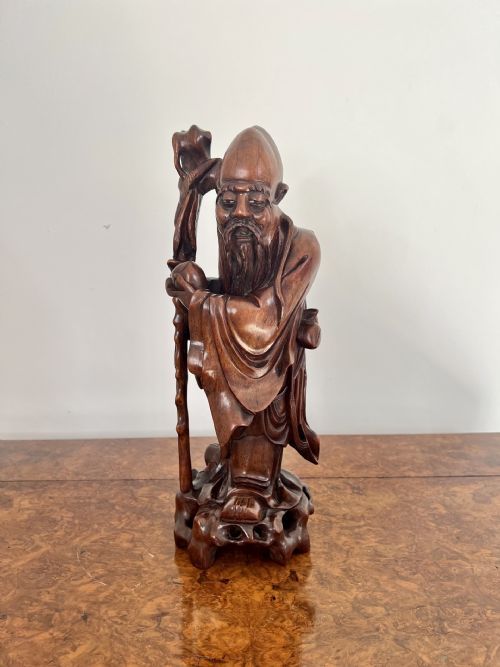
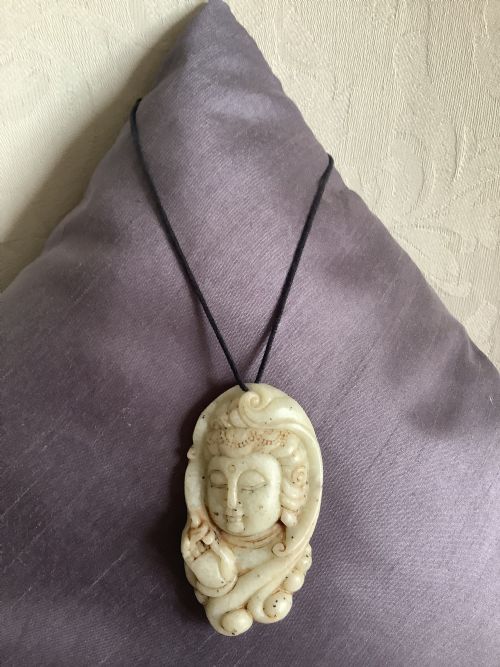
Chinese carved deities encompass sculptures, statues, and pendants representing figures such as Daoist immortals, temple guardians, Buddha, Avalokiteshvara, Shoulao, and Quan Yin. You will encounter forms ranging from monumental temple figures down to small personal pendants.
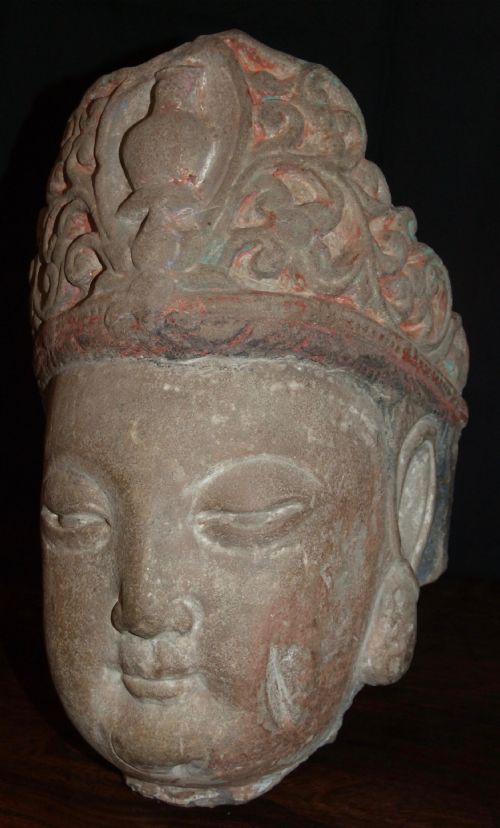
The materials and styles span multiple periods, with many examples originating from the Qing Dynasty, late 19th century, and earlier eras including the Ming Dynasty. Wooden figures, root carvings, and sandstone heads form the core of what you will see on this page.
Materials and construction
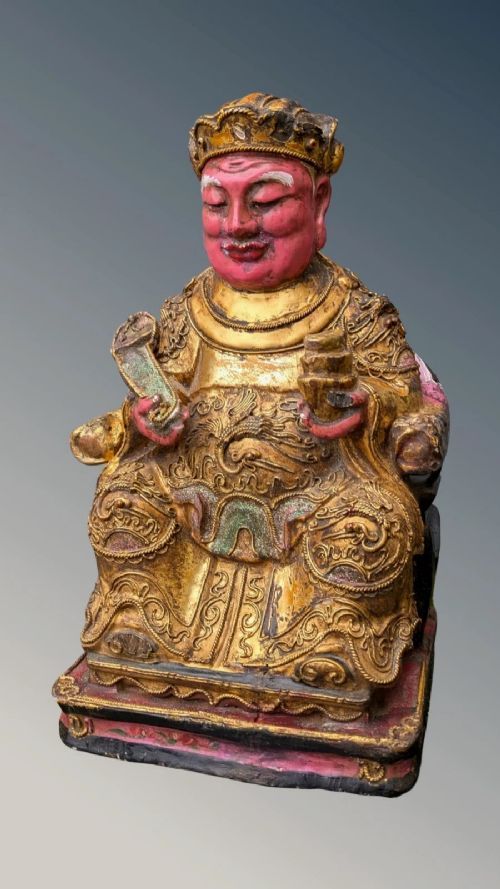
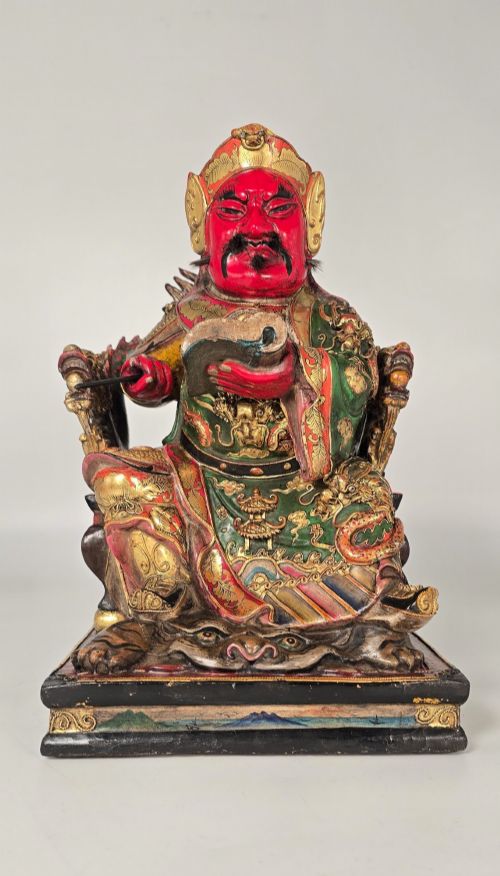
Carvers shaped these figures primarily from wood, hardwood, bamboo, and sandstone, often applying gesso, gold leaf, and polychrome pigment to the surfaces. Lacquer and hand painting frequently finish the wooden and metal sculptures.
Techniques range from intricate root carvings and chunky bamboo shaping to monumental temple construction and fine metalwork. Artisans utilised traditional carving methods to achieve detailed facial expressions and draped garments.
Chinese Carved Deities Retail Price Guide 2026
Typical asking prices for chinese carved deities among the pieces listed under this phrase on Sellingantiques today, from the lower quarter to the upper quarter. They describe what is for sale here now, not the wider market.
Several wooden figures double as medicine statues, once used by patients to point out where it hurt to conservative physicians.
Assessing quality
The application and preservation of surface decoration, such as gold leaf, gesso, and polychrome pigment, heavily influence the visual impact. Monumental scale and the survival of original painted or gilded surfaces distinguish the most accomplished examples.
The Chinese Carved Deities Glossary
- Polychrome
- Painted in several colours. This surface treatment often survives in patches on older wooden figures and temple guardians.
- Gesso
- A plaster mix applied to wood as a base for gilding or painting. It provides a smooth ground for subsequent layers of pigment.
- Daoist immortal
- A legendary figure in Daoism associated with longevity and spiritual attainment. They frequently appear in pairs on this page.
- Patina
- The surface sheen developed through age and handling. A good patina indicates genuine historic use.
- Root carving
- Sculptural work utilising the natural twists of tree roots. Artisans shape these organic forms into figures and deities.
Chinese Carved Deities: Frequently Asked Questions
How were these figures used?
Many of these statues stood in temples or household altars where worshippers offered prayers, incense, and devotion. Larger figures served as protective temple guardians or focal points for rituals.
Smaller pieces, such as pendants or medicine figures, had personal or functional roles in daily life and traditional health practices.
How should I live with them?
Display these sculptures away from direct sunlight and sudden temperature changes to protect vulnerable wood, gesso, and polychrome surfaces. Stable indoor humidity preserves the old paint and gold leaf.
Allow them a quiet space where their sculptural form and historic character can be appreciated without crowding.
How do I tell periods apart?
Dating relies on stylistic clues, tool marks, material wear, and the survival of surface treatments like lacquer or pigment. Ming Dynasty stone and early wooden pieces show different weathering compared to late Qing or early twentieth-century metalwork.
Comparing the drapery style and facial carving against dated examples helps narrow down the era of manufacture.