



Chinese Bronze Tripod Censer
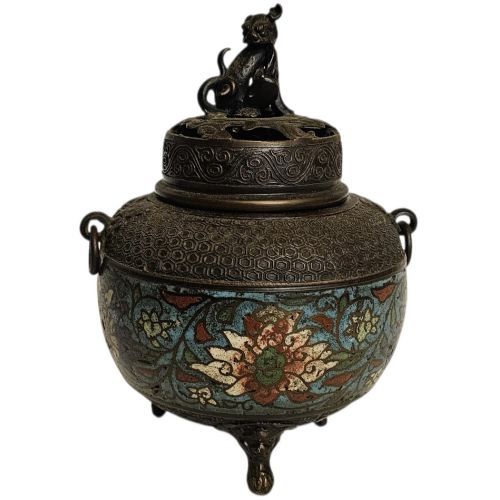
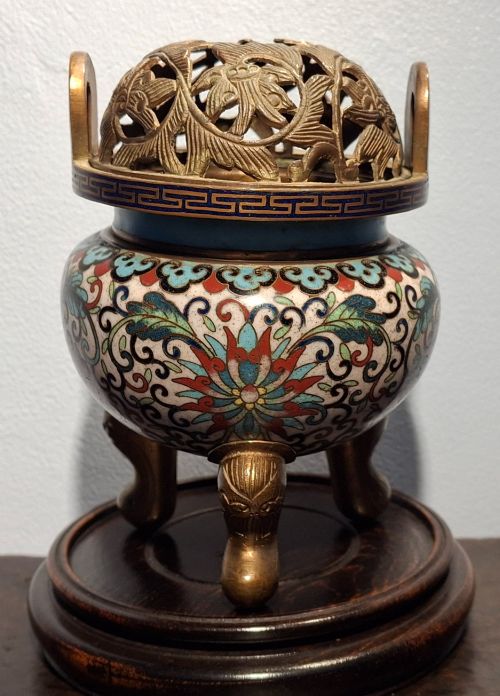
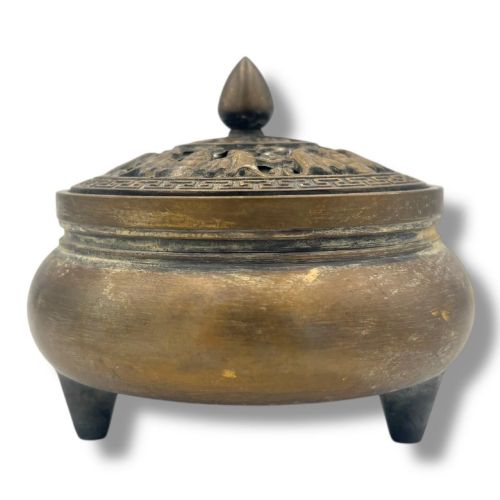
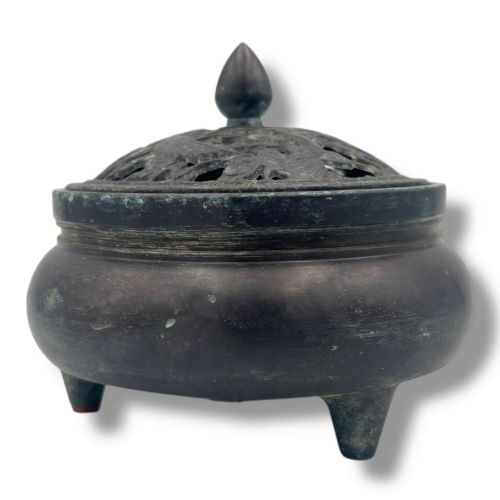
These pieces of a chinese bronze tripod censer bring centuries of ritual history and sculptural craftsmanship straight into your home.
Chinese Bronze Tripod Censer
A chinese bronze tripod censer stands on three distinct legs, serving historically as a ritual vessel for burning incense. Most examples encountered here hail from the Qing dynasty and the nineteenth century, reflecting classic forms with deep cultural resonance.
Beyond standard incense burners, related forms such as jardinières and large lidded koros appear within the selection. Each piece demonstrates the enduring utility and aesthetic weight characteristic of Asian and oriental metalwork from this era.
How They Were Made
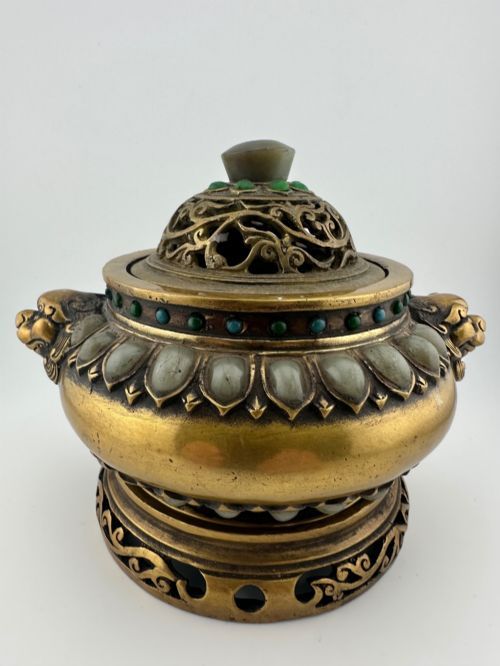
Surface decoration often involves intricate cloisonné enamel work, where thin metal wires form cells that receive coloured enamel pastes before firing. Artisans also applied hardstone, jade, and turquoise inlays to enrich the tactile surface of the metal.
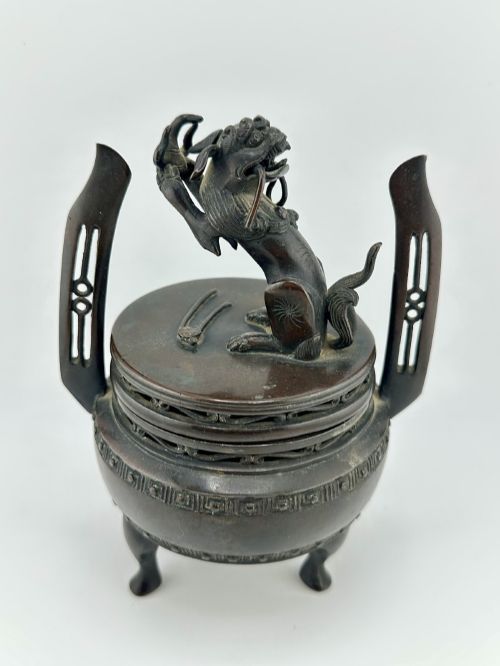
Finishing techniques included detailed hand-chasing, pierced carving on lids for smoke release, and the application of apocryphal marks such as those of the Xuande or Qianlong periods. These methods combined structural casting with meticulous surface adornment.
Chinese Bronze Tripod Censer Retail Price Guide 2026
Typical asking prices for chinese bronze tripod censer among the pieces listed under this phrase on Sellingantiques today, from the lower quarter to the upper quarter. They describe what is for sale here now, not the wider market.
Listings feature items primarily from the nineteenth century, including specific dates around 1850, 1870, 1880, 1890, and 1900.
What Varies in Quality
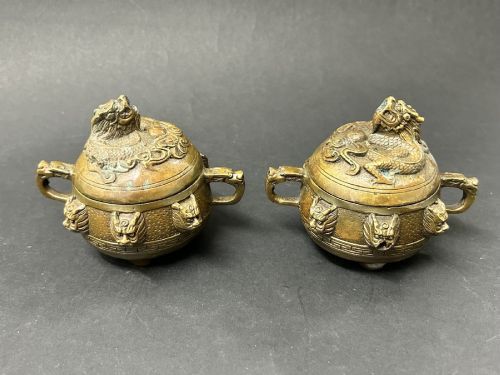
The distinction between standard items and superior examples lies in the crispness of the casting and the depth of the relief work. Finer censers exhibit sharply rendered details on dragon handles, phoenix lids, and taotie masks rather than soft or muddy outlines.
Material integration also dictates quality, particularly in pieces featuring cloisonné enamel or hardstone inlays. Tightly fitted covers, well-balanced tripod bases, and intact inlay work elevate the overall integrity of the vessel.
Weight and scale contribute significantly to the presence of the piece, with heavier bronzes indicating substantial metal usage. The finesse of the patina and the organic ageing of the bronze surface further separate average items from exceptional ones.
The Chinese Bronze Tripod Censer Glossary
- Tripod censer
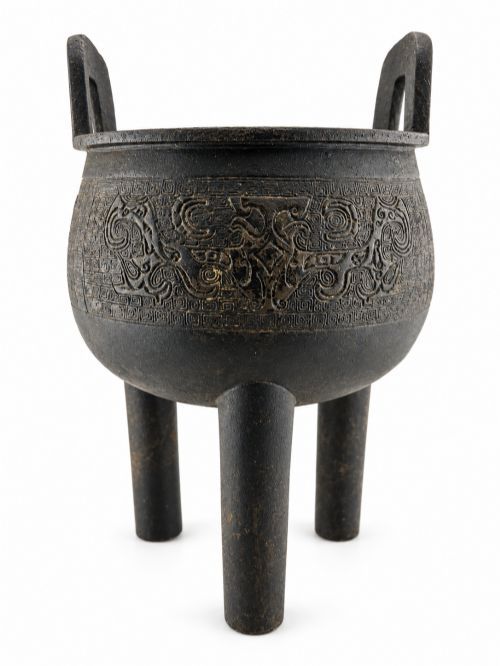
- A ritual vessel supported by three legs, designed specifically for burning incense. This form provides stable elevation for the body of the burner.
- Cloisonné
- An enamelling technique where metal strips are soldered to a metal body to create compartments filled with paste and fired. This method produces vibrant, patterned surfaces.
- Qilin
- A mythical hooved creature in Chinese mythology, often depicted as a finial on censer lids. Its presence symbolises good omen and prosperity.
- Taotie
- A motif depicting a stylized mythological zoomorphic mask, commonly found on archaistic bronze vessels. It relates to ancient Chinese ritual art.
- Ding
- An ancient type of Chinese cauldron standing on legs, used as a shape reference for later bronzes. These vessels carry significant historical weight.
- Xuande mark
- An inscribed reign mark referencing the Xuande emperor of the Ming dynasty, frequently utilised on later Qing dynasty bronzes as a tribute to earlier craftsmanship.
Chinese Bronze Tripod Censer: Frequently Asked Questions
What is a chinese bronze tripod censer?
A chinese bronze tripod censer is a traditional vessel raised on three legs, originally utilised for burning incense during rituals and ceremonies. These pieces are cast in metal and often feature elaborate lids, handles, and surface decorations.
Over time, these vessels transitioned from strictly ritual objects into valued decorative items for scholars and collectors. Their distinct form makes them easily recognisable within oriental art collections.
How were these censers used?
Historically, users placed aromatic resins, woods, or incense powders inside the bowl of the censer to release fragrant smoke during meditation or ancestral worship. The pierced lids allowed the scented smoke to disperse evenly throughout the room.
In modern settings, they function primarily as decorative art objects that anchor a mantelpiece or display table. Their sculptural qualities allow them to be appreciated purely for their metalwork and design.
How do I identify the period?
Dating relies heavily on stylistic cues, material combinations, and casting characteristics rather than relying solely on inscribed reign marks. Pieces from the nineteenth century and the Qing dynasty often display specific patination, handle styles, and decorative motifs like taotie or dragons.
Comparing the weight, construction of the tripod legs, and the execution of the cloisonné or bronze work helps contextualise the era of production. Examining the interior surfaces also reveals manufacturing methods consistent with nineteenth-century workshops.
How do I care for bronze and enamel?
Bronze and cloisonné items require gentle maintenance, typically involving only a soft, dry cloth to remove dust. Avoiding chemical cleaners and abrasive materials protects the natural patina and delicate enamel work from damage.
Keeping the objects in stable environmental conditions away from excessive moisture preserves both the metal and any hardstone inlays. Regular handling with clean hands allows the natural oils to maintain the surface without needing artificial polishes.