
Chinese Bronze Qing
Chinese bronze qing pieces bring centuries of ritual and scholarly tradition into a room through heavy cast vessels and intricate figures.
Chinese Bronze Qing
When you search for Chinese bronze qing, you encounter ritual vessels, temple censers, and scholar objects produced across the imperial dynasties and into the late nineteenth and early twentieth centuries. These works range from small desk pieces and miniature brush rests to massive ritual censers weighing several kilograms.
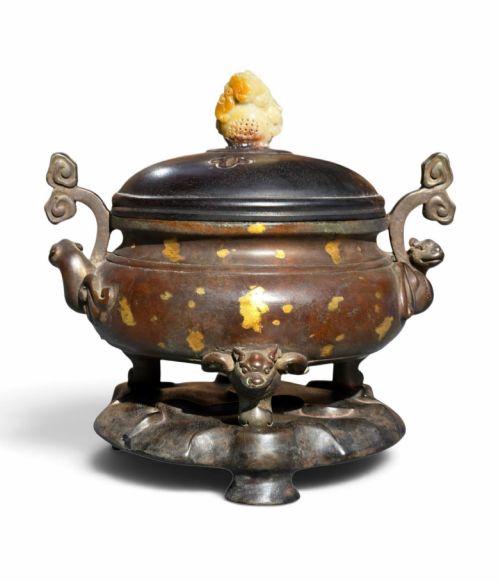
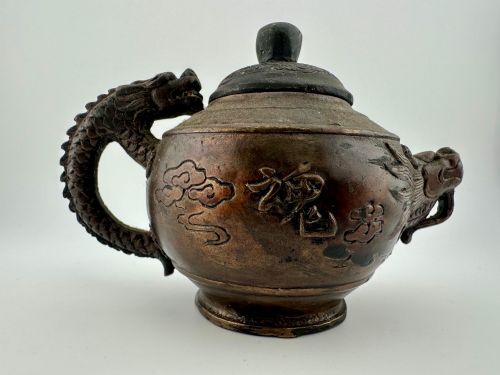
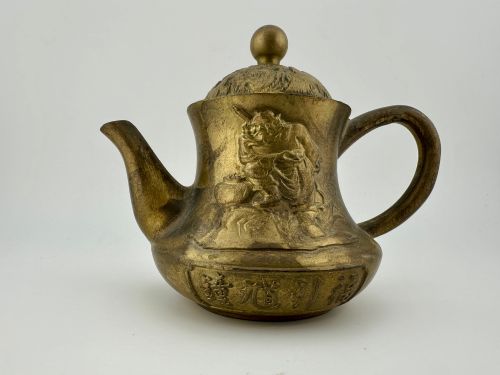
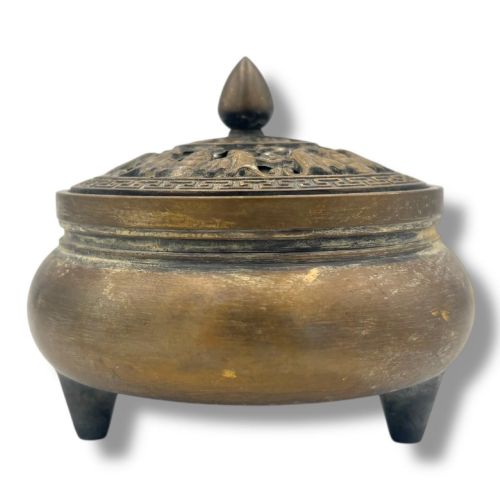
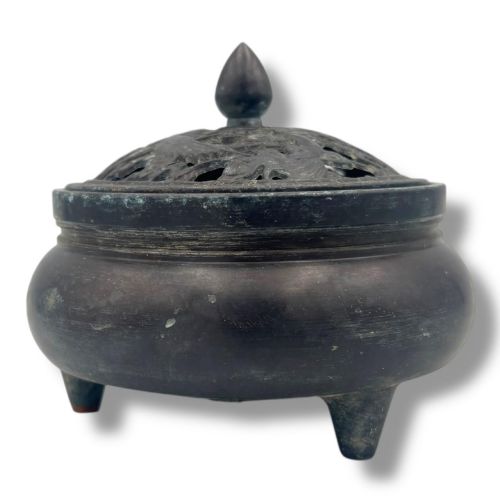
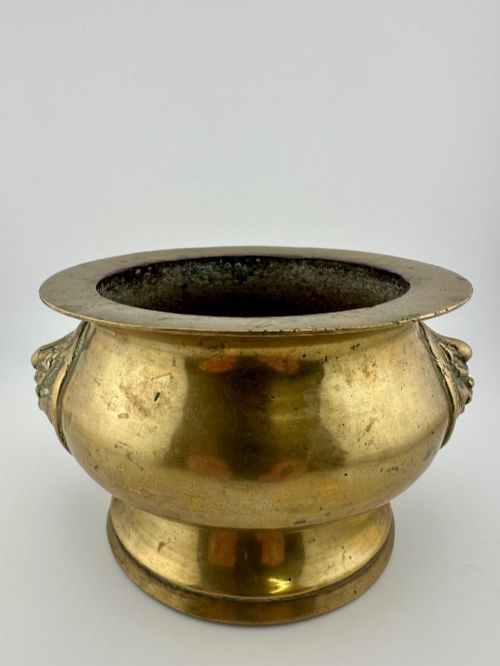
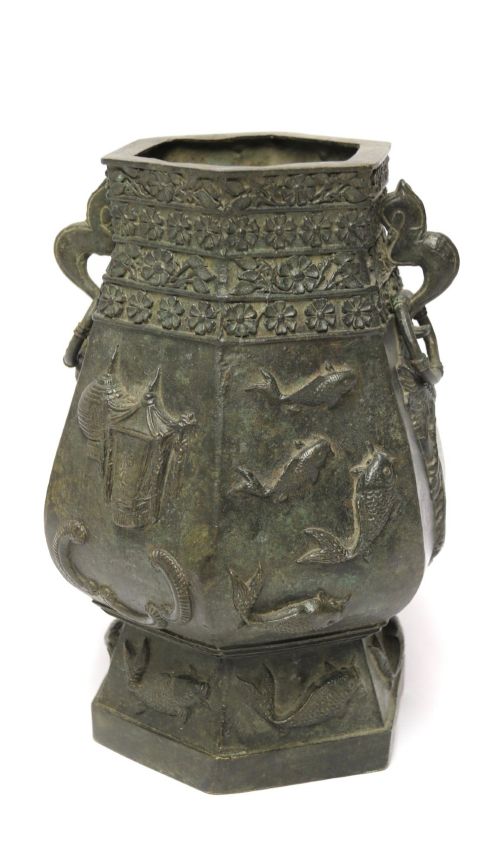
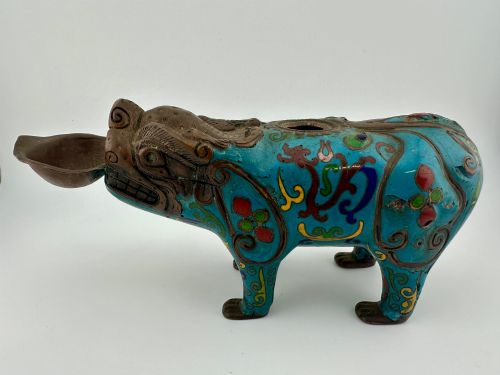
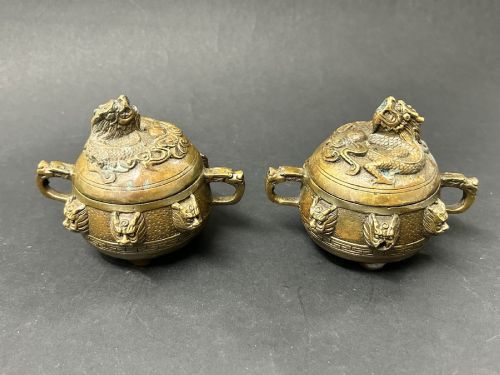
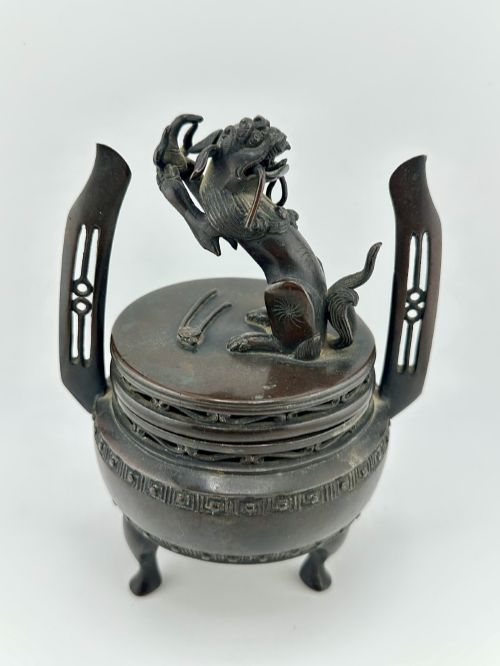
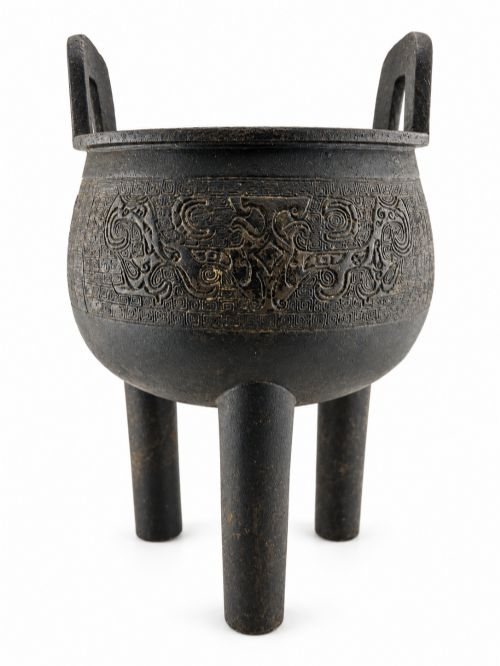
The objects most frequently met on this page date from the late nineteenth century, often bearing apocryphal Xuande marks, alongside substantial eighteenth-century examples with deep patination. Forms span tripod censers with lion mask handles, ritual ding vessels with taotie decoration, and decorative figures of mythical beasts such as qilin and pixiu.
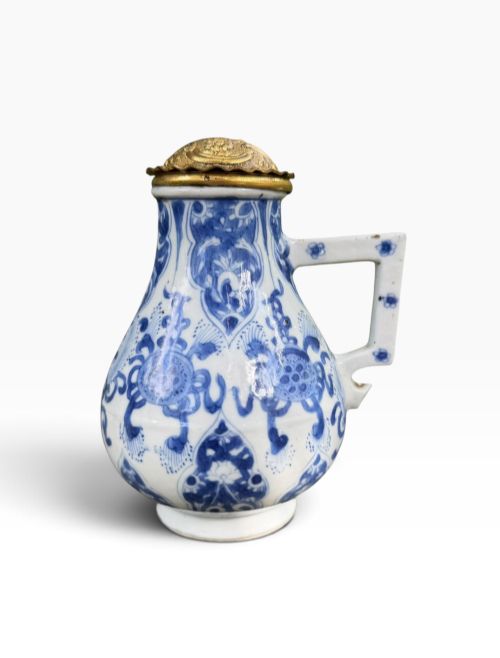
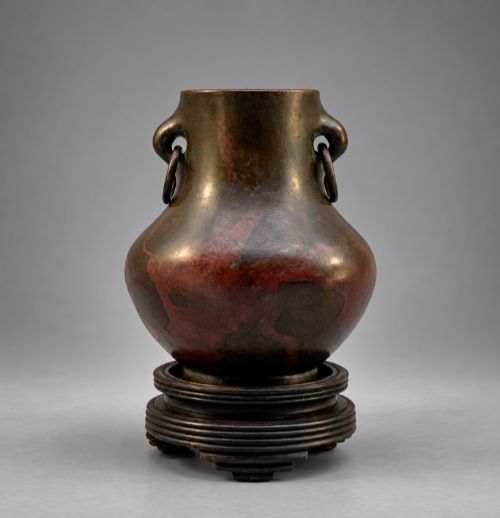
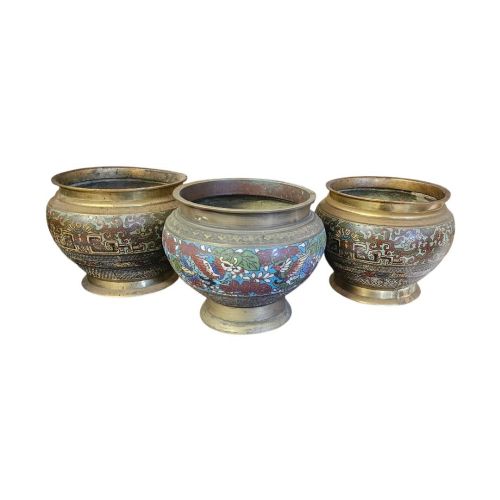
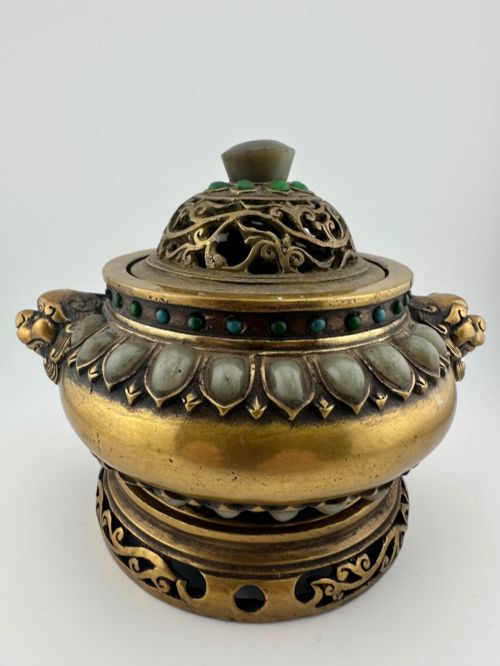
Vessels are frequently accompanied by pierced lids and custom carved hardwood stands designed to elevate the bronze. Alongside pure bronze works, the selection includes pieces incorporating cloisonné enamel, champlevé, and hardstone inlays, reflecting both domestic scholar tastes and export production.
Materials and technique
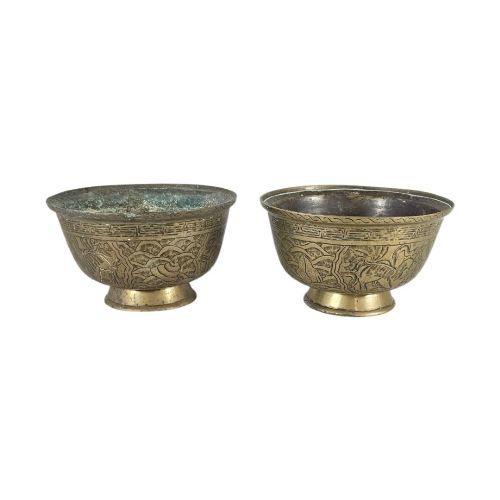
The foundation of these works is cast bronze or copper-alloy, manipulated through lost-wax casting methods to achieve thick, resonant walls and intricate relief decoration. Artisans applied chemical patination or gold-splashing techniques to create varied surface textures and tones on the metal.
Many examples integrate cloisonné and champlevé enamel, where copper wires form cells that are filled with vitreous pastes and fired. Hardstones such as jade and nephrite are frequently integrated as finials, handles, or inlays alongside carved hardwood stands.
Several heavy censers retain a bell-ring resonance when struck gently, proving that ancient metalworkers tuned their ritual vessels.
Quality and execution
Quality rests on the crispness of the casting and the depth of the metal relief, distinguishing mass-produced commercial output from master-cast studio pieces. Heavyweight specimens with bell-ring resonance demonstrate superior alloy density and careful wall thickness.
The refinement of the surface patina, the precision of inlaid wires in enamel work, and the integrity of original carved hardwood components further separate standard decorative items from important scholar pieces.
The Chinese Bronze Qing Glossary
- Censer
- A vessel designed for burning incense, frequently featuring tripod legs, pierced lids, and animal-mask handles. These form the majority of surviving bronze pieces.
- Archaistic
- A stylistic approach where later artisans emulate the archaic forms, vessel shapes, and decorative motifs of ancient Shang and Zhou dynasties. This includes the prominent use of taotie masks.
- Xuande Mark
- A stamped or cast mark bearing the reign name of the Ming emperor Xuande, frequently placed on later Qing bronzes as a tribute to historical excellence. It denotes a style rather than a precise manufacturing date.
- Cloisonné
- An enamelling technique where metal strips are soldered to a metal base to create compartments that hold coloured glass pastes before firing. It appears frequently on late nineteenth-century vases and censers.
Chinese Bronze Qing: Frequently Asked Questions
What is an archaic bronze censer?
An archaic bronze censer is a ritual vessel designed to burn incense, created in the style of much older dynastic forms. These pieces frequently feature prominent tripod legs and stylised animal motifs.
Such vessels were utilised in ancestral halls and scholar studies, serving both practical fragrance diffusion and symbolic functions.
How do I identify a Xuande mark?
A Xuande mark is a cast or engraved six-character base inscription referencing the Ming dynasty emperor. Most examples bearing this mark date from the later Qing period as an homage.
These marks appear on both censers and vases, reflecting the enduring standard of historic bronze casting quality.
What is a scholar's brush rest?
A scholar's brush rest is a small desk accessory shaped to hold calligraphy brushes when not in use. They were essential components of the traditional literate studio.
Cast in bronze or brass, these items often took natural or figurative forms, such as animals or mountain ranges.
How should I display a bronze censer?
Bronze censers are traditionally displayed on flat surfaces, often resting upon their original carved hardwood stands. The stand protects furniture and frames the vessel's proportions.
Placing them away from damp environments preserves the historical patina and any integrated hardstone elements.