


Antique Musical Chime
An antique musical chime brings rooms alive with mechanical melody, spanning elaborate bracket clocks and towering grandfather cases.
Antique Musical Chime
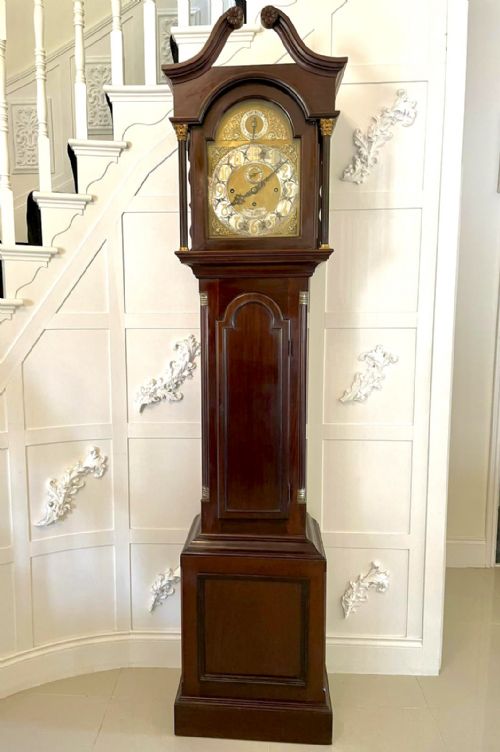
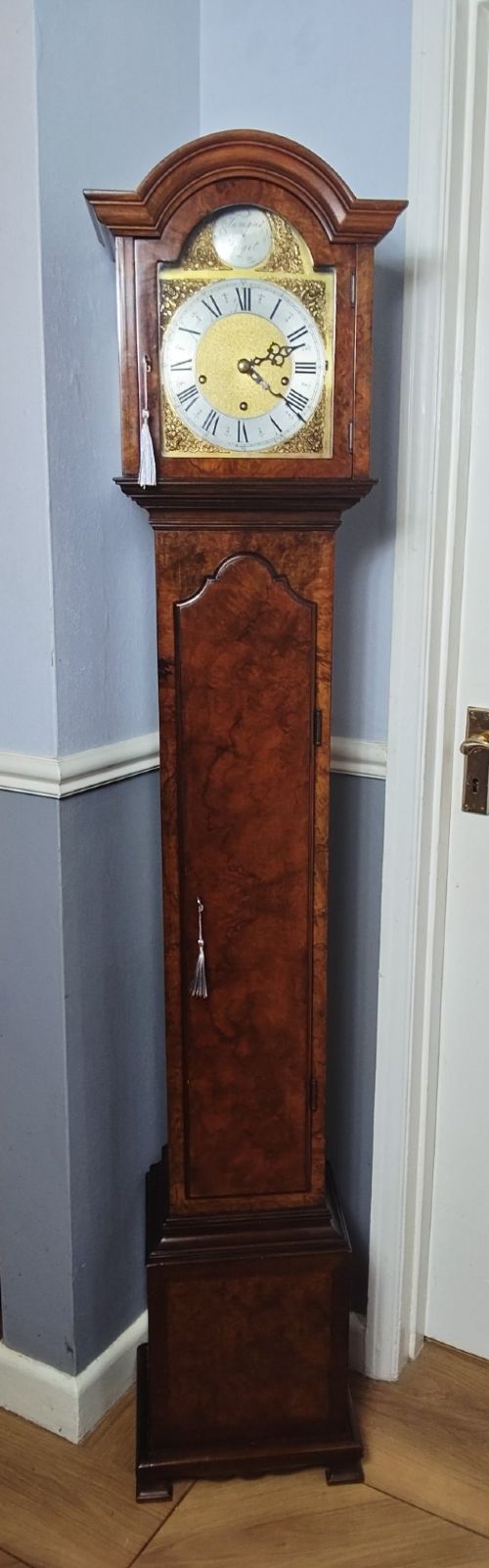
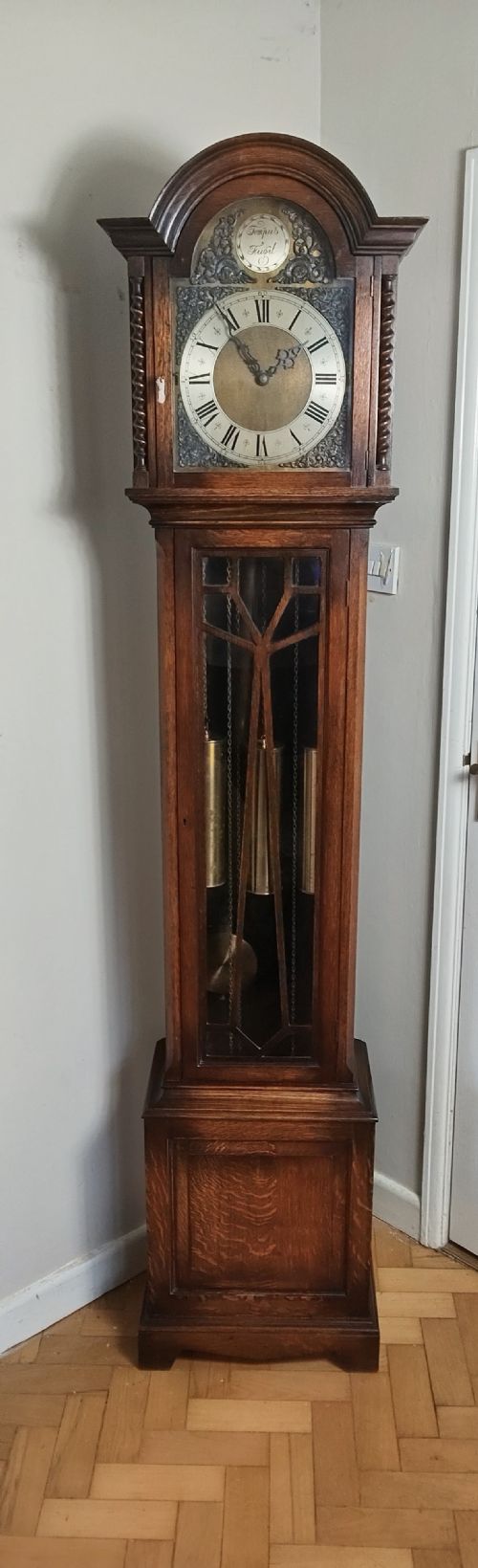
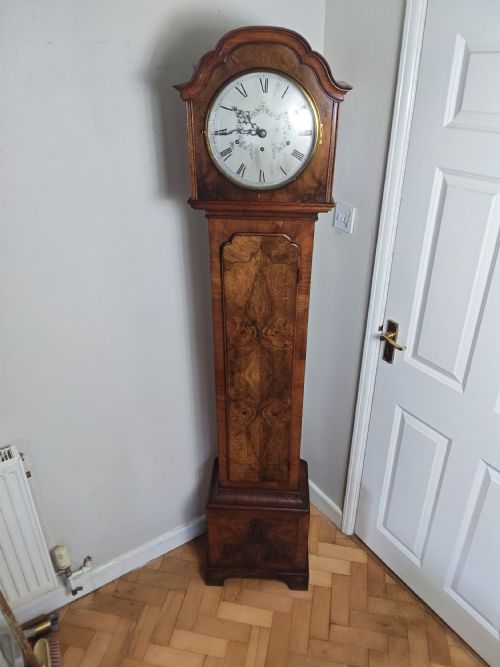
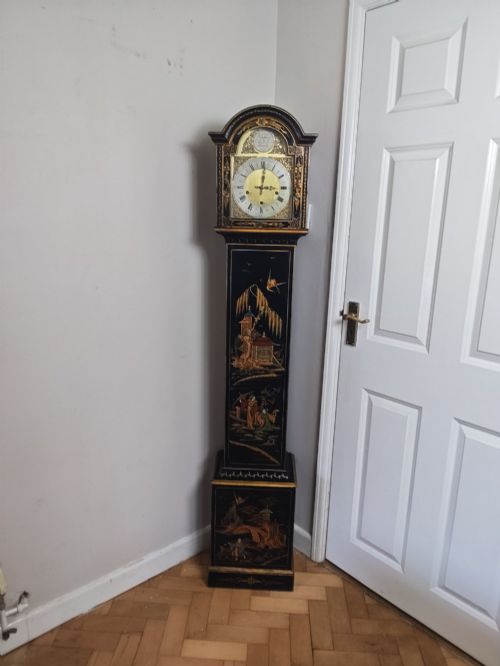
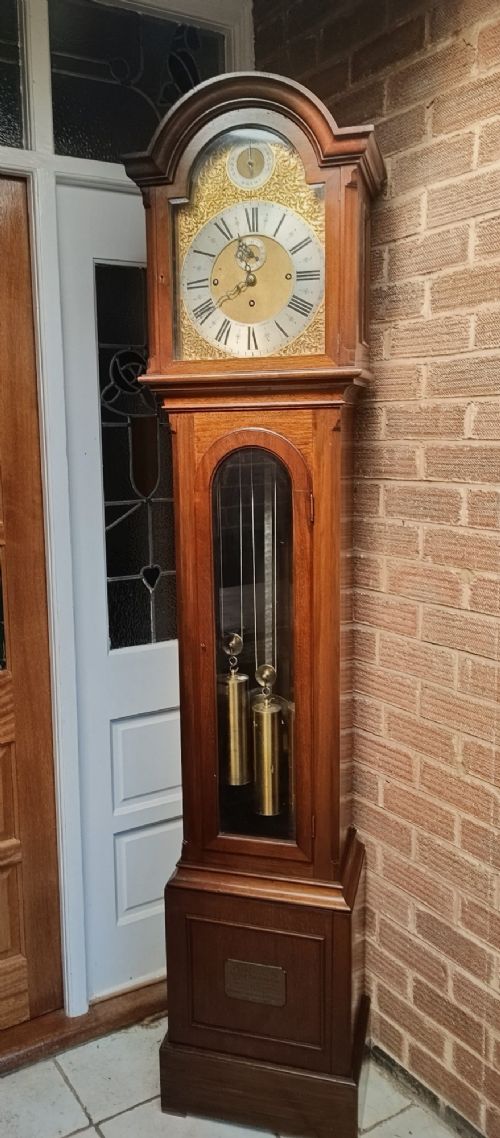
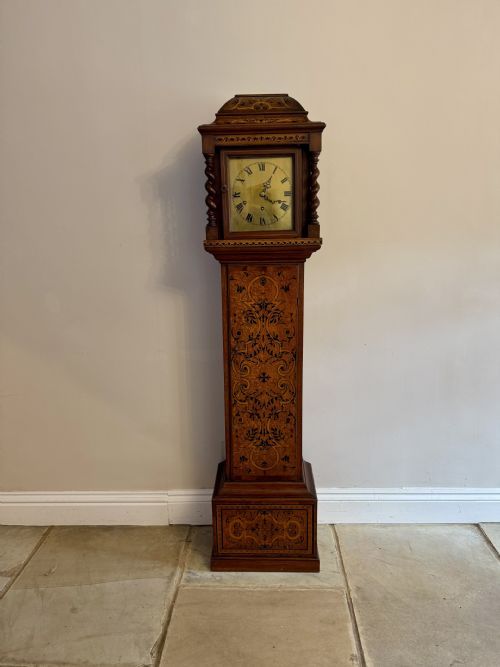
When you search for an antique musical chime, you encounter complex mechanical timepieces and instruments housed in timber cabinets. The selection on this page centres predominantly on longcase clocks, grandfather clocks, and bracket clocks spanning the Victorian, Edwardian, and Georgian eras.
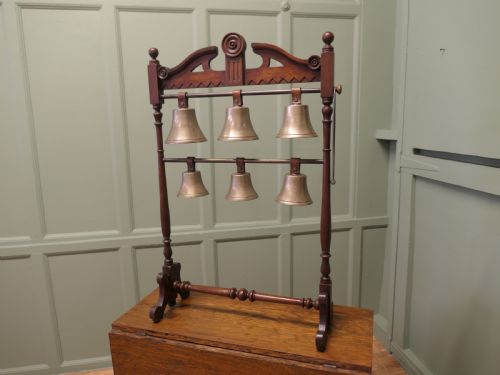
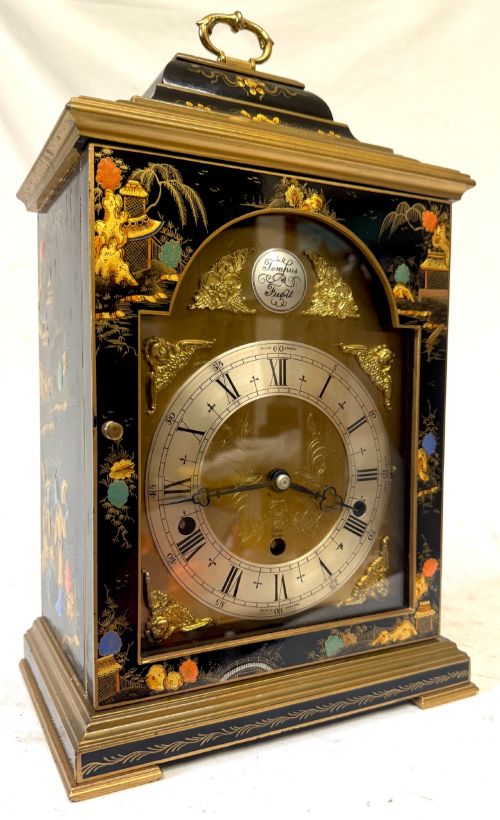
Grandmother clocks and tall longcase variations dominate the offerings, frequently incorporating quarter-chiming movements or multiple tuned bells. You also find table chimes, mantel bracket clocks, and distinct musical instruments such as cast bronze lithophones.
Materials range from figured walnut and mahogany to oak cases embellished with satinwood inlay, ormolu mounts, and glass panels. The periods stretch from the eighteenth century through to the nineteen-thirties, reflecting diverse regional cabinet-making and horological traditions.
How they were made
Horologists constructed these movements using brass for gears, plates, and bells, often pairing them with fusee mechanisms or tubular bell systems. Cases utilised dense hardwoods including mahogany, walnut, and oak, frequently shaped into tall longcases or compact bracket clock frames.
Cabinet makers enhanced wooden surfaces with marquetry, satinwood inlay, and Chinoiserie decoration, while metal dial faces featured silvered metal details and cast bronze elements. The assembly required precise mechanical synchronisation between the timekeeping train and the musical chime barrel or bells.
Listings feature brass, glass, mahogany, walnut, oak, ormolu, satinwood inlay, and silvered metal across Victorian, Edwardian, and eighteenth-century periods.
What varies in quality
Excellence in these pieces rests upon the intricacy of the musical movement and the fidelity of its tunes. Mechanisms featuring multiple bells, triple fusee trains, or specialised tubular chimes represent superior horological ambition compared to simpler single-train setups.
Cabinet work distinguishes finer examples through the choice of figured walnut or mahogany veneers, delicate marquetry, and balanced proportions. Signed movements by established makers elevate a piece above standard workshop production.
Winsor Bishop Norwich·Elliott·Francis Perigal·Winterhalder W H·Bravingtons·Lister and Sons·Camerer Cuss and Co·Geo Tarratt of Leicester
The Antique Musical Chime Glossary
- Fusee
- A conical pulley used in clock movements to maintain even driving tension as the mainspring unwinds. This device ensures consistent timekeeping accuracy across the power reserve.
- Grandmother clock
- A slender, scaled-down version of the traditional longcase grandfather clock, typically standing under six feet tall. These pieces gained popularity during the early twentieth century.
- Bracket clock
- A portable mechanical clock originally designed to sit upon a wall bracket or table surface. They frequently house elaborate chiming or musical mechanisms.
- Lithophone
- A musical instrument consisting of stones or metal bars struck to produce tones, such as a cast bronze triangle. These unusual pieces create resonant acoustic chimes.
- Quarter-chiming
- A clock mechanism that sounds musical notes or bell sequences at every quarter-hour interval. It usually culminates in a full hour strike.
Antique Musical Chime: Frequently Asked Questions
How do musical longcase clocks work?
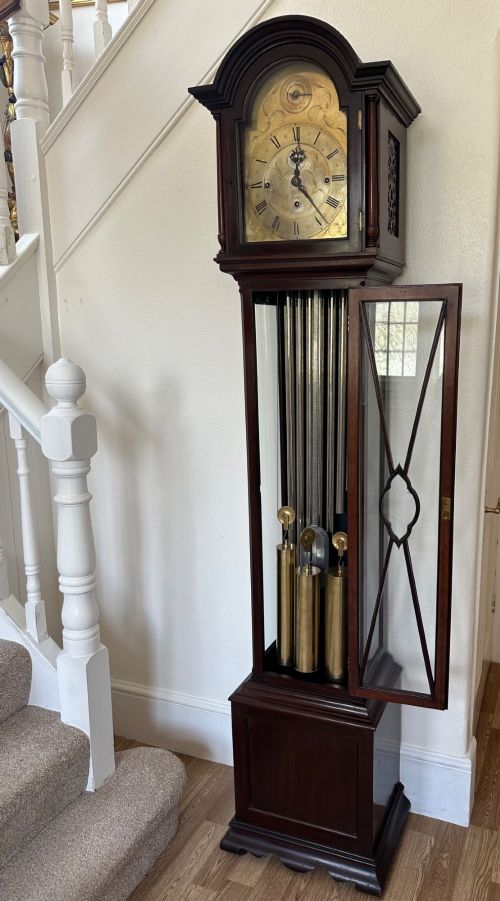
These clocks utilise weight-driven or spring-driven movements connected to pinned cylinders, rotating bells, or tubular chimes. As the gear train advances, pins lift levers that strike specific notes at set intervals.
Heavier three-train weights separate the timekeeping function from the chime and melody sequences, allowing automated songs to play on the hour or quarter-hour.
Where should I place a bracket clock?
Bracket clocks require stable, level surfaces away from direct sunlight, moisture, and heavy vibrations that might disrupt the delicate pendulum or balance wheel. Historically designed for wall shelves or furniture tops, they need adequate acoustic space to let the chime resonate clearly.
Ensure the location allows easy access for periodic winding and adjusting of the mechanical train.
How do I identify an Edwardian grandmother clock?
Edwardian and early twentieth-century grandmother clocks feature slender, elegant proportions in woods like walnut and mahogany. They often incorporate inlaid marquetry, glass inspection doors, and quarter-chiming movements.
Examining the dial style, wood finish, and interior movement construction helps separate these pieces from heavier nineteenth-century longcase examples.
What is the difference between a grandfather and grandmother clock?
The primary distinction lies in physical scale, as grandmother clocks are significantly shorter and narrower than traditional grandfather longcase clocks. This smaller footprint suited twentieth-century domestic spaces while retaining full chiming capability.
Both styles utilise weight-driven pendulums, but grandmother cabinets prioritize slim profiles and delicate wood veneers.