
Chinese Bronze Metalwork
Chinese bronze metalwork encompasses centuries of cast ritual vessels, scholarly censers, and figurative sculptures shaped by dynastic traditions.
Chinese Bronze Metalwork
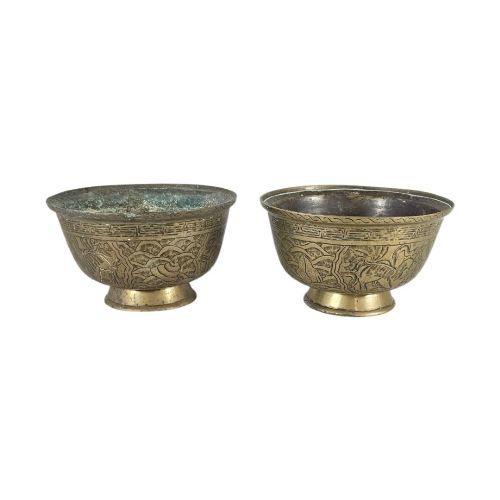
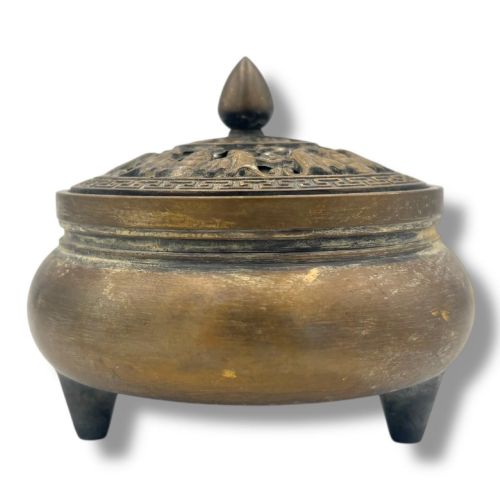
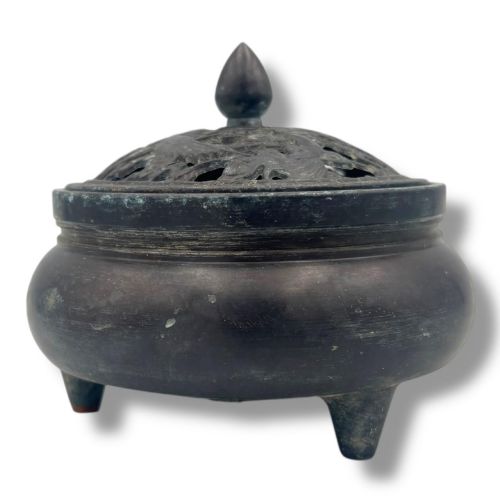
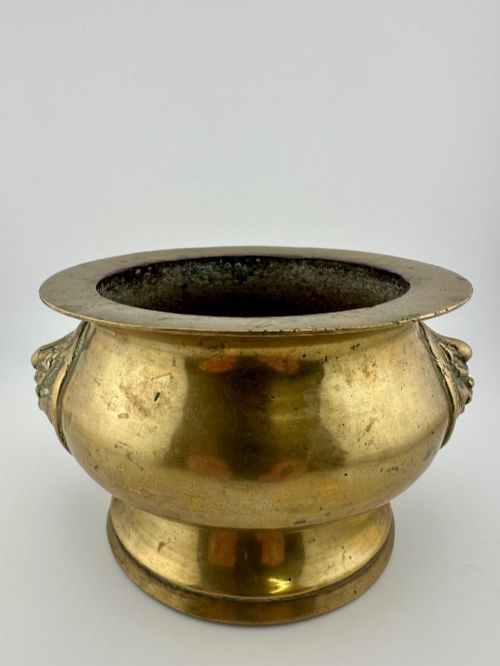
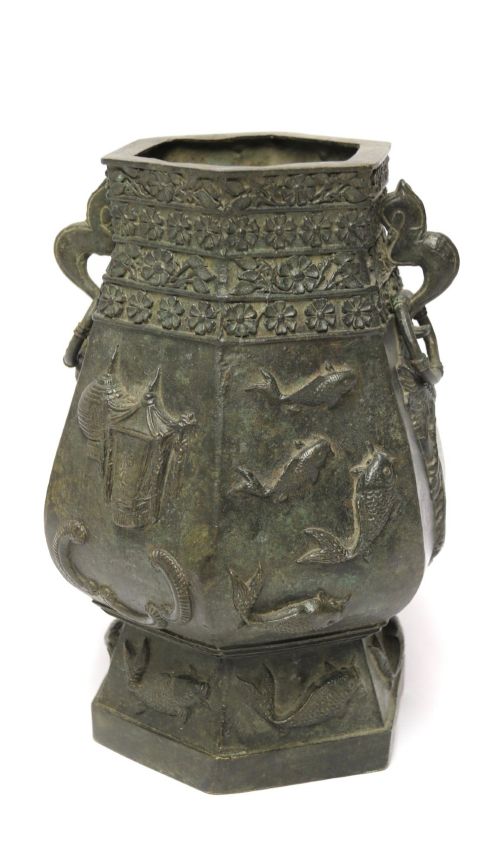
Chinese bronze metalwork spans utilitarian scholar's desk items, ritual tripod vessels, and figurative sculptures rooted in centuries of artistic tradition. You will frequently encounter heavy tripod censers, lidded vessels, and decorative animal figures originating from the Ming and Qing dynasties.
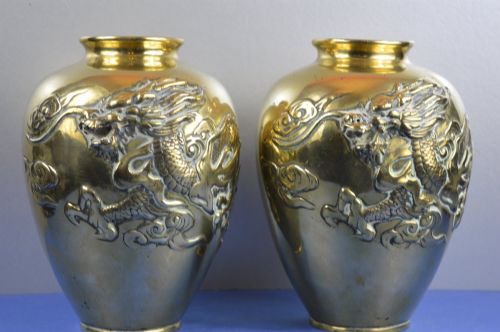
Scholar's objects like brush washers, desk censers, and small statues sit alongside larger architectural vases and animal pairs. These pieces reflect the ritual, aesthetic, and scholarly pursuits of historic Chinese interiors.
How they were made
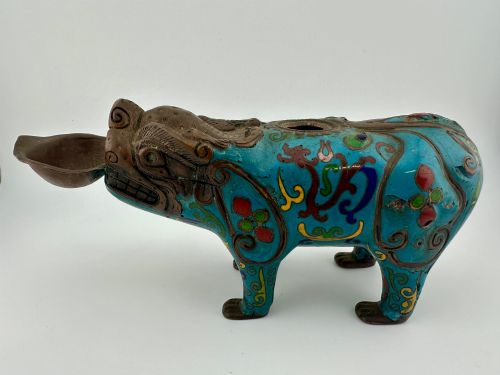
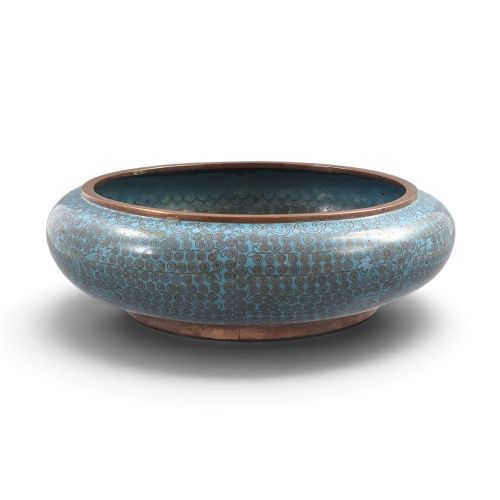
Metalworking traditions rely primarily on lost-wax casting and section-mould techniques to produce solid, heavy forms in bronze, brass, and copper. Artisans frequently integrated contrasting materials, applying gilt surfaces, champlevé, and cloisonné enamel wires directly to the metallic body.
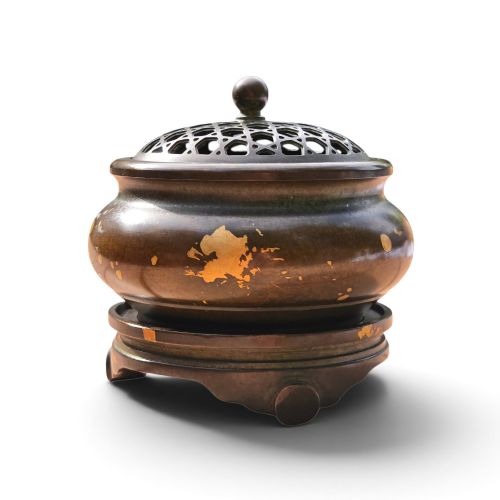
Surface patination was deliberately manipulated through heat and chemical treatments to create deep brown, polished, or gold-splashed finishes. Makers also utilised fine piercing and chiselling for intricate dragon masks, floral lids, and mythical beast handles.
Listings feature items cast in bronze, brass, and copper, accented with cloisonne enamel and gilt surfaces.
What varies in quality
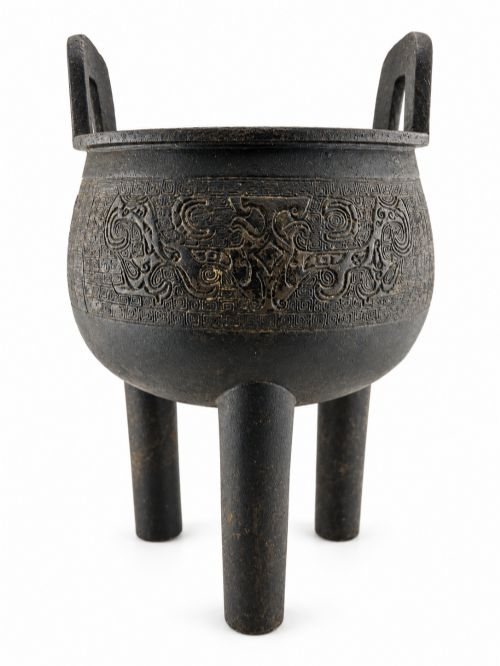
Quality rests upon the crispness of the casting and the density of the metal relative to the object's scale. Superior examples display sharply defined taotie masks, balanced proportions, and intentionally thick walls rather than hollow, lightweight constructions.
The refinement of the surface treatment distinguishes finer items, seen in even gold-splashed finishes, integrated multi-character reign marks, and masterfully applied enamel wirework. Superior patination shows depth and age, whereas inferior pieces rely on flat, uniform chemical colouration.
The Chinese Bronze Metalwork Glossary
- Censer
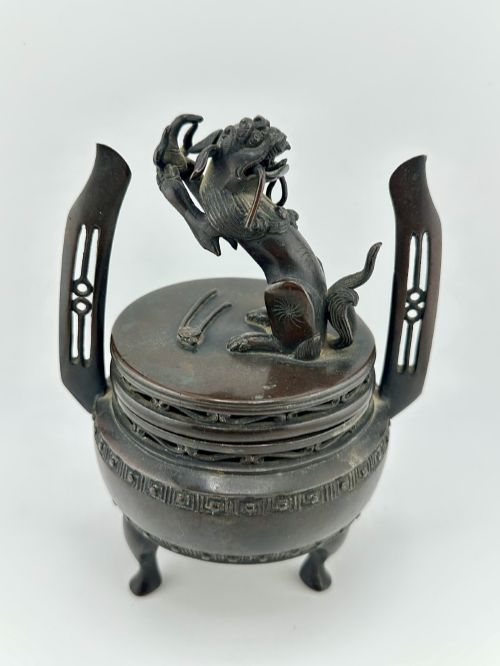
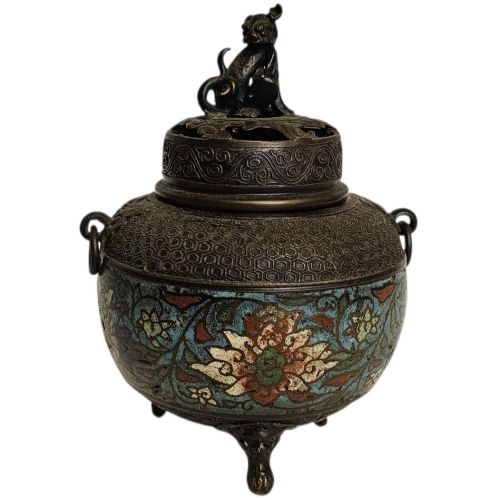
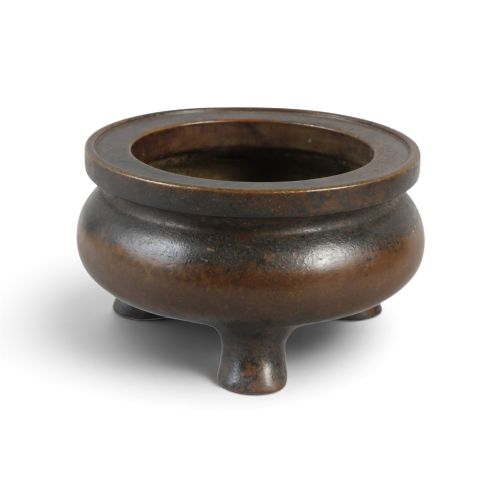
- A vessel designed for burning incense, frequently supported by three tripod legs and fitted with a pierced lid for smoke release.
- Archaistic
- A decorative style that consciously emulates the ancient ritual forms, shapes, and motifs of early Chinese bronzes from the Shang and Zhou dynasties.
- Cloisonne
- An enamelwork technique where metal wire is soldered to a bronze base to create compartments filled with coloured vitreous paste before firing.
- Taotie
- A mythical, symmetrical zoomorphic mask motif commonly cast in relief as a decorative element on ancient and revival ritual vessels.
- Xuande
- A historic six-character imperial mark associated with the Ming dynasty emperor, frequently utilised later as an expression of quality rather than a strict date of origin.
Chinese Bronze Metalwork: Frequently Asked Questions
What is an archaistic bronze censer?
An archaistic censer is a vessel deliberately styled after ancient ritual bronzes from earlier dynasties, reviving specific shapes and motifs.
These pieces were produced in later periods, such as the Ming and Qing dynasties, for scholars who valued historical continuity and traditional ritual aesthetics.
How do you identify a Xuande mark?
A Xuande mark consists of a cast or engraved sequence of Chinese characters referencing the Ming dynasty emperor under whom fine bronzes flourished.
Many later Qing dynasty pieces bear this mark as an honorific tribute to the exceptional foundry standards of that earlier era rather than indicating the actual year of manufacture.
What is the purpose of cloisonne enamel on bronze?
Cloisonne enamel adds vibrant colour and intricate patterns to a metallic foundation by fusing glass pastes within soldered wire boundaries.
This technique combined structural metalwork with vivid surface decoration, frequently appearing on scholarly vessels, vases, and decorative containers.
How were heavy bronze tripod censers used?
Tripod censers served practical and ritual functions in Chinese studies and temples, holding burning incense during meditation, reading, or ceremonial gatherings.
The three legs elevated the vessel to protect furniture surfaces, while heavy walls retained heat and provided stability for larger forms.