



Chinese Blue and White Porcelain Bowl
These pieces of chinese blue and white porcelain bowl material carry centuries of kiln-fired history, offering collectors tangible fragments of imperial and domestic Asian artistry.
Chinese Blue and White Porcelain Bowl
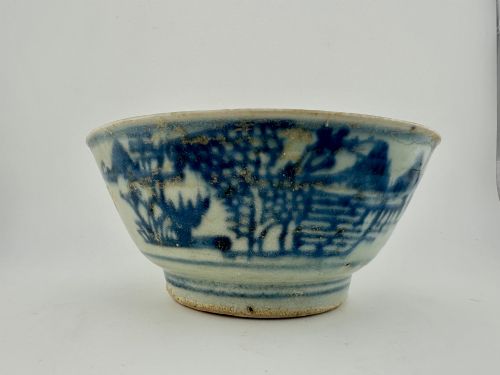
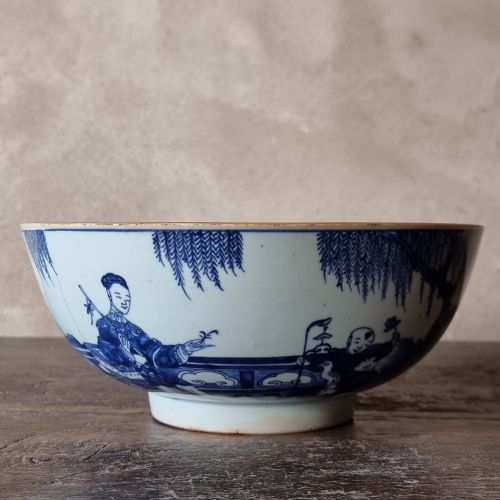
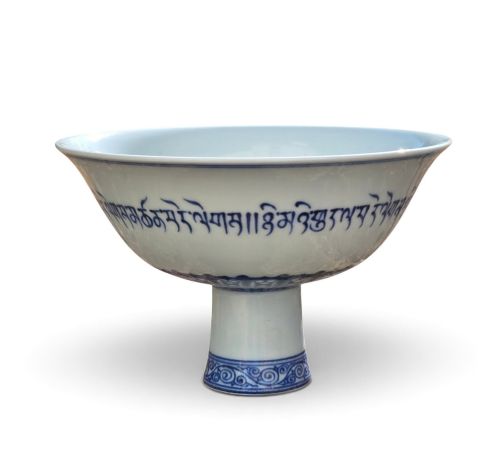
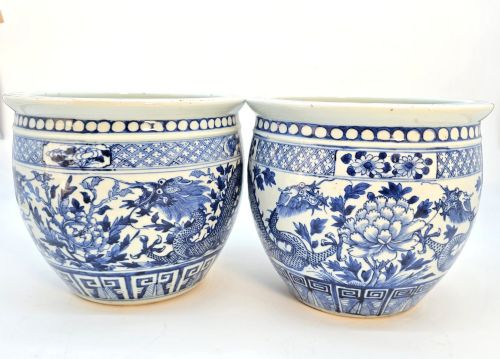
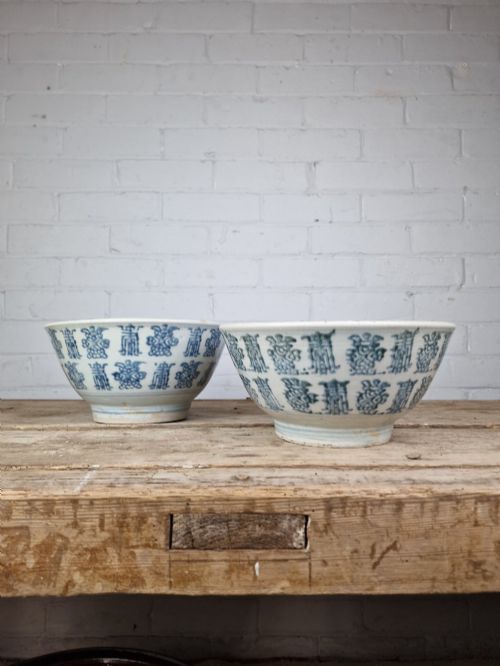
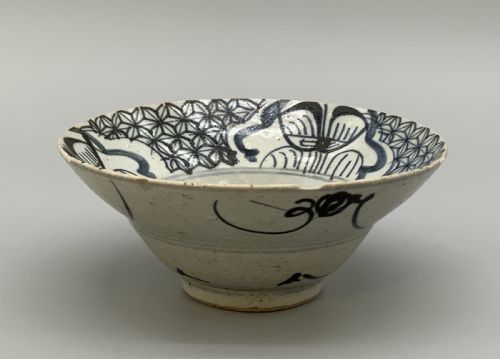
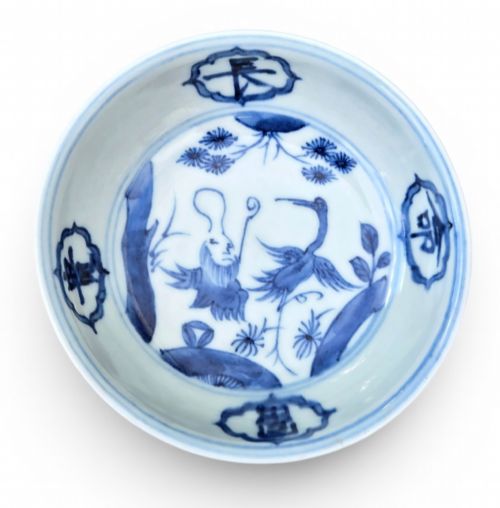
A chinese blue and white porcelain bowl serves as a primary example of historical ceramic craft, taking forms from deep saucer-dishes and punch bowls to large fish bowls and jardinières. Buyers examining this selection encounter objects shaped across multiple eras, including the Ming and Qing dynasties alongside later nineteenth-century pieces.
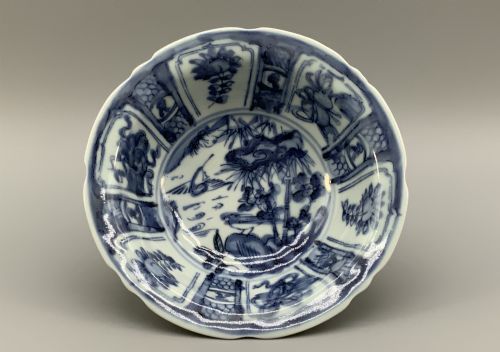
The most common examples on this page date from the seventeenth and eighteenth centuries, often displaying traditional motifs like dragons, phoenixes, and floral sprays. These vessels range from delicate provincial tableware to large imperial pieces designed for functional or decorative display.
How they were made
Potters constructed these vessels using fine ceramic porcelain bodies, applying cobalt pigment beneath a clear glaze before high-temperature firing. This technique allowed the cobalt underglaze to fuse permanently with the ceramic surface, creating deep blue designs that resist fading over time.
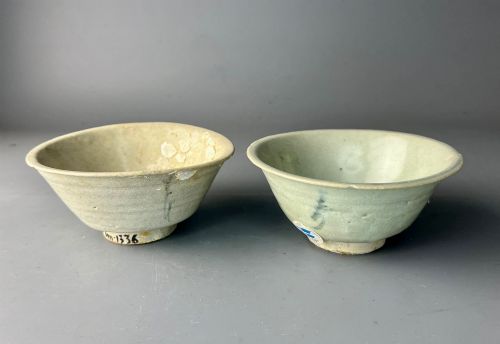
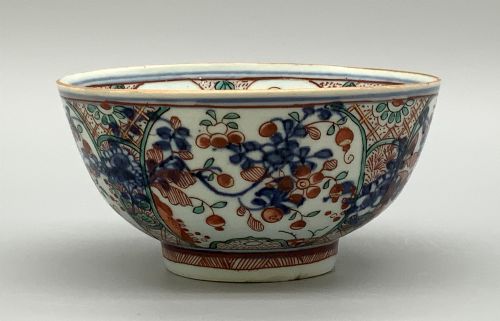
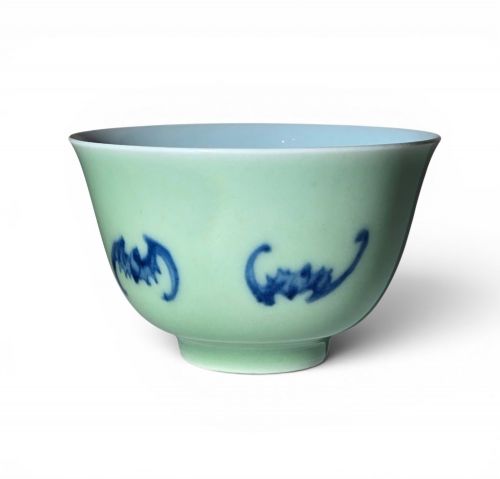
Certain items incorporate additional decorative elements such as enamel colours or celadon grounds, layering extra pigments onto the fired porcelain. Kiln workers managed intense heat conditions to achieve the vitreous finish characteristic of genuine antique Chinese wares.
Chinese Blue and White Porcelain Bowl Retail Price Guide 2026
Typical asking prices for chinese blue and white porcelain bowl among the pieces listed under this phrase on Sellingantiques today, from the lower quarter to the upper quarter. They describe what is for sale here now, not the wider market.
Materials recorded across the inventory include porcelain, ceramic bodies, enamel additions, and various cobalt glazes.
What varies in quality
Quality differences emerge in the precision of the cobalt painting, where fluid, confident brushwork distinguishes superior items from stiffer, hurried decoration. The clarity of the white porcelain ground and the absence of heavy firing blemishes also separate standard utilitarian vessels from finer imperial examples.
The crispness of moulded or incised motifs, such as dragons and floral elements, indicates the skill level of the original workshop. Additionally, the overall balance and weight of the ceramic body reflect the maker's mastery of proportion and kiln control.
The Chinese Blue and White Porcelain Bowl Glossary
- Cobalt Underglaze
- A mineral pigment applied to the unfired ceramic body before glazing and firing. This technique protects the blue decoration beneath a glassy protective layer.
- Kraak
- A style of Chinese export porcelain produced mainly during the Wanli period. These bowls typically feature panelled designs and were widely traded by maritime merchants.
- Swatow
- A category of robust, thickly potted wares made in southern Chinese kilns for export during the late Ming dynasty. They often exhibit bold brushwork in cobalt blue.
- Doucai
- A decorative technique combining underglaze blue outlines with overglaze enamels. Artisans fill in the cobalt boundaries with coloured pigments during a secondary firing.
- Kangxi
- A regnal period within the Qing dynasty known for technological innovation in porcelain production. Wares from this era often display brilliant cobalt tones and fine potting.
Chinese Blue and White Porcelain Bowl: Frequently Asked Questions
How are these bowls dated?
Collectors determine age by examining the style of the cobalt pigment, the potting characteristics, and any reign marks present on the base. Comparing the vessel form and decorative motifs to known dated examples helps narrow down the period.
Changes in ceramic technology and stylistic shifts across the Ming and Qing dynasties provide reliable benchmarks for chronology.
Were these bowls used daily?
Many vessels served practical functions in households, ranging from serving food and punch to holding water for fish or brushes. Robust provincial pieces handled everyday domestic tasks, whereas imperial examples saw more formal use.
Export wares likewise fulfilled both utilitarian dining needs and decorative display purposes in foreign markets.
What does underglaze blue mean?
Underglaze blue refers to cobalt pigment painted directly onto the raw porcelain clay before a transparent glaze is applied. The piece is then fired once at high temperatures so the blue design sinks permanently beneath the glassy surface.
This process ensures the decoration remains protected from physical wear and environmental damage over centuries.
How should I display a bowl?
Displaying these ceramics requires stable surfaces away from high-traffic areas to prevent accidental knocks. Using padded stands or dedicated display mounts helps support heavier forms like jardinières and large punch bowls safely.
Keeping the porcelain away from direct sunlight preserves the stability of the glaze and any supplementary enamel colours.