




Chinese Bedside Table
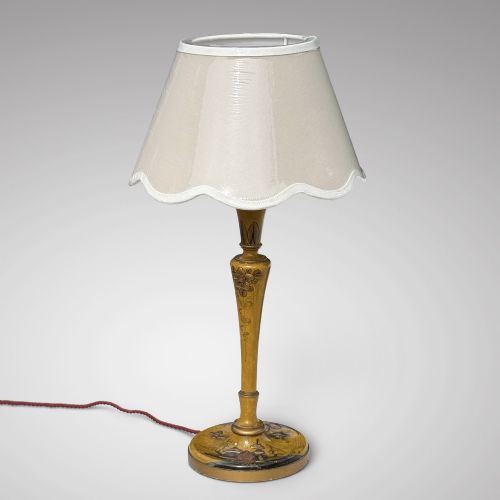
A chinese bedside table brings proportion and texture to a room, shifting between lacquered wood and porcelain lamp conversions from the nineteenth century onwards.
Chinese Bedside Table
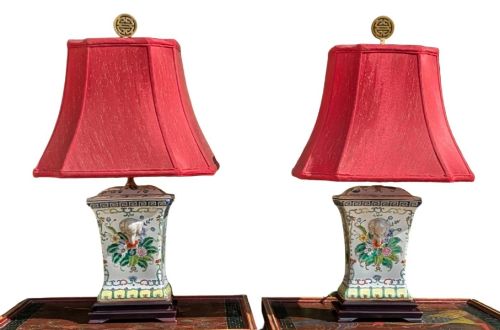
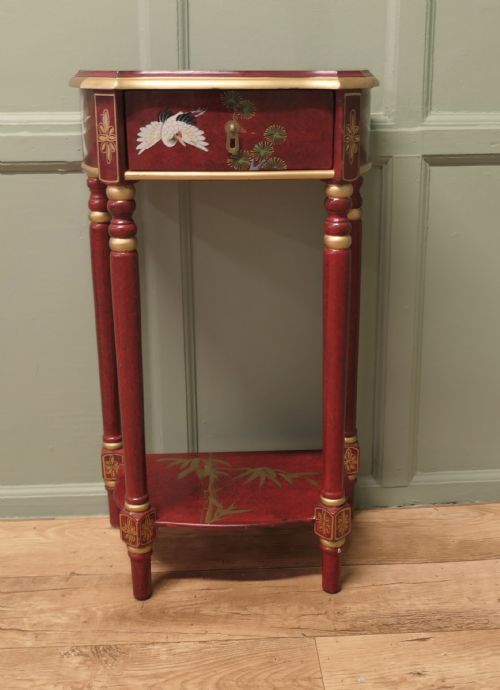
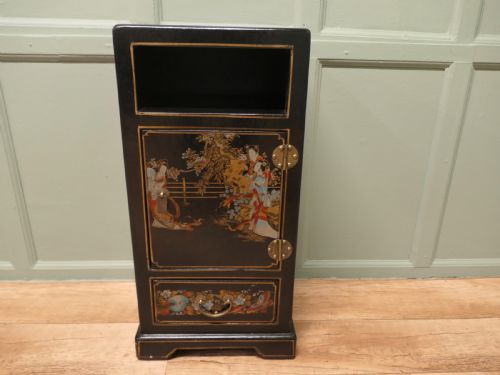
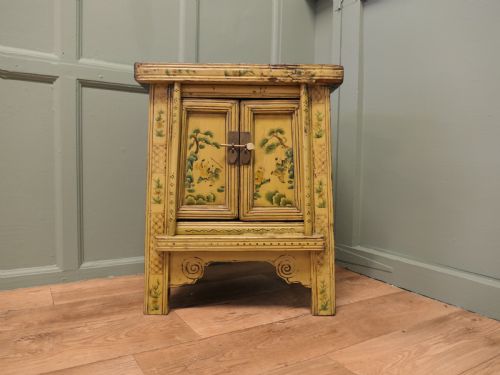
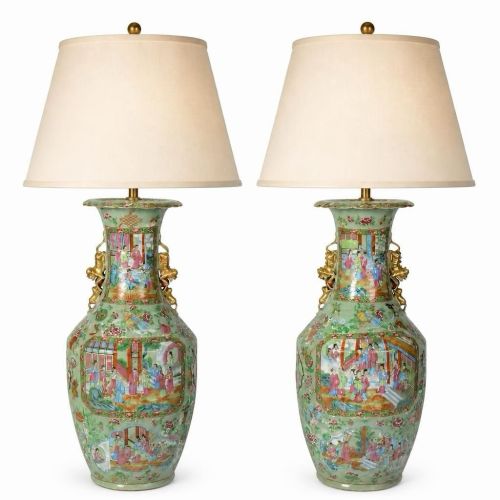
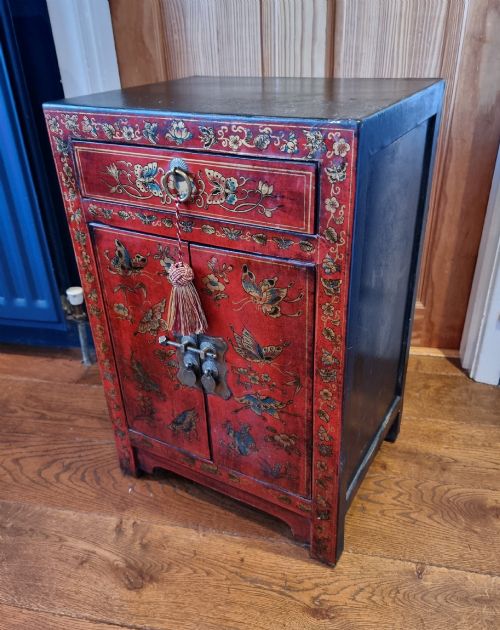
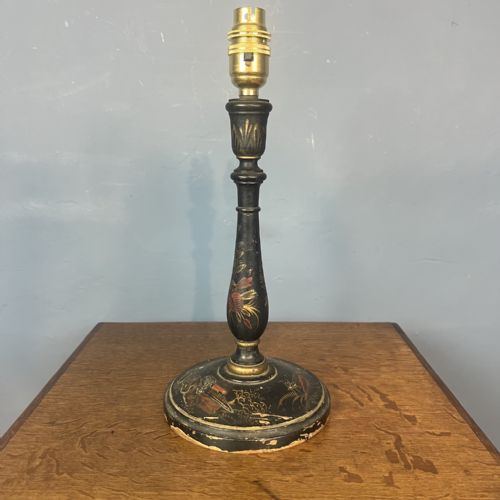
When you examine a chinese bedside table, you encounter low cabinets, side tables, and cupboards alongside porcelain vases adapted into lamps. The inventory records items spanning the nineteenth century, the Edwardian period, and the nineteen-twenties and nineteen-thirties.
Wooden furniture often displays lacquer finishes in cream, ochre, red, black, or yellow, whilst porcelain forms utilise blue and white, Famille Verte, and Famille Rose palettes. Cabinets frequently incorporate drawers or cupboard doors for practical bedside storage.
Lamp conversions dominate the selection, turning ginger jars, baluster vases, and tea canisters into lighting. Side tables employ hardwoods paired with marble inserts, reflecting traditional craftsmanship.
Materials and construction
Wood construction relies on hardwoods, sometimes combined with marble, alongside lacquered surfaces applied to cabinets and lamp bases. Artisans built low cupboards and side tables using traditional joinery methods suited to domestic utility.
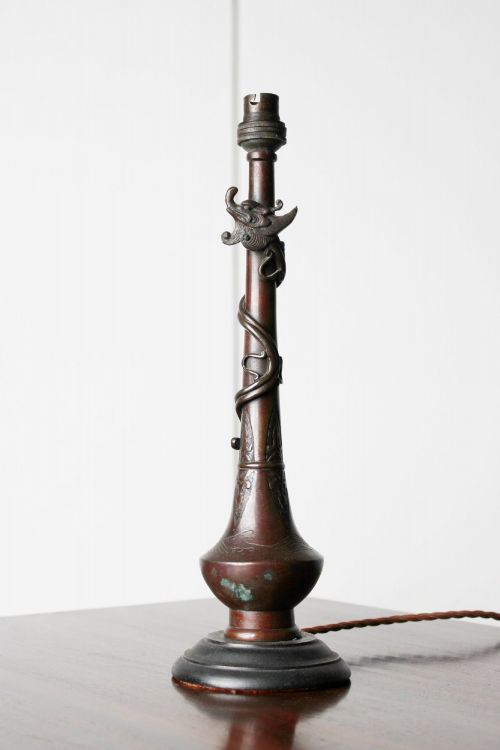
Porcelain manufacturing involves hand-painted decoration in enamel palettes such as Famille Rose and Famille Noire, alongside traditional blue and white underglaze. Metal elements incorporate brass, bronze, and patinated white metal for mounts and structural supports.
Silk and fabric components occasionally appear, whilst cloisonné and crackleware glazes demonstrate specialised firing techniques. Many lamp adaptations combine these ceramic bodies with fitted electrical wiring.
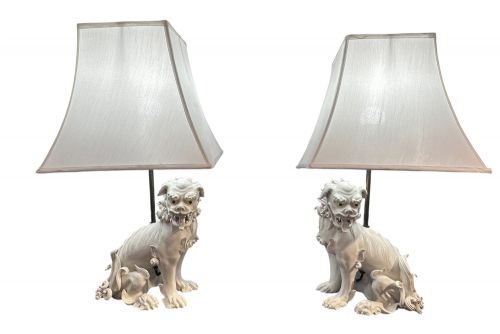
Guard dogs of the domestic realm arrive ready for duty as pairs of porcelain Shi Lions, watching over the bedside since the nineteen-twenties.
Assessing quality in execution
Quality reveals itself in the crispness of the hand-painted porcelain decoration and the depth of the lacquer layers on wood. Superior examples show precise detailing in floral motifs, figures, and crackleware glazes.
The integrity of the timber and the weight of the bronze or brass mounts distinguish finer cabinets and lamps. Original patination on metal and well-preserved painted surfaces retain greater visual clarity.
Adaptations from vases to lamps vary according to how cleanly the ceramic body was drilled and fitted with electrical hardware. Surviving original hardware on cabinets adds distinction to structural execution.
The Chinese Bedside Table Glossary
- Chinoiserie
- European decorative style reflecting Chinese artistic traditions. It appears frequently on nineteenth-century cabinets and Edwardian lamps.
- Famille Rose
- Chinese porcelain palette dominated by opaque pink enamel. This colouring characterises many nineteenth-century vases and lamp conversions.
- Cloisonné
- Enamelwork technique using metal wires to partition different coloured areas. Surviving pieces show intricate patterns on vase lamps.
- Crackleware
- Glaze intentionally patterned with a network of fine cracks. This finish is typical of certain nineteenth-century blue and white porcelain items.
- Blanc de Chine
- White porcelain produced in Dehua, China. It is seen here in figures such as Shi Lions adapted as lamps.
Chinese Bedside Table: Frequently Asked Questions
What is a chinese bedside table?
A chinese bedside table encompasses low wooden cabinets, side tables with drawers, and porcelain vases converted into bedside lamps. These pieces range from nineteenth-century hardwood and marble tables to lacquered cupboards from the nineteen-twenties.
Items span various stylistic interpretations, including traditional Qing Dynasty forms and European Chinoiserie adaptations from the Edwardian era.
How do I date a chinese bedside table?
Dating relies on material characteristics, joinery methods, and decorative styles recorded across the nineteenth and early twentieth centuries. Victorian and Edwardian interpretations often blend Chinese motifs with European furniture shapes.
Porcelain lamp conversions display specific transitional styles, such as Famille Verte or blue and white glazes associated with nineteenth-century production.
Are these tables original antiques?
The selection includes authentic nineteenth-century items alongside pieces from the nineteen-tens, twenties, and thirties. Materials range from traditional hardwoods and lacquer to period porcelain mounted as lamps.
Descriptions record specific periods such as the Victorian era and Edwardian Chinoiserie to identify the age of each cabinet or lamp base.
How should I clean a lacquered table?
Lacquered surfaces require gentle dusting with a soft, dry cloth to prevent scratching the finish. Avoid chemical cleaners and excess moisture, which can damage aged lacquer and painted details.
Wood and marble side tables benefit from occasional light polishing appropriate for antique hardwood furniture.
Can I use porcelain vases as lamps safely?
Many listings comprise historical vases and ginger jars professionally converted into table lamps. These incorporate wired fittings suitable for modern domestic use.
Wiring standards can be verified with a qualified electrician upon acquisition to ensure safe operation in a bedroom setting.