
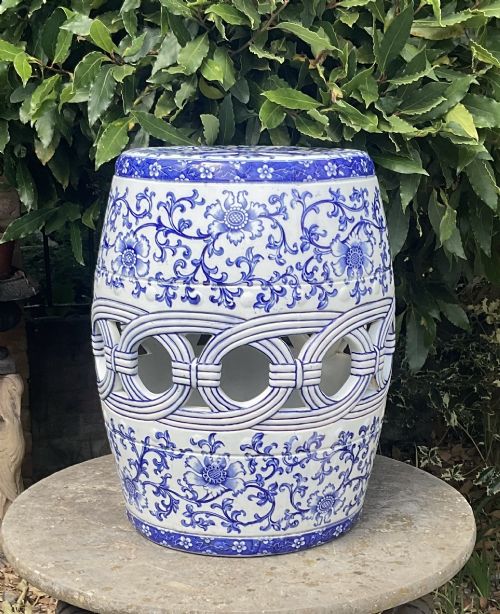


Chinese Barrel Garden Stool
A chinese barrel garden stool brings architectural form and vibrant ceramic colour to a room or terrace.
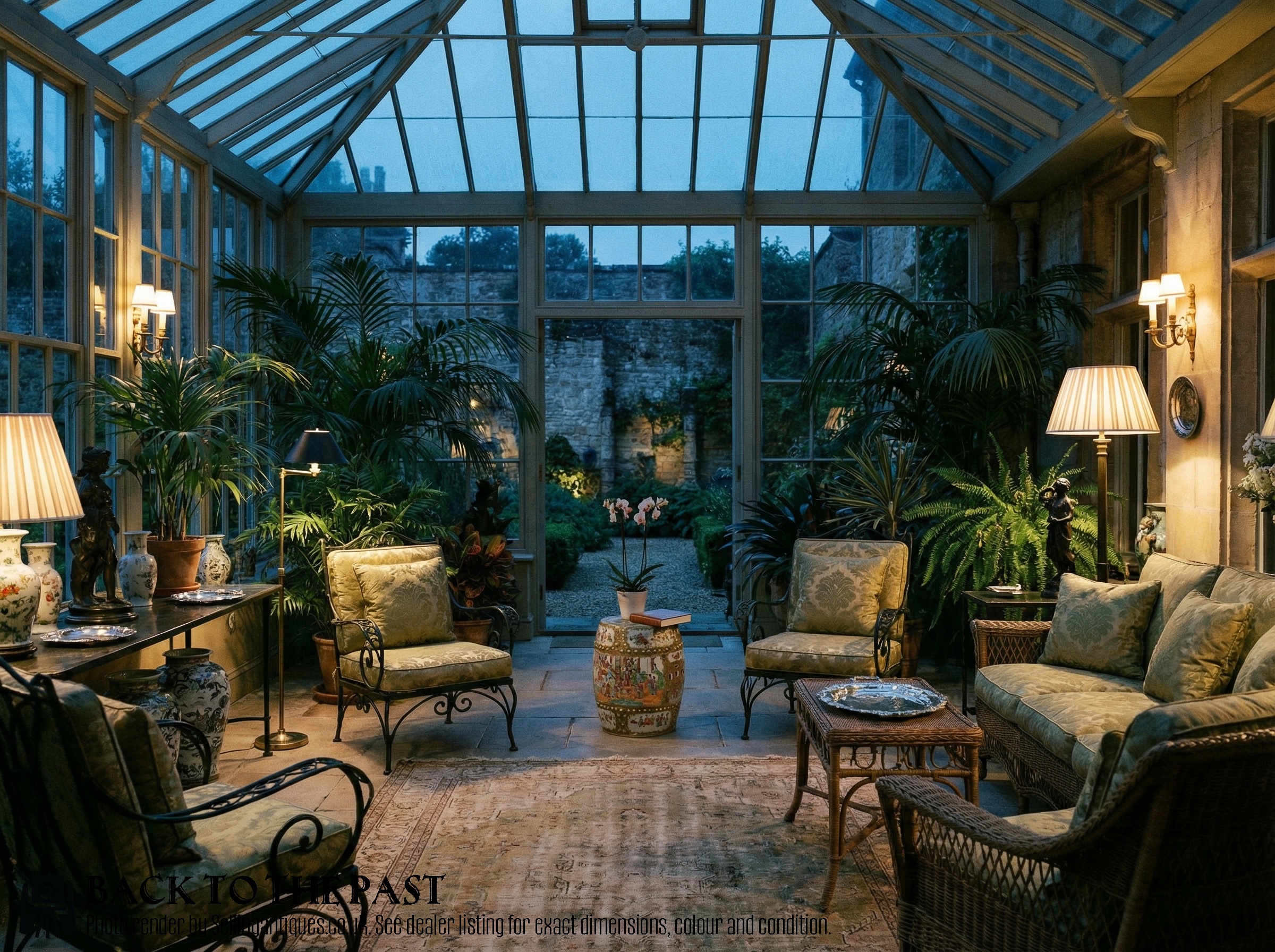
Chinese Barrel Garden Stool
A chinese barrel garden stool serves multiple domestic roles, functioning as a seat, plant stand or side table within homes and gardens. These drum-shaped pieces appear frequently in nineteenth-century forms, alongside examples from around nineteen-twenty.
Makers shaped these objects in ceramic, porcelain, earthenware and dense hardwoods like hongmu and teak. Common styles include Qing Dynasty, Chinese Republic Period, and Victorian or Regency Chinoiserie interpretations.
The profile typically follows a rounded barrel contour, sometimes accented with painted decoration, famille rose palettes, or blue and white glazes. Alternative timber versions utilise burr wood and mother-of-pearl inlay to create contrasting surface textures.
Distinguishing quality across examples
Quality rests upon the crispness of the carved timber details or the precision and depth of the porcelain enamel and glaze work. Finer examples display balanced proportions and sophisticated painted decoration that reflects the standards of their period.
The choice of material also dictates distinction, ranging from standard glazed earthenware to dense, figured hongmu timbers or finely inlaid mother-of-pearl accents. Condition and the preservation of original painted surfaces complete the assessment.
Some nineteenth-century makers evidently decided that a humble garden seat deserved mother-of-pearl flowers sparkling across a carved timber drum.
The Chinese Barrel Garden Stool Glossary
- Famille rose
- A palette of opaque enamel colours dominated by pink, used extensively on Chinese porcelain during the Qing Dynasty and later periods.
- Hongmu
- A dense, dark traditional Chinese hardwood prized for its stability and rich grain, often utilised in fine furniture and barrel-form seating.
- Rose medallion
- A distinctive style of Chinese porcelain decoration featuring divided panels of figures, birds and flowers rendered in bright enamels.
- Chinoiserie
- European decorative style reflecting Chinese artistic influences, seen in British interpretations from the Regency and Victorian eras.
- Clobbered
- A term describing older porcelain or pottery that received subsequent overglaze decoration, often added in Europe to enhance visual appeal.
Chinese Barrel Garden Stool: Frequently Asked Questions
Where should I place a chinese barrel garden stool?
These pieces suit living rooms as side tables or plant stands, as well as conservatories and sheltered garden terraces.
Ceramic versions tolerate outdoor conditions well, whilst hardwood and inlaid timber examples perform best in dry indoor environments.
How do I date a chinese barrel garden stool?
Dating relies on examining the ceramic glazes, enamel palettes, and timber types against known historical periods such as the Qing Dynasty or the nineteenth century.
Construction methods and wear patterns on the base also offer reliable indicators of age and origin.
Can I use these stools outside?
Ceramic, porcelain and glazed earthenware seats withstand patio environments and garden conditions throughout warmer months.
Timber and lacquered examples should remain indoors to protect the wood and painted finishes from moisture.
What is the difference between porcelain and hardwood versions?
Porcelain versions typically feature blue and white or famille rose painted decoration applied beneath or over the glaze.
Hardwood versions showcase natural wood grains, carved detailing, and occasionally mother-of-pearl inlay rather than ceramic glazes.